Reviewed · TOURS
Berlin Battlefield Tour – Operation Berlin 1945
Berlin’s end of World War II is not theory here, it is street corners, bridges, and a very specific target. This tour centers on Operation Berlin 1945 and the last fight around the Reichstag, with an expert guide turning landmarks into a clear, human timeline.
What I like most is the way the route forces you to think like a commander, not just a tourist. You also get a guide-led walk with Then & Now photos and maps that help you connect what you see today with what soldiers faced back then. The main drawback to plan for is that it is a brisk walk outdoors, rain or shine, and the focus is on battle context, so it may feel intense if you want a lighter historical stroll.
Key highlights worth your attention
- Reichstag assault storyline that tracks the approach, the objective for the Soviets, and what German defenders were up against
- Bridge-to-bridge navigation through Moltkebrücke and Weidendammer Brücke, where movement meant survival
- Strategy explained in plain language, so you follow decisions by Soviet and German commanders
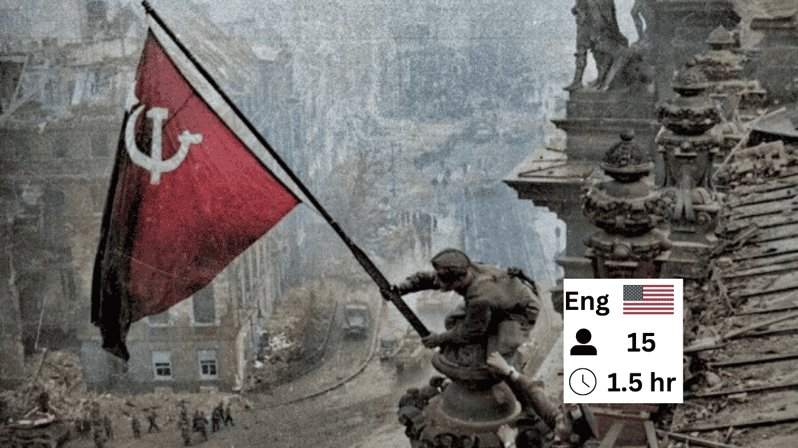
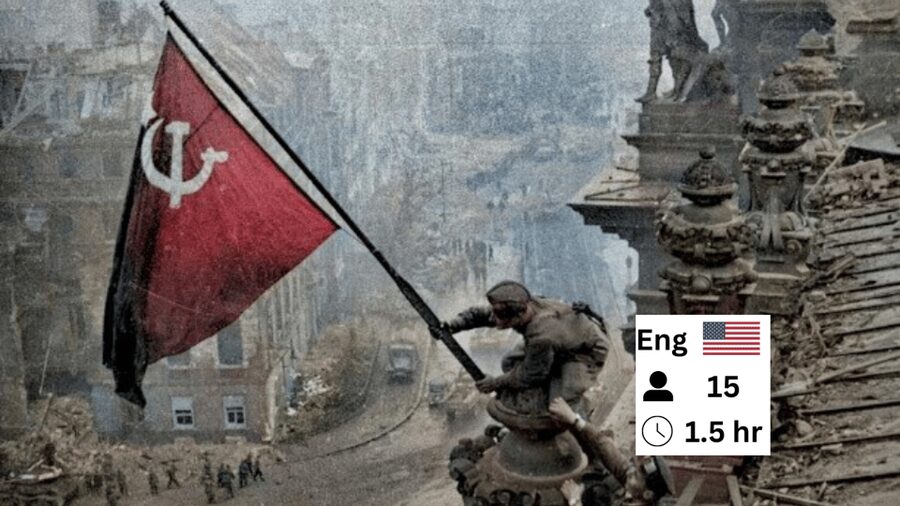
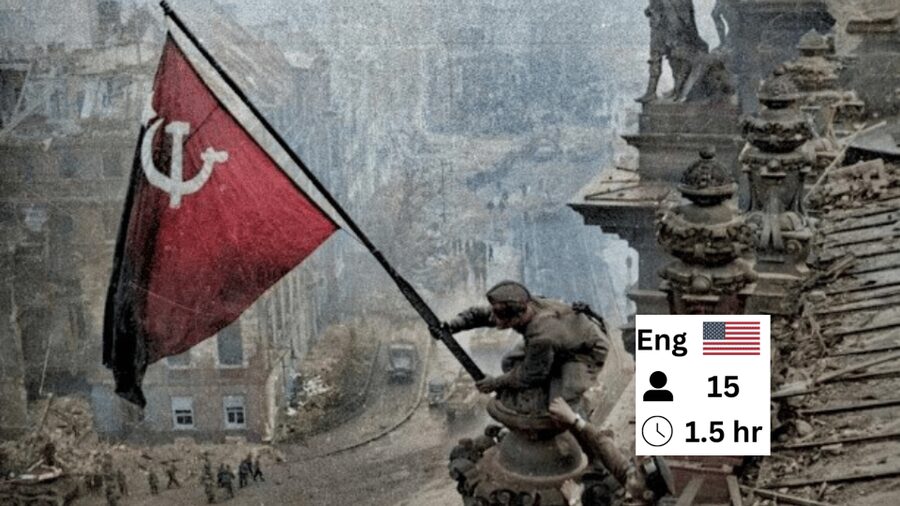
- The tour’s take on the Soviet flag raising story, framed as truth-seeking rather than just a headline moment
- Small-group feel plus English guiding, with photos and maps to keep the facts organized
From Hauptbahnhof to the “final battle” zone in 150 minutes
This tour starts at the MEININGER Hotel Berlin Hauptbahnhof, on the south side of Berlin Central Station. Your guide is easy to spot because they stand outside the front of the hotel holding a blue umbrella, and you’re asked to arrive about 10 minutes early so you can get moving. The whole experience lasts about 150 minutes, which is long enough to cover the key sights, but not so long that you’ll feel lost or exhausted.
Berlin can be overwhelming when you’re trying to track 1945 events on foot, especially around the center where lots of roads intersect. What makes this one workable is that it builds a route with a goal: reach and understand the streets and crossings tied to the end of the war in Europe. You’ll walk, pause for context, and keep returning to the same big question, how did the fighting unfold toward the Reichstag?
One practical note: you’ll be outside for long stretches. If your day includes lots of museum time, I suggest giving your legs a break first, and then treat this as your focused “battlefield session.”
Other Berlin tours readers compare with this one:
- Berlin: Reichstag, Dome and Government District Guided Tour
★ 4.7 · 18,288 reviews - Berlin: 1-Hour City Tour by Boat with Guaranteed Seating
★ 4.3 · 16,993 reviews - Berlin: Boat Tour Along the River Spree
★ 4.4 · 11,252 reviews
What you’ll actually learn: strategy, command choices, and the human cost
This tour is not only a list of dates and uniforms. It’s structured around military strategy and the decisions made by Soviet and German commanders, then pulls those choices back down to people on the ground. The tour’s learning outcomes are built around two levels: what leadership decided, and what that meant in everyday reality for the fighters.
You can expect the guide to talk about tactics tied to the built environment, especially where movement funnels into chokepoints. Bridges, squares, and approaches matter because street fighting is slow, dangerous, and heavily influenced by cover. The tour also points you toward the psychological side of battle, desperation, hope, and carnage, not as vague drama, but as the emotional atmosphere created by relentless assault.
There’s also a deliberate push to go beyond comfort-zone history. The tour promises to address the story of the Soviet flag raising with a “truth” angle, which is a reminder that even well-known events have layers, interpretations, and propaganda baggage. If you like your history straight and explained in context, that promise matters.
Moltkebrücke and Platz der Republik: understanding why crossings mattered
The first major sight after the meet-up is Moltke Bridge (MoltkeBrücke). Bridges in 1945 were more than scenery, they were routes for troops, supply movement, and the physical line between safety and exposure. The guide spends time here so you understand what made this kind of crossing strategically important during street battles.
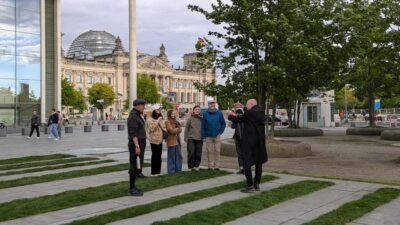
Right after that, you head to Platz der Republik. This stop helps connect the idea of the “approach” to the actual fighting target. Even if the modern square doesn’t look like a battlefield, it acts like a map key, showing you how an assault plan has to work with real distances, sightlines, and movement under fire. If you ever wondered why attackers can’t just choose any street, this is where the logic starts to click.
A small caution: because the tour is time-boxed, these early explanations may feel like fast setting of the stage. If you want to absorb every detail, wear comfortable shoes and keep water handy so you don’t have to fight discomfort while listening.
Reichstag Battlefield: the assault objective and the pressure before the strike
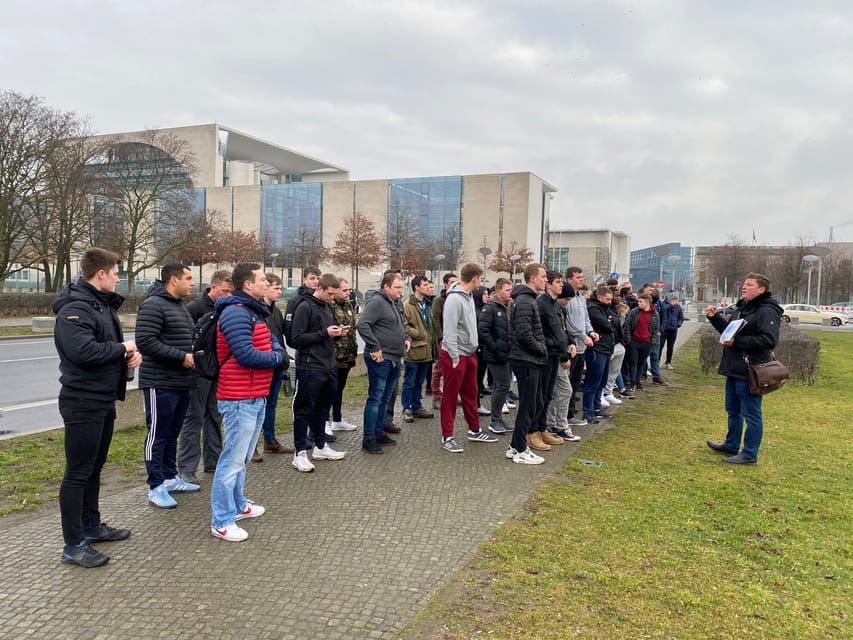
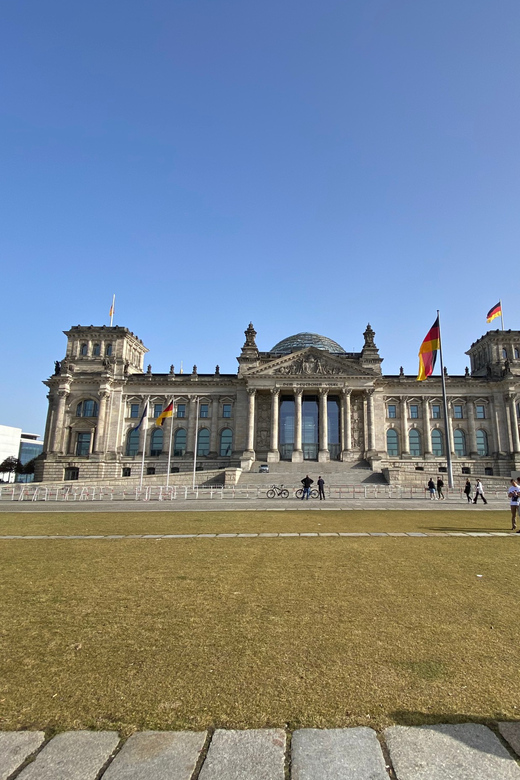
The center of the experience is the Reichstag stop, where the tour’s narrative tightens around the moments leading to the assault. The guide frames the Reichstag as the primary objective for the Soviets, which is important because objectives drive movement, and movement creates chaos for everyone involved. You’ll hear how the battle unfolded toward a specific endpoint, not just a general collapse.
This is also where you’ll likely feel the tour’s emphasis on the intensity of the final days. Expect vivid descriptions of combat sounds and close-quarters danger, including the reference to the feared MG42, as the guide connects tactics to what soldiers would have experienced. The goal is clarity, you should walk away understanding not just that fighting was brutal, but how it was conducted and why it escalated.
What I appreciate here is the focus on choices rather than hero myths. The route around the Reichstag is treated as a set of constraints, Germans defending, Soviets pressing, and both sides responding to what they could see, what they couldn’t, and what they were running out of. That’s how you end up with a fuller view of command decisions, and also why the story doesn’t stop at one dramatic moment.
Still in Berlin, but a different kind of day:
- Discover Berlin Half-Day Walking Tour
★ 5.0 · 9,624 reviews - Berlin: Hop-on Hop-off Bus Tour with Live Commentary
★ 4.3 · 8,579 reviews - Berlin: Government District around the Reichstag Guided Tour
★ 4.7 · 8,447 reviews - Berlin: Reichstag, Plenary Chamber, Cupola & Government Tour
★ 4.6 · 8,422 reviews
Weidendammer Brücke: desperation, hope, and the last scramble
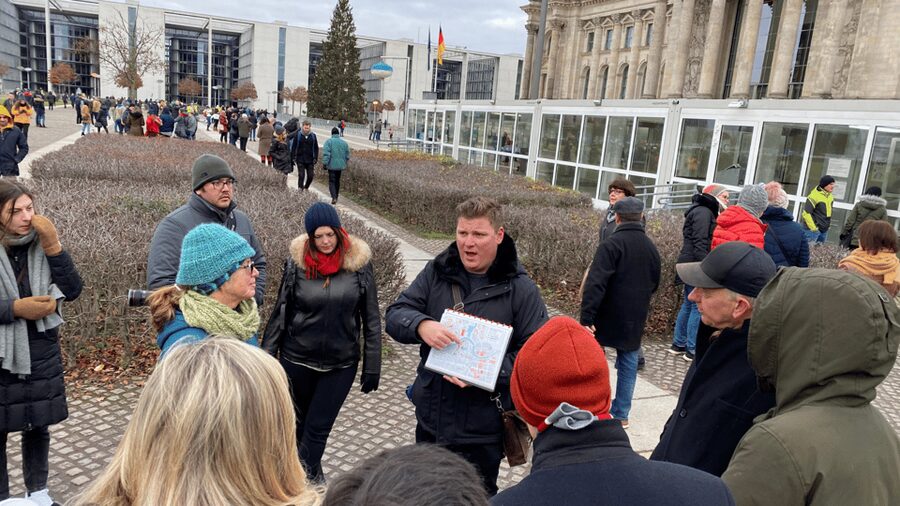
The final sightseeing stop is Weidendammer Brücke, and the tour wraps here. This segment is built around the tour’s themes of desperation, hope, and carnage, and it also points to the idea of a German break-out, part of the battle’s late-stage complexity.
Bridge crossings again become the storyline. When fighting narrows into a few practical movement options, bridges can symbolize both opportunity and trap. The guide’s job is to help you see the crossing not as a landmark photo op, but as a tactical question, where could someone go, what would they run into, and how long would they have before the situation turned impossible.
If you’re the type of traveler who likes a “why” ending, this finale delivers. It turns the common takeaway of Allied victory into a more accurate picture of a desperate, multi-directional struggle in Berlin’s final hours.
The Soviet flag raising story: why this moment gets argued
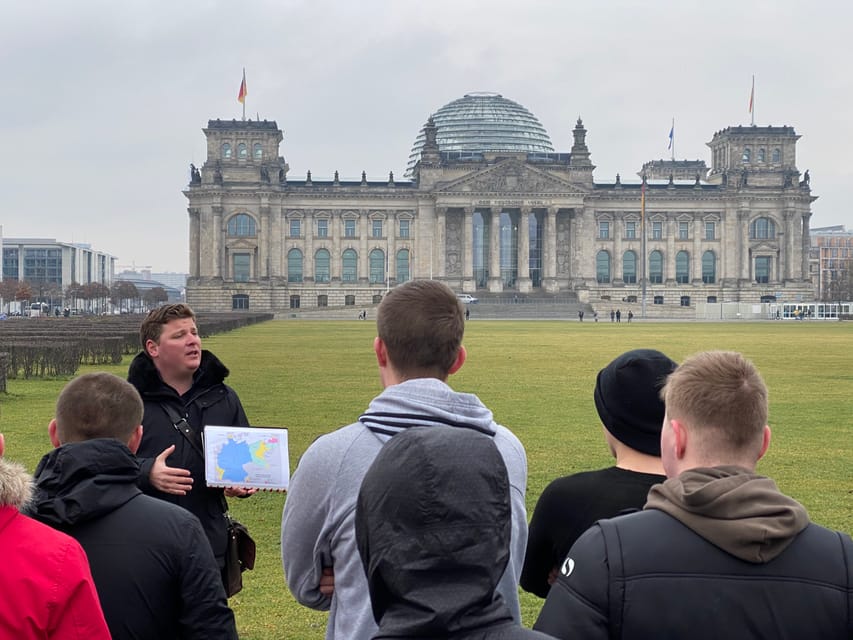
One of the tour’s promised angles is the Soviet flag raising, presented as a story with a “truth” component. Even without walking into political debate, this theme is valuable because it reminds you that history is often remembered through images, then clarified or complicated later through research, accounts, and context.
A good guide will use that moment as a pivot point. They can show you how symbolism works during war and how later narratives can reshape what people think they know. It also connects back to the bigger lesson of the tour, that 1945 was not just battlefield action, it was also meaning-making, who gets to define the end, and what that definition requires.
Keep an open mind. If you’re expecting a simple “secret truth” reveal with no nuance, you might be disappointed. But if you want a guided explanation of why widely repeated stories differ, this is one of the most interesting parts of the overall route.
Style that keeps the facts straight: photos, maps, and an English guide
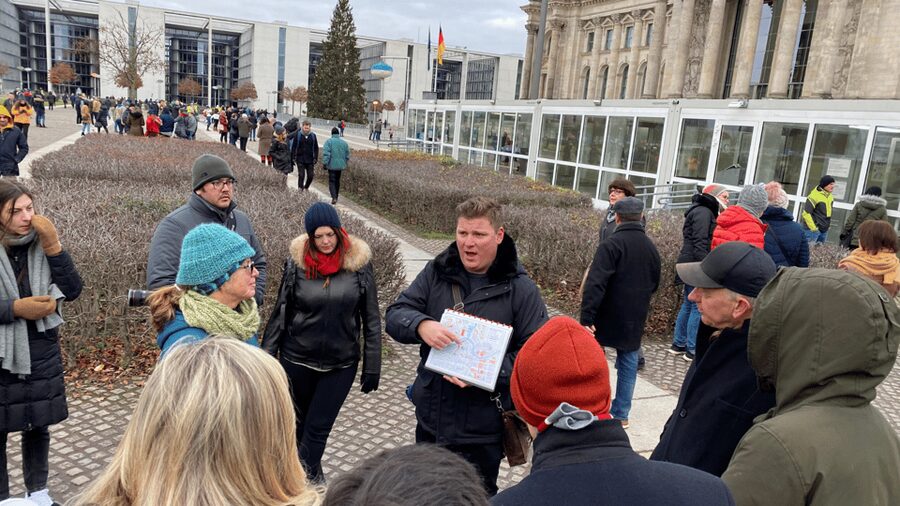
This is an English-language guided tour with an expert tour guide and an exclusive small group format. That matters because battlefield stories get messy fast if you’re trying to follow them alone while walking. When the group stays small, the guide can pause, reframe, and keep the route aligned with the narrative thread.
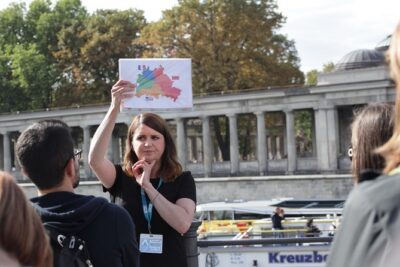
You’ll also get Then & Now photographs and maps, which help you avoid the “I saw something but I can’t place it” feeling. Modern Berlin layers buildings, streets, and memorial spaces over the war-era layout, so these tools keep the timeline anchored. I like this setup because it respects how the city looks today while still explaining what happened in 1945.
For a guide-focused experience, the quality of storytelling is everything. Jochen is one name you’ll hear connected with strong explanations and a clear way of bringing the event to life. That kind of communication style is exactly what you want on a battlefield tour, where clarity is your safety net.
Rain or shine logistics: walking, what to pack, and timing tips
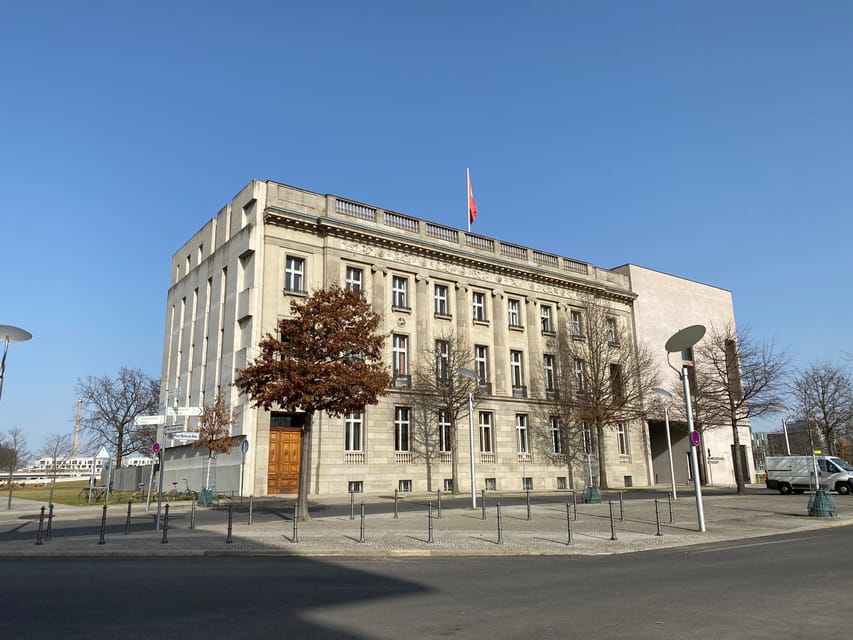
The tour runs rain or shine, so plan around weather, not hope. The operator provides umbrellas throughout the year if rain shows up, but I still recommend bringing your own umbrella or rain gear if that’s your comfort preference. You’ll also want comfortable shoes because the tour includes multiple short walking segments and viewpoints.
Bring snacks and water. The itinerary moves between several stops, and while each segment is relatively short, it adds up when you’re listening. If you’re prone to getting hungry, a small snack can keep your attention sharp instead of drifting during explanations.
Timing tip: arrive early at the hotel entrance so you can confirm you’ve found your guide with the blue umbrella and you can start cleanly. One operational hiccup is easy to imagine on a busy street, so do yourself a favor and start with good visibility and a calm head.
Price and value at about $57 for 150 minutes
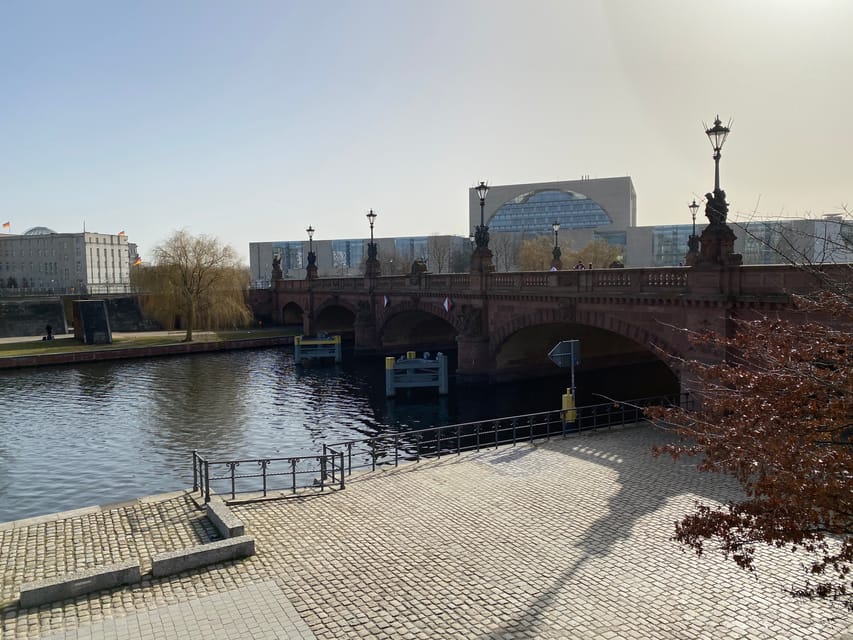
At $57 per person for roughly 150 minutes, this sits in the “serious guided experience” category, not the cheapest way to learn about Berlin in WWII. That’s the trade-off, you’re paying for expert narration, a structured route, and the on-the-ground connection between bridges, squares, and the Reichstag area.
The value case is strongest if you want more than reading a plaque. The tour’s focus on strategy, command decisions, and the human cost means you’ll leave with a mental map of how the final battle moved. The photos and maps also add practical value, because they do the job of turning confusing urban space into a guided timeline.
If you’re price-sensitive, be aware it may feel expensive compared with other Berlin tours. In that case, decide what you care about most: do you want a short general overview, or do you want a specific Reichstag-centered battle narrative with hands-on explanation?
Should you book Operation Berlin 1945?
Book it if you want a Reichstag-focused WWII tour that explains battlefield logic, not just what happened in broad strokes. It’s especially worth it if you like guided walks where strategy and people both matter, and if you’ll appreciate the Then & Now visuals that keep the modern city from confusing the story.
Skip or reconsider if you’re looking for something light and casual, or if you struggle with rain and walking. This is also not the tour to pick when your expectations are only for museum-style facts and quiet time. It’s built around tension and intensity, and it does not pretend that the last days were anything other than brutal.
If you go, go prepared: good shoes, water, and a real effort to listen during each stop. That’s how you get the most from the route and turn Berlin’s final WWII landmarks into a clear story you can actually remember.
FAQ
Where is the tour meeting point?
The tour meets in front of the MEININGER Hotel Berlin Hauptbahnhof, Ella-Trebe-Straße 9, 10557 Berlin. The hotel is on the south side of Berlin Central Station.
What time should I arrive?
Please arrive about 10 minutes before the activity starts.
How long is the Berlin Battlefield Tour – Operation Berlin 1945?
The duration is 150 minutes.
What language is the tour guide?
The live tour guide speaks English.
Is the tour small-group or large-group?
It’s described as an exclusive small group tour.
Does the tour run in bad weather?
Yes, the tour will take place rain or shine.
What should I bring?
Bring comfortable shoes, an umbrella, snacks, water, and rain gear if needed.
Is an umbrella provided?
Umbrellas are provided throughout the year in case of rain.
Is the tour wheelchair accessible?
Yes, the tour is wheelchair accessible.
What is included in the tour price?
Included items are an expert tour guide, the exclusive small group tour, Then & Now photographs and maps, and an accessible tour.
Recently added around Berlin
- Berlin Private Custom Walking Tour With A Guide (Private Tour)★ 4.5 · 8 reviews
- One Up to 3 Rickshaws(6 GUESTS)-Taylor Made Rickshaw Berlin Tour★ 5.0 · 20 reviews
- Moonshine Comedy – English Stand Up Comedy by the bay★ 5.0 · 11 reviews
- Private Half-Day Berlin Sightseeing Tour with a Minivan Including Short City Walks★ 5.0 · 31 reviews
- Private taxi tour to Potsdam and Sanssouci 6-8h★ 5.0 · 30 reviews
- Private City Kickstart Tour: Berlin★ 4.5 · 71 reviews
- Private tour of Berlin★ 5.0 · 15 reviews
- Private Tutankhamun’s Tomb Live Escape Room in Berlin★ 3.5 · 11 reviews
Tours, compared.
Reichstag, Dome and Government District Guided Tour
Read our review →
1-Hour City Tour by Boat with Guaranteed Seating
Read our review →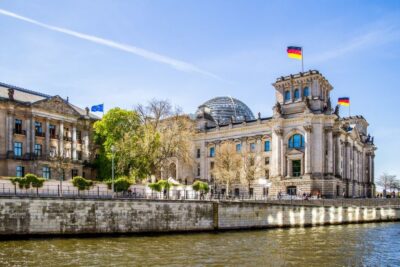
Government District around the Reichstag Guided Tour
Read our review →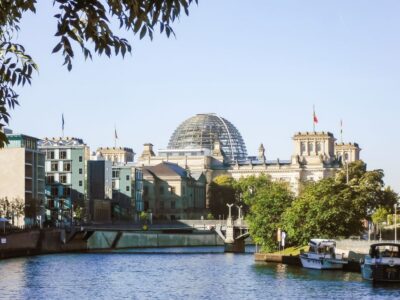
Reichstag, Plenary Chamber, Cupola & Government Tour
Read our review →