
Reviewed · QUEER BERLIN HISTORY TOURS
Where It All Began: Berlin’s Queer & Trans History Tour
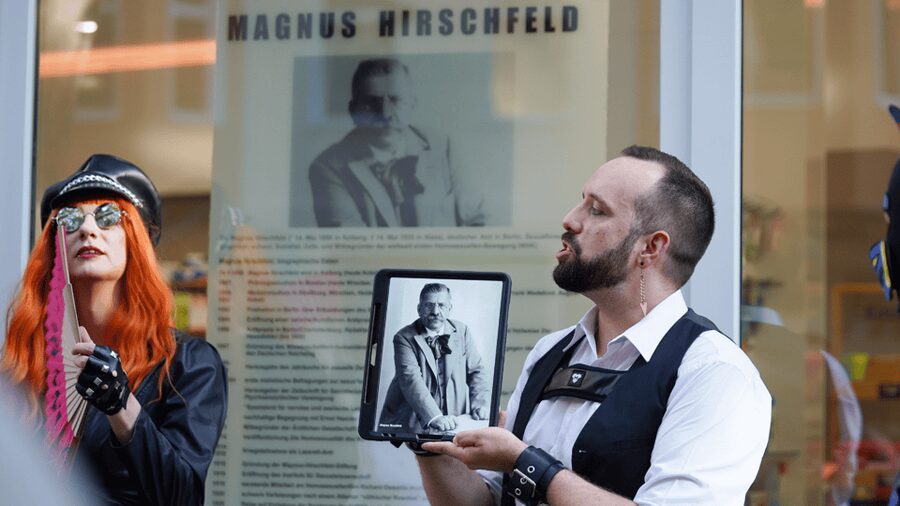
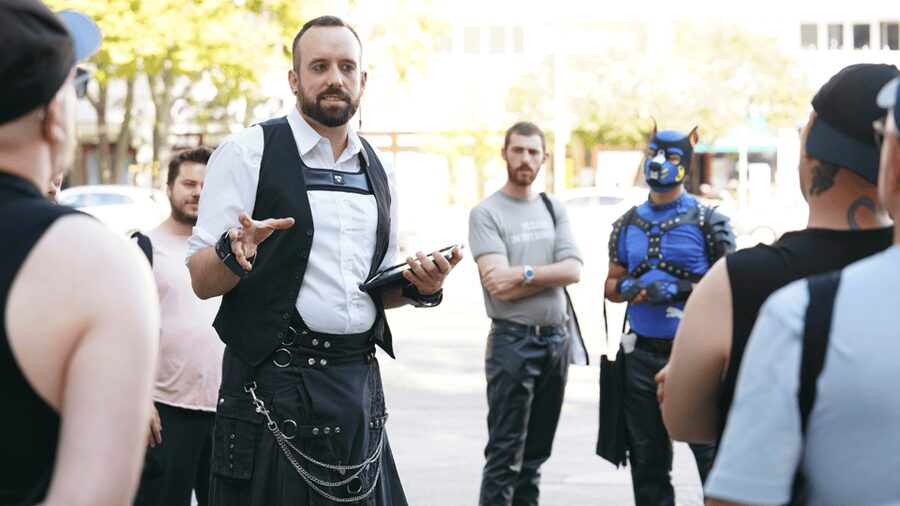
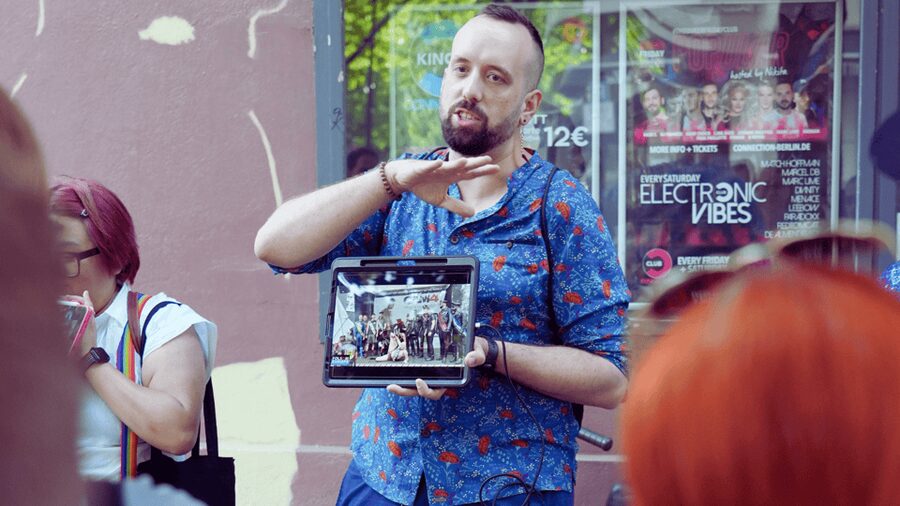
This tour works because Berlin’s queer and trans story is told right on the streets, using AR scenes and real archival media (photos, videos, rare audio, plus personal quotes). I like that it is led by Jeff, a queer activist and gender scholar, with the skills of a social scientist and certified sex educator. I also like that it stays personal with a small group capped at 10, so questions and reactions feel welcomed. One heads-up: the material covers heavy topics like Nazi persecution, HIV/AIDS, antisemitism, transphobia, sex work, and sexualized violence, so it is not for everyone.
You’ll spend about 3 hours moving from one name and landmark to the next, with short stops and lots of “look, listen, and then answer” moments. The payoff is a clear timeline from the birth of the modern LGBTQIA+ rights movement through today’s nightlife and Pride energy, without reducing people to trivia.
Key things you’ll notice on this Berlin queer history tour
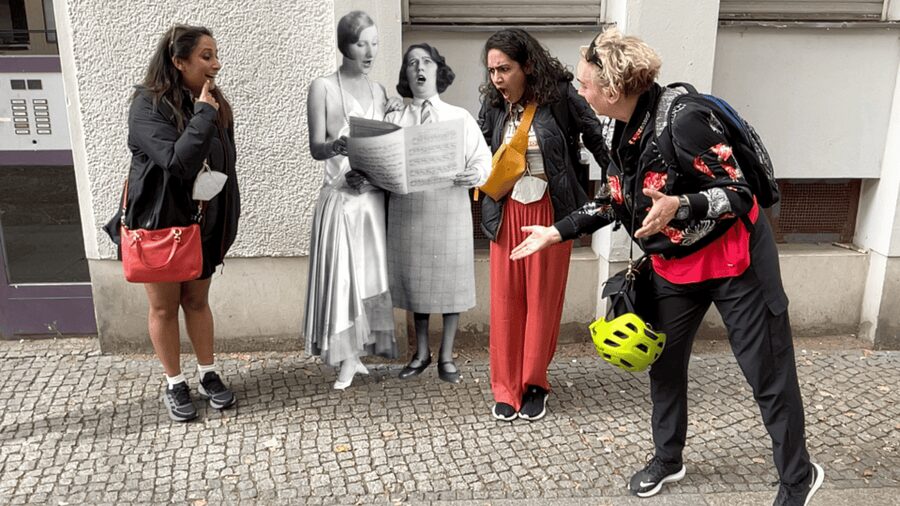
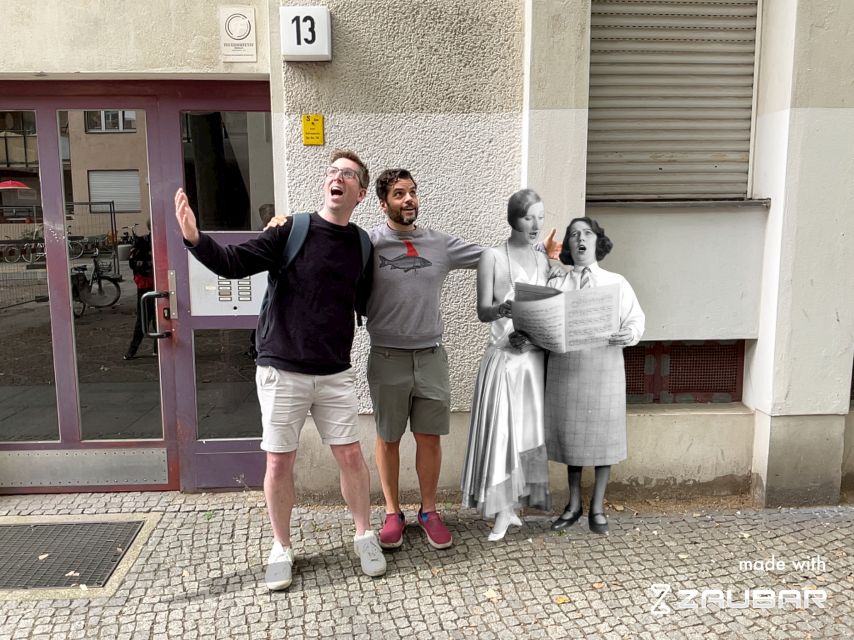
- AR Mixies selfies with historic figures, so the past feels visible without turning it into a costume show
- 200+ archival photos, videos, and rare audio clips that make the stories feel specific, not generic
- Quizzes and interactive prompts that help you remember names, dates, and themes as you walk
- A focus on early trans identity and gender-affirming care, including references to the first surgeries and transvestite certificates
- Nightlife chapters across eras, from 1920s lesbian and gay spaces to today’s club and Pride culture
Why Berlin starts here: 150 years of queer and trans resistance in 3 hours
If you care about queer and trans history, Berlin is one of the best places on earth to get oriented. Not because everything is simple, but because the story shows change over time, including progress, backlash, and survival. This tour gives you a time-lapse of more than a century, stitched together with multimedia and street-level context.
The price is $81 per person for a 3-hour guided walk, and you should expect more than a typical “stand and talk” tour. What makes it feel like real value is the mix of formats: rare archival clips and audio, interactive quizzes, and AR scenes plus AR selfies. You are paying for interpretation, not just location.
The size matters too. With a group limited to 10 participants, it stays human. I find that kind of limit helps the guide keep control of pacing, and it makes the tour easier to follow when the content turns intense.
More queer Berlin history tours:
- Berlin: Gay Berlin Out in Schöneberg Walking Tour
★ 4.8 · 281 reviews - Berlin’s Gay, Lesbian, and Queer Scene Small-Group Walking Tour
★ 4.5 · 66 reviews - Queer Berlin Walking Tour
★ 4.7 · 64 reviews
Jeff and the multimedia format: what it adds to the story
This is an English-language tour led by Jeff, described as a queer activist and gender scholar, with training as a social scientist and certified sex educator. That combination shows up in the way the tour handles facts, language, and the emotional weight of history. It also helps that the format is not all lectures.
Here is what you can expect to interact with:
- 200+ historic materials including photos, videos, and rare audio clips
- Personal quotes used to bring perspectives into the moment
- Interactive quiz questions to keep you engaged as topics shift
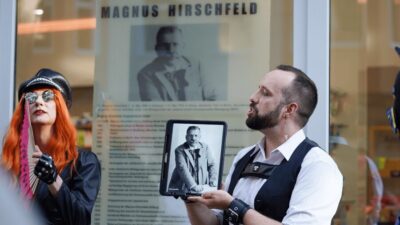
- AR moments where historic scenes and figures appear through your phone
I especially like that it is not only “watch and move on.” The quizzes and AR selfie prompts make you participate. That sounds like entertainment, but it also functions like memory practice, which matters when you are learning names like Karl Heinrich Ulrichs and Magnus Hirschfeld.
Where you begin, where you end, and how the route keeps moving
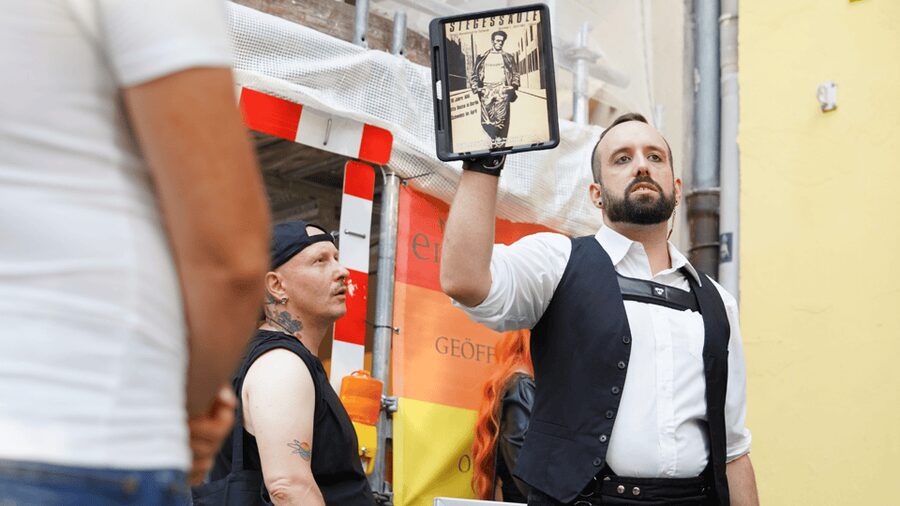
You meet at Nollendorfplatz in front of Alnatura Super Natur Markt on Else-Lasker-Schüler-Straße 18. The tour finishes back at Nollendorfplatz, which is convenient when you want an easy plan after the walk.
The pacing is built around short guided stops, so you never feel trapped in one spot for too long. The itinerary moves through roughly a dozen stops over the full 3 hours, with segments ranging from about 10 to 20 minutes each. That kind of structure is great for first-timers because it keeps the story moving forward. It can be less ideal if you need a lot of time sitting with a single topic, but the tour’s whole goal is momentum through eras.
One practical note: some parts take place in areas with high sensory input such as bright lights or loud noise, and the walking route can be bumpy in places. Comfortable shoes help, and weather-appropriate clothing matters since you’ll be outdoors for most of the tour.
Karl Heinrich Ulrichs and Magnus Hirschfeld: the rights movement starts in Berlin
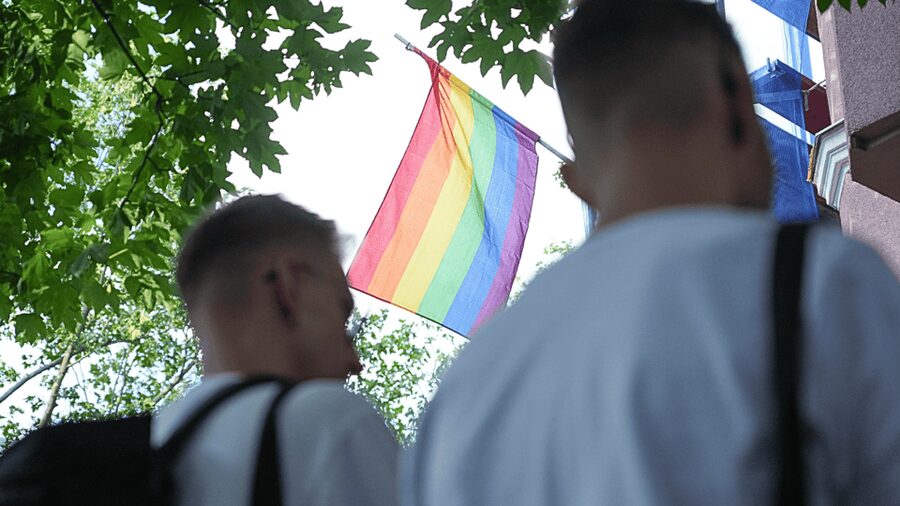
The tour kicks off by walking in the orbit of Karl-Heinrich-Ulrichs-Straße, then continues into other nearby streets tied to the early LGBTQIA+ rights story. You start with the foundational figures: Ulrichs and Magnus Hirschfeld, who helped launch what is described as the world’s first LGBTQIA+ rights movement over a century ago.
What I like about this opening is that it sets your expectations for the whole tour. Berlin is not treated as one-note nightlife. It is treated as a place where activism, identity, and public visibility were argued, organized, and documented.
You’ll also see how the story connects to the early understanding of gender variance. The tour explicitly includes material about the world’s first trans identities and references to gender-affirming surgeries. It also talks about how trans people lived openly with transvestite certificates. That matters because it challenges the idea that history is only either fully hidden or fully accepted.
More history tours in Berlin:
- Berlin: Natural History Museum Entrance Ticket
★ 4.6 · 3,382 reviews - Berlin: World Heritage Cruise to Potsdam
★ 4.5 · 1,435 reviews - Berlin Historical Highlights Walking Tour
★ 4.9 · 657 reviews - Berlin Private Complete History All Day Walking Tour
★ 5.0 · 474 reviews
The first trans identities, surgeries, and the Nazis’ attempt to erase them
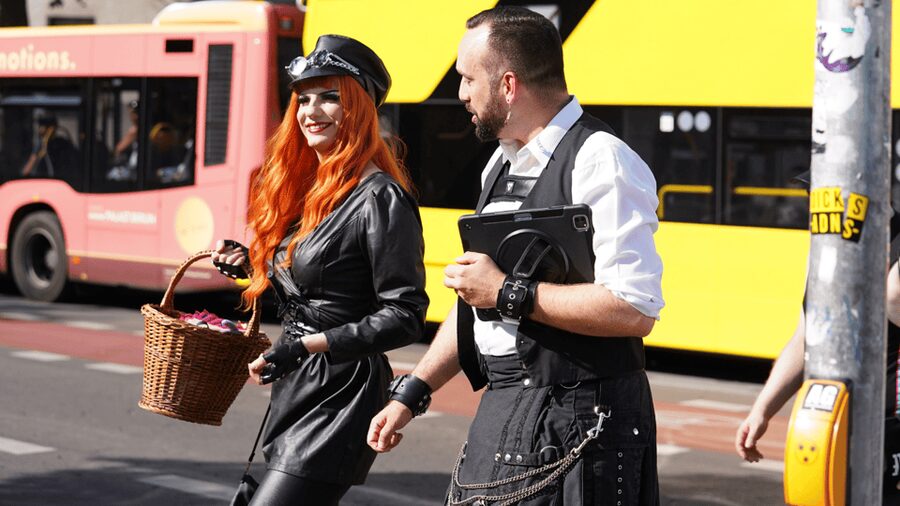
This portion is one of the most important on the tour because it is not only about who was targeted, it is about who existed and how they were understood. The tour explains early trans and non-binary identities and includes references to the first gender-affirming surgeries and paperwork systems used by trans people.
Then the narrative turns toward Nazi power and the effort to erase queer and trans life. You’ll hear about Hitler’s contradictory stance on homosexuality, the persecution of queer people in concentration camps, and the broader campaign to control public memory. It is heavy content, but the tour frames it as something more than tragedy. It shows an attempt to destroy culture and records, which helps you understand why today’s archives and memorials matter so much.
If you tend to process information best after you have a timeline, this is the section where that timeline starts to “click.” You can see why Berlin’s queer history needs documentation, and why the tour’s multimedia approach is not a gimmick.
Lesbian nightlife, cabarets, and feminist activism in 1920s Berlin
Berlin in the 1920s comes through in a very specific way: bars, cabarets, and lesbian community spaces. The tour names major cultural figures tied to the era, including Claire Waldoff, Marlene Dietrich, and Josephine Baker, and then uses those names as entry points into how queer women formed community and resistance.
It also connects lesbian spaces to feminist movements and to the idea that nightlife was not only entertainment. For a lot of people, nightlife was where you could meet others, build support, and test social rules in public.
The lesson I take from this part is practical. When you hear about “queer history” as if it is only politics, you miss how culture functioned as organizing. A cabaret or bar could be a kind of social infrastructure, and the tour makes that connection clearly.
Nazis, persecution, and queer resistance that didn’t disappear
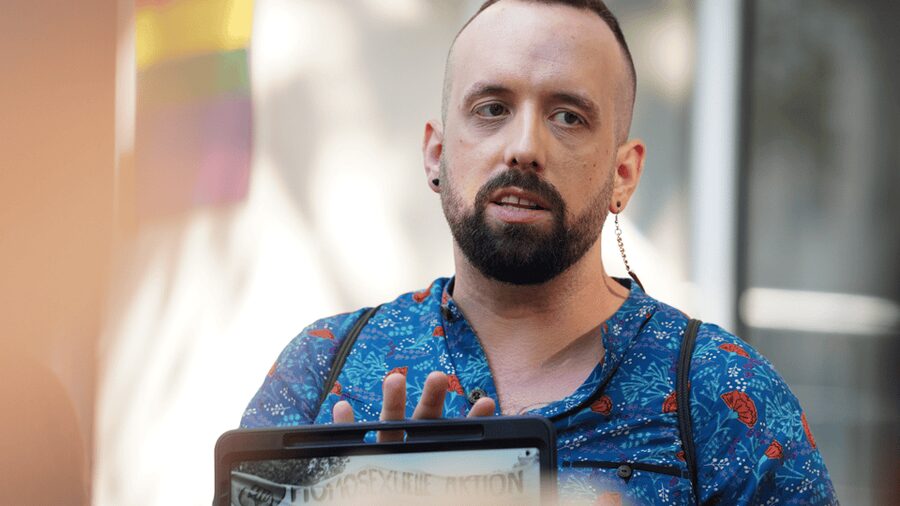
After the early and cultural chapters, the tour shifts to Nazi Germany and how queer life was policed. It covers the persecution of queer people, the concentration camp reality, and the contradictions in Nazi leadership around sexuality.
What matters here is not only what happened, but what survived. The tour includes the theme of queer resistance under the Nazis, and it emphasizes that survival took many forms, from maintaining identity in dangerous conditions to protecting community knowledge.
This section may be emotionally tough. The tour includes content notes about antisemitism, racism, homophobia, transphobia, queerphobia, and mass murder. You should take the sensitivity warning seriously. If you are someone who gets overwhelmed by moral horror, plan to pause and breathe when the story turns most brutal.
AIDS crisis and activism in divided Berlin, plus the Wall as a symbol
The tour continues into the AIDS crisis and shows how Berlin’s LGBTQIA+ community fought for survival during that period. It references SchwuZ as an activist hub, which you can file away because it connects history to a specific place name you might see in today’s Berlin scene.
It also includes the story about why the Berlin Wall was called the condom of the GDR. You’ll likely hear that line explained as a metaphor tied to GDR-era life, and it gives the tour a “people can joke and cope” angle without turning suffering into a punchline.
This chapter helps you understand why modern activism did not start in a vacuum. It was built on earlier movements, and it kept evolving as new crises arrived.
Pride, clubs, and how today’s Berlin scene connects to earlier activism
One of the tour’s strengths is that it does not treat modern nightlife as separate from history. The tour explicitly connects Berlin’s queer influence to global club culture and Pride movements, including references to Pride and the Dyke March, plus Folsom Europe.
You’ll hear about the club scene shaped by LGBTQIA+ culture, with named examples including Chez Romy Haag and Berghain. The point is not to turn the tour into a venue list for nightlife planning. The point is to show continuity: culture created space, and space created visibility, and visibility created organizing power.
And yes, you also get to participate in AR selfie moments. Those AR Mixies with historic figures are a fun way to keep your brain engaged while you shift from heavy topics to present-day references.
Walk-by-walk: what each stop is doing in the story
The tour’s stops are short and purposeful. You’ll spend about 10 to 20 minutes at most locations, with each one acting like a chapter marker. Here is how the route functions as a storyteller’s map.
- Alnatura Super Natur Markt (Else-Lasker-Schüler-Straße 18): your starting point, then the guide sets the tone and gears you up for the blend of facts plus interactive media.
- Karl-Heinrich-Ulrichs-Straße: early movement and the Ulrichs start of the modern LGBTQIA+ rights arc.
- A short detour at a lesser visited spot: the guide uses this kind of pause to shift themes and set up the next major neighborhood story.
- Schwerinstraße: a mid-route storytelling beat, tying the timeline to the city’s fabric and movement between eras.
- Nollendorfstraße: a transition area, used to keep the timeline grounded as you move closer to the nightlife and community references.
- Magnus-Apotheke: a longer stop, so expect more context and more media moments here than at the shortest breaks.
- Denns BioMarkt: another urban marker used by the guide to connect present-day streets with past identity life.
- Prinz Eisenherz: a stop that supports the nightlife and community threads in the overall arc.
- Connection Club: a direct tie to nightlife energy, fitting with the tour’s focus from early scenes to today.
- Internationale Stele GEGEN DAS VERGESSEN: a memorial-style stop, used to emphasize remembrance and what the Nazis tried to destroy.
- Metropol: another nightlife or cultural anchor used to bridge Berlin’s past influence with what you can still sense today.
- Finish back at Nollendorfplatz: you end where you started, easy for you to get food or transport without scrambling.
Because the tour is designed with interactive AR and audio clips, these stops are less about landmark sightseeing and more about story cues. It is a timeline walk with a phone in your hand, not a photo scavenger hunt.
The guide’s teaching style: included, funny, and willing to face hard parts
One reason people love this tour is the balance. It can be informative, interactive, and funny without pretending the history is light. In small-group settings, humor can act like a pressure valve, helping you absorb difficult content without shutting down.
Jeff also makes inclusion a priority. That shows up in the way the tour feels paced for a group of 10, and in how participants are encouraged to stay part of the process, not just listen. The result is a tour where you get attention, and you can ask questions instead of feeling like you are on a schedule-shaped conveyor belt.
If you’re worried you’ll be talked over or left behind, the small group structure is a good sign.
Who should book this tour, and who should think twice
This tour is a strong fit if you want:
- A queer and trans history orientation that stays rooted in real places
- A guide who treats the topic seriously and uses multiple media formats
- A chance to connect 1920s stories to Nazi persecution, then to AIDS activism, then to present-day nightlife and Pride
It is not a fit if:
- You need child-friendly content. The tour explicitly says it is not suitable for children under 18.
- You are not prepared for intense material. The tour includes discussion of antisemitism, racism, homophobia, transphobia, and Nazi Germany, plus sexualized violence and other sensitive subjects.
Also keep in mind the sensory notes. Bright lights and loud noises can come up in parts of the route, and video subtitles vary by language in German, English, or both. If you have sensory sensitivities, plan accordingly.
Practical tips so you can enjoy it (and not fight the details)
Here are the simple things that make a big difference on a 3-hour walking tour like this:
- Wear comfortable clothes and shoes built for a bumpy route.
- Bring weather-appropriate clothing since most of it is outdoors.
- Expect video content with subtitles in German, English, or both.
- If you have visual disabilities, the guide can describe all visual materials.
- If mask usage becomes necessary indoors for health and safety, the guide can arrange it.
One more small tip: if you’re planning your day, give yourself time before or after for reflection. The subject matter moves fast through eras, and taking a few minutes to decompress afterward can help the facts stick.
Should you book Where It All Began: Berlin’s Queer and Trans History Tour?
I think you should book this tour if you want Berlin beyond postcards, and you want queer and trans history told with real archival media and modern tools like AR. The format turns learning into doing, and the small group size helps you feel connected to the story instead of processed as background.
Skip it if you know you cannot handle the content notes. This tour does not shy away from antisemitism, Nazi persecution, HIV/AIDS, transphobia, and sexualized violence. If your day is better suited to lighter sightseeing, you’ll probably feel it too strongly.
If you do book, go in with the right mindset: you are walking through remembrance, activism, and nightlife culture as one continuous thread. And when you take AR Mixies selfies with historic figures, you’re not just collecting a photo. You are making the past part of your own map of Berlin.
FAQ
How long is the Berlin queer and trans history tour?
The tour lasts 3 hours.
Where does the tour start?
You meet at Nollendorfplatz, in front of Alnatura Super Natur Markt on Else-Lasker-Schüler-Straße 18.
Is the tour in English?
Yes, the live tour guide speaks English.
How large is the group?
The tour is a small group limited to 10 participants.
Does the tour include AR selfies?
Yes. You’ll take AR selfies with Augmented Reality elements called Mixies.
Is the tour wheelchair accessible?
The route is described as wheelchair accessible, though some paths may be bumpy. Accessible toilets are available upon request.
Is the tour suitable for children?
No. It is not suitable for children under 18.
Recently added around Berlin
- Ultimate E-Bike Tour of Berlin with Beer Garden Stop★ 5.0 · 4 reviews
- Berlin: guided canoe | kayaktour★ 4.1 · 7 reviews
- Understanding Kreuzberg: The roots of local (sub)culture★ 4.9 · 11 reviews
- Warnemuende Shore Excursion: Private Berlin Tour★ 4.5 · 27 reviews
- Your ticket to The Wall Museum Berlin★ 3.0 · 60 reviews
- Love and War in Berlin: Self-Guided Story Puzzle Walk★ 5.0 · 7 reviews
- eSIM for Germany and 34 European Countries★ 4.5 · 16 reviews
- Walking on the Wall: 3-Hour Tour in Berlin★ 4.5 · 34 reviews
Queer Berlin History Tours, compared.
Berlin’s Gay, Lesbian, and Queer Scene Small-Group Walking Tour
Read our review →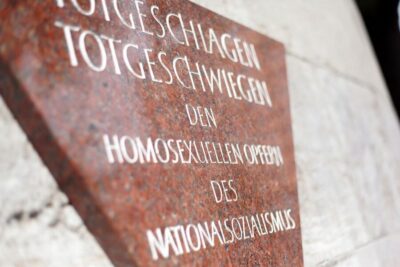
Where It All Began: Berlin’s Queer & Trans History Tour
Read our review →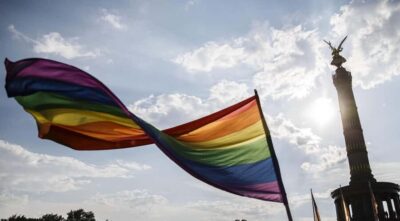
Street Art & Berlin Gay, Queer, Trans History + Free Gay Map
Read our review →
Queer Berlin Tour: Birthplace of LGBTQ+ Movements
Read our review →Browse the lists this tour appears in