
Reviewed · QUEER BERLIN HISTORY TOURS
Queer Berlin Walking Tour
Berlin is often called the queer capital of Europe, but this walk makes that idea tangible by putting you in the streets where safety, visibility, and repression all collided. I like tours that treat this as real urban history, not a checklist, and this one does that by connecting Schöneberg to the wider city in a way you can actually picture.
Two things I really like are the way you get specific places tied to specific people, like where Magnus Hirschfeld helped support queer and transgender lives, and where Berlin’s LGBTQ story was attacked by state power. I also like the tone, it mixes serious facts with entertaining side stories so the walk stays moving and readable.
One possible drawback is simple: it is still a walking tour. If you hate long stretches, this may feel like more work than you planned, so pack light, bring water, and plan for some time on your feet.
Key Things You Will Notice on This Walk
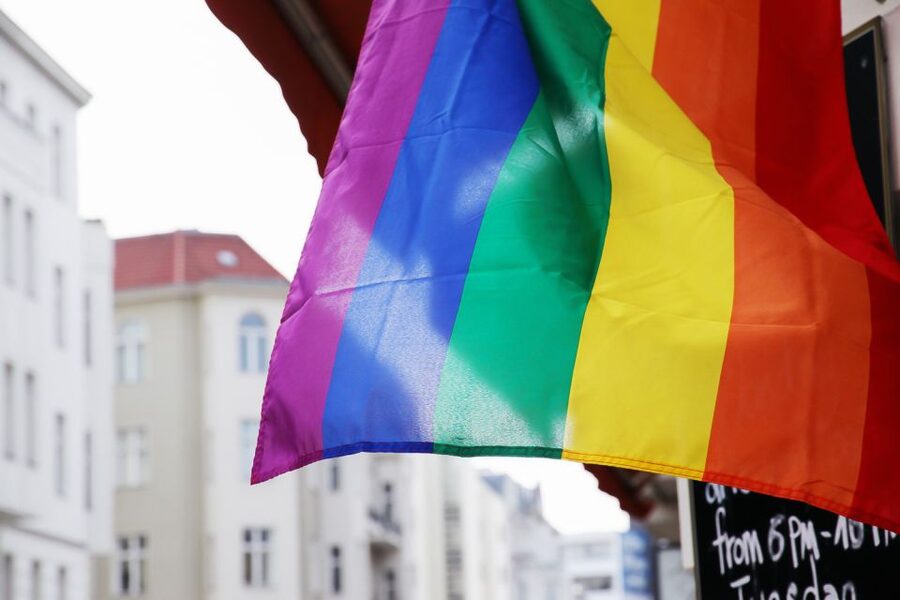
- Schöneberg as the core setting for queer community history, daily life, and resistance.
- The former Eldorado bar site, tied to Berlin’s older queer and trans scene.
- Tiergarten as a meeting place, including its connection to the Berlin Wall.
- Hirschfeld’s Institute for Sexual Science, including how it was shut down in 1933 and how its library was destroyed during Nazi book burnings.
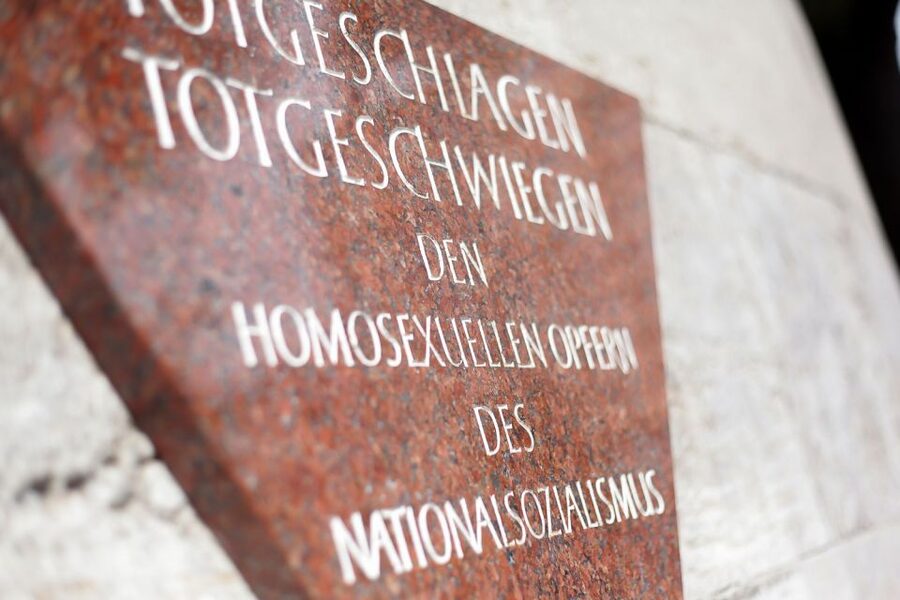
- Nazis persecution memorial stop, focused on the homosexuals sent to concentration camps.
- A bridge from monarchy to modern politics, from Friedrich the Great to Klaus Wowereit.
A Queer Map of Berlin, From Schöneberg to the Tiergarten
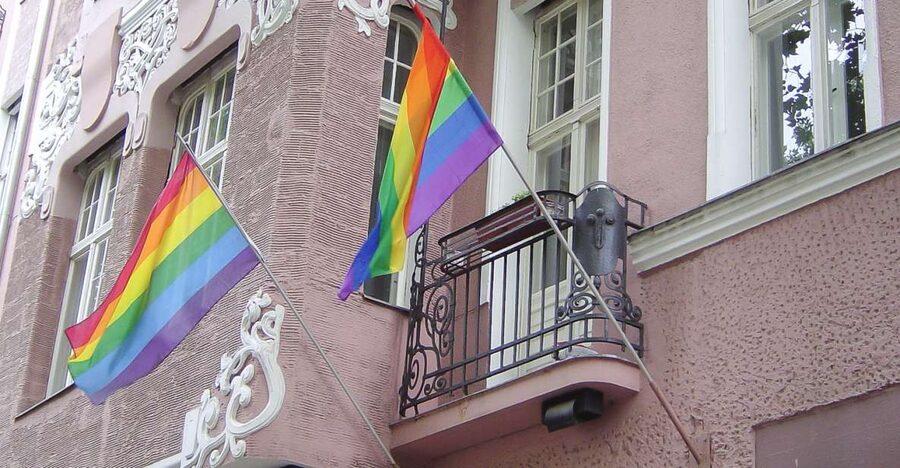
This tour works because it treats queer history like city geography. You’re not just hearing dates, you’re walking between landmarks that explain why Berlin’s LGBTQ story became so visible, then so dangerous, then so politically determined.
The main thread runs from Schöneberg, Berlin’s iconic gay neighborhood, through the Tiergarten, a famous meeting spot in the city. Along the way, you connect personal stories to laws, activists to backlash, and nightlife to survival.
It also helps that the tour is priced in a way that keeps it realistic for a day with other plans. At $23 per person for 3.5 hours, you’re paying for an English-speaking guide plus the time it takes to explain complicated history clearly on foot.
More queer Berlin history tours:
- Berlin: Gay Berlin Out in Schöneberg Walking Tour
★ 4.8 · 281 reviews - Berlin’s Gay, Lesbian, and Queer Scene Small-Group Walking Tour
★ 4.5 · 66 reviews - Where It All Began: Berlin’s Queer & Trans History Tour
★ 5.0 · 27 reviews
Schöneberg: Why This Neighborhood Became a Center of Queer Life
Schöneberg is where this tour gives you the best sense of how queer life turned into something public. The walk anchors you in a neighborhood tied to community building, nightlife, and the constant negotiation with authorities.
You also get a straight shot at the legal climate that shaped lives for decades, including the notorious “Section 175” penal code, which criminalized male homosexuality for many years after World War 2. That matters because it explains why meeting places mattered so much, and why visibility carried risk.
As you move through Schöneberg, the tour points out cultural touchstones too. You hear about where Marlene Dietrich lived and worked, and how figures like Christopher Isherwood and Otto Dix chronicled Berlin’s cabaret and nightlife scene. Even when the facts are heavy, the framing stays grounded in places you can stand in.
One small practical thing: expect street-level context. You’ll be walking through a real neighborhood where things keep changing, so the story is tied to streets rather than to a single museum room.
The Eldorado: Berlin’s Old Queer and Trans Bar, and Why It Still Haunts the Streets
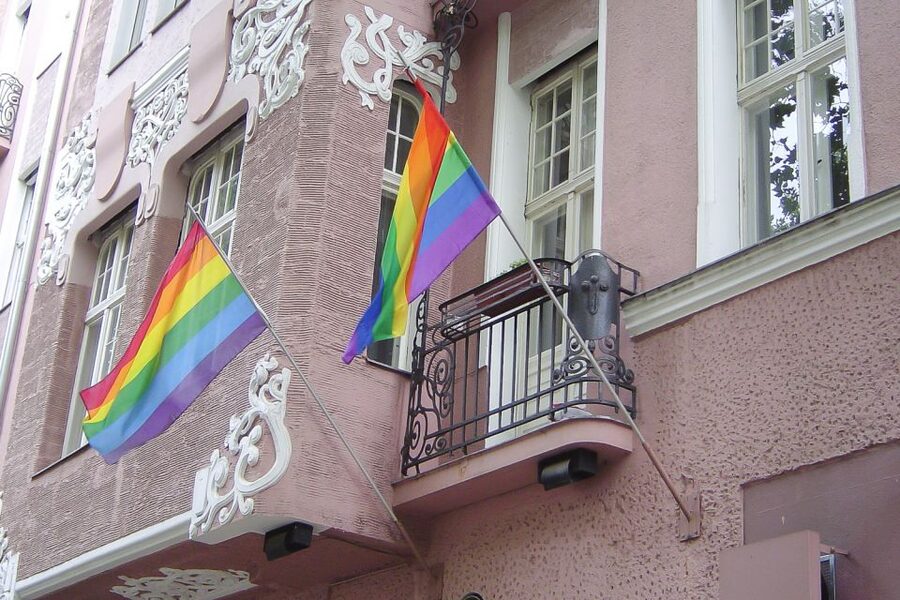
One of the highlights is the stop at the site of the former Eldorado, described as one of Berlin’s oldest queer and transvestite bars. This is the kind of location that feels like a footnote until your guide explains what it meant to people who had limited options.
What I like here is that the story isn’t just nostalgia. It’s a reminder that nightlife and community spaces were also life-support systems. Bars offered social safety, information, and belonging, especially for people who were frequently denied respect elsewhere.
In a city shaped by division, these kinds of spaces also become historical evidence. You learn to look at a street corner and ask, what happened here when being queer was illegal or socially punished? The Eldorado stop prompts that exact question.
Hirschfeld, the Institute for Sexual Science, and the Cost of Progress
Then the walk shifts from neighborhood life to activism and institutional change, centered on Magnus Hirschfeld. This is where the tour earns its “must-do” reputation because it connects queer history to modern ideas about science, rights, and public policy.
You’ll learn about the Institute for Sexual Science, including how it was shut down in 1933. The tour also covers a particularly brutal detail, the institute’s library was destroyed during the Nazi book-burnings. It’s the kind of moment that makes you understand that oppression is not only violence, it is also erasure.
This stop is also about support. The guide frames Hirschfeld’s work as practical help for queer and transgender people who needed assistance and community in a hostile world. That angle matters because it avoids turning history into a distant moral story. You see how progress can be attacked, and you see what it looked like before it was crushed.
More walking tours in Berlin:
- Discover Berlin Half-Day Walking Tour
★ 5.0 · 9,624 reviews - Berlin: Third Reich and Cold War 2 Hour Walking Tour
★ 4.9 · 6,830 reviews - Berlin: Discover Berlin Walking Tour
★ 4.9 · 5,998 reviews - Berlin’s Best: 2 Hour Walking Tour Third Reich and the Cold War
★ 5.0 · 5,486 reviews
Nazis, Persecution, and the Memorial You Cannot Walk Past
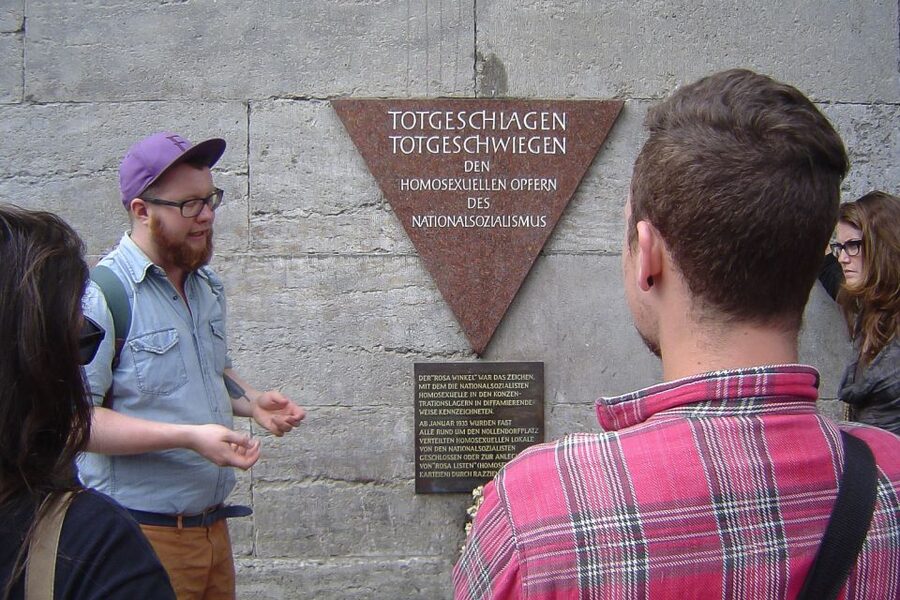
Berlin’s twentieth-century queer story is inseparable from Nazi persecution, and the tour handles this with a careful, direct approach. You visit a memorial to homosexuals persecuted by the Nazis and sent to concentration camps.
This part of the walk is quieter and heavier. The value is not only remembrance, it is understanding how state power can turn identity into a criminal label. When you’ve just heard about earlier activism and meeting places, the memorial lands harder because you understand the break in the timeline.
The tour also connects the Nazi-era repression to broader historical contradictions. You hear about how queer lives intersected with power figures, including stories that range from Friedrich the Great to an openly gay Nazi leader. That range can feel unsettling, but it’s also useful, because it shows how identity and ideology can clash in real people and real systems.
Tiergarten Under the Berlin Wall: A Meeting Place With Political Gravity
Next you shift to the Tiergarten, described as Berlin’s best-known gay meeting spot. The setting matters because it was not just a leisure space, it was a social stage where queer people could find each other.
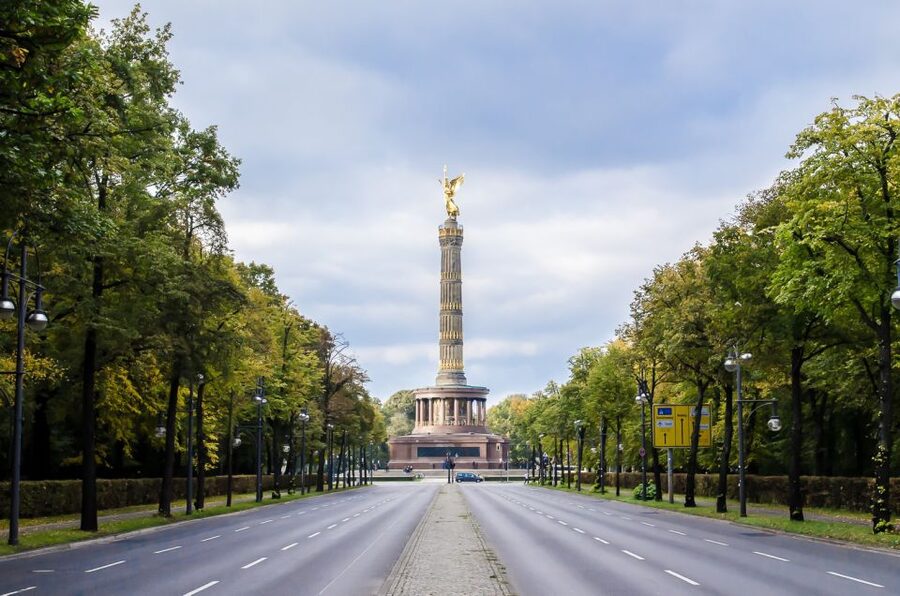
The tour points out that the Tiergarten sits in the shadow of the Berlin Wall. That detail turns a park walk into political history. You can see how even the most ordinary everyday movement got shaped by who controlled Berlin, and by what was allowed.
This is also where the walk becomes a long view of how queer Berlin influenced the city. You hear that queer figures shaped Berlin’s history from the Prussian era through today, including mention of Klaus Wowereit. It’s a reminder that progress in Berlin did not come from one heroic moment. It came from layers of people pushing, organizing, and surviving across generations.
Guide Energy, Group Pace, and How to Prepare
A big part of what makes a walking tour work is the guide’s voice and flexibility. The experience is designed around an English-speaking guide (and live German may be available), and you’ll spot them by a blue Original Berlin Walks name badge.
From the range of guides who have led this tour, the consistent theme is strong research paired with a sense of humor that does not erase the hard parts. People also mention that guides are willing to answer questions, including ones that come up mid-walk. That matters because queer history is complicated, and you often want context specific to your own curiosity.
I also appreciate that the tour runs in all weathers. Berlin can change fast, so bring a layer and plan for rain. Closed-toe shoes are smart because you’re on sidewalks and paths for about 3.5 hours.
And yes, it is a real walking day. One practical tip: bring a snack and something to drink, especially if you’re pairing this with other plans. Even if you’re fit, history walks add up.
Price and Value for 3.5 Hours in the City
At $23 per person, this tour is positioned as strong value compared to tours that are shorter, or those that rely on entry fees to justify the cost. Here, you get a guided narrative across multiple key locations tied to queer and trans history, plus broader Berlin context that helps you understand the “why,” not just the “what.”
It’s also a good deal because the tour includes the guide, and you’re not paying extra for entrance fees as part of the base package. The one catch is that entrance fees are not included if any optional stops require them.
You’ll also appreciate what you’re buying: time with an expert who can connect legal changes, neighborhood culture, and the Nazi-era rupture into a route you can remember. This is the kind of tour where the value is in explanations that make the city feel coherent.
What You Might See Beyond the Main Stops
This is one of those tours where you should expect small variations in what the guide emphasizes. Some routes may include additional stops tied to wider queer history themes, like sites connected to lesbian bar locations or cemetery connections to people who died from HIV/AIDS.
You should treat those as possible add-ons rather than guarantees. The core promises are the Schöneberg focus, the Eldorado site, Hirschfeld’s story, the Nazi persecution memorial, and the Tiergarten connection to queer meeting life.
In other words, you’re not going to be left with vague narration. You’re walking a defined geographic story with room for the guide to adjust details.
Who This Walk Suits Best
This tour is ideal if you want queer Berlin history in a way that feels practical and grounded. You’ll enjoy it if you like:
- walking tours that connect politics to daily life
- history told through places, laws, and community spaces
- a balance of serious context and entertaining anecdotes
It also suits travelers who want to understand modern Berlin without treating it like a separate world. This walk ties the late 19th-century pioneering reputation to later repression, then to modern political figures and queer visibility.
If you want something that is purely celebratory, this may feel too honest for that. But if you want the truth, with respect and clarity, this is the right tone.
Should You Book the Queer Berlin Walking Tour?
I’d book it if you want a high-value way to learn queer Berlin that you can carry with you long after the tour ends. The route choices make sense: Schöneberg gives you neighborhood context, the Eldorado site keeps the story human, Hirschfeld adds depth on activism and support, the memorial anchors the consequences, and the Tiergarten ties it back to everyday community life.
I’d think twice if you hate walking or if you need frequent seating and breaks. Plan for time on your feet and pack like you mean it, shoes, water, and a layer for weather changes.
Bottom line: for $23 and 3.5 hours, you get a route that turns Berlin into a readable queer map, with real places that explain how progress and persecution shaped the city.
FAQ
How long is the Queer Berlin Walking Tour?
The tour lasts about 3.5 hours.
How much does the tour cost?
The price is $23 per person.
Where does the tour take place?
It takes place in Berlin (State), Germany, focusing on Schöneberg and walking through the Tiergarten.
What language is the guide?
The tour offers a live guide in English and German.
Is the tour affected by weather?
The tour runs in all weathers.
Is an entrance fee included?
No. Entrance fees are not included.
What is included in the price?
The tour includes an English-speaking guide.
Can I cancel and get a refund?
Yes. You can cancel up to 24 hours in advance for a full refund.
Recently added around Berlin
- Berlin Private Custom Walking Tour With A Guide (Private Tour)★ 4.5 · 8 reviews
- One Up to 3 Rickshaws(6 GUESTS)-Taylor Made Rickshaw Berlin Tour★ 5.0 · 20 reviews
- Moonshine Comedy – English Stand Up Comedy by the bay★ 5.0 · 11 reviews
- Private Half-Day Berlin Sightseeing Tour with a Minivan Including Short City Walks★ 5.0 · 31 reviews
- Private taxi tour to Potsdam and Sanssouci 6-8h★ 5.0 · 30 reviews
- Private City Kickstart Tour: Berlin★ 4.5 · 71 reviews
- Private tour of Berlin★ 5.0 · 15 reviews
- Private Walking Tour: Behind the Iron Curtain and Berlin Wall★ 5.0 · 10 reviews
Queer Berlin History Tours, compared.

Berlin’s Gay, Lesbian, and Queer Scene Small-Group Walking Tour
Read our review →
Where It All Began: Berlin’s Queer & Trans History Tour
Read our review →
Street Art & Berlin Gay, Queer, Trans History + Free Gay Map
Read our review →
Queer Berlin Tour: Birthplace of LGBTQ+ Movements
Read our review →Browse the lists this tour appears in