
Reviewed · QUEER BERLIN HISTORY TOURS
Berlin: Gay Berlin Out in Schöneberg Walking Tour
Berlin is a city where you can read big ideas off the street corners, and Schöneberg gives you a very direct way in. I like how the walk ties queer life to specific addresses around Nollendorfplatz and Motzstraße.
I also like the way the guide, Tobias, brings the people behind the places to life, with archive images and a humorous, human storytelling style. One drawback to plan around: it is a steady 2.5-hour walking format, and there is no food or drink included.
Key Tour Takeaways
- Nationalhof as a turning point: You’ll see where the gay rights movement gathered and gained momentum.
- Motzstraße and El Dorado: Learn why this cabaret scene mattered, then stand right by the site.
- Nightlife landmarks in context: Places like the Hollandais club and Kleist Casino are explained as part of a wider map.
- Christopher Isherwood on Nollendorfstraße: You’ll connect literature to the later Gay Liberation movement.
- From the interwar years to West Berlin: The tour traces how the area changed after the Nazi rise, then came back as West Berlin’s only gay district starting in the late 1960s.
- Tobias keeps it personal: The best moments often come from his anecdotes, plus flexibility for questions and comfort breaks.
Why Schöneberg, Nollendorfplatz, and Motzstraße Matter
Schöneberg sits in Berlin like a chapter you can actually walk through. This tour focuses on the area around Nollendorfplatz, where the city’s queer story took shape in public life, not just in private memory. You’re not only seeing old façades. You’re learning how community formed around venues, meeting points, and the social energy of particular streets.
The tour’s strength is that it doesn’t treat gay history as a museum topic. It treats it like urban geography. You learn why certain blocks became magnets, how interwar nightlife fit into politics and rights, and how the neighborhood later reassembled itself in West Berlin after the upheavals of the 20th century.
And because the sites are close together, the walk feels focused rather than scattered. You’ll connect the dots between day-to-day streets and the places where people found each other. That makes the experience especially useful if Berlin is your first stop on a longer trip, or if you want queer history without hopping across the whole city.
More queer Berlin history tours:
- Berlin’s Gay, Lesbian, and Queer Scene Small-Group Walking Tour
★ 4.5 · 66 reviews - Queer Berlin Walking Tour
★ 4.7 · 64 reviews - Where It All Began: Berlin’s Queer & Trans History Tour
★ 5.0 · 27 reviews
What You’ll See on the Walk Around Nollendorfplatz (2.5 Hours)
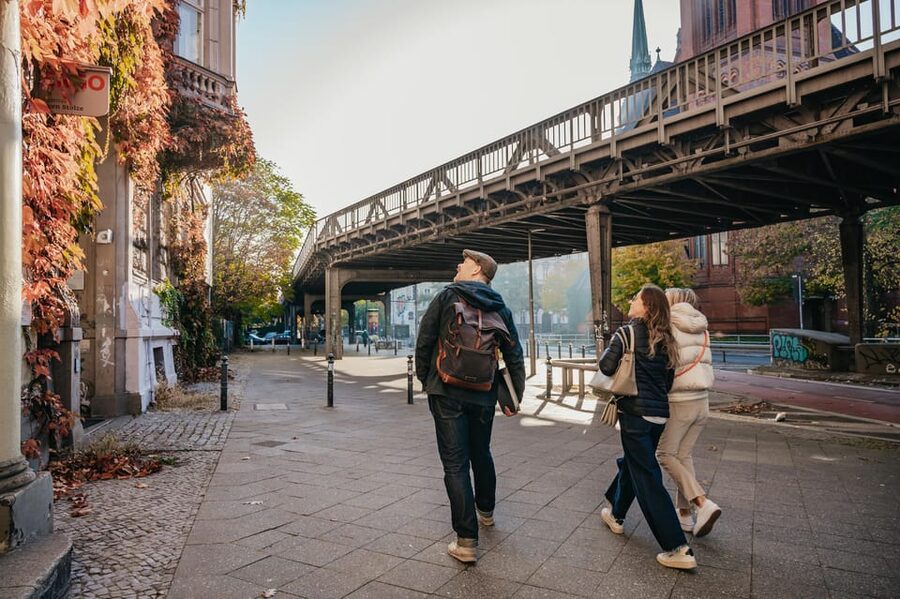
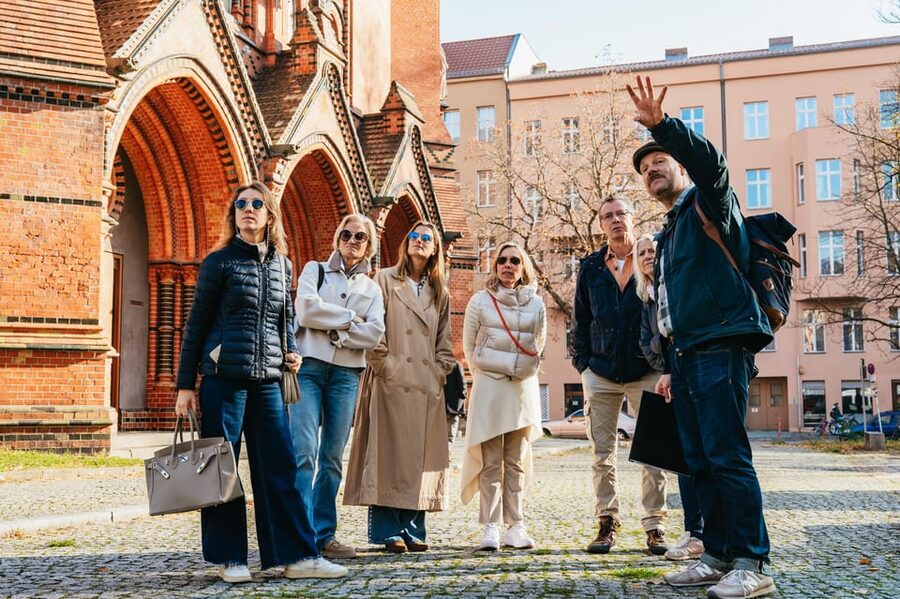
This is a 2.5-hour guided walking tour, and it works best if you go with “history in motion” expectations. You’ll move at a comfortable walking pace between key addresses, with enough time to pause, look up, and ask questions.
You’ll start in the Nollendorfplatz area, and from there the guide threads together several layers of the neighborhood:
- the interwar years, when queer communities found room to grow after World War I
- the rise of the Nazi era and what that pressure meant for public queer life
- the neighborhood’s later resurgence as West Berlin’s only gay district starting in the late 1960s
- the more recent, everyday life you can still spot along streets today
The included experience is simply the tour and the live guide. That matters because you should plan to supply your own energy. This is not a “coffee plus history” format, so build in your own water and consider a snack before you start.
Language options are German and English, which is a big deal here. Queer history has nuance, and Tobias’s storytelling style relies on you catching the details, not just the dates.
Nationalhof: The Heartbeat of the Gay Rights Movement
One of the tour’s anchor stops is the location of the Nationalhof. The guide frames it as the kind of place that helped change social life, not only nightlife. It’s presented as part of the broader gay rights story that grew during the 1920s.
Why this stop hits: Berlin’s queer history is often told as a sequence of names and venues. Nationalhof gives you a different angle. It shows how organizing and public visibility were tied together. Standing near the site helps you picture how movement energy translated into real gathering spaces.
The tour also gives context for the “in-between” years. You don’t just get a timeline that skips from interwar optimism to Nazi repression. You get a sense of how cultural life and rights efforts overlapped, then how later generations carried that memory forward in new forms.
If you like history that explains how people built power, not only what happened to them, you’ll probably feel that Nationalhof is the strongest emotional and intellectual center of the whole route.
Motzstraße, El Dorado Cabaret, and the Places People Partied with Purpose
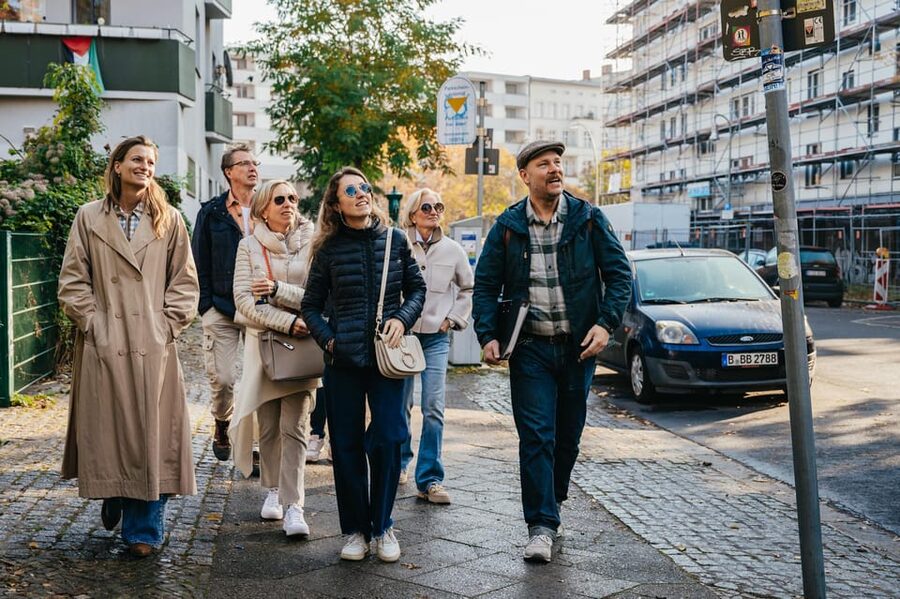
Next you move toward Motzstraße, where the tour points out the site of the famed El Dorado cabaret club. This is not treated as trivia. Cabaret mattered because it created a public stage for queer-coded performance, social mixing, and cultural visibility.
From there, the guide connects the dots to other key venues you’ll hear about along the way, including the Hollandais club and the Kleist Casino. These names sound like nightlife landmarks, but the tour pushes you to see them as part of a functioning neighborhood system.
Here’s what makes this segment work for you:
- You learn why certain venues became safe enough to bring people back.
- You understand how the neighborhood’s social scene interacted with politics.
- You get a sense of how later eras rebuilt that same “place-making,” even when the cultural rules changed.
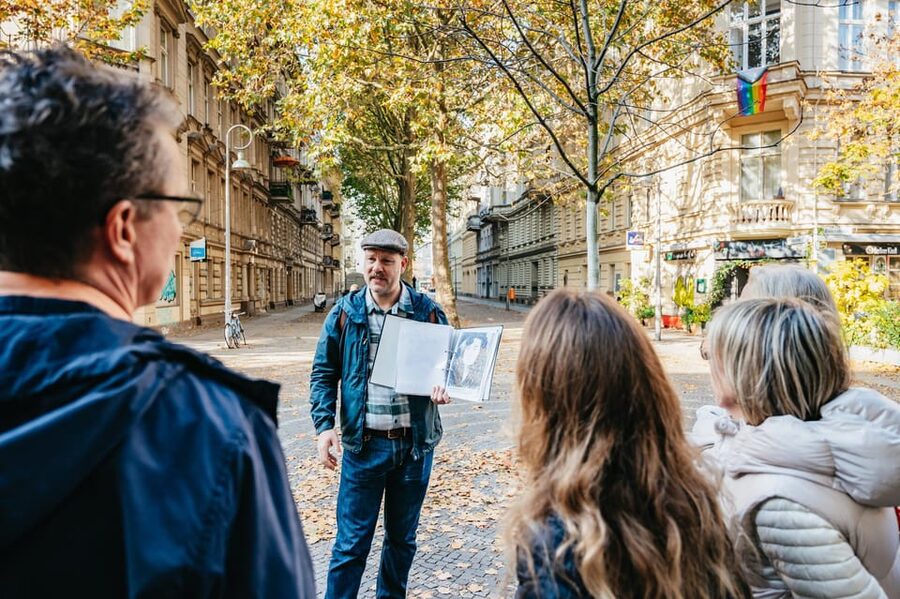
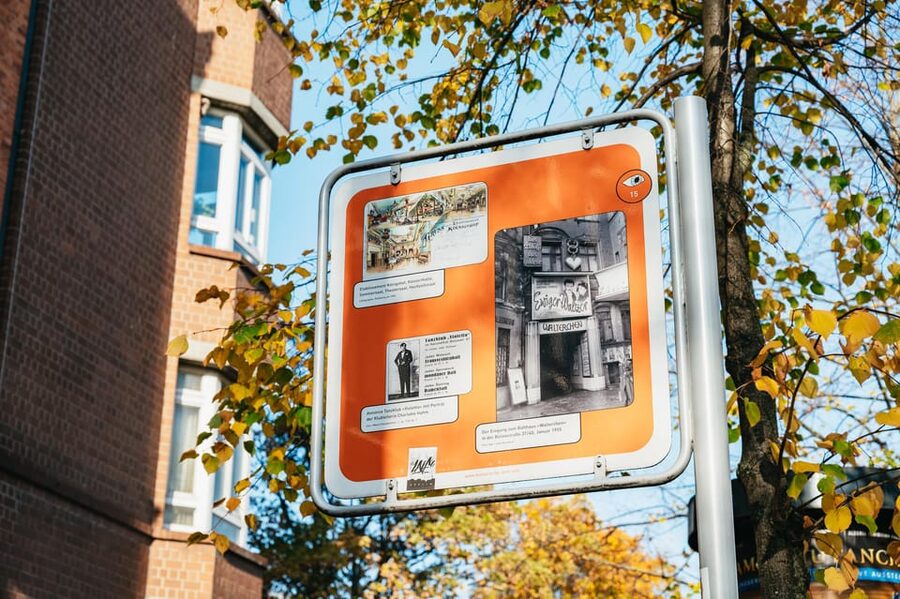
Also, Tobias uses images and text to help the places make sense. Several visitors highlighted how archive photos and written material added an extra layer. In practice, it helps your brain stop treating these as distant legends and start seeing them as human-scale environments.
A small caution: you’re outside and walking. If it’s raining, windy, or very cold, you’ll want to dress for the weather because this part of the story lands best when you’re able to pause and look closely.
More walking tours in Berlin:
- Discover Berlin Half-Day Walking Tour
★ 5.0 · 9,624 reviews - Berlin: Third Reich and Cold War 2 Hour Walking Tour
★ 4.9 · 6,830 reviews - Berlin: Discover Berlin Walking Tour
★ 4.9 · 5,998 reviews - Berlin’s Best: 2 Hour Walking Tour Third Reich and the Cold War
★ 5.0 · 5,486 reviews
Christopher Isherwood on Nollendorfstraße, Schwerinstraße, and Eisenacher Straße
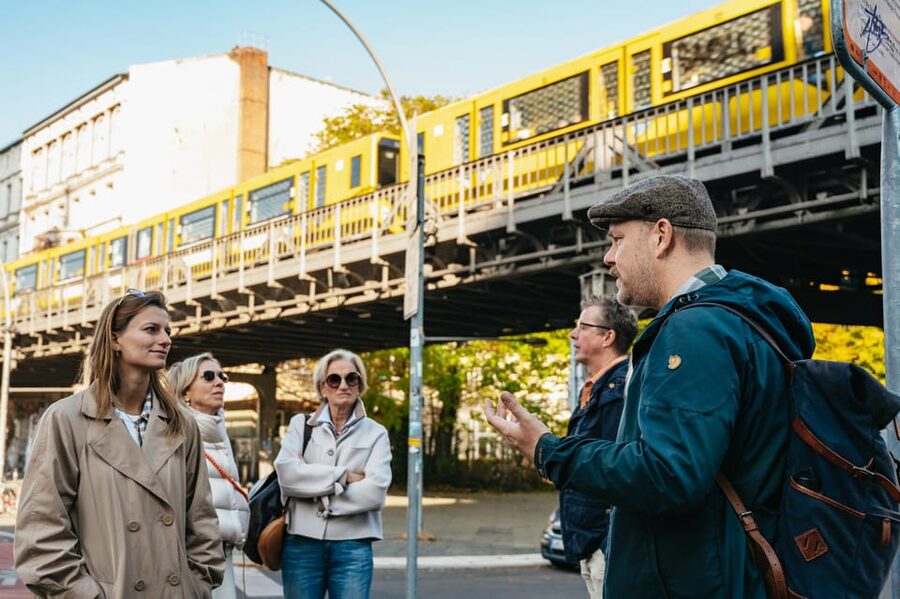
A memorable stop is the former home of novelist Christopher Isherwood on Nollendorfstraße. The guide links Isherwood’s writing to the later Gay Liberation movement, explaining why literature helped shape identity and public conversation beyond Berlin.
Why I think this matters for you, especially if you’re not a “stand in front of plaques” person: Isherwood gives the tour a bridge between physical streets and cultural influence. You’re not just learning who went out where. You’re learning how stories traveled from one place to another and helped later generations find language.
The walk also moves into the neighborhood’s later evolution, including the lesbian quarter on Schwerin Straße. That detail is important. It broadens the story beyond one community and helps you understand the district as a network of queer lives, not just one scene.
Then you’ll stroll along Eisenacher Straße, where the tour connects the past with everyday street life that still feels mixed and lived-in. This part is more observational than museum-like. You’re watching how a neighborhood continues after trauma, pressure, and political change.
If you want a tour that ends with a feeling of “this is still a place people live,” not just “this used to exist,” this final stretch is the payoff.
Price, Guide Style, and Practical Tips for a Comfortable Walk
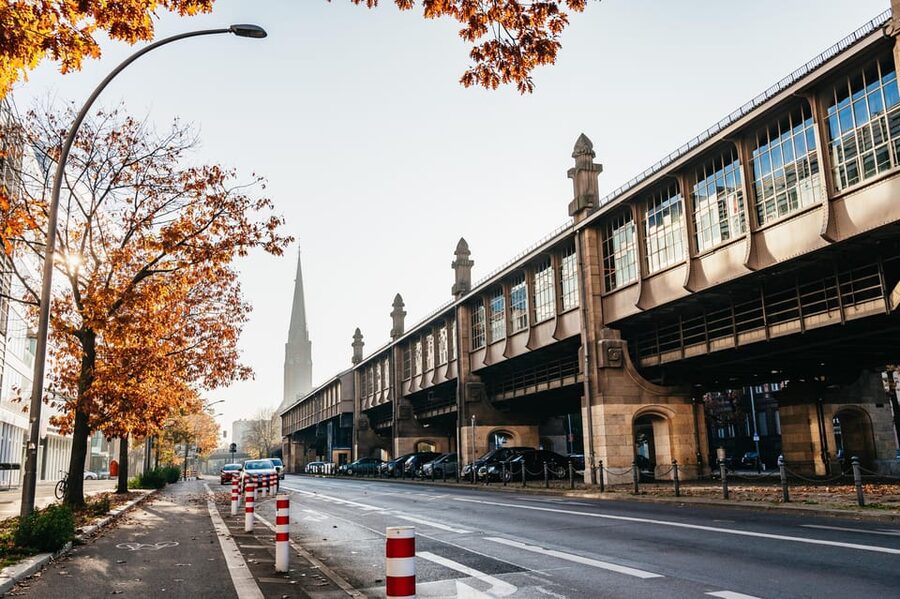
At $23 per person for a 2.5-hour guided walking tour, the value is strong because you’re paying for a focused local guide rather than museum entry fees or transport add-ons. You also get a highly specific theme: queer Berlin history anchored to Schöneberg addresses, not a generic city overview.
The big reason the experience earns such strong ratings is the guide style. Tobias is repeatedly praised for being:
- engaging and funny without turning serious topics into jokes
- able to answer questions as you go
- prepared with archive visuals, so facts land more clearly
- attentive to pacing, including comfort stops when needed
That “attention to pacing” is practical. A tour like this works when you can stand, listen, and then walk again without fatigue taking over your brain. If your trip is jam-packed, this is a good way to get a concentrated, meaningful lens on Berlin in one morning or early afternoon.
A few practical tips so you enjoy it more:
- Wear comfortable walking shoes. This is a neighborhood walk where your feet do the work.
- Bring a water bottle. There’s no food or drink included.
- If you’re sensitive to heavier historical themes, you can still go at your own pace by asking questions or taking short breaks during pauses.
- Consider bringing your phone for photos of street details and façades. The story is tied to real places, and visual memory helps.
Should You Book This Schöneberg Gay Berlin Tour?
Book it if you want Berlin queer history with street-level specificity. You’ll get Nationalhof, the El Dorado site on Motzstraße, the Hollandais and Kleist Casino context, plus the Christopher Isherwood connection to later cultural change. It’s focused, timed well for a first or second day, and guided in English or German.
Skip it only if you strongly prefer seated attractions or you need built-in food stops. This is a walk first, and you bring your own snacks. If that works for you, this is one of the better-value ways to understand why Schöneberg became such an important queer district in the world’s imagination.
FAQ
How long is the Berlin Gay Berlin Out in Schöneberg Walking Tour?
The tour lasts 2.5 hours.
How much does the tour cost?
The price is $23 per person.
Is the tour guided, and what languages are offered?
Yes, it includes a live tour guide. Languages are German and English.
Where does the tour start?
The meeting point may vary depending on the option booked, so check the specific option you select.
What is included in the price?
The included parts are the walking tour and the guide.
Is food or drinks included?
No, food and drinks are not included.
Is the tour wheelchair accessible?
Yes, it is listed as wheelchair accessible.
Are there cancellation options?
There is free cancellation up to 24 hours in advance for a full refund.
Can I reserve without paying right away?
Yes, you can reserve now and pay later.
Recently added around Berlin
- Berlin Private Custom Walking Tour With A Guide (Private Tour)★ 4.5 · 8 reviews
- One Up to 3 Rickshaws(6 GUESTS)-Taylor Made Rickshaw Berlin Tour★ 5.0 · 20 reviews
- Private Half-Day Berlin Sightseeing Tour with a Minivan Including Short City Walks★ 5.0 · 31 reviews
- Private taxi tour to Potsdam and Sanssouci 6-8h★ 5.0 · 30 reviews
- Moonshine Comedy – English Stand Up Comedy by the bay★ 5.0 · 11 reviews
- Private City Kickstart Tour: Berlin★ 4.5 · 71 reviews
- Private tour of Berlin★ 5.0 · 15 reviews
- Private Tutankhamun’s Tomb Live Escape Room in Berlin★ 3.5 · 11 reviews
Queer Berlin History Tours, compared.

Berlin’s Gay, Lesbian, and Queer Scene Small-Group Walking Tour
Read our review →
Where It All Began: Berlin’s Queer & Trans History Tour
Read our review →
Street Art & Berlin Gay, Queer, Trans History + Free Gay Map
Read our review →
Queer Berlin Tour: Birthplace of LGBTQ+ Movements
Read our review →Browse the lists this tour appears in