
Reviewed · SACHSENHAUSEN MEMORIAL VISITS
Berlin: Sachsenhausen Concentration Camp Bus Tour in English
Berlin to Sachsenhausen works because it is not just a bus ride and a museum stop. You get the rare combo of road context and a focused walk through key areas of a place that was built to control people with brutal efficiency. I love that the tour is guided by a licensed guide, and I love that the air-conditioned bus handles the transfer so you spend your limited time in the right place, the memorial itself.
One consideration: the guided time at Sachsenhausen is about 2 hours, so it’s a strong “see the core sites and understand the system” visit, not a slow, all-day read of everything on your own. Bring comfortable shoes and pace yourself, because the subject matter is heavy even when the delivery is respectful and clear.
Key things I’d circle before you go
- A bus transfer that saves you from extra walking in Berlin and at the memorial area
- A guided walkthrough that connects Sachsenhausen to the wider Nazi camp system
- Oranienburg drive-by context, including where prisoners would have worked
- Key memorial highlights like Tower A, crematoria, gas chamber, and the execution trench
- Infirmary barracks where experimentation took place, plus punishment and isolation areas
Sachsenhausen by Bus: What You Actually Get in 4 Hours
This is a half-day experience designed to fit real Berlin schedules, without cutting the important parts. You leave central Berlin, ride out in a private air-conditioned vehicle, and then spend concentrated time at the Sachsenhausen Memorial with a professional, licensed guide.
The biggest value is not the transport alone. It’s how the guide frames what you see. Sachsenhausen was the first concentration camp designed and constructed from the ground up, with a strategic plan focused on maximum control and expansion. That context matters because it turns the site from a list of buildings into an explanation of how the Nazi camp system functioned.
At the memorial, you’ll move through major sites, including areas tied to killings, punishment, and the medical experiments that occurred during the war. You’ll also learn how Germany acknowledges and teaches this past today, which is part of why Sachsenhausen remains so important.
Other Sachsenhausen memorial visits:
- Berlin: Sachsenhausen Concentration Camp Tour in English
★ 5.0 · 5,711 reviews - Berlin: Sachsenhausen Concentration Camp Memorial Tour
★ 4.7 · 3,716 reviews - Sachsenhausen Concentration Camp Bus Tour in English from Berlin
★ 5.0 · 1,962 reviews
Meeting at Friedrichstraße and Finding Your Guide With the Yellow Umbrella
You start outside Friedrichstraße train station, on the square between the Tränenpalast (Palace of Tears) and the station. Your guide will be easy to spot if you look for the blue lanyard and the yellow name tag, plus the yellow umbrellas.
That detail sounds small, but it saves stress. Friedrichstraße can feel busy, and you do not want to be sprinting while everyone else boards. Give yourself a little buffer so you can meet your group calmly, then settle into the bus ride.
One more practical note: hotel pickup is not part of the standard plan. If you booked a private option, pickup is handled for you, but otherwise you should plan to meet at Friedrichstraße.
The Road to Sachsenhausen: Oranienburg, Work Details, and the Camp System
The ride is about 50 minutes each way, which makes the timing feel reasonable even on a busy Berlin itinerary. On the way out, your guide uses the bus time for more than small talk. You’ll drive through Oranienburg and see where inmates would have worked.
That drive-by matters because it helps you picture the camp as part of a larger machine. A concentration camp was not isolated. It connected to forced labor, administration, and the daily routines that were designed to break people physically and psychologically. When you later see what happened inside, those road cues make the story click faster.
You’ll also hear how Sachsenhausen fit into the broader network of camps. The guide discusses the history and role of the camp system, including how figures like Heinrich Himmler shaped the modern concentration camp model. The point is not just names and dates. The point is understanding the system behind the cruelty.
And yes, you can bring a camera. Just remember: you’re visiting a memorial, so keep your focus respectful and follow your guide’s pacing.
Inside the Memorial: Tower A, Gas Chamber, Crematoria, and the Execution Trench
Once you arrive, you step into the memorial and join the guided walk. The guided time is about 2 hours, and the itinerary focuses on the places that best explain how the camp operated.
Here are the core sites you can expect to see, in the kind of sequence that usually works best for learning:
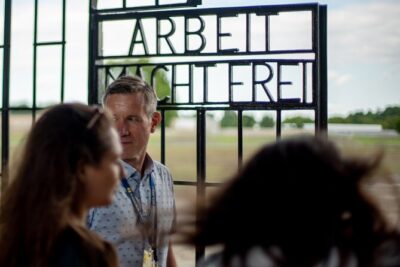
- Tower A and the camp entrance message, with Arbeit Macht Frei still visible above the gateway area. It is one of those details that hits hard because it was propaganda wrapped around terror.
- The commandant’s house, a chilling reminder that this was run by people who treated mass murder and control as an administrative project.
- The gas chamber area, part of the mechanism of extermination within the camp system.
- The crematoria, tied to the disposal and processing of victims.
- The execution trench, another place that grounds the story in the brutal realities carried out on-site.
As you walk, the guide connects the dots between structure, function, and victim experience. You’ll hear about the interior of the camp and learn that 35,000 people were murdered and/or died of disease within the camp. That number is part of why this is such an important stop. It shows the scale of suffering, including deaths from sickness that were fueled by confinement and deprivation.
This is also where the guide’s tone matters. You’re not just looking at buildings. You’re learning a history that is deeply tied to human rights, and the best guides keep that balance of factual clarity and respect.
Still in Berlin, but a different kind of day:
- Berlin: Reichstag, Dome and Government District Guided Tour
★ 4.7 · 18,288 reviews - Berlin: 1-Hour City Tour by Boat with Guaranteed Seating
★ 4.3 · 16,993 reviews - Berlin: Boat Tour Along the River Spree
★ 4.4 · 11,252 reviews - Discover Berlin Half-Day Walking Tour
★ 5.0 · 9,624 reviews
The Infirmary Barracks, Experiments, and Brutal Prisoner Treatment
The tour does not stop at the obvious killing sites. It also spends time on areas that explain the cruelty of daily life and the ways victims were exploited even in what looked like medical spaces.
You can expect to see:
- Infirmary barracks, where experimentation took place during the war
- Isolation and punishment-related areas, which help explain how prisoners were controlled through fear, confinement, and punishment
- Brutally treated prisoner spaces, described through the camp’s routines and administrative ruthlessness
For me, this portion of the visit is one of the most important, because it shows how the camp system blurred lines between labor, punishment, and pseudo-scientific cruelty. When you see infirmary spaces in context, you start to understand why concentration camps were not only about forced work. They were also about domination, suffering, and a warped ideology that treated human beings as subjects to use and dispose of.
Guides often highlight that this was a place built for maximum control and expansion. The infirmary areas are a stark example of how “control” extended beyond guarding bodies to exploiting bodies.
If you’re the type who likes to ask questions, bring that curiosity. Many guides on this route are praised for answering questions thoughtfully and keeping the tone sensitive, which helps when the subject matter gets emotionally intense.
Why the Guide and the Memorial Map Are Part of the Value
This is where the $49 price makes sense. You’re paying for more than a transfer and a ticket. The tour includes:
- a professional licensed guide
- transportation by private air-conditioned vehicle
- the memorial entry
- a €3 donation per person to the Sachsenhausen Memorial
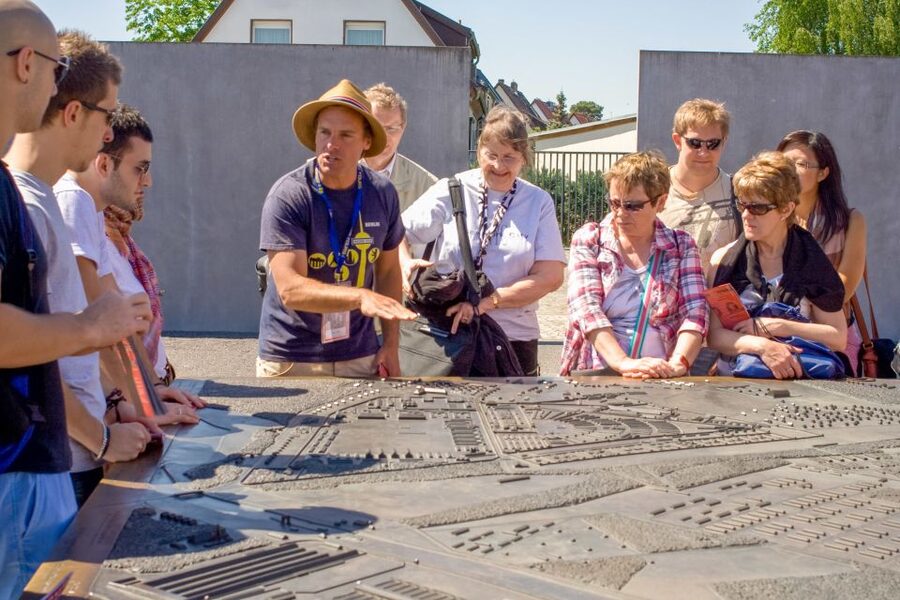
- a map of the former concentration camp
That donation detail is small on the invoice, but meaningful in practice. It shows the tour is meant to support the preservation and education mission of the memorial.
The map is also underrated. During or after a focused guided walk, it helps you keep track of what you saw and why it mattered. Even a quick reference can prevent the experience from blurring into a general feeling of “I saw a lot of grim things.” The guide’s narrative plus the map helps turn the visit into something you can remember and explain.
Also, the bus format is a practical win. Several guides are noted for sharing context during both directions of the trip, which means you get more learning time without stretching the day into something exhausting.
Practical Tips That Make the Tour Easier (and Better)
This site demands comfort, because you’ll be walking and standing. The basics matter:
- Wear comfortable shoes.
- Dress for the weather. You’ll be outside for meeting and walking portions.
- Bring a camera if you want photos.
- Bring a light snack and a drink. The visit is a half-day, and you’ll be happier if you’re not energy-depleted.
- Alcohol and drugs are not allowed.
Language is also worth noting. The tour provides live guiding in English and Spanish. If English is your goal, you’ll typically find the explanation clear and well paced, and the best guides make time for questions without making you feel rushed.
Finally, think about your emotional stamina. This is not a “quick history lesson.” It’s a structured encounter with the machinery of mass violence. Plan a lighter evening after, and if you’re visiting another memorial in Berlin or nearby, consider spacing those visits rather than stacking them back to back.
Should You Book This Sachsenhausen Concentration Camp Bus Tour?
Book it if you want a smart, time-efficient way to visit Sachsenhausen with a guided explanation of the camp’s role in the Nazi camp system. The bus format is a real quality-of-life upgrade, and the combination of key sites, strong context, and a memorial map makes it easier to leave with understanding, not just images.
Skip this one or consider a different format if you know you need far more than 2 hours on site. If you prefer slow wandering, lots of independent reading, and extra time to process, you may want a longer visit option instead.
If you’re balancing a full Berlin trip and want the most meaningful version of a half-day, this is a solid choice. Get good walking shoes on, bring water and a snack, and let the guide do what guides do best here: make the history clear, and keep the experience respectful.
FAQ
How long is the Sachsenhausen bus tour from Berlin?
The total duration is 4 hours.
What is included in the price?
You get a licensed guide, round-trip transportation by private air-conditioned vehicle, Sachsenhausen Memorial entry, a €3 donation per person to the memorial, and a map of the former concentration camp.
Is the tour in English?
Yes, it offers live guiding in English (and also Spanish).
Where do we meet the guide?
Meet outside Friedrichstraße train station on the square between the Tränenpalast (Palace of Tears) and the station. Guides wear a blue lanyard and a yellow name tag and carry yellow umbrellas.
What time and pickup options are available?
Starting times depend on availability. Hotel pickup is not included in the standard option, but pickup is optional for private options only, where the guide picks you up about 5 minutes before the tour begins.
Will we have time for questions?
You can ask questions during the guided portion. The tour is run by a professional guide and is designed for a group experience.
What will we see during the guided visit?
The guided tour includes major areas of the camp such as Tower A, the commandant’s house, crematoria, gas chamber, execution trench, infirmaries, isolation and punishment-related areas, and infirmary barracks where experimentation took place.
Do I need to pay an extra fee at the memorial?
No additional memorial entry fee is listed. The €3 donation per person to the Sachsenhausen Memorial is included.
What should I bring?
Bring comfortable shoes and a camera. Also bring a light snack and a drink, and wear weather-appropriate clothing.
Is anything not allowed on the tour?
Alcohol and drugs are not allowed.
Recently added around Berlin
- Berlin Private Custom Walking Tour With A Guide (Private Tour)★ 4.5 · 8 reviews
- One Up to 3 Rickshaws(6 GUESTS)-Taylor Made Rickshaw Berlin Tour★ 5.0 · 20 reviews
- Moonshine Comedy – English Stand Up Comedy by the bay★ 5.0 · 11 reviews
- Private Half-Day Berlin Sightseeing Tour with a Minivan Including Short City Walks★ 5.0 · 31 reviews
- Private taxi tour to Potsdam and Sanssouci 6-8h★ 5.0 · 30 reviews
- Private City Kickstart Tour: Berlin★ 4.5 · 71 reviews
- Private tour of Berlin★ 5.0 · 15 reviews
- Private Walking Tour: Behind the Iron Curtain and Berlin Wall★ 5.0 · 10 reviews
Sachsenhausen Memorial Visits, compared.
Sachsenhausen Concentration Camp Tour in English
Read our review →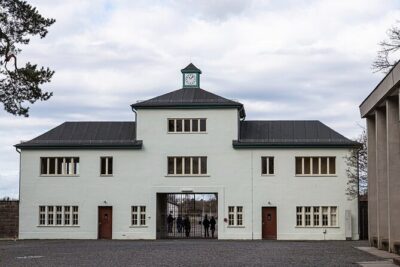
Sachsenhausen Concentration Camp Memorial Tour
Read our review →
Sachsenhausen Concentration Camp Bus Tour in English from Berlin
Read our review →Sachsenhausen Concentration Camp Tour in English
Read our review →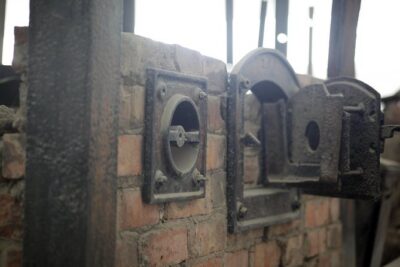
Sachsenhausen Concentration Camp Memorial Tour (Max. 15 Guests)
Read our review →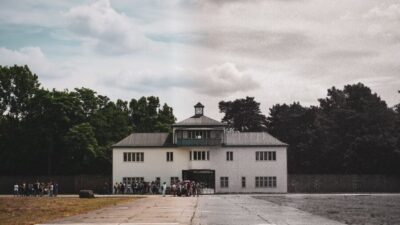
Sachsenhausen Concentration Camp and Potsdam Tour
Read our review →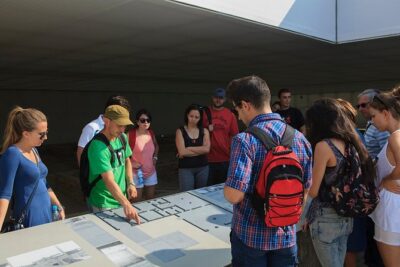
Visita en español al campo de concentración Sachsenhausen
Read our review →Browse the lists this tour appears in