
Reviewed · SACHSENHAUSEN MEMORIAL VISITS
Berlin: Sachsenhausen Concentration Camp Memorial Tour
Sachsenhausen is one of those places that forces history to feel real, not like something from a textbook. This Berlin to memorial tour uses a licensed guide for the full route, starting with a train ride out of the city and continuing into the camp grounds at a careful, respectful pace. I like that you start with context, so what you see at Tower A and the barracks makes sense as part of a system, not random horror.
Two things I especially like are the clear, structured walkthrough of the most important areas, and the guide support that helps you stay oriented, even when it is cold and you have a lot to take in. People can leave feeling shaken, and that is normal. One consideration is that it is a heavy subject, and the site is not set up for wheelchair users or people with mobility impairments.
Key moments you should circle in your mind
- Tower A and the entrance area, including the famous Arbeit macht frei sign as you begin
- Barracks 38 and 39, focusing on Jewish prisoners and the extreme confinement they faced
- Punishment cells, plus the infirmary and morgue, where cruelty was systematized
- Station Z, where many executions took place (you will see the remains)
- A memorial landscape that changed over time, ending with the Soviet memorial built in 1961
- A guide who stays with you from Berlin, helping with trains back and keeping the day organized
Why Sachsenhausen from Berlin feels different than a museum
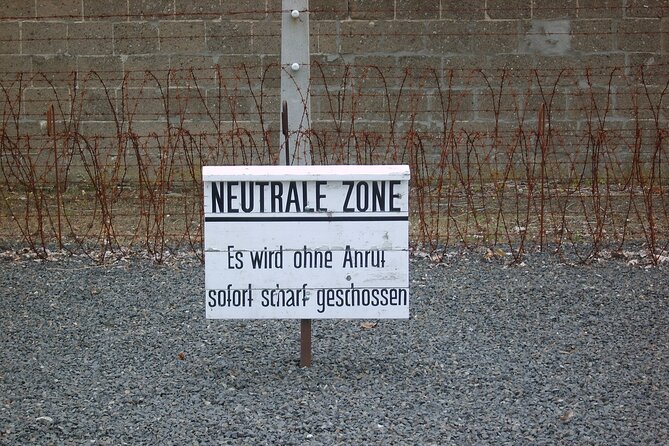
Sachsenhausen sits near Berlin, so it can work as a serious half-day add-on without losing your whole trip. What makes it gripping is that it is not staged behind glass. You walk parts of the grounds and read the story through monuments, preserved spaces, and explanations that connect the dots.
I also appreciate how the tour frames the camp’s role. You do not just get dates. You get the camp’s origins and purpose, and how it was used as a model camp for Nazi control. That matters because it helps you understand the logic behind the cruelty, not just the cruelty itself. It is also why the tour starts before you arrive, with background during the ride.
The other reason this tour works is that it is guided start to finish, which keeps you from drifting into the wrong kind of attention. A lot of sites are quiet and overwhelming. Here, the guide’s job is to keep the information steady, the questions handled, and the tone respectful.
Other Sachsenhausen memorial visits:
- Berlin: Sachsenhausen Concentration Camp Tour in English
★ 5.0 · 5,711 reviews - Sachsenhausen Concentration Camp Bus Tour in English from Berlin
★ 5.0 · 1,962 reviews - Berlin: Sachsenhausen Concentration Camp Tour in English
★ 4.8 · 1,889 reviews
Getting there from Alexanderplatz: the train ride is part of the show
The meeting point is easy: your guide waits next to the World Time Clock at Alexanderplatz, wearing Buendía accreditation. From there, you take a scenic train ride to the memorial. The practical win is simple. Someone else manages the “how do we get there together” part, and you use that travel time for orientation.
Before you step onto camp grounds, your guide gives the foundation: where Sachsenhausen fits in Nazi Germany’s concentration camp system and why the site became so significant. You also learn about how the memorial has been built up over time, with different monuments reflecting different ideologies and eras. That is a key idea because you will be looking at the physical record left behind, plus later layers of remembrance.
One logistical note you need to plan for: train tickets are not included. You must buy an ABC zone ticket in advance for the ride. You can purchase it at ticket machines in stations or online on Berliner Verkehrsbetriebe’s website. If you skip this, the day can turn annoying fast, and you do not need that stress right now.
Tower A and the entrance: when the tour starts telling you what to notice
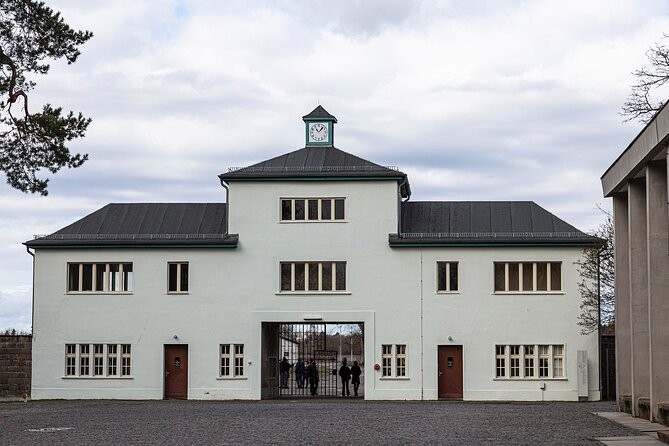
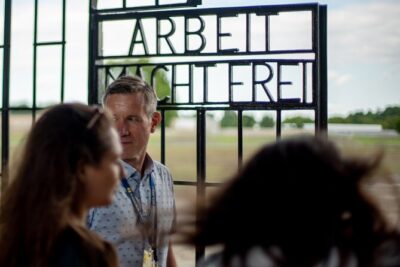
Once you arrive, you begin at Tower A. This is the main entrance area, and you will see the famous Arbeit macht frei sign. The entrance itself sets the tone. The guide uses it as a starting point to explain how prisoners were processed and controlled, and why the camp’s design mattered.
This is also where the tour’s structure becomes useful. Without structure, you might try to photograph everything or rush. With structure, you start seeing patterns: where power was concentrated, where people were kept, and how movement was controlled.
You stay focused on the meaning of each place, not only the emotional impact. And yes, that emotional impact is real. But it is easier to hold when you know what you are looking at.
Barracks 38 and 39: cramped spaces, and the museum approach that helps you understand
Next up are Barracks 38 and 39, where Jewish prisoners were held in extremely cramped conditions. Barracks 38 is now used as a museum, so you get a more interpretive view of daily life under confinement. The tour takes time to connect the building to the human reality inside it.
Barracks 39 plays a complementary role. Even without going into every exhibit, the tour’s explanation helps you understand what these barracks represented in the camp’s routine. Together, these stops teach you how the camp functioned at the level of rooms, schedules, and enforced proximity.
A small but important detail: the tour does not rush past these spaces. You walk, listen, and absorb. That pacing is one reason this tour gets such strong marks for being respectful, and it is also why the subject feels more comprehensible.
Still in Berlin, but a different kind of day:
- Berlin: Reichstag, Dome and Government District Guided Tour
★ 4.7 · 18,288 reviews - Berlin: 1-Hour City Tour by Boat with Guaranteed Seating
★ 4.3 · 16,993 reviews - Berlin: Boat Tour Along the River Spree
★ 4.4 · 11,252 reviews - Discover Berlin Half-Day Walking Tour
★ 5.0 · 9,624 reviews
Punishment cells and the dark machinery of minor offenses
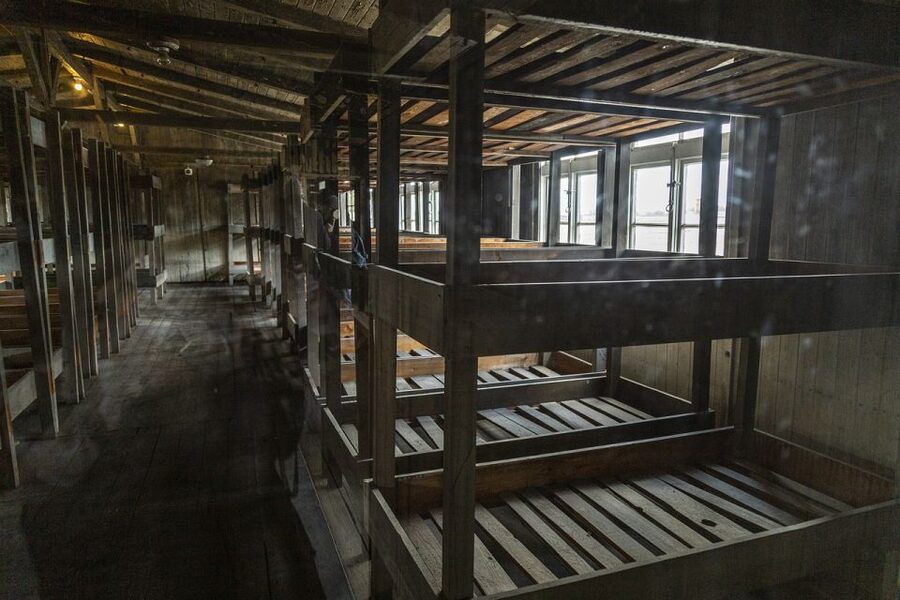
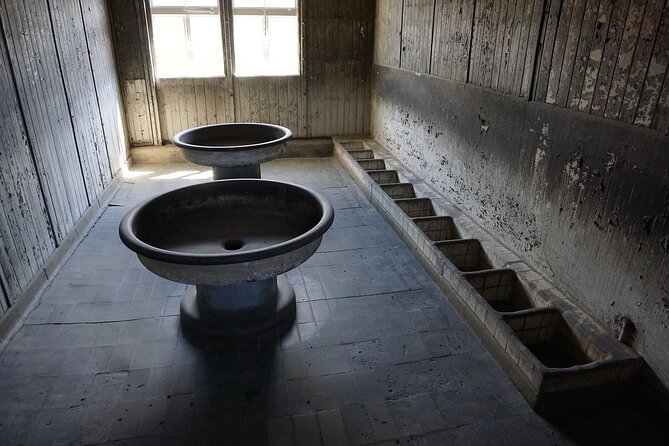
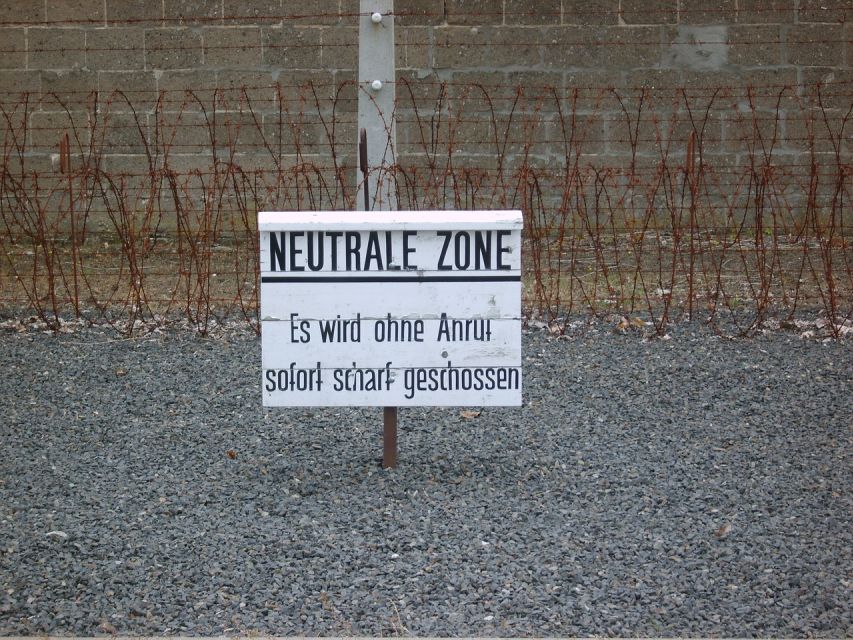
After the barracks, you visit the original punishment cells, places where prisoners were detained for minor offenses. This is one of the stops that can feel especially cold because it shows how the system punished constantly, not just at the big, obvious moments.
If you want a takeaway, it is this: the camp did not rely only on mass violence. It relied on control at every level, including discipline for small things. The guide’s explanations help you see punishment as part of maintaining fear and obedience.
It is not a stop designed for comfort. Wear shoes you can stand in, and give your brain a moment to process what you are hearing before you move on.
Infirmary, morgue, and the prisoner kitchen museum: the place where cruelty had procedures
The tour includes a visit tied to medical abuse: cruel medical experiments connected to the infirmary and morgue. This is not delivered as sensational story time. It is presented as a system of exploitation that used medicine’s authority for harm.
Then comes the former prisoner kitchen, now a museum that highlights key moments in the camp’s history. This is a different angle from the punishment spaces. Here, the emphasis is on life conditions, resources, and how basic needs were controlled and manipulated.
I like that this part gives you balance. You see the violence of punishment and execution, then you see the daily mechanics that made survival harder. The message becomes clearer: this was an engineered environment for degradation.
Station Z and the Soviet memorial from 1961: seeing the camp’s afterlife
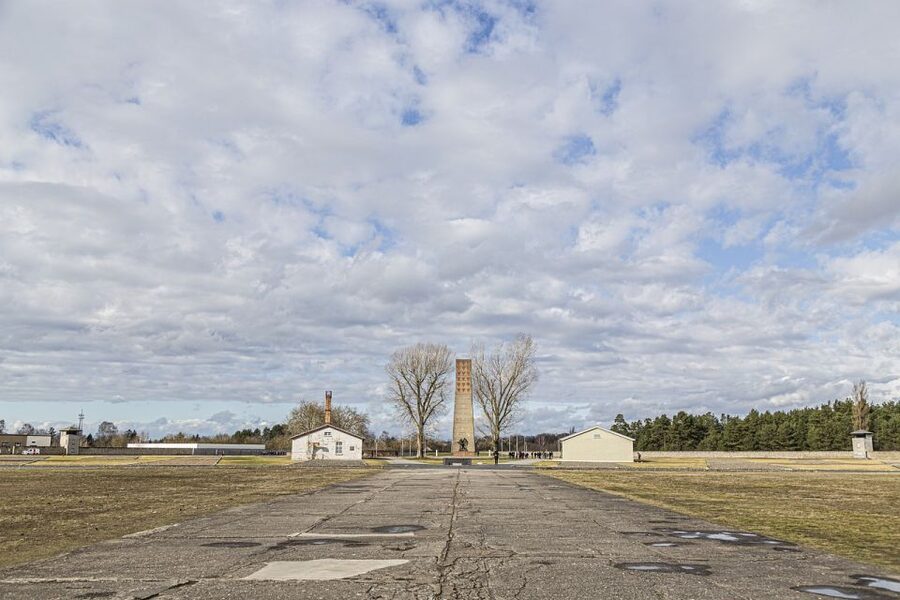
You will also see the remains of Station Z, where many executions took place. Even when the physical remains are limited, the guide’s explanation connects the site to the scale of what happened. This stop often lands hardest because it is the clearest point tied directly to killing.
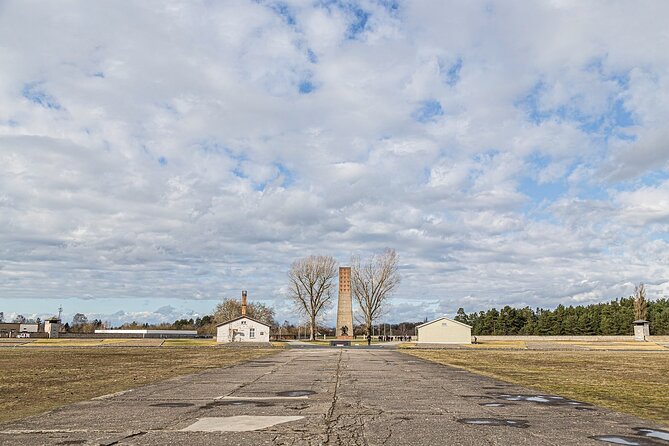
After that, the tour moves into remembrance and historical layering. You visit the Soviet memorial built in 1961, reflecting the camp’s role after World War II. This is where you see how memory politics shaped what was emphasized and how the story was framed in different eras.
You also get the earlier idea reinforced: memorials do not appear in a vacuum. They are built over time, shaped by the ideologies and priorities of the moment.
How long is 5 hours, and what to do with your “own time” at the end
The tour runs for 5 hours, including your train ride from Berlin and the guided time at the memorial. This is a good length if you want an in-depth experience without sacrificing your entire day. It also means you will spend enough time walking to absorb the major areas, but you still get an exit plan.
At the end, you can choose to return to Berlin by train with your guide’s help, or stay longer at the memorial on your own. I like the option because it lets you match your energy level. If you are running on adrenaline and questions, you can stick around. If you are mentally tapped out, you can go back with the group.
For your own comfort, I strongly suggest comfortable shoes. The site requires standing and walking. Also bring snacks, since you do not want hunger to become the loudest thing in your head.
Price and value: what $21 buys you in real terms
The price is listed at $21 per person for a 5-hour guided experience. Entrance to the memorial is small on its own, but the real value is the guide doing the heavy lifting.
You get:
- A professional guide who accompanies you from Berlin
- Guided explanations throughout the key sites
- Entrance fee to Sachsenhausen memorial included (3€)
- Skip-the-line access via a separate entrance
What is not included is the train ticket. Still, the cost adds up well if you consider what you would otherwise try to figure out alone: the order of stops, the meaning of each site, and how to handle the transition from Berlin travel into a heavy, structured visit.
For me, this is the difference between seeing Sachsenhausen and understanding Sachsenhausen. The guide is what turns a visit into a coherent story.
Language options: choose the guide that helps you follow the details
The tour offers live guide in Spanish, English, German, French, and Italian. If you pick a language you are comfortable with, you will catch more nuance, especially in the explanation of camp operations and later memorial layers.
I also like that the tour is designed to keep questions in range. Many guides associated with this experience are described as engaging and respectful in how they handle topics, so you are not left guessing when something feels confusing.
Who this tour suits best, and who might rethink it
This is a strong fit if you:
- Want a guided visit to a major WWII memorial site
- Prefer structure, context, and respectful explanations
- Plan to manage a full half-day with transport, walking, and focused listening
It is not suitable for people with mobility impairments or wheelchair users. If accessibility is a concern, you will want to choose a different option that matches your needs.
Also keep in mind: the content is emotionally heavy. This is not a casual outing. If you are dealing with stress, grief, or burnout, you might want to plan a calmer day before and after, so you have space to process.
Should you book this Sachsenhausen tour from Berlin?
Yes, if you want the best chance of leaving with understanding, not just images. The combination of a Berlin pickup at Alexanderplatz, train ride context, skip-the-line access, and a full guided walkthrough of the major areas is exactly what makes this work.
I would say book it if you care about clarity and respectful pacing. Guides associated with this tour are often praised for being organized, helpful with transport, and careful with the tone of difficult facts, which helps you feel steadier in a place that can overwhelm you.
Skip it or look for another format if accessibility is an issue, or if you know you need a lighter mental load than a structured confrontation with the machinery of Nazi persecution. For most people, though, this is one of those Berlin experiences that earns its seriousness.
Recently added around Berlin
- Berlin Private Custom Walking Tour With A Guide (Private Tour)★ 4.5 · 8 reviews
- One Up to 3 Rickshaws(6 GUESTS)-Taylor Made Rickshaw Berlin Tour★ 5.0 · 20 reviews
- Moonshine Comedy – English Stand Up Comedy by the bay★ 5.0 · 11 reviews
- Private Half-Day Berlin Sightseeing Tour with a Minivan Including Short City Walks★ 5.0 · 31 reviews
- Private taxi tour to Potsdam and Sanssouci 6-8h★ 5.0 · 30 reviews
- Private City Kickstart Tour: Berlin★ 4.5 · 71 reviews
- Private tour of Berlin★ 5.0 · 15 reviews
- Private Tutankhamun’s Tomb Live Escape Room in Berlin★ 3.5 · 11 reviews
Sachsenhausen Memorial Visits, compared.
Sachsenhausen Concentration Camp Tour in English
Read our review →
Sachsenhausen Concentration Camp Bus Tour in English from Berlin
Read our review →Sachsenhausen Concentration Camp Tour in English
Read our review →
Sachsenhausen Concentration Camp Memorial Tour (Max. 15 Guests)
Read our review →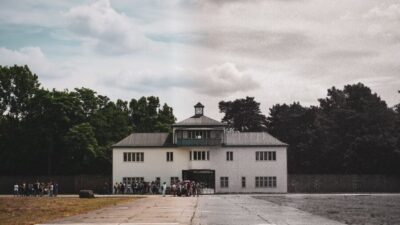
Sachsenhausen Concentration Camp and Potsdam Tour
Read our review →
Visita en español al campo de concentración Sachsenhausen
Read our review →
Sachsenhausen Concentration Camp Bus Tour in English
Read our review →Browse the lists this tour appears in