
Reviewed · SACHSENHAUSEN MEMORIAL VISITS
Berlin: Sachsenhausen Concentration Camp Guided Tour
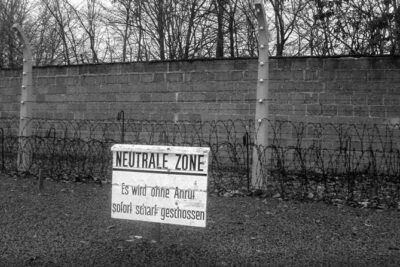
Sachsenhausen is one of those places in Germany where the design of cruelty is painfully visible. This guided visit follows the Nazi concentration camp system as it developed, and it connects the dots between administration, routines, and mass murder, step by step. You’ll also see how the suffering did not end with the war.
I like that the tour keeps a tight focus on how the camp worked every day, including roll call, the shoe-testing track, and the tight living conditions in the barracks. I also love the small-group size, where guides such as Matt, Tom, and Jorg can answer questions and keep the tone respectful and grounded.
One possible drawback: the experience is only about 5 hours, and that can feel short if you want extra time inside the exhibitions at the camp or want to linger in certain areas.
Key things I’d circle before you go
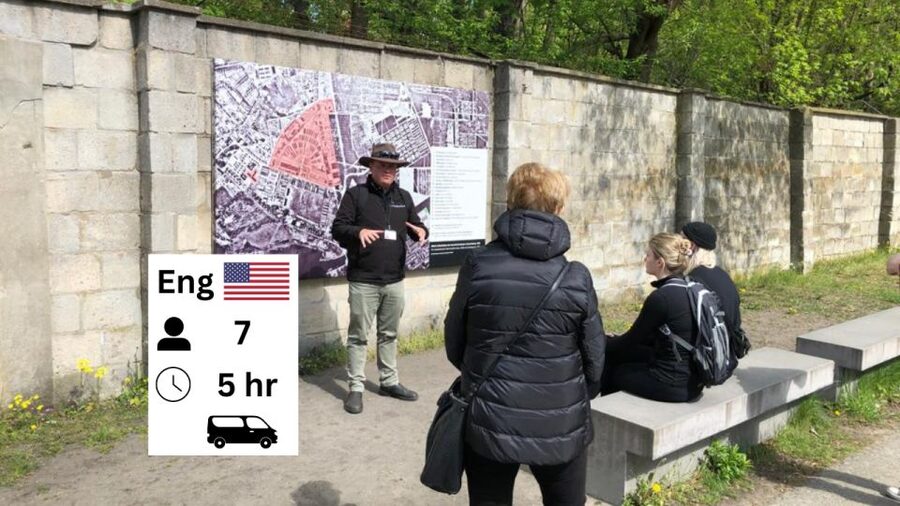
- Small group limited to 7 means you get more real conversation time with the guide
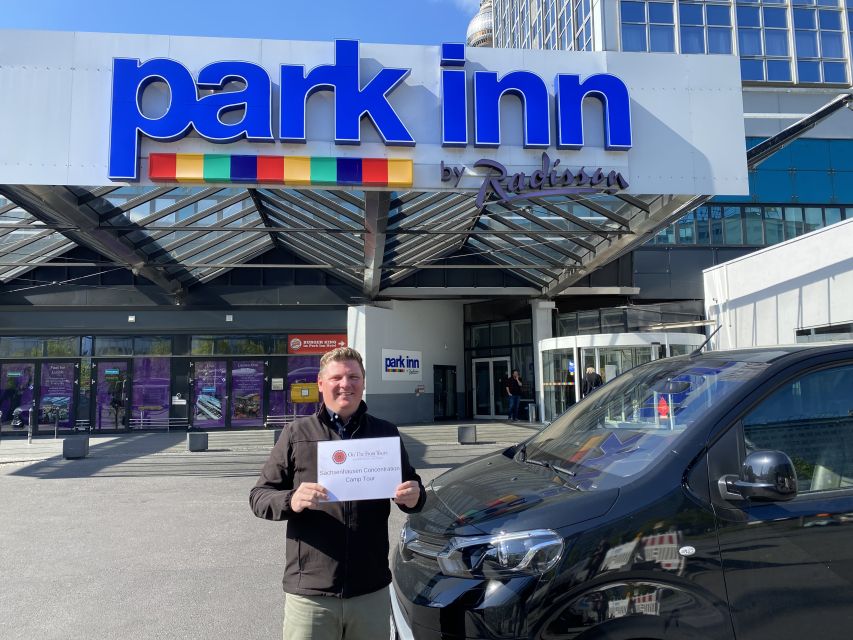
- Park Inn on Alexanderplatz as the meeting point makes the start easy to manage in central Berlin
- A clear, step-by-step route from the entrance to daily routines, then on to Station Z
- Post-war chapter included, including the Soviet use of the camp as Special Camp No. 7
- Station Z covers execution, gas chamber, and crematorium so you understand the system, not just the story
Why Sachsenhausen’s layout hits differently
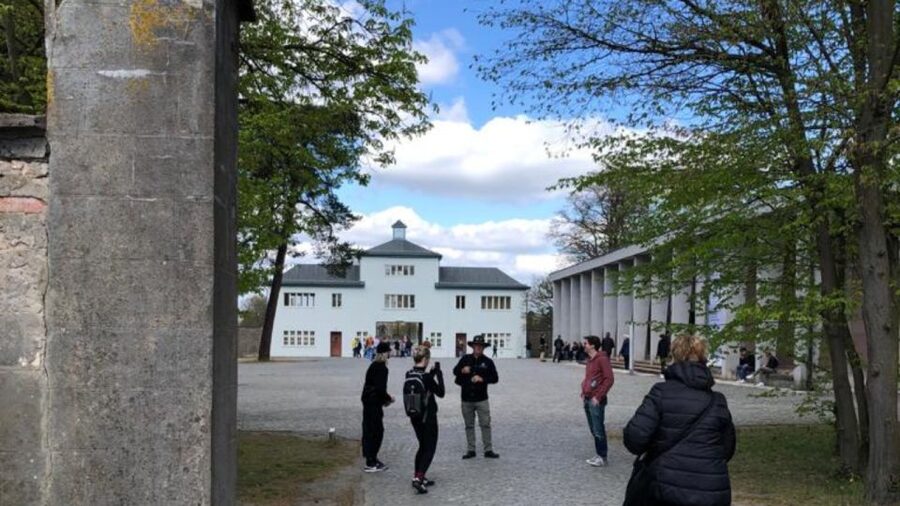
If you care about understanding history as a mechanism, Sachsenhausen is hard to beat. The camp is not just a memory site. It is also a physical model of control, with spaces built for surveillance, punishment, labor, and record-keeping. Walking it with a guide helps you connect the dots between what people were ordered to do and what the system was designed to produce.
I like how the tour frames the camp as a “prototype” of sorts, a key model for how later Nazi camps were shaped. That matters because it turns Sachsenhausen from a single location into a better mental map of the larger concentration camp system. When you can see the logic of the machinery, you understand why it spread so effectively.
Still, go in knowing the subject is brutally heavy. This is not a casual history walk. The tour is designed to be essential, and the tone is meant to honor victims and survivors.
Other Sachsenhausen memorial visits:
- Berlin: Sachsenhausen Concentration Camp Tour in English
★ 5.0 · 5,711 reviews - Berlin: Sachsenhausen Concentration Camp Memorial Tour
★ 4.7 · 3,716 reviews - Sachsenhausen Concentration Camp Bus Tour in English from Berlin
★ 5.0 · 1,962 reviews
The easy start at Alexanderplatz and the 30-minute van ride
Your day begins at Park Inn by Radisson Berlin Alexanderplatz, where pickup is set from a main entrance taxi drop-off area. From there, you take a van ride of about 30 minutes each way. That short transfer is practical, especially if you want to avoid the hassle of coordinating trains and buses when the day has enough moving parts already.
Along the drive, the guide sets the framework for what you’re about to see. You’ll hear the methodology of the Nazi concentration camp system and how Sachsenhausen became the model camp for later designs. I’ve found that a good orientation at the beginning changes the whole visit, because you stop treating everything as isolated “spots” and start seeing the system working as one unit.
You’ll also want comfortable shoes. Even with a guide keeping things organized, you’re doing a lot of walking on uneven ground.
Entering the SS administrative world: the inspectorate and gate symbolism
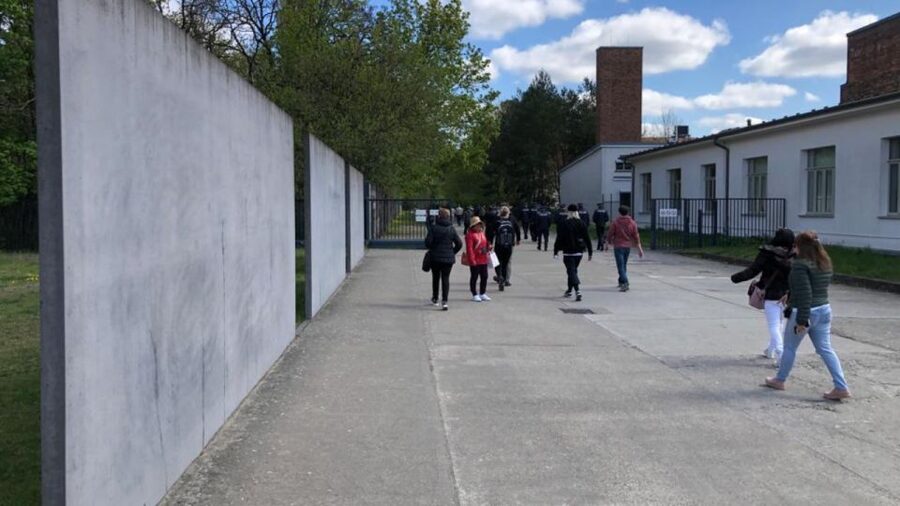
Once at Sachsenhausen, the first big “stage” is the SS Concentration Camps Inspectorate, the administrative and managerial authority that oversaw the camp system in the Third Reich. This isn’t the emotional section first. It’s the structural part. The tour helps you understand how bureaucratic control enabled violence at scale, because someone had to manage it, schedule it, and keep it running.
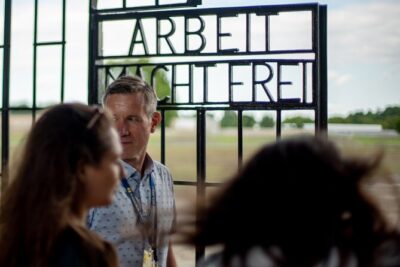
Then you move through the main entrance where the infamous gate message appears above Tower A: ARBEIT MACHT FREI. The point is not the words on the metal. The point is what the words were used to conceal. Standing there, you can see how propaganda tried to dress up forced labor as something orderly and purposeful.
From a practical standpoint, expect the guide to pace you and explain the meaning behind the spaces, not just the dates. If you’re prone to information overload, that pacing is genuinely helpful.
Daily routines you can actually picture: roll call and shoe testing
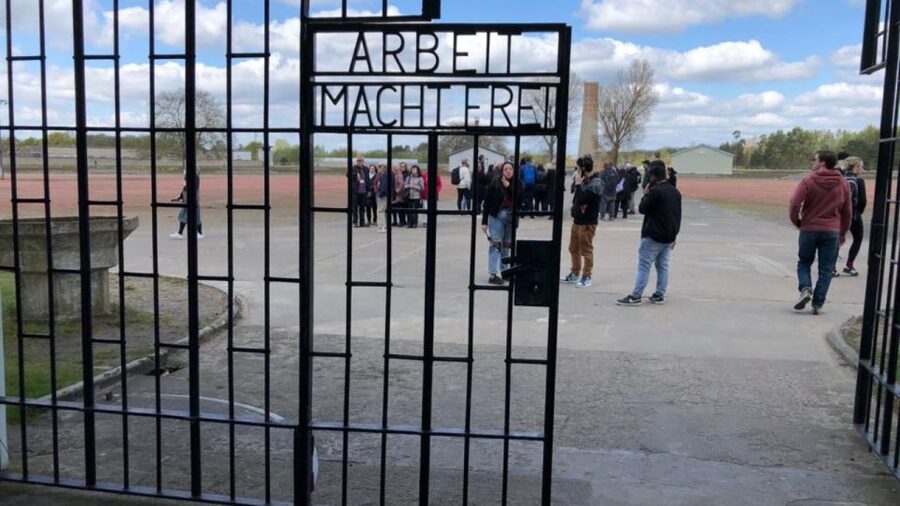
This is where Sachsenhausen becomes unnerving in a very specific way. The tour explains the daily routine of prisoners, including morning roll call and the shoe testing track. These details are grim, but they’re also important because they show how control worked minute by minute, not only through dramatic events.
Roll call wasn’t just a headcount. It was a tool for forcing obedience, exposing prisoners to endless waiting, and demonstrating who held power. The tour’s attention to these routines helps you see how suffering was built into the calendar and the day itself.
The shoe-testing track is another example. It reminds you that even something as basic as footwear could become an instrument of abuse and sorting. That’s the kind of detail that changes how you interpret later “survival” stories, because you understand what people were up against physically and systematically.
A few more Berlin options worth a look
- Berlin: Reichstag, Dome and Government District Guided Tour
★ 4.7 · 18,288 reviews - Berlin: Government District around the Reichstag Guided Tour
★ 4.7 · 8,447 reviews - Berlin: Hidden Backyards Guided Walking Tour
★ 4.8 · 5,360 reviews - Berlin: 1-Hour Boat Tour with Bilingual Live Guide
★ 4.7 · 3,629 reviews
The Jewish sector and barracks: living conditions as evidence
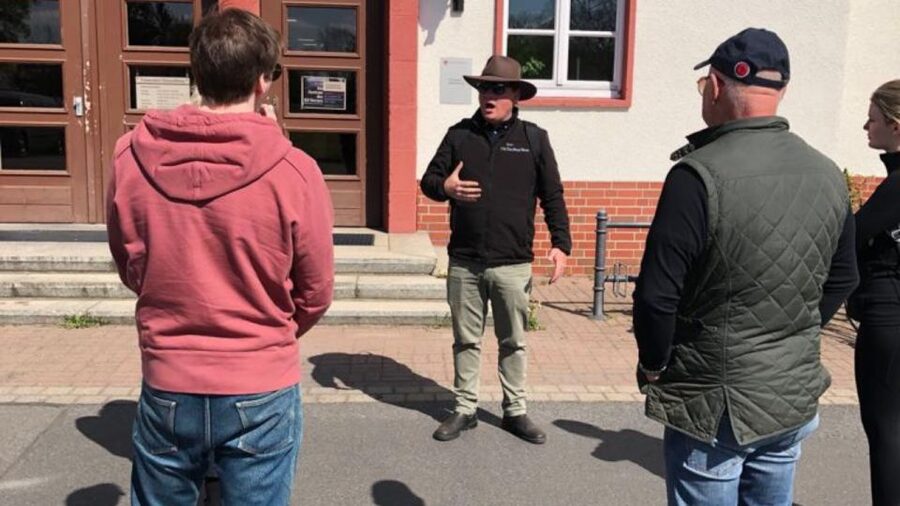
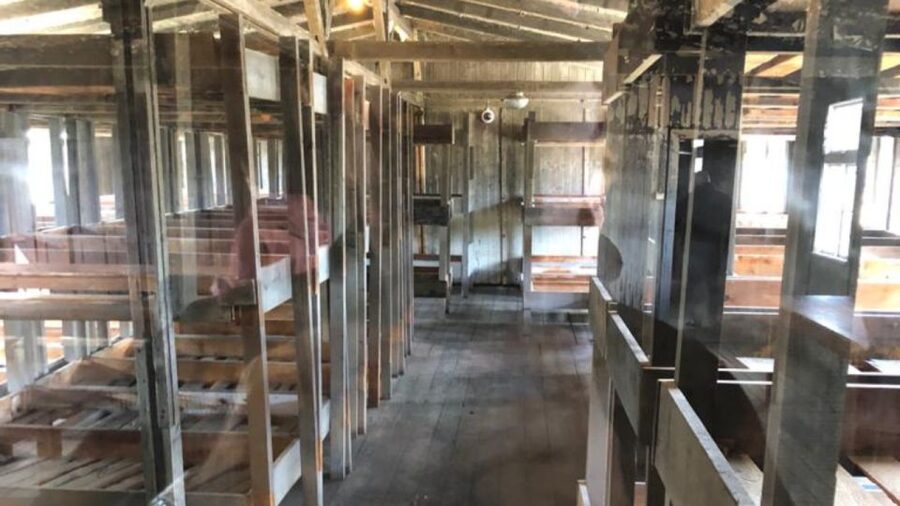
Next comes the Jewish sector of the camp, where you can walk through overcrowded barracks and understand the living conditions prisoners were forced into. The emphasis here is on how space, overcrowding, and basic deprivation functioned as part of the punishment.
This portion works best when you let it be what it is: evidence. You are not meant to “tour” the suffering like it’s a museum. Instead, you let the setting make the point. A good guide will keep explaining without sensationalizing, and guides such as Tom have been described as respectful and clear in how they present the facts and answer questions.
If you’re sensitive to graphic content or intense topics, you might want a moment to step back mentally here. There’s no shame in taking your time.
Cell block secrets: where mistreatment was controlled
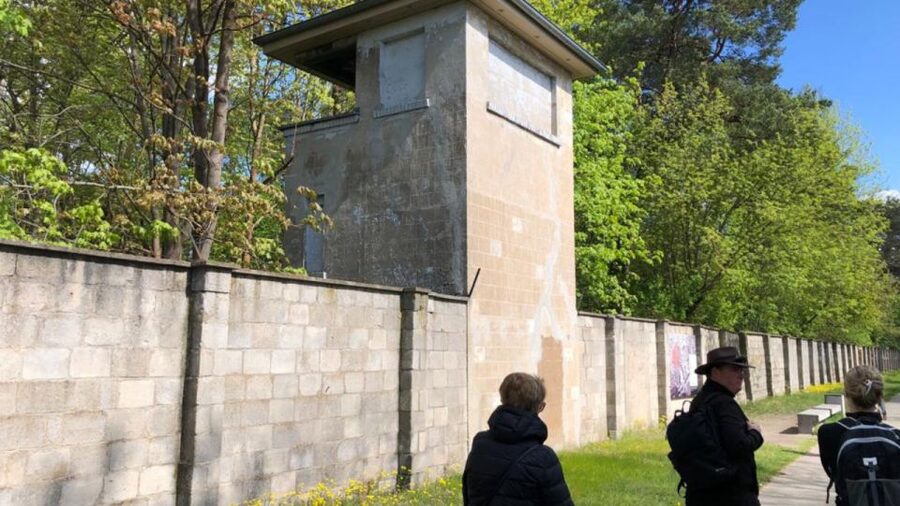
The tour continues through the camp cell block, described as a place shrouded in secrecy and tied to cruel mistreatment. You’ll also learn that British POWs and special inmates, including Stalin’s son, were imprisoned here.
That mix of prisoner categories matters. It shows that the camp system was not only about ideology. It was also about power, imprisonment for a range of people, and using the camp as a lever within broader wartime and political goals.
This is also the portion where the guide’s tone becomes crucial. Matt has been noted for compassion and for presenting facts with sensitivity, and that kind of delivery matters here. You want clarity, but you do not want the story turned into spectacle.
A short pause at the kitchen, exhibits, and prisoner drawings
After the heavier sections, the route goes through the camp kitchen. This is your chance to take a short break, use the restrooms, and explore an exhibition of camp items. The tour also points out prisoner drawings still visible on the walls.
That small window to breathe is not a “nice-to-have.” It’s part of how you stay focused for the rest of the day. If you’re carrying a snack, this is a good moment to eat something small and simple and then re-center before Station Z.
The prisoner drawings add a different kind of evidence. They’re not proof of triumph in a simplistic way. They are proof of the human impulse to record, to cope, to insist on personhood even when everything else was stripped away.
Special Camp No. 7: why the post-war chapter belongs in your understanding
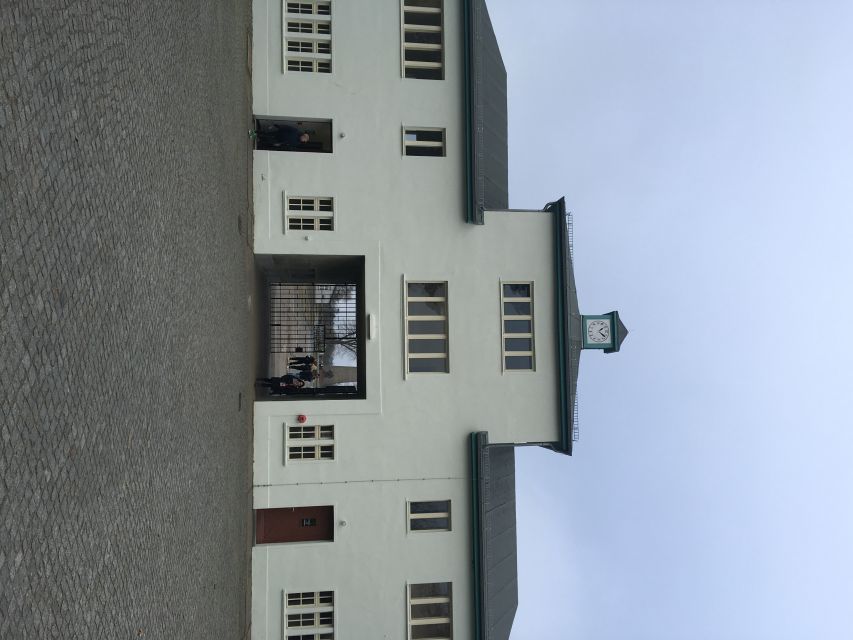
Before you leave this part of the camp story, you move into the post-war use by the Soviet Union. The camp is discussed as Special Camp No. 7, and it remained in use holding 60,000 prisoners, including German POWs, convicted war criminals, and political prisoners.
This section is valuable because it resists the “end of the war equals end of suffering” mindset. The guide helps you see what happened next, including continued prisoner mistreatment and how post-war conservation efforts have impacted modern Germany.
If you want to understand reconciliation and memory in Germany, this is a key piece. The camp becomes a long-running site of accountability, not only a wartime relic.
Station Z: execution site, gas chamber, and crematorium grounds
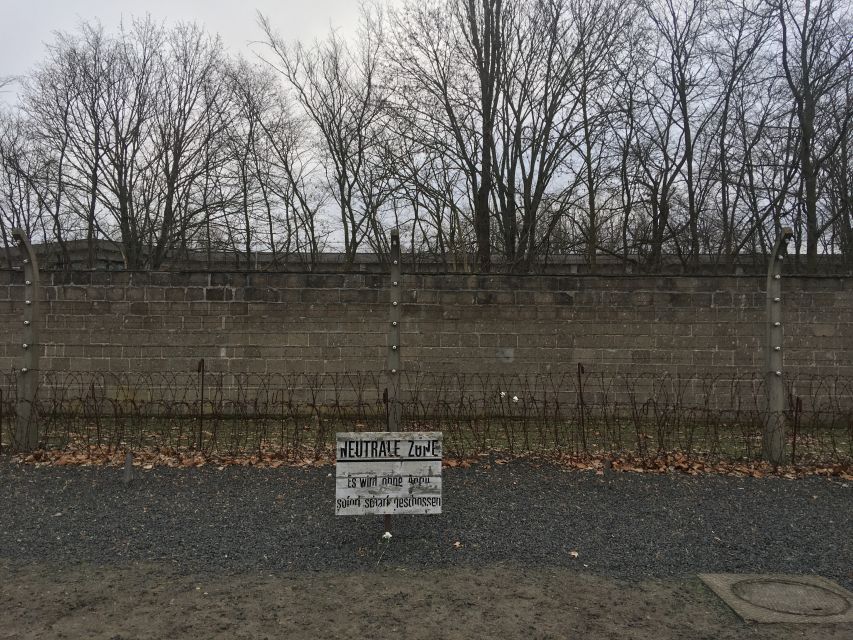
Then you get to Station Z, which is the execution site area described as including the gas chamber and crematorium. This is the part where the tour connects Sachsenhausen to the Nazi Final Solution and the systematic murder of prison inmates.
There’s no “comfortable” way to stand here and take it in. What helps is that the guide should keep it factual, and keep it anchored to how the system functioned. You want to learn how mass murder was organized, carried out, and rationalized, not just that it happened.
From a practical perspective, dress for the weather. The tour runs rain or shine. If you’re caught off guard by cold or wet conditions, it makes it harder to stay present through this section. Bring a snack and plan on slow, steady walking.
Timing, price, and what your $115 gets you
At about $115 per person for a 5-hour experience, this tour isn’t cheap, but it is also not vague. You’re paying for a guided structure that covers the full arc of Sachsenhausen, including daily routines, the administrative context, and the post-war chapter, plus time spent at Station Z.
You also get pickup and drop-off from central Berlin at Alexanderplatz, a bottle of water, and skip-the-ticket-line convenience. The tour format is small group, limited to 7 participants, which directly affects how much you can ask and how the guide manages the pace. In a place like this, that pacing and sensitivity are not extras, they’re part of the value.
One more detail to keep in mind: the tour is 5 hours. If you want extra time in exhibits, you may wish you had a longer format. The route is designed to cover a lot, so you’ll be moving most of the day.
Who this tour suits best, and who might want to think twice
This is a strong choice if you want to understand Sachsenhausen as a working system: administration, routine, confinement, and the machinery of mass murder. It’s also a good fit if you like asking questions in real time, because the group stays small.
It’s less ideal if you need a lighter, faster sightseeing day. This tour is emotionally demanding. Also, since it runs rain or shine and you’ll be on your feet for hours, you should plan for weather and walking.
If you’re in Berlin for only a limited number of days, this half-day style visit can be a very efficient way to get outside the city and into one of the most historically instructive sites near Berlin.
Should you book Sachsenhausen with a guided group?
I’d book it if your goal is understanding, not just checking a box. The combination of a small group, a clear route, and the inclusion of both Nazi-era and post-war use gives you a more complete picture than you’d get from wandering alone.
You should also book if you want the right kind of guide. Based on guide performance described for this tour, people like Matt, Tom, and Jorg have been able to explain hard material clearly and with sensitivity, and that matters a lot here. You’ll come away with sharper context for how the camp system operated and why it left such a long imprint.
Just be honest with yourself about your tolerance for heavy topics. If you can handle the day, this tour is one of the most meaningful uses of time you can make outside central Berlin.
FAQ
How long is the Sachsenhausen concentration camp guided tour?
The duration is 5 hours.
Where do I meet the guide in Berlin?
Pickup starts at Park Inn by Radisson Berlin Alexanderplatz, at the main entrance taxi pick up and drop off point.
Is the tour in English?
Yes, the live tour guide is English.
How big is the group?
It is a small group limited to 7 participants.
Is the tour wheelchair accessible?
Yes, the tour is wheelchair accessible.
Does the tour run in bad weather?
It takes place rain or shine.
What is included in the price?
The tour includes pickup and drop off from the central location, a bottle of water, and a guide. It also includes a meaningful contribution to the camp memorial, and it offers skip the ticket line.
What should I bring and wear?
Wear comfortable shoes. Bringing snacks can help you during the day.
What are the rules on the day of the tour?
No drones are allowed. Alcohol and drugs are not allowed, and alcoholic drinks are not allowed in the vehicle. Bare feet are not allowed.
Is there free cancellation?
Yes, you can cancel up to 24 hours in advance for a full refund.
Recently added around Berlin
- Berlin Private Custom Walking Tour With A Guide (Private Tour)★ 4.5 · 8 reviews
- One Up to 3 Rickshaws(6 GUESTS)-Taylor Made Rickshaw Berlin Tour★ 5.0 · 20 reviews
- Moonshine Comedy – English Stand Up Comedy by the bay★ 5.0 · 11 reviews
- Private Half-Day Berlin Sightseeing Tour with a Minivan Including Short City Walks★ 5.0 · 31 reviews
- Private taxi tour to Potsdam and Sanssouci 6-8h★ 5.0 · 30 reviews
- Private City Kickstart Tour: Berlin★ 4.5 · 71 reviews
- Private tour of Berlin★ 5.0 · 15 reviews
- Private Tutankhamun’s Tomb Live Escape Room in Berlin★ 3.5 · 11 reviews
Sachsenhausen Memorial Visits, compared.
Sachsenhausen Concentration Camp Tour in English
Read our review →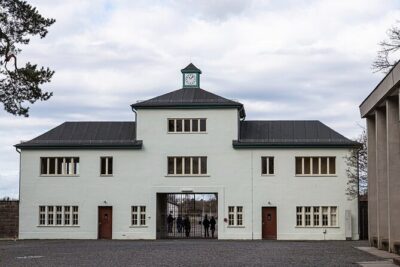
Sachsenhausen Concentration Camp Memorial Tour
Read our review →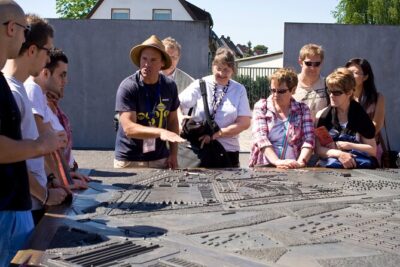
Sachsenhausen Concentration Camp Bus Tour in English from Berlin
Read our review →Sachsenhausen Concentration Camp Tour in English
Read our review →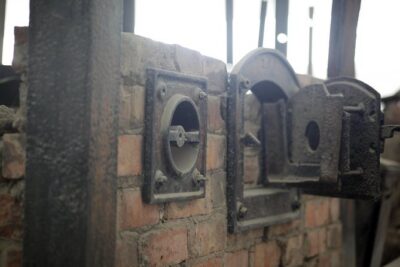
Sachsenhausen Concentration Camp Memorial Tour (Max. 15 Guests)
Read our review →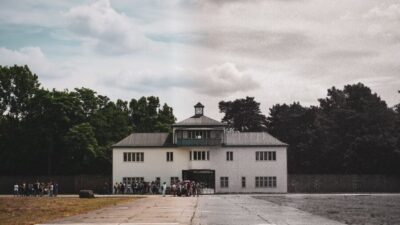
Sachsenhausen Concentration Camp and Potsdam Tour
Read our review →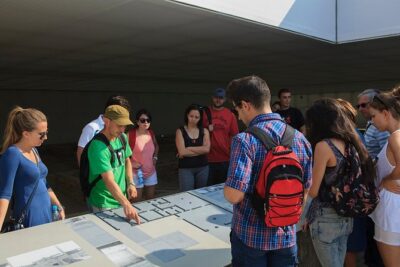
Visita en español al campo de concentración Sachsenhausen
Read our review →Browse the lists this tour appears in