
Reviewed · BERLIN
Produce Techno and House Music in Berlin
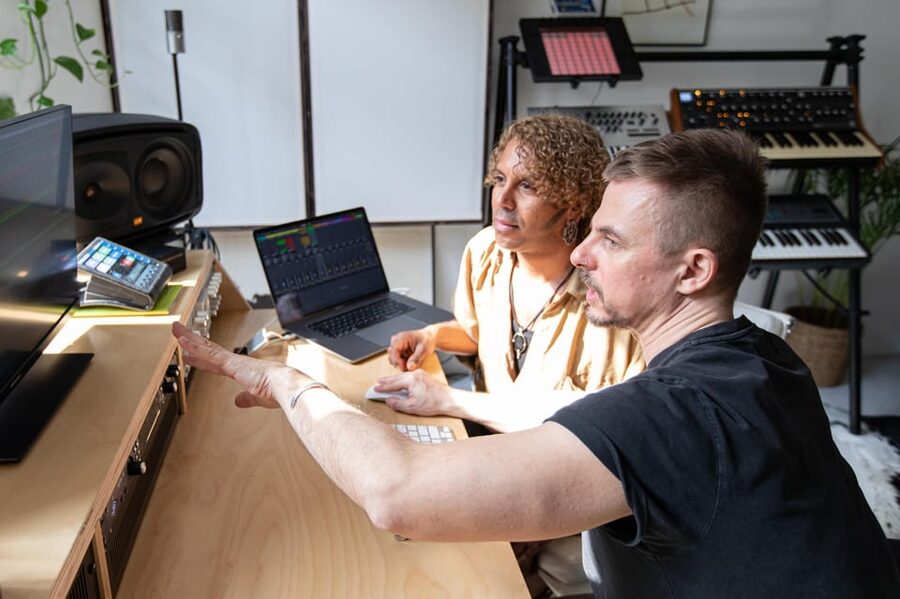
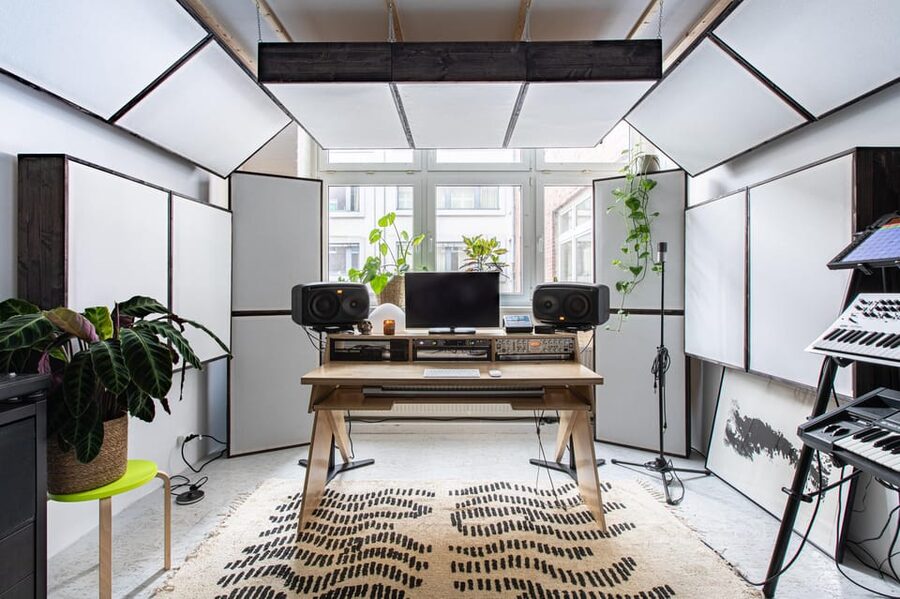
This Berlin house and techno production masterclass is interesting because you work in a real producer studio in the clubbing district, not in a classroom-style demo. I love the small group format, and I love that you get hands-on time with modern and vintage studio gear while you build an actual track.
The only real drawback to plan for is time. With just two hours, beginners can feel a bit rushed, so go in ready to learn the workflow fast, not to leave with something perfectly finished like a chart single.
Key points to know before you go
- A pro studio setting: You’ll work in a production space with modern and vintage gear, plus microphones and acoustic instruments.
- Synth and drum machine programming: You learn how to create the sounds and rhythmic patterns that define house and techno.
- Recording, arranging, and mixing: You don’t just watch, you record parts, arrange a track, and mix it down.
- Small group learning: Limited to 4 participants, so you get personal attention without the class feeling crowded.
- English instruction with flexible teaching: The instructor teaches in English, and the format works well even when people are not all on the same language level.
- Guidance that sticks: The teaching style focuses on method and frameworks, so you can keep using what you learn after the session.
Working inside Berlin’s club district, and making music you can actually use
This isn’t a “listen to techno and talk about techno” experience. You come to a working studio in Berlin’s clubbing district and you produce. The payoff is that you leave with a practical understanding of how house and techno are built: sound first, groove next, then structure, and finally a mix that stands up for club play.
The masterclass is designed for people who are curious, but it is also built for those who already have some interest in making music and want a more professional approach. You get an inside view of the process that gives rise to the music that Berlin is known for. That matters because house and techno are not just about having a beat, they are about workflow, taste, and repetition done with intention.
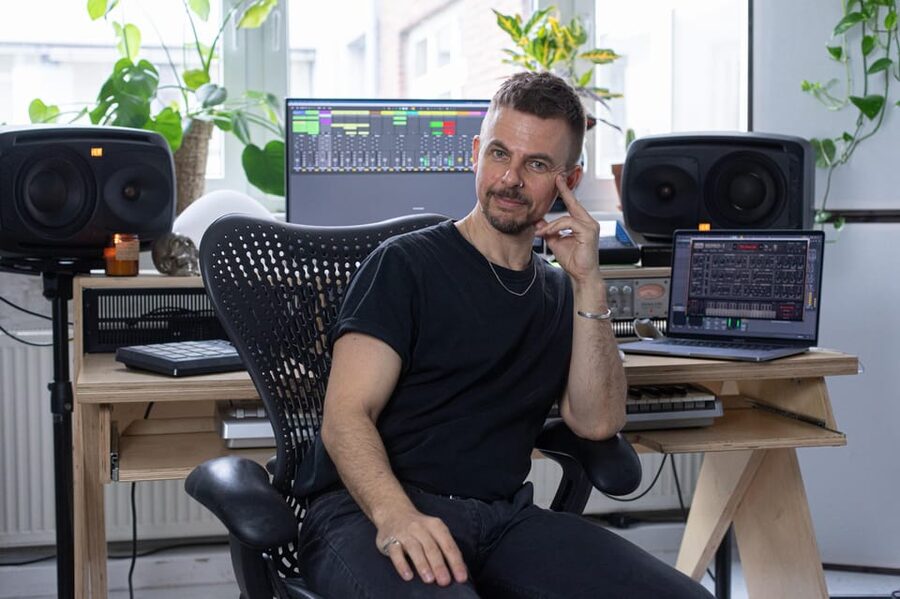
And yes, the vibe is serious about music, but it does not feel stiff. Andy Sexton’s teaching approach is patient and hands-on, with a sense of humor that helps first timers stop worrying and start experimenting. That kind of atmosphere matters, because music production is part technical and part creative confidence.
Other Berlin tours readers compare with this one:
- Berlin: Reichstag, Dome and Government District Guided Tour
★ 4.7 · 18,288 reviews - Berlin: 1-Hour City Tour by Boat with Guaranteed Seating
★ 4.3 · 16,993 reviews - Berlin: Boat Tour Along the River Spree
★ 4.4 · 11,252 reviews
Meet Andy Sexton, and get your hands on studio gear
You meet Andy at the front door of a large industrial building with reddish brown brick. It’s the kind of exterior that fits the city’s industrial club culture, and once you’re inside, you’re in a setup made for real recording and production.
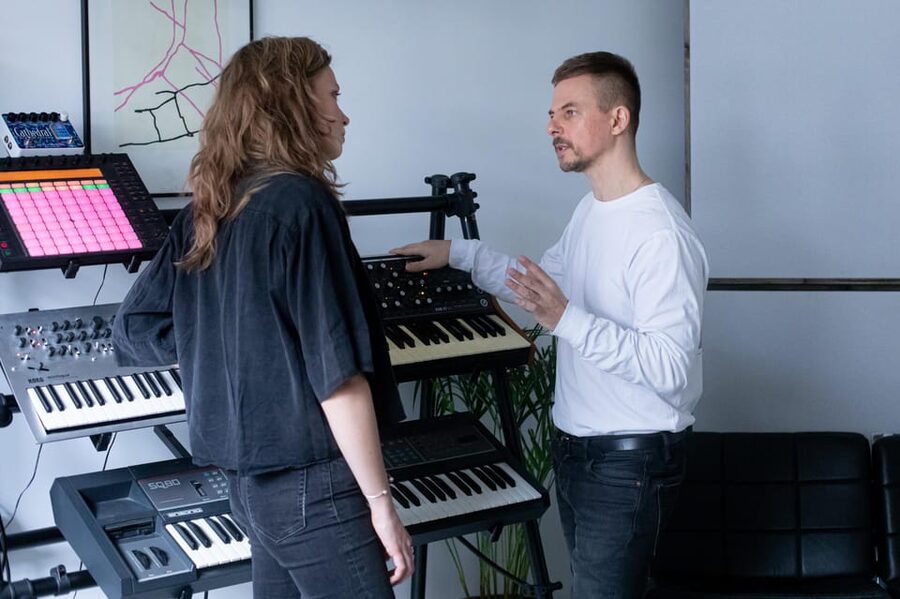
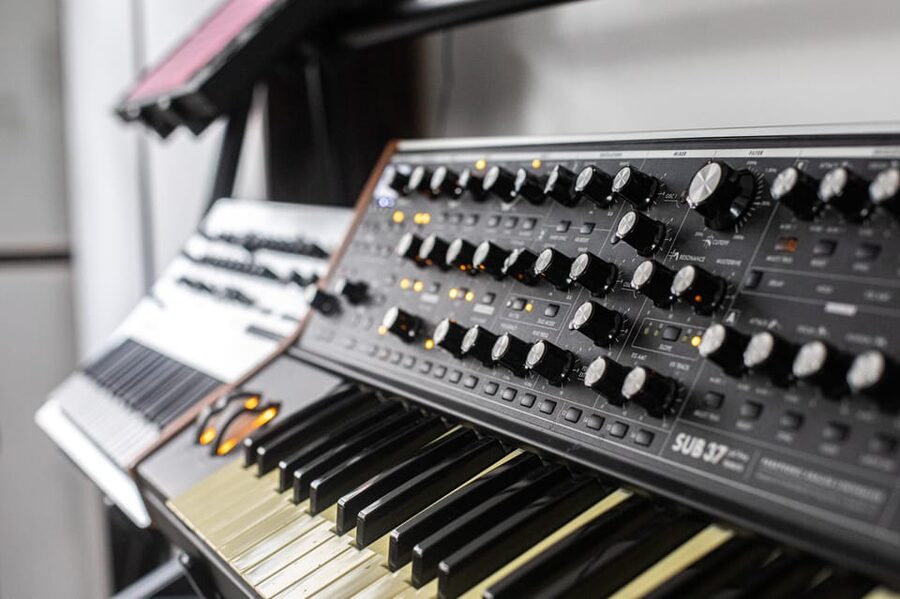
What you get to work with is a mix of modern and vintage music gear. That combination is useful for two reasons. First, modern production software is what you’ll use during the session. Second, vintage synths and other studio gear help you understand the character behind many classic electronic tones, not just the knobs and settings.
The studio also has:
- A vast array of microphones
- Acoustic instruments such as piano, guitar, and percussion
Even if you mainly focus on electronic programming, those acoustic options give you more texture choices during the session. House and techno often blend synthetic and organic elements, and being able to record or reference acoustic sounds is a concrete way to learn how producers build variety without losing the groove.
You’ll also be in a small group limited to 4 participants. That detail sounds simple, but it changes the whole experience. With fewer people, the instructor can slow down when someone needs help, and you’re less likely to get stuck watching while others move ahead.
Programming synthesizers and drum machines, how the groove starts
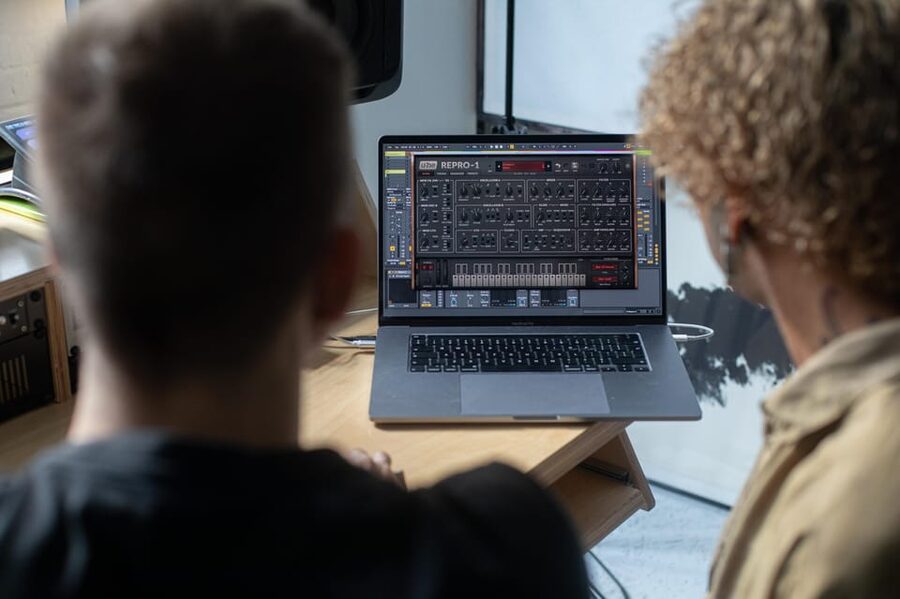
The class is built around the core mechanics of house and techno production: programming synth parts and drum machine rhythms. This is the part that can feel intimidating if you picture production software as a maze. The good news is that the session is structured so you learn the process step by step, and no prior music production experience is required.
You’ll learn how to:
- Program synthesizers
- Program drum machines
- Create a working track foundation using professional production tools
Why this matters for your learning is simple. If you only learn “which buttons to press,” you’ll struggle later. But if you understand the logic behind sound and rhythm, you can make new tracks and fix problems yourself. That’s why one of the most praised parts of the experience is Andy’s ability to explain methodology and frameworks, not just outputs.
A house or techno track lives and dies by groove. So the session focuses on the elements that make a groove feel right, including how patterns interact, how you build repetition, and how you make decisions that move the track forward instead of looping forever.
You should also know you are not being asked to be a composer from day one. The goal is to get you making choices quickly, hearing what changes when you adjust sounds and timing, and building an understanding of what makes the Berlin style feel like itself.
Recording and arranging your house or techno track in pro software
After you set up the synth and drum ideas, the session moves into recording and arrangement. This is where the workshop becomes a real creation process.
You will record and arrange a house or techno track using professional software, then shape it into something with structure. That usually means combining your programmed elements with recorded parts and organizing them so they flow like a track, not like separate experiments.
This part is especially valuable because many first timers can generate a drum beat but get lost when it’s time to turn it into a full arrangement. In this masterclass, you learn how to organize the work so you can finish. People who are new benefit because they get a clear workflow. People who want a next step benefit because they learn how a studio mindset handles arrangement.
You are also learning how producers think about sound in a practical way. The studio has acoustic instruments and microphones, so you are not limited to only what the synth can do. Even if you mostly use electronic sources, the existence of real instruments teaches you another production skill: thinking in layers, not just in single sounds.
From the teaching perspective, Andy’s style comes up again and again in how people describe the session. He’s experienced with teaching beginners and can adjust to learners on different levels, including people who may need extra patience. That’s a big deal in a hands-on class, because confidence is what keeps you progressing when the software feels technical.
Still in Berlin, but a different kind of day:
- Discover Berlin Half-Day Walking Tour
★ 5.0 · 9,624 reviews - Berlin: Hop-on Hop-off Bus Tour with Live Commentary
★ 4.3 · 8,579 reviews - Berlin: Government District around the Reichstag Guided Tour
★ 4.7 · 8,447 reviews - Berlin: Reichstag, Plenary Chamber, Cupola & Government Tour
★ 4.6 · 8,422 reviews
Mixing down for club play, learning the final step that matters
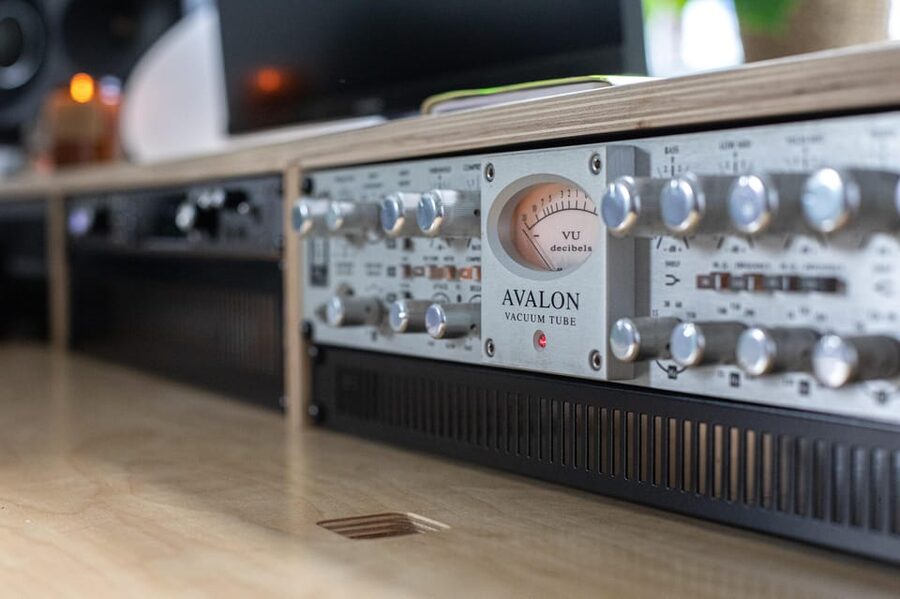
The last step is mixing down the track you build, with preparation for playing in a club context. The mix is not just about making it sound louder or “prettier.” It’s about making sure the track translates, holds up, and feels cohesive when played on a system built for driving sound.
In practical terms, mixing down means you take what you recorded and arranged and you finalize it into a ready-to-play version. In a classroom, this is where a lot of workshops either cut corners or stop early. Here, the mix down preparation is part of the included experience, which is one of the big reasons the class stands out for value.
Even if you do not yet have deep audio engineering knowledge, the structure of the session helps you connect mixing decisions to musical goals. If you learned how to create rhythms and sounds, mixing becomes the stage where you make those choices work together. You learn that sound design and arrangement do not stop at recording. They carry into balance, clarity, and how the track feels as it plays.
People also mention that they leave motivated and motivated in a usable way. You’re not just watching someone else finish. You’re learning the steps that get you from idea to a track you can keep building.
Price and value: is $147 per person worth it for two hours?
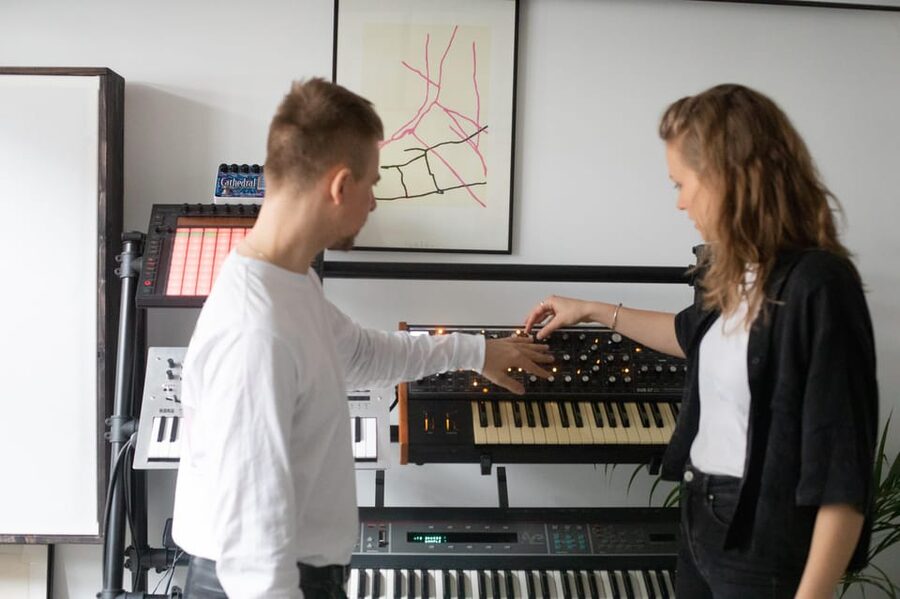
At $147 per person for a 2-hour masterclass, you’re paying for something you rarely get in typical travel activities: access to a professional production setup, guided instruction, and hands-on time. The value comes from the combination of:
- Studio access to professional software
- Use of modern and vintage music gear
- Instruction in synthesizer and drum machine programming
- Recording and arranging a house or techno track
- Mixing down for club play preparation
- A small group limit of 4 participants
If you compare this to a purely observational experience, the difference is obvious. You actively build the music. If you compare it to a more casual workshop, the studio gear and workflow focus makes it more practical.
So the real question is not whether $147 sounds like a bargain. The right question is whether you want to spend your Berlin time doing something hands-on and technical in a fun way. If you’re the type who likes to learn by making, you’ll likely feel the price is fair. If you only want to understand techno culture at a high level, you might prefer a tour that is more about listening and history, not production steps.
Logistics that matter in the real world
This masterclass is in Berlin, and it starts at a scheduled time you can check when availability is shown. Meeting point is straightforward: the front door of a large industrial building with reddish brown brick. Arrive a few minutes early so you can get settled before the session starts.
Instruction is in English, which helps if you don’t want to manage German lessons just to learn music production. The session is also wheelchair accessible, and it’s limited to a small group, so it is easier to manage physically in a working studio environment.
A few rules are part of the environment: no smoking, no alcohol and no drugs, and no littering. These restrictions are typical for studios and clubs, and they also help keep the room focused while gear and equipment are in use.
Age matters here. The class is for people at least 10 years old, and it is not suitable for children under 10. So it can work for older teens or curious adults who want a guided production session without being treated like a kid class.
Should you book this Berlin techno masterclass?
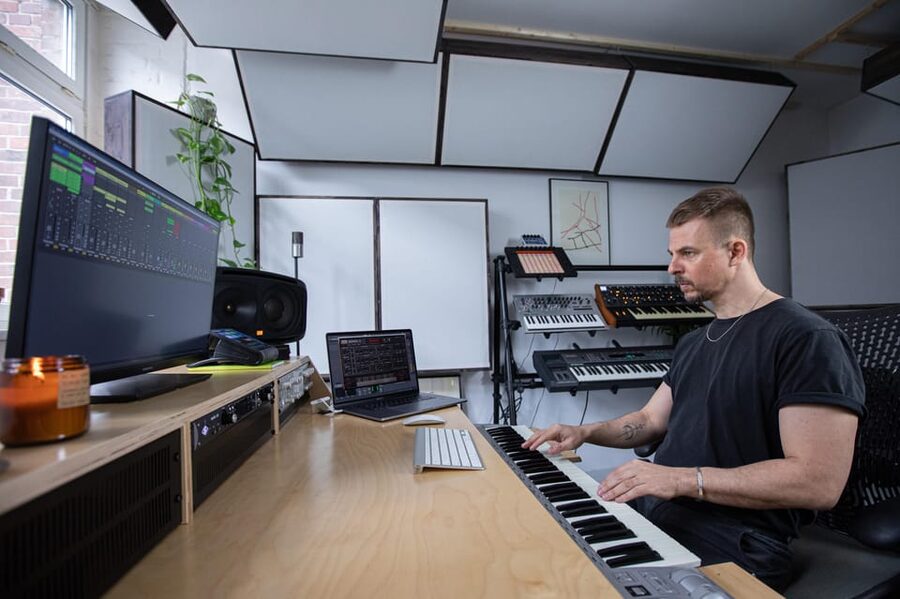
I think you should book it if you want a practical Berlin experience that goes beyond sightseeing. This is a great match if you:
- Want to learn how to build house or techno tracks, not just hear them
- Like hands-on teaching in a real studio setting
- Enjoy small group attention and fast feedback
- Want a workflow you can reuse after the session
- Are okay with the idea that two hours means learning, experimenting, and finishing something basic to solid
You might skip it if you hate anything technical, or if you’re only interested in the social side of Berlin clubbing and not production. Also, if you expect a long, fully polished professional studio outcome, temper that expectation. The session is about guidance and process, and the track creation is part of learning the steps.
If you want a Berlin memory you can replay later, this masterclass delivers that. You’ll walk out with a real sense of how synths, drum machines, arrangement, and mixing fit together into a techno or house track that can actually make sense on a club system.
FAQ
How long is the masterclass?
It lasts 2 hours.
Where do I meet the instructor?
Meet at the front door of a large industrial building with reddish brown brick, a few minutes before the scheduled start time.
Is prior music production experience required?
No prior music production experience is required.
How big is the group?
The group is small, limited to 4 participants.
What languages is the instruction offered in?
The instructor teaches in English.
Is it suitable for children?
Participants must be at least 10 years old. It is not suitable for children under 10.
What is included in the price, and what is not?
Included are access to professional music production software, use of modern and vintage music gear, instruction in synthesizer and drum machine programming, recording and arranging a house or techno track, and mixing down the track preparation for club play. Meals and drinks and transportation to and from the studio are not included.
Recently added around Berlin
- Berlin Private Custom Walking Tour With A Guide (Private Tour)★ 4.5 · 8 reviews
- One Up to 3 Rickshaws(6 GUESTS)-Taylor Made Rickshaw Berlin Tour★ 5.0 · 20 reviews
- Private taxi tour to Potsdam and Sanssouci 6-8h★ 5.0 · 30 reviews
- Moonshine Comedy – English Stand Up Comedy by the bay★ 5.0 · 11 reviews
- Private Half-Day Berlin Sightseeing Tour with a Minivan Including Short City Walks★ 5.0 · 31 reviews
- Private City Kickstart Tour: Berlin★ 4.5 · 71 reviews
- Private tour of Berlin★ 5.0 · 15 reviews
- Private Tutankhamun’s Tomb Live Escape Room in Berlin★ 3.5 · 11 reviews