
Reviewed · BERLIN
Berlin: David Bowie in 1970s West-Berlin
What makes this tour so interesting is how it turns famous Bowie names into real street corners. I love the way you’ll connect Hansa Studios to the sound Bowie chased, and I love the focus on Bowie’s West Berlin years instead of generic city sightseeing.
One thing to consider: this is mostly an outside-locations walk with a bus ride to the end, so if you’re expecting museum-style interiors or a sit-down show, this won’t match that vibe. Also, food and drinks are not included, so plan your timing.
Key Stops and Why They Matter
- Hansa Studios is where the legendary recording atmosphere lives, even from outside
- Potsdamer Platz links Bowie’s 2012 reflection to the places you’re standing in now
- City West stops like KaDeWe show Bowie’s Berlin wasn’t just underground music culture
- Former Dschungel locations and Chez Romy Haag help you picture the nightlife rhythm
- Edgar Froese and Tangerine Dream add a real musician-to-musician connection to Bowie’s move
- Bowie’s Berlin home closes the loop, with the story ending where it mattered most
Why 1970s West Berlin Turns Bowie Into a Real Place
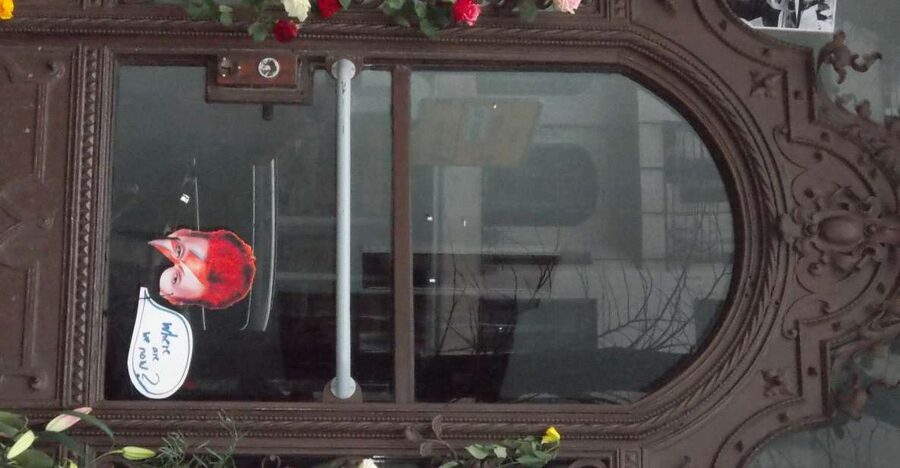
Bowie’s move to Berlin in the 1970s is the kind of story that can feel larger than life. This tour keeps it grounded by focusing on what Berlin offered him day to day: new sounds, new people, and a city that still felt divided and urgent.
The big theme is the electronic turn. You’ll hear how Bowie’s fascination with the emerging electronic sound was shaped not only by Düsseldorf, but also by West Berlin. That matters because it’s not just trivia, it changes how you listen to songs from that era like Heroes, Boys Keep Swinging, Yassassin, and Neukoln.
I also like that the tour doesn’t treat Bowie as a floating pop icon. It treats him as a person making choices, with Berlin influencing him while he was still searching for the next creative spark.
Other Berlin tours readers compare with this one:
- Berlin: Reichstag, Dome and Government District Guided Tour
★ 4.7 · 18,288 reviews - Berlin: 1-Hour City Tour by Boat with Guaranteed Seating
★ 4.3 · 16,993 reviews - Berlin: Boat Tour Along the River Spree
★ 4.4 · 11,252 reviews
Starting at Martin Gropius Bau: The Bowie Exhibition Prequel
You begin at Martin Gropius Bau, a landmark cultural building that has hosted major Bowie-related moments, including the legendary David Bowie exhibition shown there in 2014. Starting here helps you get the framework right away: this is not random walking, it’s a timeline in motion.
From the first minutes, you’ll hear why Bowie left his previous life behind and settled in West Berlin. The tour connects that move to multiple reasons, but keeps the spotlight on the practical reality that Berlin was feeding his curiosity, especially his interest in electronic music.
If you like context that makes later stops click, this start is a good fit. It sets the emotional tone without turning the tour into a classroom lecture.
Potsdamer Platz and Where Are We Now: Bowie’s Berlin Looking Back
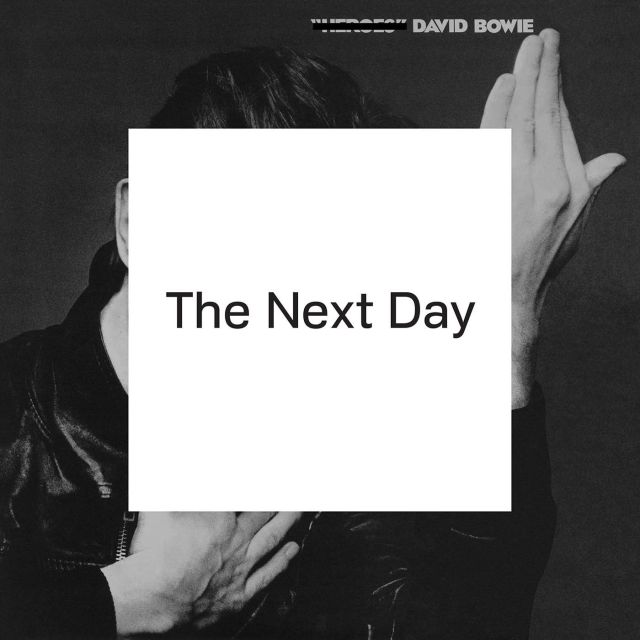
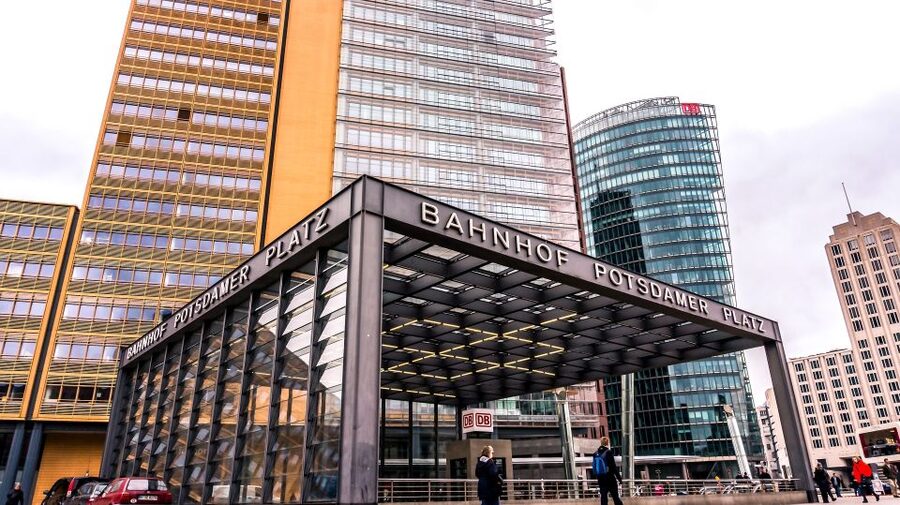
Next up is Potsdamer Platz, a place you’ll instantly recognize even if you’ve only seen it in photos. The tour ties it to Bowie’s 2012 song Where Are We Now, using that modern reflection as a bridge back to the 1970s city.
This stop works because it shows time layers. You aren’t just hearing about history, you’re standing in a part of Berlin that has transformed, while Bowie’s own view of the city still reaches through the years.
Practical tip: Potsdamer Platz can be busy. Give yourself a moment to settle before photos, so you don’t feel rushed or squeezed into tight sidewalks.
Hansa Studios: Where the Sound Feels Tangible
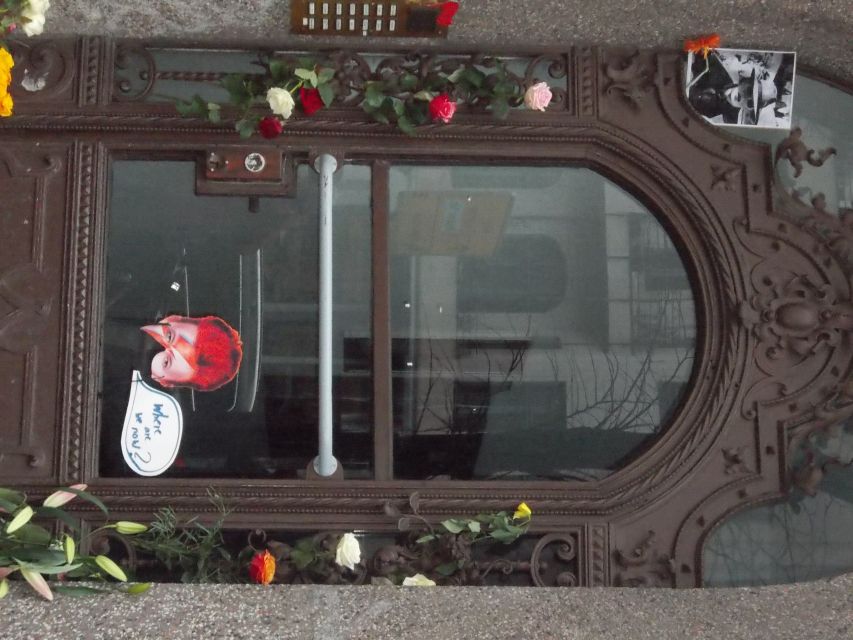
Hansa Studios is one of the tour highlights, and I get why. Even standing outside, it’s hard not to feel the weight of what happened there, especially for anyone who cares about recording culture and the difference a studio environment makes.
This is where the electronic story becomes more than a theme. Bowie’s Berlin years were partly about finding new musical inspirations, and Hansa Studios sits right in the middle of that Berlin sound world.
The tour guide also helps you think about why Bowie’s fascination with electronic music mattered in Berlin, not just in music history terms. It becomes personal, like you’re watching a creative obsession take shape across neighborhoods.
Still in Berlin, but a different kind of day:
- Discover Berlin Half-Day Walking Tour
★ 5.0 · 9,624 reviews - Berlin: Hop-on Hop-off Bus Tour with Live Commentary
★ 4.3 · 8,579 reviews - Berlin: Government District around the Reichstag Guided Tour
★ 4.7 · 8,447 reviews - Berlin: Reichstag, Plenary Chamber, Cupola & Government Tour
★ 4.6 · 8,422 reviews
KaDeWe and City West: Bowie’s Berlin Was Not Only Underground
As the tour moves through City West, you’ll pass landmarks including KaDeWe. That matters because Bowie’s West Berlin wasn’t only backstreets and clubs. He was living in a real city with mainstream energy too.
Stops like this help you picture how someone with Bowie’s profile could move between scenes. One minute you’re hearing about electronic experimentation and musician connections, the next you’re walking past places that show the everyday Berlin backdrop.
If you’re a fan of “how do I picture the daily life” details, this portion delivers. It’s the difference between knowing names and actually understanding what it felt like to live there.
Dschungel and Chez Romy Haag: The After-Hours Side
Then the tour turns more nightlife-focused, passing former locations tied to places Bowie frequented. Two names are especially memorable on this route: the former Dschungel area and Chez Romy Haag, a club that becomes a time machine moment on the tour.
Even though you’re seeing former locations, the guide frames them so they feel specific. You’ll get help picturing the energy of late nights and the kind of crowd and atmosphere that fits Bowie’s restless creativity.
I like that these stops round out the picture. If you only focus on recording and composition, Bowie’s Berlin can feel too clean. These club-area moments remind you that inspiration often travels through people, gossip, and whatever was playing in the room.
The Tangerine Dream Connection: Edgar Froese’s Apartment
One of the most useful pieces of the story you’ll hear is about Bowie staying with Edgar Froese, founder of Tangerine Dream. Before Bowie found his own flat, he was offered a place to hang his hat in Froese’s apartment.
This detail is valuable because it explains why Berlin mattered beyond scenery. It wasn’t just that the city had talent, it had built-in pathways between artists. That kind of environment can speed up creative momentum, and the tour uses this connection to show how Bowie’s move connected him to the electronic scene quickly.
It also helps you understand why the tour keeps returning to electronic sounds. You’re not just hearing that Bowie liked a genre. You’re seeing how he got access to the people and ideas around it.
Songs That Point to Places: Heroes, Boys Keep Swinging, Yassassin, Neukoln
As you move along the route, the guide brings Berlin into the songs in a direct way. You’ll hear how Berlin influenced and left its mark on Bowie, and you’ll also connect specific tracks to his West Berlin life.
Heroes is the obvious anchor, but the tour doesn’t stop there. You’ll also hear how songs like Boys Keep Swinging, Yassassin, and Neukoln connect to his time in the city. The tour even points out that Neukoln was deliberately misspelt, which is the kind of detail that makes you listen more actively.
This section is where the tour becomes most satisfying for music fans. You don’t just get names and addresses, you get a reason to revisit the lyrics and sounds with Berlin in mind.
Bowie’s Berlin Home: The Bus Ride Finale
After the City West section and the nightlife stops, you’ll board a bus to reach David Bowie’s Berlin home, where the tour ends. This is a smart way to handle the geography without turning the tour into an all-day endurance test.
The home stop works as a closing chapter. You’ve spent the prior hours on studios, streets, and venues, so standing at the end point feels like the story gets its last page.
One consideration: because it’s his residence, you should treat the moment respectfully and keep your expectations realistic. You’ll be there for the meaning and the context, not for a museum visit.
If you care about photos, plan quick snapshots and then give the guide room to finish the story. The ending is usually when the connections between all the stops feel clearest.
Price and Value: What $288 Gets You in Real Terms
The price is listed at $288 per person for a 3-hour private group tour. That sounds steep until you translate what you’re paying for: a live guide who can tie Berlin’s neighborhoods to Bowie’s creative decisions, plus the logistics to move you through multiple areas efficiently, including the bus ride to the home.
For fans, the value is in the structure. You’re not spending weeks piecing together where the references come from. You get a single, coherent route through key West Berlin touchpoints tied to the period 1976 to 1978.
Reviews also point to the guide’s ability to make the tour feel personal. One guest even noted that the guide adapted the private tour to the group’s needs, which is exactly what you want when you’re paying for a smaller, tailored experience.
What you’re not getting is food or drinks, and that’s worth planning around. If you want a comfortable evening afterward, I’d schedule a meal before or after, not during the tour.
Guide Quality and the Small-Group Feel
This tour is run by Berlin-Tours Martin Sauter, and the guide featured in recent bookings is Martin. The standout comments are consistent: Martin mixes deep Bowie and Berlin context with a friendly, humorous tone, and he spends enough time at the right moments so you don’t feel rushed.
That matters because Bowie tours can go two ways. Either they become a checklist of spots, or they become storytelling that makes you slow down and notice details. Here, the emphasis is on sharing lots of information in a way that still feels fun, and that’s why the time can pass quickly.
Also, because it’s private, you’re not fighting for attention. You can ask your own questions, and the guide can shape the pacing to your interests, within the 3-hour format.
Who This Tour Is For (and Who Might Want Something Else)
You’ll probably love this tour if you’re a Bowie fan who cares about the Berlin era as a creative turning point. You’ll also enjoy it if you like music history that’s tied to specific neighborhoods, studios, and nightlife spaces rather than vague “Bowie lived here” statements.
It’s also a good fit if you want a compact 3-hour overview that still has depth. The route hits the essentials, from Martin Gropius Bau and Potsdamer Platz to Hansa Studios, KaDeWe, former Dschungel areas, Chez Romy Haag, and the final home stop.
If you want heavy museum time or indoor access at each stop, temper expectations. The tour is built around getting you to the places and connecting them to songs and life.
Should You Book This Bowie 1970s West Berlin Tour?
I’d book it if you fall into any of these buckets: you love Bowie’s mid-70s Berlin music, you want a guided route that connects songs to real locations, and you’re happy spending three focused hours outdoors and on a short bus ride.
I’d think twice if you’re hungry for indoor experiences, long museum visits, or full-on nightlife that continues after the tour. This is more about understanding Berlin through Bowie’s lens, then walking away with songs that feel newly explained.
Also, if you’re traveling with a small group and you like the idea of a guide tailoring the experience, the private format is a strong advantage.
If you want one practical edge, wear comfortable shoes. The tour packs several meaningful stops into 3 hours, and West Berlin routes are best taken at a steady walking pace.
FAQ
How long is the tour?
The tour duration is 3 hours.
Where does the tour start?
The tour starts at Martin Gropius Bau. Your guide will be holding a David Bowie album, book, or CD as the meeting point cue.
What languages is the tour offered in?
The live guide offers the tour in English, French, and German.
Is this a private group tour?
Yes, the tour is listed as a private group.
Is hotel pickup included?
Hotel pickup is available if desired.
Are food and drinks included?
No, food and drinks are not included.
How can I manage the booking if my plans change?
The tour offers free cancellation up to 24 hours in advance for a full refund. It also supports a reserve now & pay later option.
Recently added around Berlin
- Berlin Private Custom Walking Tour With A Guide (Private Tour)★ 4.5 · 8 reviews
- One Up to 3 Rickshaws(6 GUESTS)-Taylor Made Rickshaw Berlin Tour★ 5.0 · 20 reviews
- Moonshine Comedy – English Stand Up Comedy by the bay★ 5.0 · 11 reviews
- Private Half-Day Berlin Sightseeing Tour with a Minivan Including Short City Walks★ 5.0 · 31 reviews
- Private taxi tour to Potsdam and Sanssouci 6-8h★ 5.0 · 30 reviews
- Private City Kickstart Tour: Berlin★ 4.5 · 71 reviews
- Private tour of Berlin★ 5.0 · 15 reviews
- Private Tutankhamun’s Tomb Live Escape Room in Berlin★ 3.5 · 11 reviews