Reviewed · TOURS
Berlín y el Nacionalsocialismo. Group Tour in Spanish
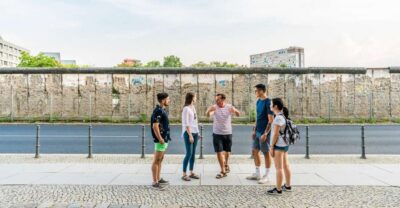
Walking Berlin through the places tied to Nazism can feel heavy, but it is also one of the most practical ways to understand how the Third Reich worked on a city level. I love the way the story connects early turning points like the Treaty of Versailles and the Weimar Republic to Hitler’s rise, and I love the focus on specific locations you can actually stand on. You get a clear Spanish narration that keeps the route tight for a half-day.
One consideration: this is a walking tour in central Berlin, so you’ll want to manage your expectations about time on your feet. Also, you’ll need a Transport Card AB for zones AB, and it is not included in the tour price.
Key things I would plan for
- A guided timeline, not random stops that starts with Versailles and the Weimar Republic and moves toward the Third Reich
- Propaganda explained in plain language, including the role of Goebbels and Nazi messaging
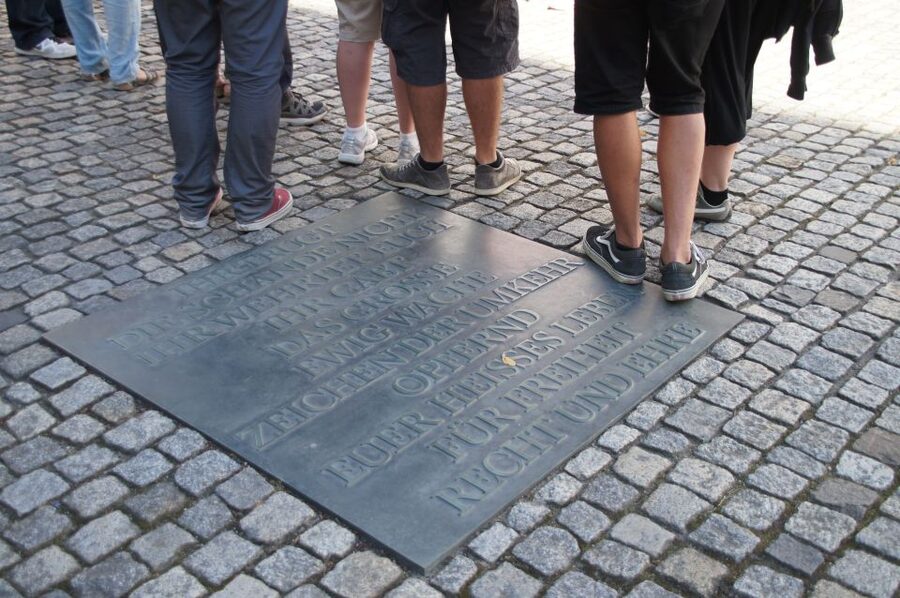
- A real memorial stop for Sinti and Roma victims of National Socialism
- Berlin-Rome-Tokyo symbolism explained right in front of the Italian and Japanese embassies
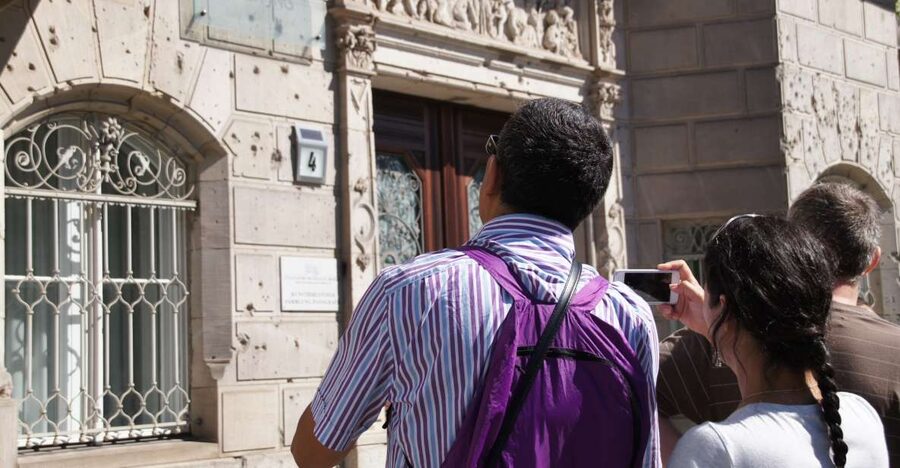
- Wilhelmstrasse on foot, including key ministries tied to the Luftwaffe and Nazi propaganda
- Guides like Sam, Martín, and Celia who show patience and strong command of the material
A Half-Day Walk Through Berlin’s Third Reich Power Map
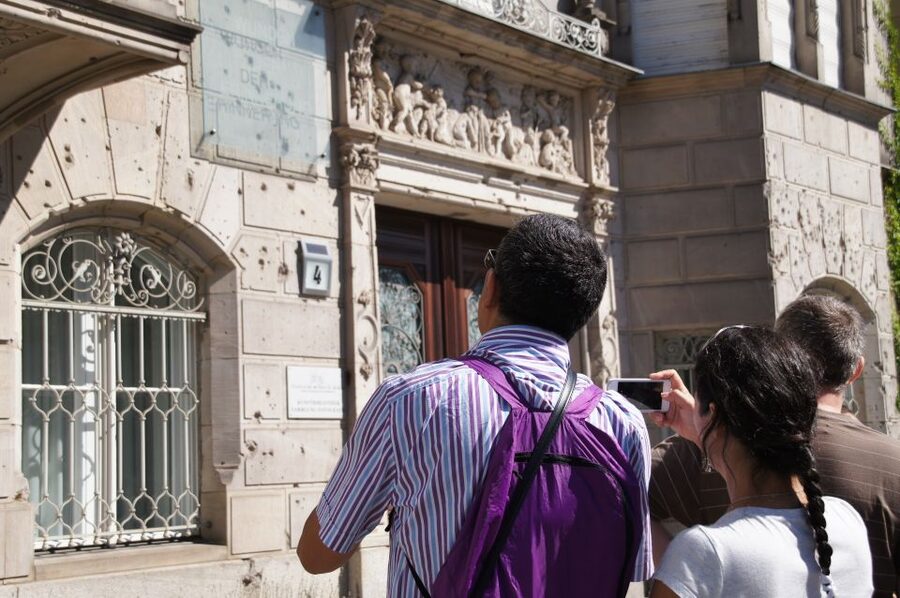
If you want a Berlin Nazi-history tour that feels connected and grounded, this half-day route is built for that. Instead of bouncing around the city, you follow a logical chain of places tied to how the regime rose, organized, and promoted itself.
I like that you do not just hear names and dates. You walk a real street line, Wilhelmstrasse, and you end at the exact site where the Führer Chancellery once stood, then connect that to what Hitler’s final days looked like from there. It makes the story feel less abstract and more like a map you can remember.
This is also a tour where you can control your pace a bit by listening well and noticing details as you go. When a guide can keep the thread clear, you spend less energy figuring out what you are looking at and more energy learning why it matters.
Other Berlin tours readers compare with this one:
- Berlin: Reichstag, Dome and Government District Guided Tour
★ 4.7 · 18,288 reviews - Berlin: 1-Hour City Tour by Boat with Guaranteed Seating
★ 4.3 · 16,993 reviews - Berlin: Boat Tour Along the River Spree
★ 4.4 · 11,252 reviews
Meeting at Alexanderplatz: Getting Oriented Fast
You meet in Alexanderplatz, by the green flag that says tours en español. Your spot is right next to the only entrance to the Fernsehturm tower, between the same tower and Alexanderplatz train station, beside the Espresso House.
This matters more than it sounds. Alexanderplatz is busy and easy to wander around in if you arrive late or unfocused. If you give yourself extra time to find the correct corner near the Fernsehturm entrance, the tour starts cleaner and you avoid that first-minute scramble that drains the fun.
As soon as you find the flag, take a second to confirm you are with the right group and the Spanish-speaking guide. After that, the tour moves at a steady walking rhythm for its full 4 hours, so starting smoothly helps.
From Versailles and the Weimar Republic to Hitler’s Rise
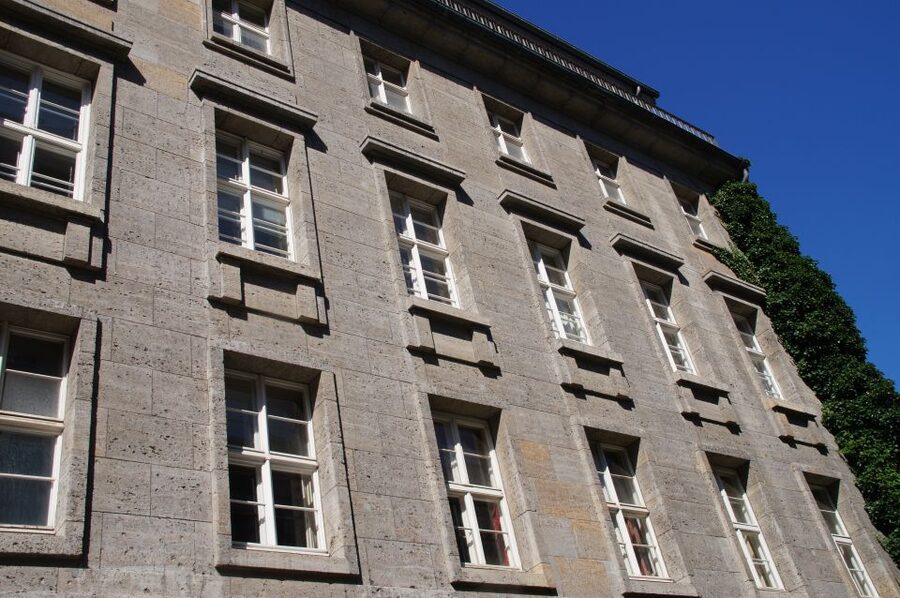
The tour’s opening pays attention to cause and context. You start with the Treaty of Versailles, then move through the Weimar Republic era to show how instability and resentment gave room for extremist politics to grow.
This is a big deal for you if you feel overwhelmed by Nazi history as a pile of facts. When the tour builds the timeline in order, you stop asking, What came first? and you start understanding the chain reaction. It also helps you separate propaganda claims from what was happening politically and socially in Germany at the time.
You also hear how key figures and systems supported the rise. The tour doesn’t treat history like a mystery novel with sudden plot twists. It explains the mechanisms that turned political momentum into state control.
Goebbels, Propaganda Programs, and the Regime’s Message Machine
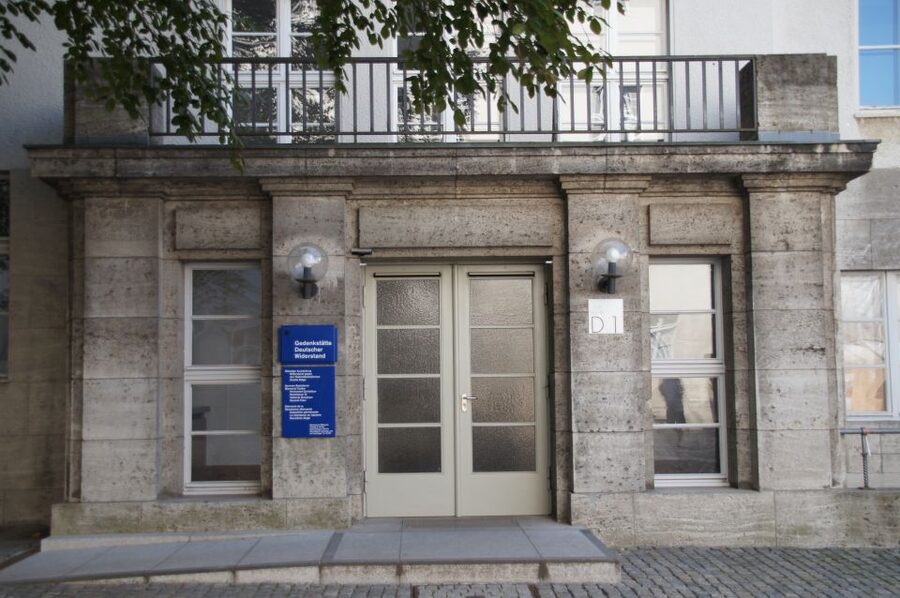
Once the background is set, the tour gets into how the Nazis sold their ideas. You hear about propaganda programs connected to Goebbels, and how messaging was used to shape public behavior and belief.
Here is what I think is useful for you: propaganda is not only posters and speeches. The regime used structure, offices, and physical power in the city. A good walking route makes that real, because you connect the talking points you hear with the buildings and institutions tied to them.
On this tour, that explanation is paired with places connected to Nazi administration and communication. As you move, you can start seeing propaganda as a system with locations, not just a tone of voice.
There is a practical side too. If you like your history with clarity, the tour’s focus on explanation keeps the “why” from getting lost. One important caution: a past participant noted there were pauses they felt were unnecessary, so the pacing might be fairly continuous. If you prefer frequent breaks, plan to take them when the guide naturally transitions between stops.
Still in Berlin, but a different kind of day:
- Discover Berlin Half-Day Walking Tour
★ 5.0 · 9,624 reviews - Berlin: Hop-on Hop-off Bus Tour with Live Commentary
★ 4.3 · 8,579 reviews - Berlin: Government District around the Reichstag Guided Tour
★ 4.7 · 8,447 reviews - Berlin: Reichstag, Plenary Chamber, Cupola & Government Tour
★ 4.6 · 8,422 reviews
Passing the Memorial for Sinti and Roma Victims of National Socialism
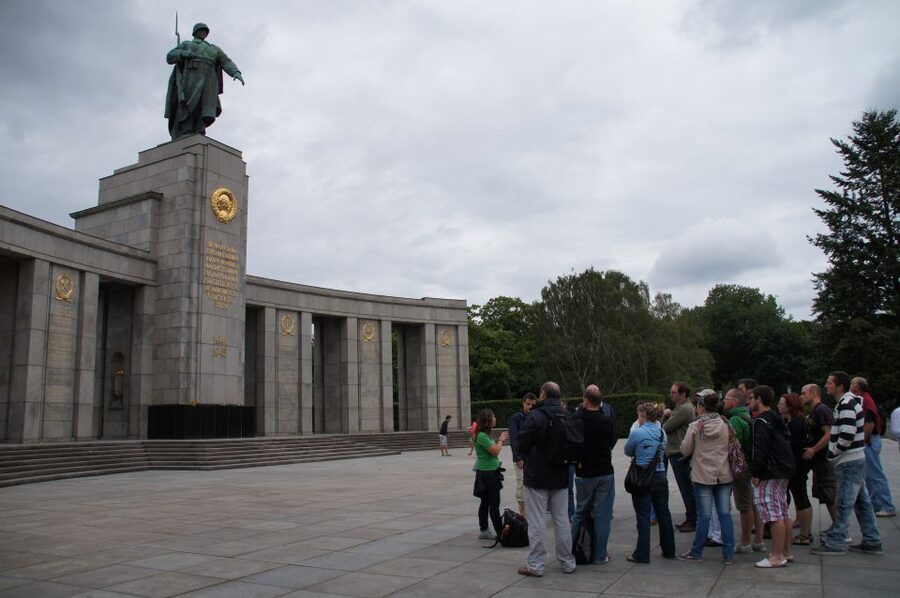
At one point you pass the Memorial to the Sinti and Roma Victims of National Socialism. This stop matters because it shifts the lens from political strategy to human cost.
You can think of it like an anchor in the middle of the tour. After learning how the regime planned and spread its story, you are reminded that policies targeted real communities and caused real suffering. It keeps the narrative from becoming only about leaders and institutions.
For many people, this is also the moment where you slow down mentally. The tour format gives you the context, but the memorial gives you the stop-and-remember part.
The Berlin-Rome-Tokyo Axis: Symbolism at Embassy Fronts
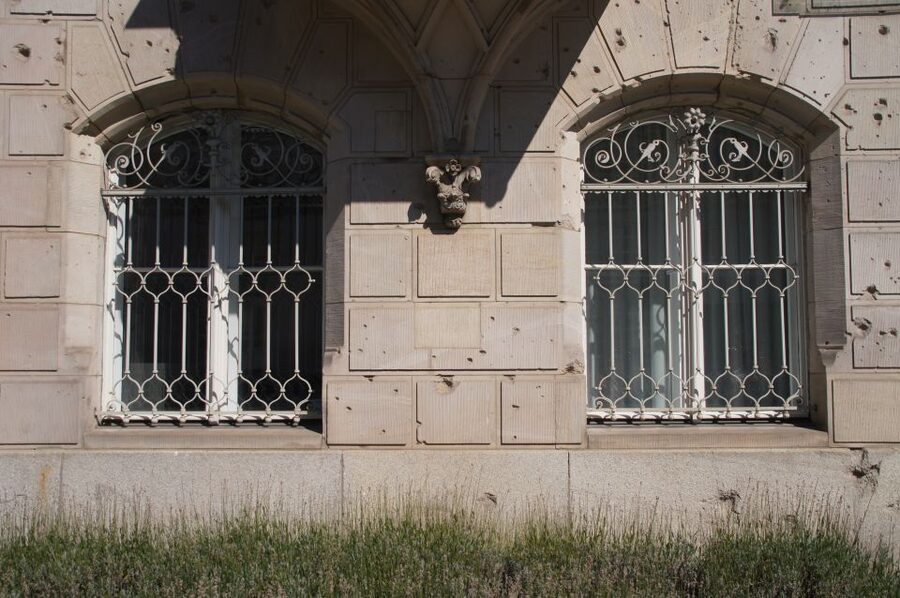
Then you move into a striking piece of political theater: the Berlin-Rome-Tokyo axis, explained right in front of the Italian and Japanese embassies.
Why this is valuable: alliances under the Third Reich were not only military. They also carried messages about legitimacy, direction, and shared ideology. Seeing the symbolism in the embassy setting gives you a concrete way to connect diplomatic language to the regime’s worldview.
It also helps you understand how Nazi ideology tried to project itself beyond Germany. The axis concept is often talked about in big, broad terms, and the tour turns it into a walkable moment you can recall later when you read about wartime politics.
This part of the route is a good fit if you want your learning to include the “how politics looks on the ground.” Embassies are formal, visible landmarks, so the story lands fast.
Up Wilhelmstrasse to the Luftwaffe Ministerium
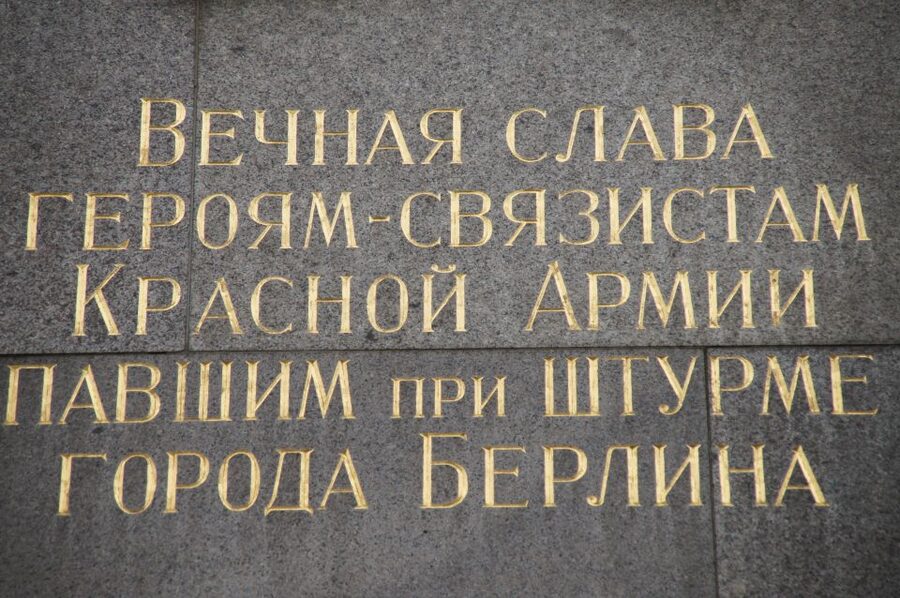
One of the tour’s core walking segments follows Wilhelmstrasse up to the Luftwaffe Ministerium. This is the kind of street you only truly understand when you hear what each institutional doorway represented during the Nazi period.
What I like here is the street-level perspective. Wilhelmstrasse is not just a road through Berlin. It is tied to state administration, and the tour uses that to explain how air defense, militarization, and centralized decision-making fit into the bigger regime structure.
A half-day format can sometimes feel like it rushes you past details. In this case, the value is that the guide uses these specific buildings as stepping stones for the timeline, so you are not guessing what each location relates to.
Nazi Propaganda Ministry: Where Control Met Communication
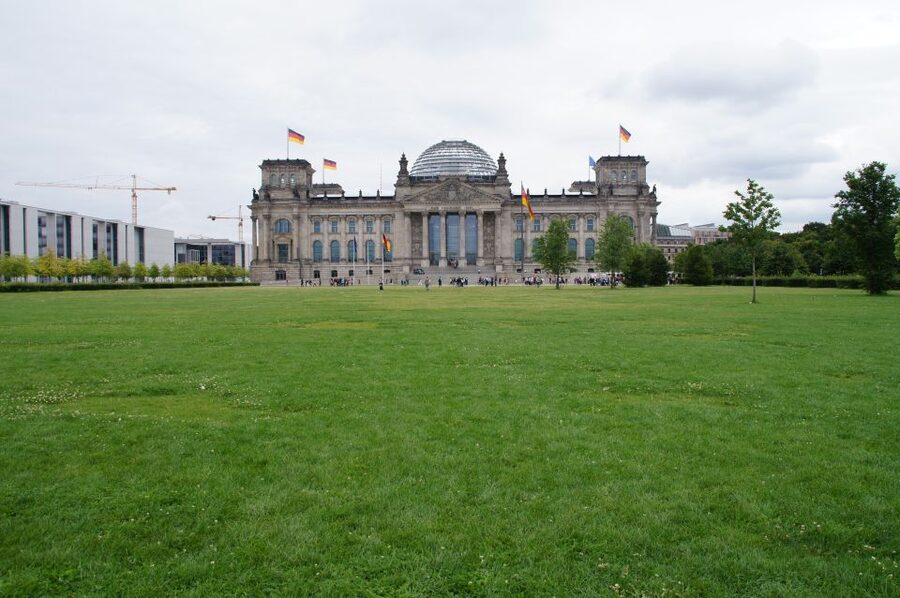
After the Luftwaffe segment, the tour continues to the Nazi Propaganda Ministry area. This is where the narrative tightens: you are seeing how the regime paired power structures with the tools to influence minds.
Propaganda ministries were built for more than message delivery. They were part of how the state managed reality for everyday life, from what people saw and heard to what they were encouraged to repeat.
For you, this stop can change how you interpret earlier parts of the tour. Once you understand where propaganda operations sat in the city, it becomes easier to connect the political rise and the public messaging to the actual machinery of the regime.
And because this is a guided walk, you can ask yourself a better question while you listen: not only what they said, but where in Berlin they said it from, and what institutions supported it.
Finishing Where the Führer Chancellery Once Stood, Then the Bunker Finale
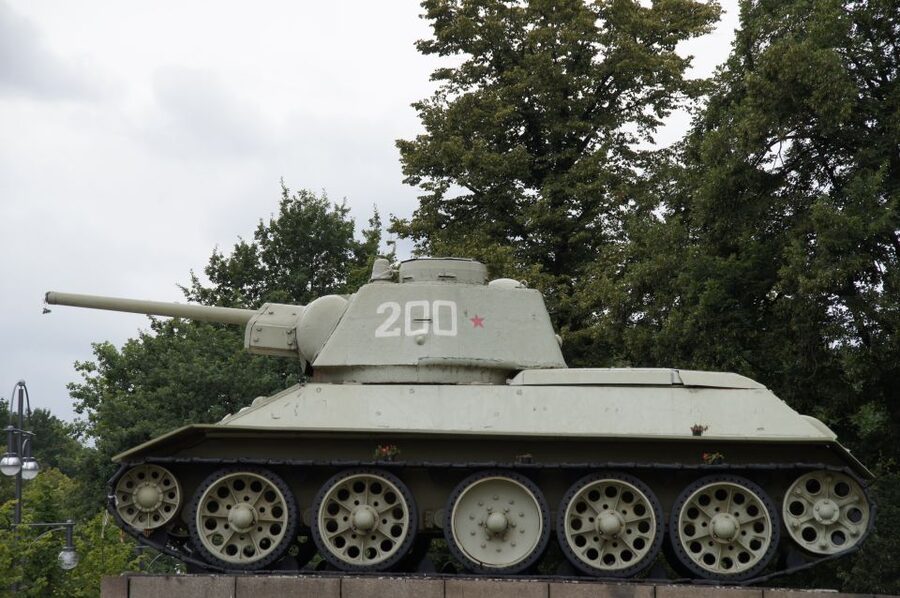
The tour ends at the exact spot where the Führer Chancellery once stood. From there, you hear about Hitler’s final days and the famous bunker.
This ending is important because it closes the loop. Earlier, you learn how the regime took control and expanded its messaging. Now you land on the physical center point tied to Hitler himself, and the narrative shifts to what the end-stage of the regime looked like.
For many people, this is the emotionally hardest part of the tour. It is also where the learning tends to feel most specific. Instead of only reading about the bunker and the end of the war, you leave with a spatial memory, a sense of where decisions were made and how final-days history connects back to Berlin streets.
Price and Value for a Spanish History Walk in Berlin
At $29 per person for 4 hours, this is the kind of price point that can be good value if you are already planning to explore central Berlin anyway. You are paying for two main things: a Spanish-speaking guide and a guided route that connects multiple key sites in one logical half-day.
The only cost wrinkle you should plan for is transit. The tour requires a Transport Card AB for zones AB, and it is not included in the price. You do also need a public transport ticket, so budget for that and you will not feel surprised on tour day.
Overall, the value is strongest if you want more than a self-guided stroll and you like having someone connect the timeline to what you see in front of you. If you are the type who reads a map and figures everything out on your own, you might find the guide less necessary. But if you want clear explanation and a route that holds together from Versailles to the final Chancellery site, the price makes sense.
Who This Spanish Tour Fits Best
This experience is ideal if you:
- Want a guided, Spanish-language walk focused specifically on Berlin and the Third Reich
- Prefer an ordered timeline, from Versailles and the Weimar Republic through Nazi consolidation
- Like learning about propaganda as something tied to institutions and city locations
- Want one structured stop for the memorial for Sinti and Roma victims of National Socialism
- Are okay with a steady, half-day walking rhythm in central Berlin
It may not be the best fit if you strongly prefer lots of frequent breaks during sightseeing. The pace might be fairly continuous, so it helps to come mentally ready for a focused 4-hour block.
If you are traveling with limited time and still want a serious history route, this is one of the more efficient ways to do it in Berlin.
FAQ
How long is the tour?
The tour lasts 4 hours.
Is a Spanish speaking guide included?
Yes. The tour includes a Spanish speaking live guide.
Where is the meeting point in Berlin?
You meet near the Fernsehturm tower in Alexanderplatz. Look for a green flag with the text tours en español, next to the only entrance to the tower, between the tower and Alexanderplatz train station, by the Espresso House.
What should I bring?
You should bring a public transport ticket.
Do I need a Transport Card AB?
Yes. Transport Card AB is necessary for this tour, and it is not included in the price.
Is the tour wheelchair accessible?
Yes, the tour is wheelchair accessible.
Where does the tour end?
It ends at the exact spot where the Führer Chancellery once stood, and you will hear about Hitler’s final days and his bunker.
Does the route include the memorial for Sinti and Roma victims?
Yes. The tour passes the Memorial to the Sinti and Roma Victims of National Socialism.
Is free cancellation available?
Yes. You can cancel up to 24 hours in advance for a full refund.
Should you book Berlín y el Nacionalsocialismo in Spanish?
Yes, if you want a structured, Spanish-language walking tour that connects the political timeline to specific Berlin sites tied to Nazism. The price is reasonable for a 4-hour guided route, and the ending at the Chancellery site with the bunker finale gives the story a strong finish.
Just plan for the AB transit card, and arrive early enough at Alexanderplatz to find the green tours en español flag by the Fernsehturm entrance without stress. If you do that, you will get a focused learning walk that feels tied to place, not only to dates.
Recently added around Berlin
- Berlin Private Custom Walking Tour With A Guide (Private Tour)★ 4.5 · 8 reviews
- One Up to 3 Rickshaws(6 GUESTS)-Taylor Made Rickshaw Berlin Tour★ 5.0 · 20 reviews
- Moonshine Comedy – English Stand Up Comedy by the bay★ 5.0 · 11 reviews
- Private Half-Day Berlin Sightseeing Tour with a Minivan Including Short City Walks★ 5.0 · 31 reviews
- Private taxi tour to Potsdam and Sanssouci 6-8h★ 5.0 · 30 reviews
- Private tour of Berlin★ 5.0 · 15 reviews
- Private City Kickstart Tour: Berlin★ 4.5 · 71 reviews
- Private Tutankhamun’s Tomb Live Escape Room in Berlin★ 3.5 · 11 reviews
Tours, compared.
Reichstag, Dome and Government District Guided Tour
Read our review →
1-Hour City Tour by Boat with Guaranteed Seating
Read our review →
Government District around the Reichstag Guided Tour
Read our review →
Reichstag, Plenary Chamber, Cupola & Government Tour
Read our review →