

Reviewed · BERLIN
Delicious Deutsch: Learn German while creating German Breakfast
If you want German class that doesn’t feel like class, this Berlin German breakfast experience is a smart bet. You’ll shop for ingredients, handle fresh produce, then cook and eat while you practice speaking German in real time. It is practical, sensory, and very Berlin.
Two things I especially like: the market-to-kitchen flow, where you learn words by using them, not memorizing them, and the way the host, Kit, brings in food culture and even a bit of Berlin history through everyday ingredients. One consideration: this is aimed at beginner to intermediate speakers, so if you are already advanced, you might want something more grammar-heavy.
Key points to know before you go
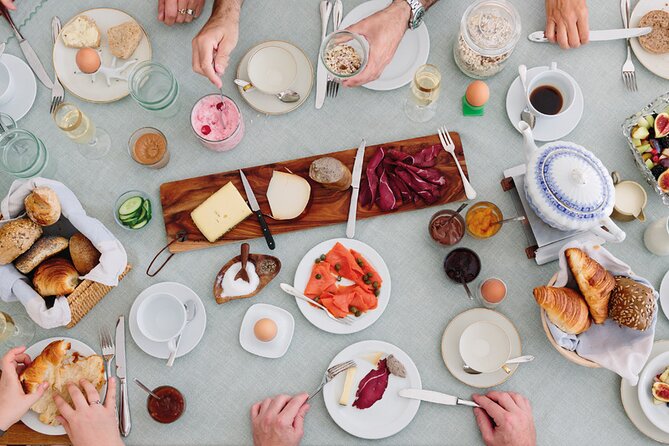
- Market first, then cooking: you learn vocabulary by choosing ingredients and talking about them.
- Kit as your guide: warm, hands-on teaching with a clear focus on making you feel comfortable.
- Multi-sensory language practice: sight, smell, touch, and taste help you remember.
- Beginner to intermediate friendly: designed for people who want usable conversation skills.
- Dietary needs are handled when possible: the host can accommodate restrictions if you share them ahead.
- You eat what you make: the meal is part of the lesson, not an afterthought.
Why a German breakfast lesson is the fastest language workout in Berlin

Berlin is full of ways to practice German, but most of them leave you stuck in polite small talk. This experience goes another route: you learn through what you are doing. You see ingredients, you touch them, you read the cues on how they get cooked, and then you talk about them while they are happening. That turns German from a classroom subject into something you can use at a normal dining table.
I also like the theme. Breakfast and brunch are universal, so you get quick traction. German food culture shows up in the details, like how people think about fresh produce, simple building blocks, and hearty comfort food. And because it is food, you naturally ask questions, you describe what you like, and you react to flavors, all in German.
One more plus: it is not only about language. You are learning modern German culture through a typical routine, buying food like a Berliner, and building a meal that feels local rather than touristy.
Other Berlin tours readers compare with this one:
- Berlin: Reichstag, Dome and Government District Guided Tour
★ 4.7 · 18,288 reviews - Berlin: 1-Hour City Tour by Boat with Guaranteed Seating
★ 4.3 · 16,993 reviews - Berlin: Boat Tour Along the River Spree
★ 4.4 · 11,252 reviews
Meeting at Goltzstraße 36, how the start shapes the whole class
You meet at Goltzstraße 36, 10781 Berlin. It is a straightforward meeting point, and it is near public transportation, which matters because you do not want your language warm-up ruined by a stressful transit sprint.
The class uses a mobile ticket, and you should receive booking confirmation when you book. That is good because you can keep everything in one place. Also, the experience is private, meaning only your group participates, so you get more speaking time and less waiting around.
Timing detail to double-check: the start time shown is 9:30 pm, while breakfast programming normally points to morning. Before you go, confirm the exact start time with the provider so you arrive at the correct hour.
From produce browsing to real German: the market part that teaches by doing
The experience starts with a market-style ingredient hunt. You will look at what is fresh, discuss what you want to cook, and handle produce as you plan the meal. This matters because the German you learn is tied to a concrete action: selecting, comparing, describing, and deciding.
This is also where you pick up vocabulary that you can actually reuse later. Instead of learning food words in a vacuum, you learn them in context, with a reason. You might talk about seasonal ingredients, how something tastes, or what you should do with it next. That kind of cause and effect is what makes the language stick.
The host connects you to what is normal in Berlin through conversations with vendors and market rhythm. One of the best parts is how you end up learning more than recipes. You also hear small cultural cues, like how locals think about sourcing and freshness. In particular, you might notice a shared interest in using local and sustainable produce, including discussions around meat and vegetables as part of the overall philosophy.
Cooking at Kit’s home: turning recipes into conversations
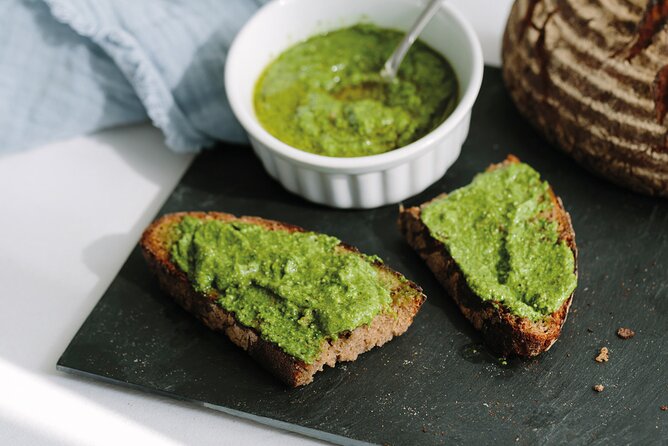
After you choose your ingredients, you shift from the market energy into a kitchen setting with Kit. This is where the class becomes truly hands-on. You prepare, cook, and taste. Each step comes with language prompts, so you are practicing while your hands are busy.
This is the key idea behind the structure: multi-sensory learning. You are seeing ingredients, smelling herbs, tasting sauces, and physically doing tasks. That helps you remember words and phrases because the language is linked to sensory moments, not just text.
Kit’s teaching style is another reason people love this experience. In past bookings, she has been described as warm and inclusive, and that shows up in practical ways, like helping kids feel part of the process. If you are traveling with family, you will likely appreciate that the class is not only tolerant, it actively helps people engage.
Also, if you have dietary restrictions, this type of class works best when you communicate them clearly before you start. In this experience, the host has handled dietary needs, so it is not a one-size-fits-all menu where you are stuck with one sad option.
Still in Berlin, but a different kind of day:
- Discover Berlin Half-Day Walking Tour
★ 5.0 · 9,624 reviews - Berlin: Hop-on Hop-off Bus Tour with Live Commentary
★ 4.3 · 8,579 reviews - Berlin: Government District around the Reichstag Guided Tour
★ 4.7 · 8,447 reviews - Berlin: Reichstag, Plenary Chamber, Cupola & Government Tour
★ 4.6 · 8,422 reviews
The breakfast you make, and why eating becomes part of the lesson
The program includes breakfast, and you will eat what you cook. In practice, that often means a full spread, not just a quick bite. Think of it as the sort of meal you would happily enjoy with Berlin coffee, where the food is the centerpiece and the language fits around it.
What makes the meal valuable is that it closes the loop. You do the recipe work, you ask questions while cooking, and then you taste and talk about the results. That turns German into something active, like describing textures, naming ingredients, and reacting to flavors. It is the difference between saying words and actually using them.
You may also include extra touches depending on the flow of the day. One booking mentioned selecting wine from a local shop, so you might find small additions that make the experience feel like a complete food day rather than a rushed activity.
You should come hungry and ready to stay engaged. Cooking classes always go faster when you are mentally present, and this one depends on active participation.
Berlin culture, not just food words
Food lessons can get stuck on recipes only. This one adds context so you understand what you are eating and why it matters.
From the way the host teaches, you can expect a slice of Berlin life, including food culture and some broader city context. The goal is not a lecture, it is simple context woven into the cooking. That kind of background helps you connect food choices to everyday German thinking.
It also helps you carry something home. After a class like this, you tend to leave with a mental list of German food terms and sentence patterns you can actually use when you buy groceries or order in a café.
Price and logistics: does $110 make sense?
At about $110 for a roughly 3-hour experience, you are paying for two things: a guided, private, language-based cooking class, and the meal (breakfast) that comes with it. You are not paying just for instructions. You are paying for ingredients access through the program, hands-on teaching, and a setup that blends speaking practice with real cooking tasks.
What is not included is private transportation. That is pretty standard for neighborhood-based experiences. The good news is that the meeting point is near public transit, so you can plan with normal Berlin transit rather than trying to arrange taxis.
One more practical piece: the experience ends back at the meeting point. That removes decision fatigue at the end of the day. You can simply go, eat, learn, and then head back without worrying about how to get home.
Who should book this, and who might skip it
This is a great fit if you want to practice German with purpose, not just attendance. It works well for people who:
- are beginner to intermediate in German and want speaking practice
- like hands-on activities more than textbook work
- want food culture, not only food facts
- are okay with a class that is interactive, with questions while you cook
- travel with a child and want an experience that supports inclusion
Who might prefer something else? If you are already advanced in German and mainly want deep grammar or long-form reading practice, this may feel too practical and too focused on everyday conversation. Also, if you strongly dislike cooking or tasting as part of learning, you may not get the full value.
Tips so you get more German out of every step
You will learn faster if you treat this like a conversation workshop, not a test.
Here are simple moves that help:
- Learn the basics of the food task vocabulary before you go. Even a few words like bread type, cheese, eggs, butter, and vegetables give you a head start.
- Ask small questions as you cook. When you ask, you train. It forces you to turn passive knowledge into active speech.
- Repeat short phrases. If the host introduces a recipe step, try to say it back using your own words.
- If you have dietary restrictions, message them ahead of time. You will get better results when the plan can adjust.
- Go in open-minded on taste. Part of the lesson is describing what you are tasting, even if you are not sure you like it yet.
And one underrated tip: pay attention to how the lesson structures the language. You are likely to get recipe explanations and ingredient talk that ladder from recognition to use. That is exactly what you want for real-world confidence.
Should you book Delicious Deutsch for your Berlin trip?
Book it if you want a hands-on German experience that feels like food culture, not school. The combination of market ingredient shopping, cooking, and active speaking is a strong value for $110, especially because it is private and geared to beginner and intermediate levels. Kit’s teaching style, including her ability to make people feel included, is repeatedly a highlight.
Skip it if you want a long sightseeing day, heavy grammar, or a strict, non-tasting approach. Also, do a quick confirmation on the start time before you leave home, since breakfast programming usually points to morning, while the listed time you see may not match your expectations.
If you are chasing one standout activity in Berlin that gives you both a memory and language progress, this is an excellent choice.
FAQ
How long is the experience?
It runs for about 3 hours.
Where does the tour start?
The meeting point is Goltzstraße 36, 10781 Berlin, Germany.
What is included in the price?
Breakfast is included.
Is transportation included?
Private transportation is not included.
Is this a private experience?
Yes. It is a private tour or activity, so only your group participates.
What German level is this suited for?
The class is designed for beginner to intermediate language levels.
Are service animals allowed?
Yes, service animals are allowed.
Can the host accommodate dietary restrictions?
The host has been described as accommodating dietary restrictions.
What is the cancellation policy?
This experience is non-refundable and cannot be changed for any reason. If it is canceled because the minimum number of travelers is not met, you will be offered a different date or a full refund.
Recently added around Berlin
- Berlin Private Custom Walking Tour With A Guide (Private Tour)★ 4.5 · 8 reviews
- One Up to 3 Rickshaws(6 GUESTS)-Taylor Made Rickshaw Berlin Tour★ 5.0 · 20 reviews
- Moonshine Comedy – English Stand Up Comedy by the bay★ 5.0 · 11 reviews
- Private Half-Day Berlin Sightseeing Tour with a Minivan Including Short City Walks★ 5.0 · 31 reviews
- Private taxi tour to Potsdam and Sanssouci 6-8h★ 5.0 · 30 reviews
- Private tour of Berlin★ 5.0 · 15 reviews
- Private City Kickstart Tour: Berlin★ 4.5 · 71 reviews
- Private Tutankhamun’s Tomb Live Escape Room in Berlin★ 3.5 · 11 reviews