
Reviewed · SACHSENHAUSEN MEMORIAL VISITS
From Berlin: Licensed Sachsenhausen Tour with max. 15 people
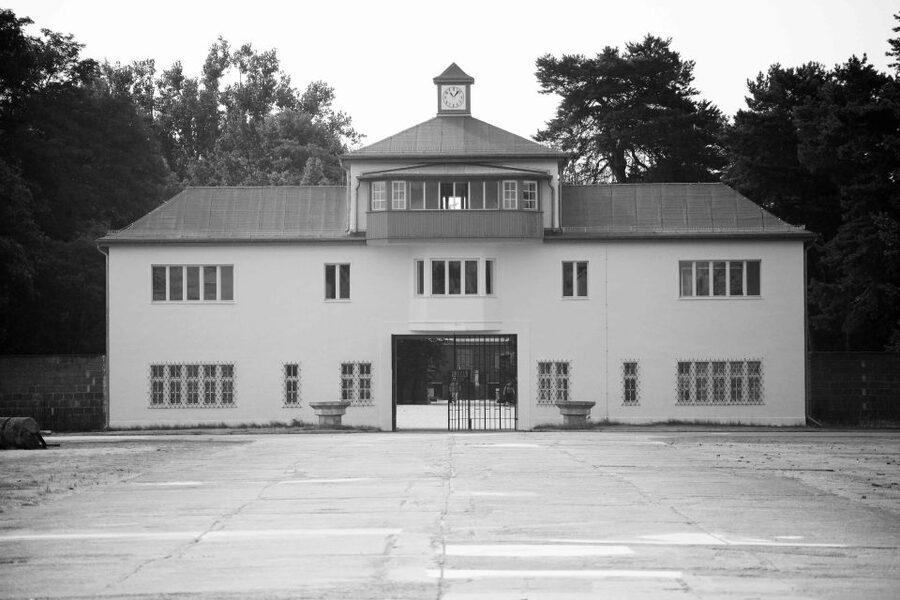
Sachsenhausen is one of those places where history feels painfully physical, not abstract. I like that you go with a licensed guide in a small group of max 15, which makes the whole day easier to follow and keeps questions from getting lost. I also like that the walk is built around specific, high-impact parts of the camp, including Tower A with the work sets you free slogan and Station Z.
That said, this is heavy material and it’s a long outing, so you need to plan for a lot of walking and weather. The guides who lead these tours, like Sarah and Georgia (based on past groups), are often praised for handling difficult topics with care, but you still have to show up with comfortable shoes and patience.
Quick hits on Sachsenhausen (what you will actually remember)
- Max 15 people means more time for questions and a calmer pace through the memorial grounds
- Tower A and Station Z give you two key anchors for understanding how the camp operated
- Jewish barracks and the shoe testing track point you to the specific, cruel systems prisoners endured
- Resistance stories include the 1942 Jewish prisoners’ revolt and survival via a forgery workshop
- Death March context helps connect what happened inside the camp to what came at liberation in 1945
- Licensed, memorial-trained guidance keeps the site grounded in evidence and context
Why Sachsenhausen feels different, and why this tour structure helps
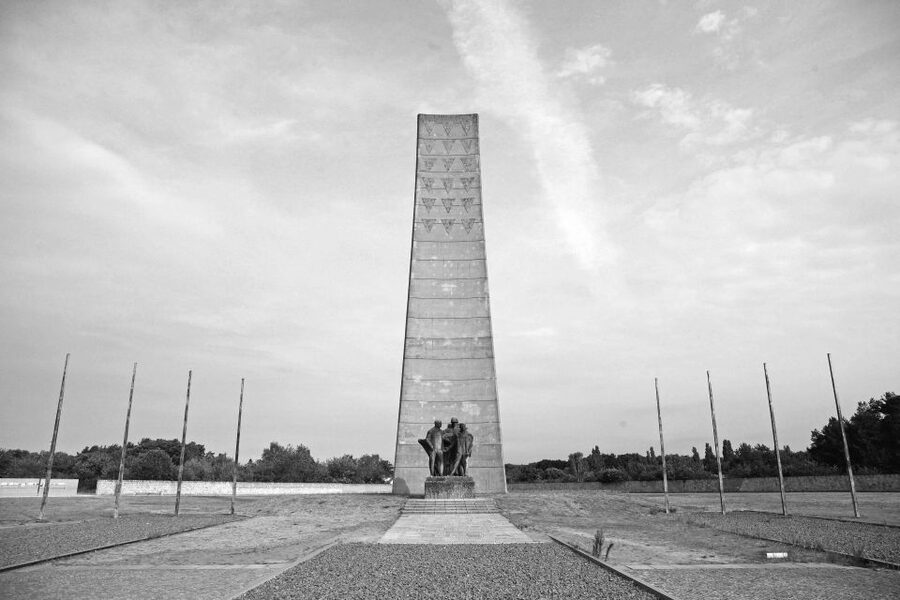
Sachsenhausen is often described as one of the main Nazi camps in Germany, and that matters. It was built in 1936 by the SS as one of the first major models of the Nazi concentration camp system, after Dachau, and it detained people the regime labeled as opposition. When you walk the grounds with a trained guide, you start to see the camp layout as a working machine, not just a set of ruins.
This tour helps you read that machine because the route hits recognizable “study points.” You are not only passing plaques. You are learning what each area meant, and how different prisoner groups were treated. That is where a small group pays off. With max 15 people, you can actually hear the guide, follow the logic of the camp’s design, and ask why something was built the way it was.
I also appreciate that the tone stays serious without turning into a lecture you cannot question. Guides have been praised for being personable and approachable, like Sarah and Georgia, and that matters here because the facts can be upsetting. When you are allowed to ask questions, you walk away with a clearer understanding instead of a blur of dark images.
Other Sachsenhausen memorial visits:
- Berlin: Sachsenhausen Concentration Camp Tour in English
★ 5.0 · 5,711 reviews - Berlin: Sachsenhausen Concentration Camp Memorial Tour
★ 4.7 · 3,716 reviews - Sachsenhausen Concentration Camp Bus Tour in English from Berlin
★ 5.0 · 1,962 reviews
Price and value: what $38 buys you on a half-day plus travel day
The price listed is about $38 per person, and the tour runs 330 minutes, around 5.5 to 6 hours including travel. At this length, you should judge value by what is included, not just the sticker price.
Here’s the value math that works in your favor:
- You get a licensed, trained English guide who is officially approved for the memorial site.
- Your memorial fee is included.
- There’s also a €3 donation to the camp memorial built into the ticket.
- The tour skips the ticket line, which saves time you can spend walking and learning.
- The tour operator also sends a percentage of ticket sales to the memorial for sustainable education and access.
You are also paying for something you cannot DIY easily: the ability to connect witness accounts and the latest historical research to what you see on the ground. It’s one thing to read about Tower A and Station Z. It’s another to have a guide explain what the camp system was designed to do, how prisoners were processed, and what daily life looked like under forced labor and brutal conditions.
The only financial drawback is the obvious one: you still need public transport ticket coverage on your own (an ABC day pass is recommended). But you are already in Berlin, and the tour is organized around public transit, so it is not a complicated add-on.
Berlin to Sachsenhausen by train: the trip you can use for context
This is a public transit tour. You start at the meeting point outside Starbucks opposite Hackescher Markt S-Bahn station. From there, you travel about 50 minutes to the Oranienburg area, then do another short walk to reach the memorial. That structure is smart because it gives the guide time to set the scene before you arrive.
A lot of people underestimate the value of this “travel time” component. By the time you step onto the memorial grounds, you already understand:
- why the camp was created,
- how the Nazis developed the concentration camp system,
- and how Sachsenhausen fit into their broader control strategy.
That makes what you see next feel connected instead of random. Also, you are not stranded in a car service schedule. You’ll get back to Berlin by train, typically arriving at a centrally located station such as Hauptbahnhof, Friedrichstraße, or Gesundbrunnen.
Practical note: bring your shoes and weather gear early. Even though you have a guide, Sachsenhausen is outdoors and the site can be muddy after rain.
Meeting Sachsenhausen: what the first walk and the guided 3 hours actually do
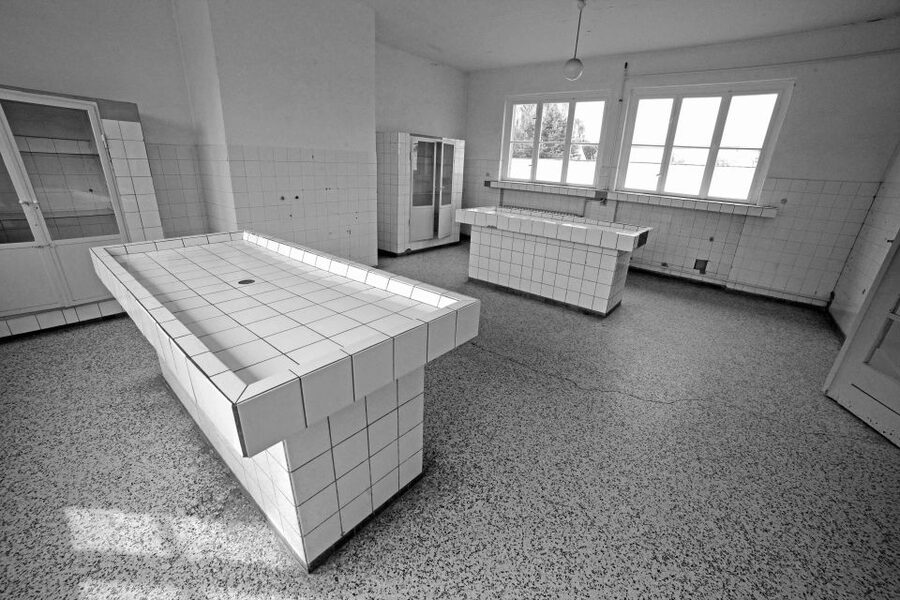
Once you arrive, you have a short walk, about 20 minutes, into the memorial space. That first stretch is useful because the memorial grounds are large, and you need a moment to orient your brain. Then you get the core part: about 3 hours of guided tour inside the Sachsenhausen Memorial.
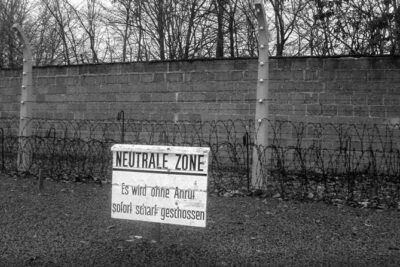
This guided block is where the experience becomes educational in a grounded way. You will see:
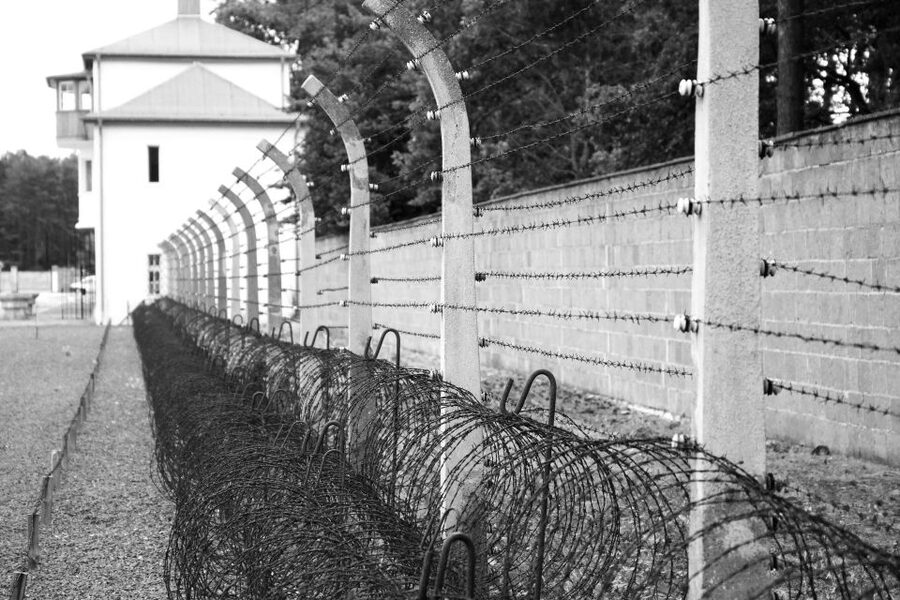
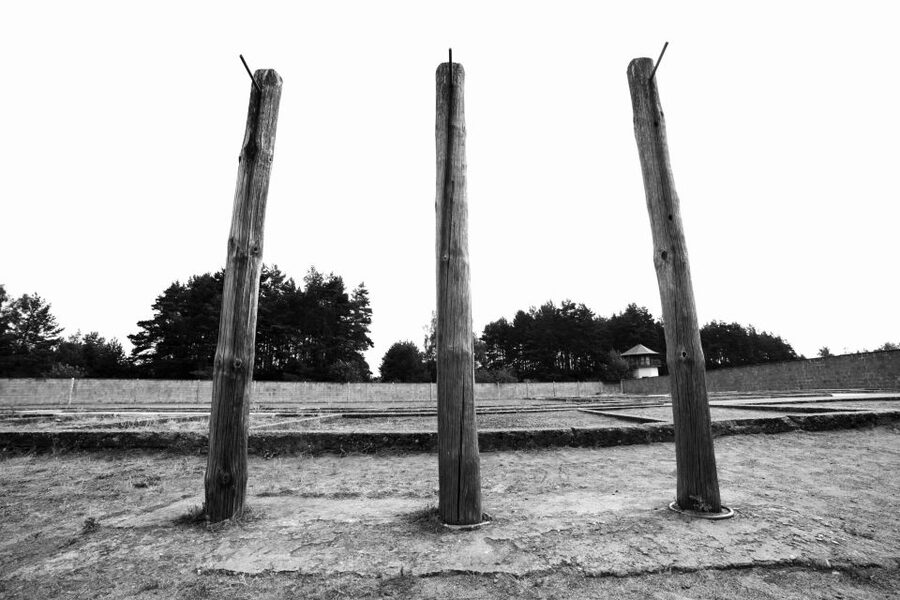
- the remains of watchtowers,
- barrack blocks,
- and execution areas,
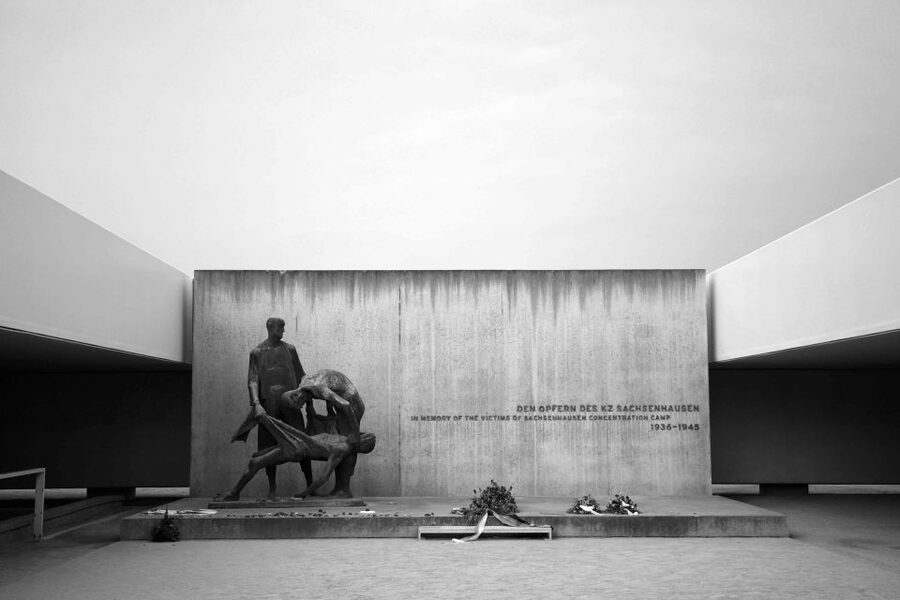
along with memorial statues and plaques.
The guide will connect witness accounts and historical research to the visible remains. That means you are not just looking at objects. You are learning what the camp machinery was meant to accomplish, and how prisoners were forced into brutal routines of forced labor.
If you tend to get overwhelmed by long readings, the structure helps. Instead of asking you to absorb everything at once in a museum room, the tour uses the outdoor layout as the organizing framework. You’ll walk, stop, and then understand. That pacing is one reason small groups work well here.
Still in Berlin, but a different kind of day:
- Berlin: Reichstag, Dome and Government District Guided Tour
★ 4.7 · 18,288 reviews - Berlin: 1-Hour City Tour by Boat with Guaranteed Seating
★ 4.3 · 16,993 reviews - Berlin: Boat Tour Along the River Spree
★ 4.4 · 11,252 reviews - Discover Berlin Half-Day Walking Tour
★ 5.0 · 9,624 reviews
Tower A and Station Z: two stops that teach you how the camp controlled people
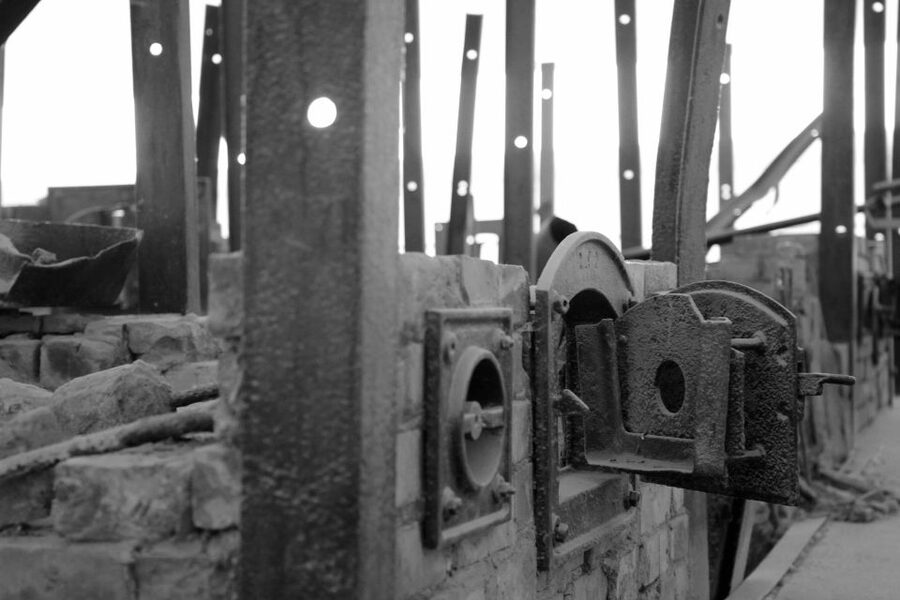
Two highlights shape your understanding fast: Tower A and Station Z.
Tower A, with the work sets you free slogan
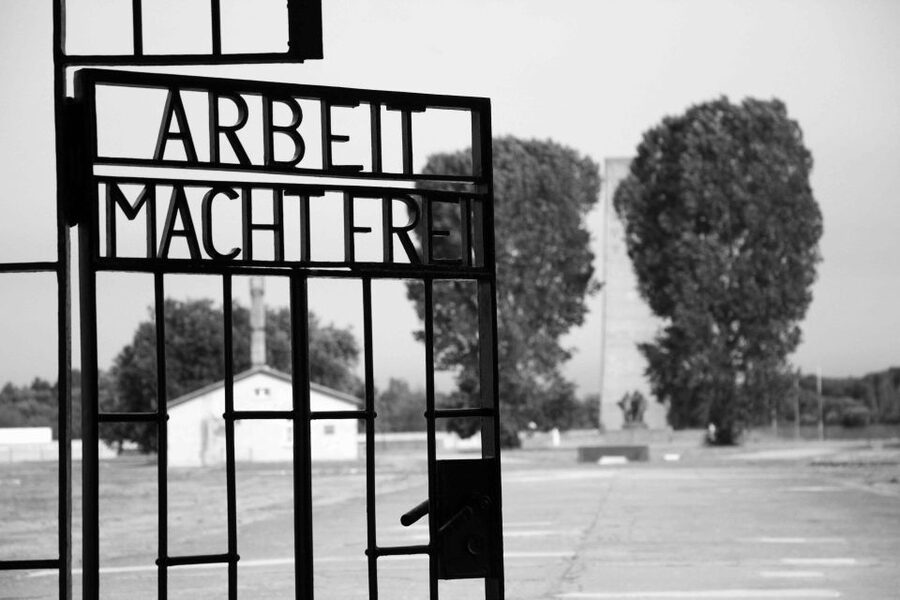
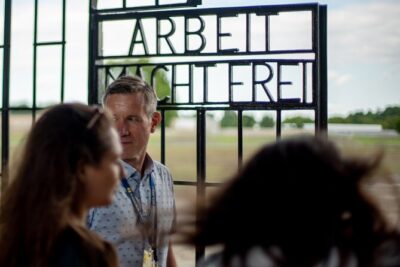
Tower A is not just a landmark. It is a symbol of how the Nazi camp system used language and design to control prisoners. You’ll see the gate with the infamous slogan work sets you free. In context, the message lands as cruel propaganda, because forced labor under severe brutality was the reality of prisoners’ lives.
When a guide points out how slogans like this were part of the camp’s psychological pressure, it changes how you interpret the physical structure. Tower A becomes more than “a tower.” It becomes a reminder that control worked on more than one level: labor, surveillance, and intimidation.
Station Z, the execution center memorial
Station Z is another anchor stop. You walk through the Station Z execution center memorial area. This part focuses the tour on the camp’s capacity for systematic killing.
Again, the power here is context. The guide does not treat it as isolated tragedy. They explain how the camp system functioned, why certain areas existed, and how execution and forced labor were tied to the regime’s goals.
If you only have one takeaway from Sachsenhausen, make it this: the camp was designed. It was not chaos. Understanding that design is what turns “sad history” into clear historical reality.
Jewish barracks, shoe testing, and the prison buildings that show daily cruelty
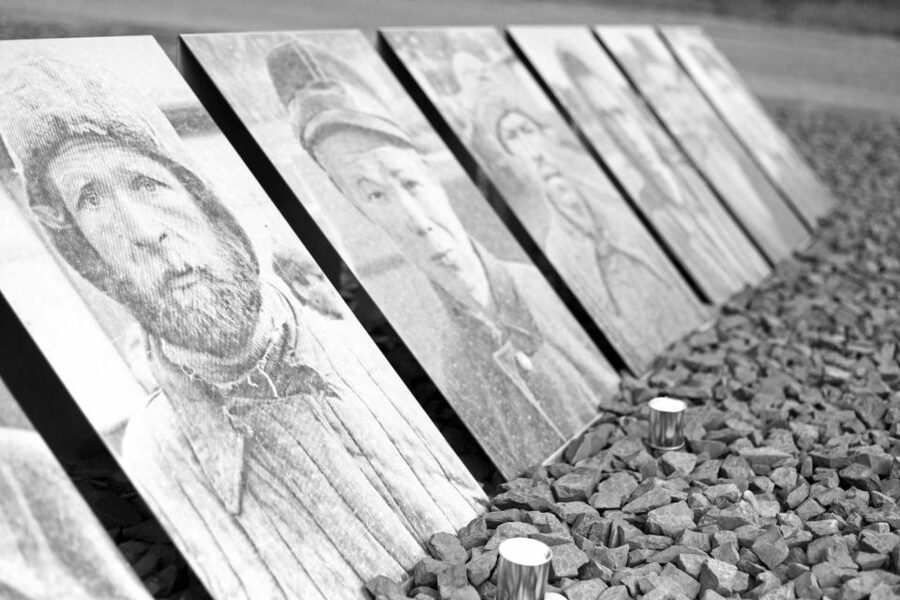
A big reason this tour earns strong ratings is that it does not skip the grim practical details. You will see areas tied to imprisonment conditions and specific cruel experiments and systems.
Key sites on the route include:
- the Jewish barracks,
- the shoe testing track,
- the prison kitchen,
- and the infirmary barracks.
These stops matter because they show you what people lived through, not just what happened at the most extreme moments. Prisoner life in a concentration camp included forced labor and confinement, yes, but also a degraded medical and everyday system where the Nazis treated suffering as acceptable and controllable.
The shoe testing track and infirmary areas are especially hard, but they are also clarifying. They connect policy to physical outcomes. You can look at the remains and understand that the system was not only about detaining people. It was about exploiting bodies, breaking people down, and enforcing a hierarchy of who mattered and who did not.
Just as important, your guide uses this to explain prisoner groups and how treatment varied. That is one of the main ways you avoid turning the visit into generic sadness.
Resistance, survival, and the end of the camp: the stories that change the meaning
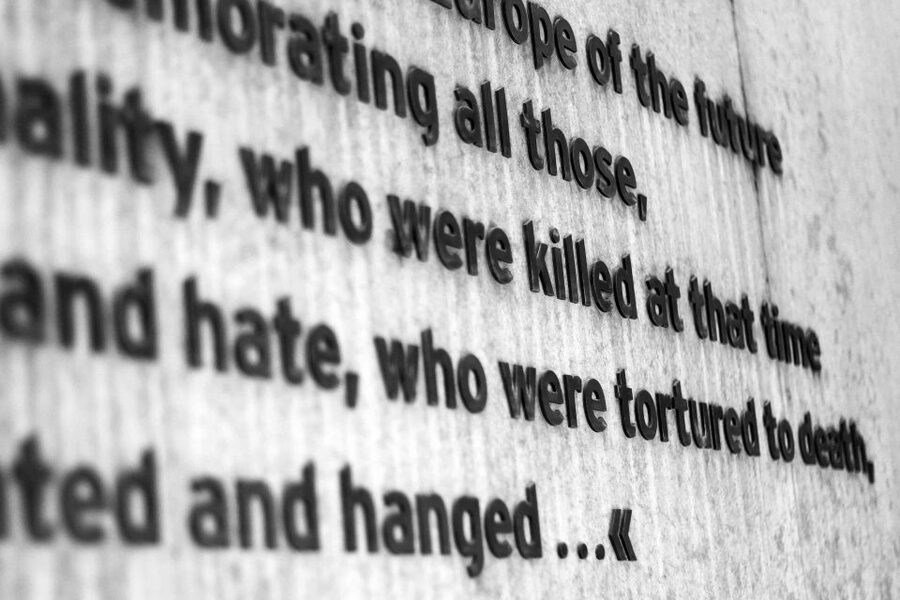
One of the most valuable parts of the tour is that it includes resistance stories. This does not soften the history. It gives it range, and it answers a question you may be holding in your head while you look at the structures: what did people do when escape felt impossible?
On this tour, you hear about:
- the revolt of Jewish prisoners in 1942,
- survival through counterfeiting in a forgery workshop, including millions of pounds sterling,
- escape history connected to the tunnel dug by Jimmy James,
- and the history of the death march ahead of liberation in 1945.
Those elements matter for you because they build a fuller picture of human behavior under extreme conditions. The camp was a place of cruelty, but it was also a place where people resisted in ways they could, even when the odds were terrible.
The death march context is also essential. Without it, liberation can feel like a sudden stop. With it, you understand that the period leading up to freedom still involved organized terror and forced movement.
If your goal is meaning, not just facts, this is where the tour earns it. It helps you leave with a clearer moral map of what the camp represented, and how people pushed back even inside the system.
How to handle a heavy day: walking time, questions, and staying steady
Sachsenhausen tours are emotionally challenging, and this one is long. The timing includes travel to and from Berlin and a long walk between sections. Plan to spend serious time on your feet.
Here’s how to make the day work for your body and attention:
- Wear comfortable shoes. The site can be muddy after rain.
- Bring water and a snack, because there are no shops or cafés on site or around the memorial where you can buy food.
- Dress for weather. This is not a plan that stops outside time just because it is grey.
- Use the small group to your advantage. When you have a question, ask it. A big tour can swallow questions, but max 15 makes it possible to get clear answers.
One more practical point: because the content is hard, I recommend you keep your expectations realistic. You are not going to “power through” by speed reading plaques. Your best strategy is to slow down at the stops that feel important and ask the guide what you should notice.
Also, if you like your history with details and not just broad labels, this tour has that. The guide is specially trained for this site, officially licensed, and uses witness accounts and current historical research to connect the physical remains to lived experience.
Who this Sachsenhausen tour is best for, and who might want a different fit
This is ideal if you:
- want a structured, guided visit instead of trying to piece together a camp layout on your own,
- prefer a small group so you can ask questions and stay oriented,
- and care about understanding the Holocaust with context, not just isolated facts.
It’s also a strong match if you enjoy learning through walking routes and stop-by-stop interpretation. The tour is designed around recognizable areas like Tower A and Station Z, plus specific buildings tied to prison life.
If you struggle with emotionally heavy topics, this tour can still be meaningful, but you should be prepared for that intensity. The operator warns you up front that it is challenging. For that reason, you might want to choose a day when you can handle a serious experience afterward, not a day packed with other commitments.
Should you book this tour?
I think you should book it if you want the best balance of access and understanding for a half-day plus travel day. At around $38, you get a licensed guide, memorial fee coverage, a donation included, and a route that hits major parts of the camp system instead of a vague overview.
Book it especially if you care about specific, high-impact sites like Tower A and Station Z, and if you want resistance stories explained in a way that connects them to the camp’s reality. The max 15 group size is the practical advantage that turns a difficult subject into something you can actually process.
If you hate long outdoor walking or you are uncomfortable with heavy, explicit historical topics, then this might be too much on a single day. But for most people seeking a serious, guided Sachsenhausen experience from Berlin, this is a very strong choice.
FAQ
How long is the Sachsenhausen tour from Berlin?
The tour duration is 330 minutes, about 5.5 to 6 hours including travel time.
How big is the group?
The group is limited to a maximum of 15 participants.
Where do I meet the tour?
You meet outside Starbucks opposite Hackescher Markt S-Bahn station.
How do we get to Sachsenhausen, and do I need a transport ticket?
The tour uses public transport. A public transport ticket is required, and an ABC day pass is recommended.
What language is the guide?
The tour is in English.
Is the tour mostly inside or outside?
The tour includes a lot of walking and many stops at outdoor areas of the memorial site.
Are there shops or places to buy snacks on site?
No. There is no possibility to buy drinks or snacks on site, so you should bring water and a snack.
What’s included in the price?
Included are a licensed and trained guide, the memorial fee, and a €3 donation to the camp memorial. Public transport tickets are not included.
Recently added around Berlin
- Berlin Private Custom Walking Tour With A Guide (Private Tour)★ 4.5 · 8 reviews
- One Up to 3 Rickshaws(6 GUESTS)-Taylor Made Rickshaw Berlin Tour★ 5.0 · 20 reviews
- Moonshine Comedy – English Stand Up Comedy by the bay★ 5.0 · 11 reviews
- Private Half-Day Berlin Sightseeing Tour with a Minivan Including Short City Walks★ 5.0 · 31 reviews
- Private taxi tour to Potsdam and Sanssouci 6-8h★ 5.0 · 30 reviews
- Private tour of Berlin★ 5.0 · 15 reviews
- Private City Kickstart Tour: Berlin★ 4.5 · 71 reviews
- Private Tutankhamun’s Tomb Live Escape Room in Berlin★ 3.5 · 11 reviews
Sachsenhausen Memorial Visits, compared.
Sachsenhausen Concentration Camp Tour in English
Read our review →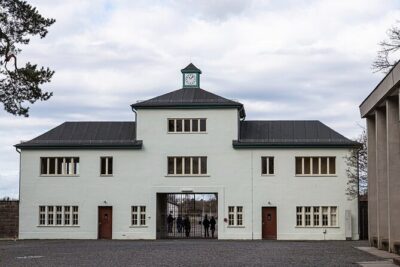
Sachsenhausen Concentration Camp Memorial Tour
Read our review →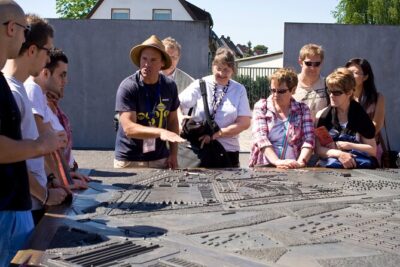
Sachsenhausen Concentration Camp Bus Tour in English from Berlin
Read our review →Sachsenhausen Concentration Camp Tour in English
Read our review →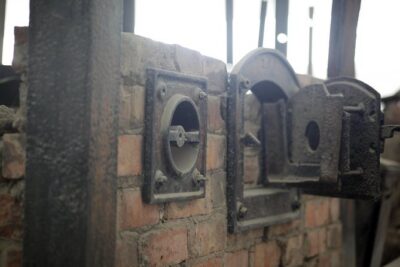
Sachsenhausen Concentration Camp Memorial Tour (Max. 15 Guests)
Read our review →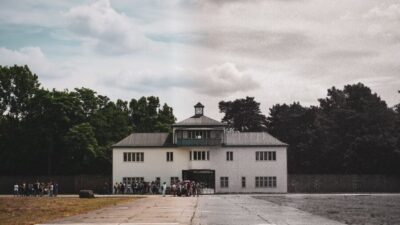
Sachsenhausen Concentration Camp and Potsdam Tour
Read our review →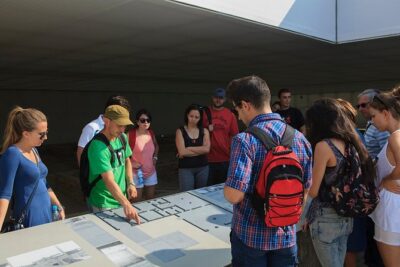
Visita en español al campo de concentración Sachsenhausen
Read our review →Browse the lists this tour appears in