
Reviewed · STREET ART & ALTERNATIVE TOURS
Berlin: Alternative & Street Art Tour
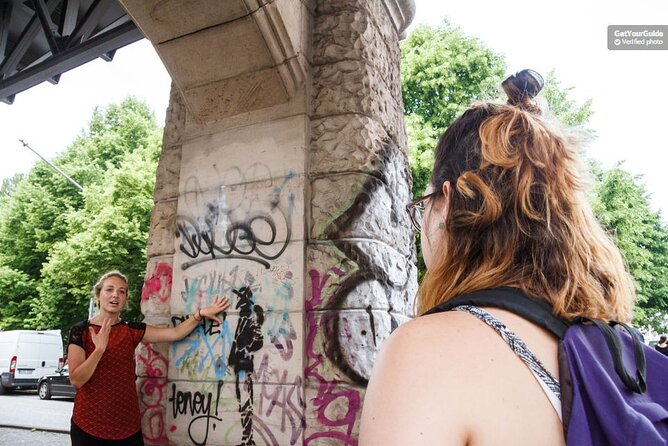
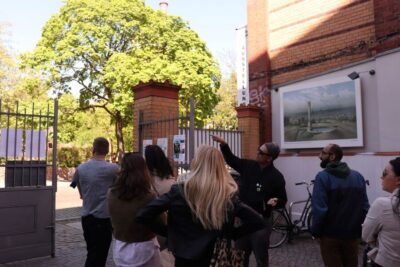
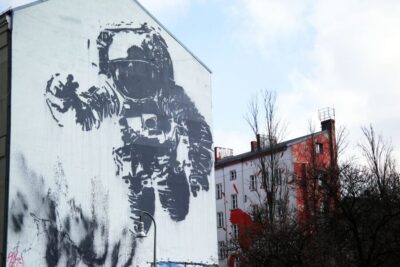
This 3-hour walk is interesting because it threads graffiti and Berlin subcultures together with music and politics, not just paint on walls. You follow an English speaking guide through the city’s alternative back streets and photo spots that most people miss.
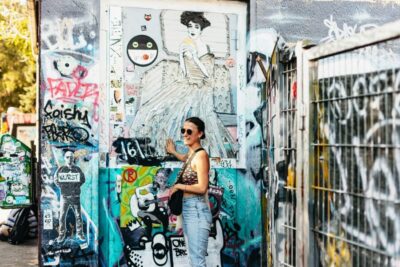
I love the foto opportunities built into every stop, because the scenes feel real and ready to shoot, not like a museum setup. I also love how the guide ties what you see to the city itself, explaining why Berlin pulls in artists and how squatting culture and gentrification shaped the creative crowd.
One thing to consider is that the exact focus can shift with your guide, so you might spend more time on graffiti and subcultures in Friedrichshain and Mitte or more on squatting stories in Kreuzberg.
Key highlights I would plan around
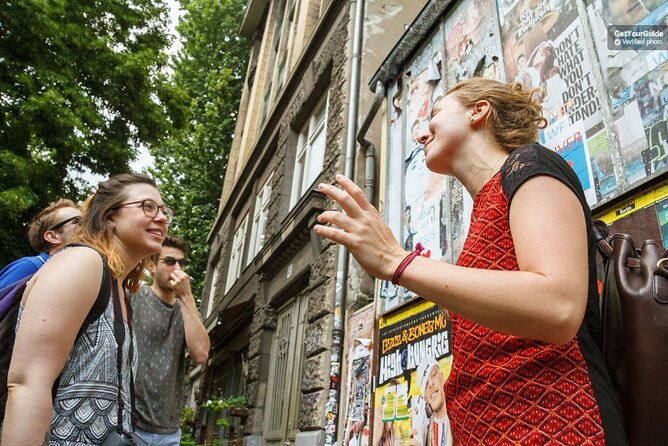
- Photo heavy route with standout street art stops and quick, scenic moments you can actually frame
- Two area styles in one tour, Friedrichshain and Mitte for street art and graffiti, Kreuzberg for squatting and change
- Stops that map to Berlin’s alternative scene, from Haus Schwarzenberg to RAW Gelände
- Berlin music and politics in the story, from punk rock to techno, not just visual art talk
- Photo ready outdoors spots, including YAAM beach and the treehouse on the wall
- Small time commitment, 3 hours for a full first overview of the city’s underbelly
Why Berlin’s street art tour feels different in just 3 hours
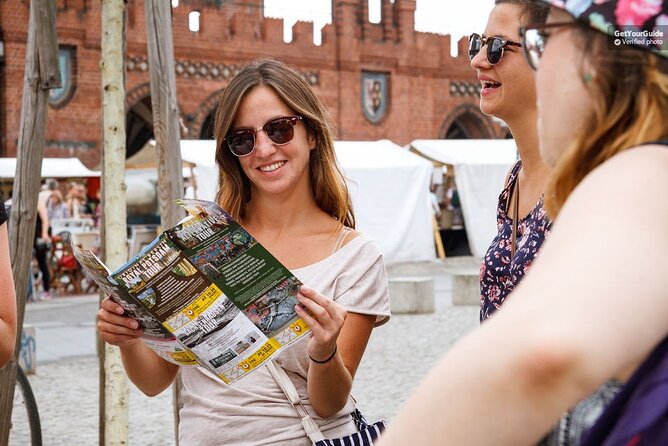
If you only have a short window in Berlin, this kind of walking tour is a smart way to get your bearings fast. Instead of treating street art like random wall decoration, the guide connects it to people, scenes, and debates that run through Berlin.
The tour is also built around contrast. You move from back streets to recognizable names, and from punk rock and techno talk to the practical realities of creative communities, including squatting and the long road to gentrification. That mix is exactly what makes Berlin feel distinct compared with other big street art cities.
I like that the experience is designed for your eyes and your brain at the same time. You see walls, structures, and places that look like they belong to the city’s side streets, then you get the “why” behind them in plain language.
More street art and alternative tours in Berlin:
- Berlin: Alternative Berlin Walking Tour
★ 4.6 · 1,204 reviews - Berlin: City Street Art Guided Walking Tour
★ 4.8 · 886 reviews - Berlin: 3-Hour Street Art Tour
★ 4.7 · 778 reviews
Meeting under the TV tower, then getting oriented with street art in mind
You meet right underneath the TV tower, in front of Vapiano. That is convenient because it is a major landmark, so you do not have to hunt obscure start points with limited daylight.
From there, the tour runs on a simple rhythm. You walk, you stop, you look closely, and you listen. The whole session is set for rain and shine, so plan like the weather will matter. Bring something you can handle outdoors, and expect you will be taking photos along the way.
The tour ends back at the meeting point, so you do not need a transport plan to get back. That matters in Berlin, where it is easy to lose time hopping between neighborhoods if you do not have a clean ending location.
Also, the tour is wheelchair accessible and suited for all ages. If you are traveling with kids or with someone who prefers a calmer pace, this format generally works because it is a guided walk with frequent stops rather than a long “just hike there” day.
Friedrichshain and Mitte, graffiti and street art through real Berlin subcultures
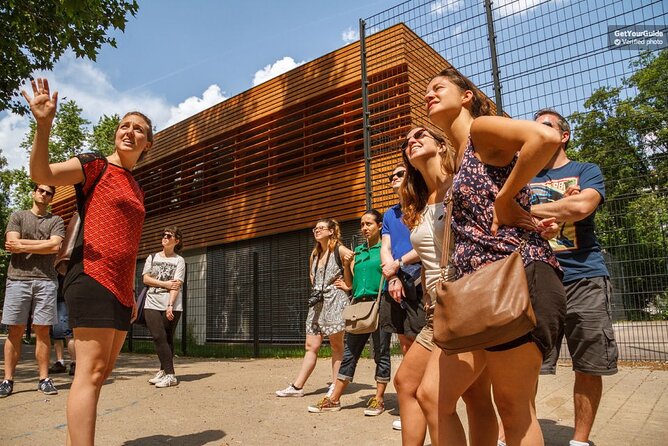
The tour includes an introduction to street art and graffiti in Friedrichshain and Mitte. This is where the guide’s perspective matters most, because Berlin’s street art scene is not one uniform style. It is shaped by scenes that overlap, compete, and sometimes argue.
As you move through these areas, you are not just “noticing art.” You are learning how to read it. You start to see how graffiti and street art can signal belonging to a subculture, how music and politics show up in the same conversations, and why some artists live and work in Berlin rather than elsewhere.
This is also a section where you should slow down. If you want great photos, take the time to aim for layers: foreground details, wall textures, and the surrounding streetscape. The guide will point out what to look for, but you still control your camera angles.
Kreuzberg stories you can connect to what you see, squatting, revolution, and gentrification
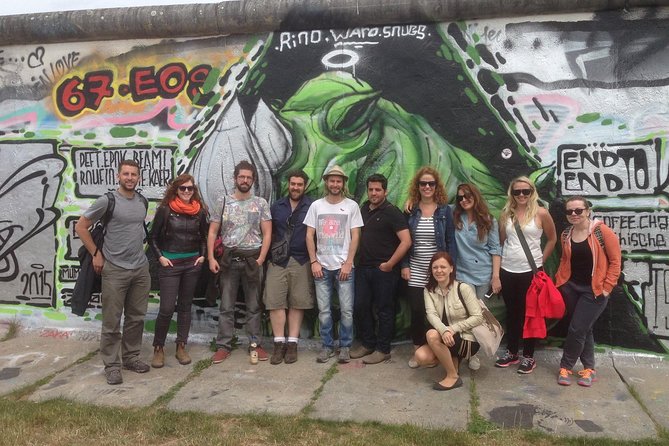
Then the tour shifts toward Kreuzberg, with a focus on the history of squatting, revolution, and gentrification. This part matters because it explains why Berlin has so much street art in the first place.
The big idea is simple. When people fight for space, culture follows. When neighborhoods change, the creative energy does not always disappear, but it often moves, adapts, or gets pushed into new corners. Berlin’s street art becomes a visual record of that tension.
You also get a reminder that the alternative side of Berlin is not only aesthetic. It is social. Punk rock, techno, politics, and squatting culture are all part of the same conversation, and your guide connects those dots while you walk.
If you are the type of traveler who likes context, this section is where the tour feels most useful. If you mainly want quick photos, you can still enjoy it, but you might prefer to ask more questions during stops so the stories land without slowing your pace too much.
Still in Berlin, but a different kind of day:
- Berlin: Reichstag, Dome and Government District Guided Tour
★ 4.7 · 18,288 reviews - Berlin: 1-Hour City Tour by Boat with Guaranteed Seating
★ 4.3 · 16,993 reviews - Berlin: Boat Tour Along the River Spree
★ 4.4 · 11,252 reviews - Discover Berlin Half-Day Walking Tour
★ 5.0 · 9,624 reviews
Haus Schwarzenberg, where the alt scene feels like part of the street
One of the named stops is Haus Schwarzenberg. You see it as part of a route built around alternative culture, so it is not treated like a random photo stop. The guide frames it in the same “people and scenes” language you hear throughout the tour.
What I like about stops like this is that they give you something more than a wall. Berlin street art tours can sometimes feel like you walk from one flat surface to another. Haus Schwarzenberg-style stops break that pattern because they sit inside a broader street culture story.
Practical tip: plan to take a couple of quick shots first, then spend a minute looking at the details. Many of the best images come from spotting how the art interacts with the location around it, not only the artwork itself.
YAAM beach, a surprising stop that shows Berlin’s sense of reinvention
Another highlight on the route is YAAM beach. Even just hearing the name, you get the idea: Berlin loves reinvention. It is not only about serious faces and political walls. It is also about creating a place where people gather, especially when the city supports creativity and experimentation.
On this tour, YAAM beach is included for the way it fits the overall message. Street art is not separated from music and community life. It exists in the same city system as clubs, casual hangouts, and outdoor spots.
I like this stop because it adds variety in your walking day. After time focused on graffiti and stories about change, you get a different kind of scene to photograph and enjoy.
Künstlerhaus Bethanien, why creative spaces matter for street-level art
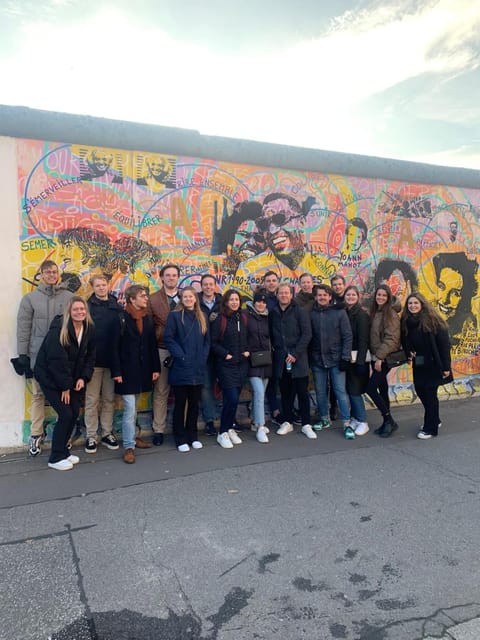
The tour also includes Künstlerhaus Bethanien. This stop supports one of the tour’s main themes: why Berlin draws artists and helps them keep working.
Even if you are not an art-world insider, you can still appreciate what this kind of place represents. It signals that creativity is organized, shared, and built into the city instead of happening only in private studios or far away from everyday life.
What you should do here: watch for how the guide connects the spot to the larger Berlin story you have been building since the Friedrichshain and Mitte introduction. That connection is what turns a list of names into a coherent experience.
Treehouse on the wall, a photo moment with a strong Berlin vibe
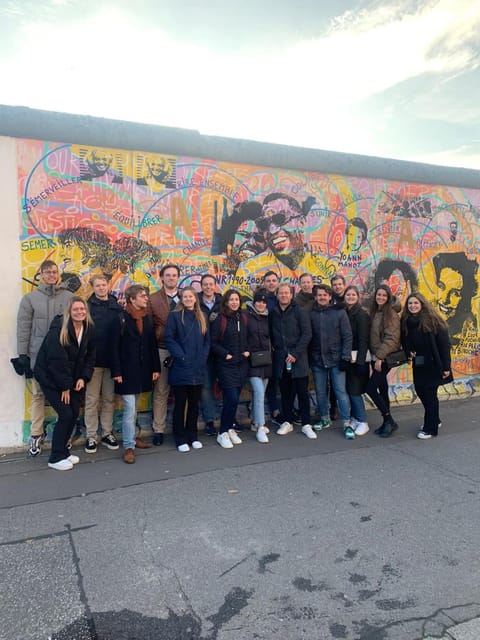
You also visit the treehouse on the wall. This is exactly the kind of stop that makes a street art tour worth it. It gives you an image you cannot fake with a normal street corner shot.
The guide includes it because it fits the theme of alternative culture in physical form. Berlin does not only write its identity in paint on concrete. Sometimes it builds it into structures people can see and experience.
If you like photography, use this moment to experiment. Try one wider shot that includes the surrounding context, and then one closer shot that focuses on textures and details. The treehouse style gives you natural variety within the same subject.
SO36, linking walls and music culture in Berlin
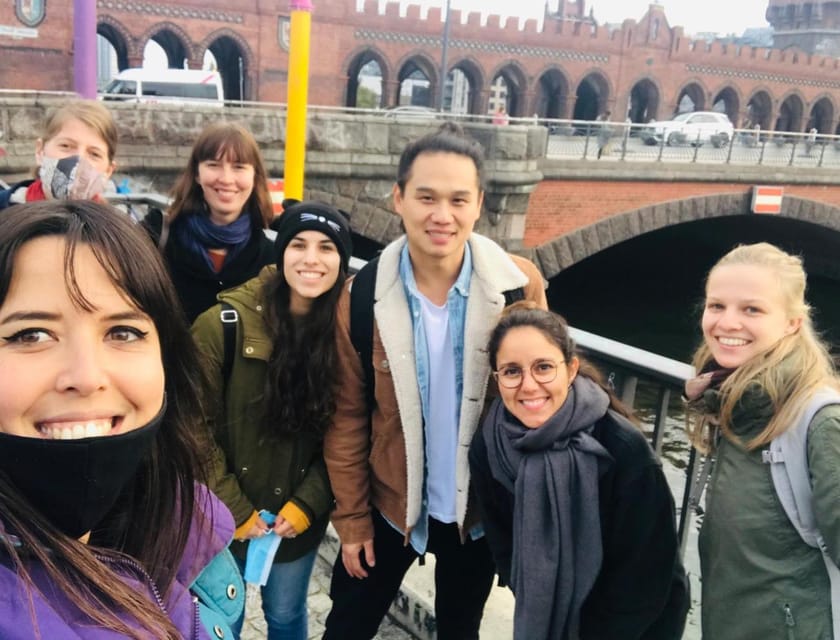
Another named stop is SO36. Music is part of the tour’s promise, and this is where it becomes more than a background theme.
This stop helps you understand why Berlin’s street art conversations often travel alongside the city’s music scenes. When your guide talks about punk rock and techno, you are not left with vague ideas. You walk past places that belong to that ecosystem.
If you want to get the most out of this stop, listen for the way the guide explains connection rather than just listing facts. The real value is learning how Berliners talk about culture as something lived, not something posted online.
RAW Gelände, ending with the alternative scene in full view
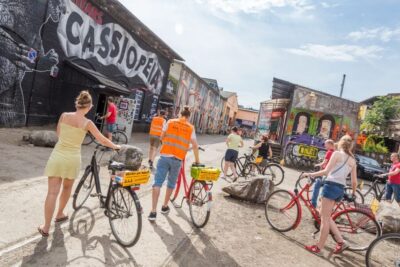
The tour ends with a visit to RAW Gelände. This is included as part of the route that keeps the focus on Berlin’s underbelly, meaning you are finishing somewhere that supports the tour’s core idea: the alternative scene is not an afterthought.
Finishing at a larger alternative setting also gives you a useful effect. It helps you synthesize everything you heard earlier. You have already covered graffiti and street art language in Friedrichshain and Mitte, then the story of squatting and gentrification in Kreuzberg. At RAW Gelände, the tour feels like it is tying those themes back to the present.
Photo tip: do not spend all your energy on the big sights only. Take at least one shot that includes a human-scale detail, something that shows how people move through the place. It makes your photos feel more like Berlin and less like postcard snapshots.
Price and value at $23 per person for a 3-hour guide
At $23 per person, the value is mostly about what you get for your time. You are paying for an English speaking guide and a structured walk that strings together multiple major stops tied to Berlin’s alternative culture.
That price makes the biggest sense if you want two things at once: good street art photo opportunities and context that helps you understand why Berlin’s creative scenes persist. If your goal is only quick photos with no listening, you might feel like you could do it on your own. But if you want the connections between squatting culture, music, and the visual art around you, a guided 3-hour format is a strong deal.
A couple of practical cost notes:
- Food and drinks are not included, so plan a snack buffer or eat before you go.
- Transportation tickets are not included, but the tour ends where it starts, which helps.
- Gratuities are not included, which is typical, so you can decide based on how much you liked the guide.
Pace, weather, and what to bring for rain and shine
This tour takes place rain and shine. That means you should bring weather-ready gear, especially if you care about photography. I would plan for wet pavement, dripping backpacks, and camera protection.
Wear shoes you trust on uneven streets. A walking tour is still a walking tour, even when it includes frequent stops. And because it is suited for all ages, it generally stays accessible, but you still have to physically move between locations.
Also bring your phone or camera with enough battery. The route is built around photo moments, so you do not want to run out halfway through the treehouse on the wall or YAAM beach section.
How guide choice changes the tour, and why Damien and Antonio Castello are standouts
The tour can vary slightly depending on your guide’s profession and personal interest. That is not a problem, it is part of the appeal. Your experience can lean more toward street art and graffiti details in Friedrichshain and Mitte, or more toward the historical story of squatting, revolution, and gentrification in Kreuzberg.
The reviews attached to this tour highlight strong guide energy. Damien is described as enthusiastic and able to make the alternative side of Berlin feel clear and enjoyable. Antonio Castello is praised for making the tour for the group and delivering a strong insight into alternative Berlin.
So if you care about how the guide speaks, this is worth booking with intention. The best match for you is the guide who spends time connecting the art on walls to the living scenes behind it, while still stopping often enough for you to take photos.
Who should book this alternative street art walk
This tour is a good fit if:
- you want an intro to Berlin’s street art and graffiti culture in a short window
- you like explanations that connect art to politics and community life
- you want photo opportunities without having to plan a full day of route research
- you travel with mixed ages or prefer a wheelchair accessible walking tour
It might not be the best fit if you only care about seeing the biggest murals from a distance. This tour is story-led. The guide is part of the product.
Should you book this Berlin Alternative and Street Art tour
I would book it if you want a clear, guided first look at Berlin’s alternative side that goes beyond “take a picture and move on.” The combination of named stops, a structured walk across Friedrichshain, Mitte, and Kreuzberg, and the emphasis on punk rock, techno, and the politics behind creative spaces makes it feel like more than a sightseeing loop.
If you like street art and you also like context, you will get value from the way the guide ties it all together. Just go in with the understanding that the focus can shift with your guide, so ask yourself which part you care about most: graffiti details and subcultures, or the squatting and gentrification story.
FAQ
What is the duration of the Berlin Alternative and Street Art Tour?
The tour lasts 3 hours.
Where do I meet for the tour?
You meet underneath the TV tower in front of the Vapiano restaurant.
Is the tour in English?
Yes, the tour includes an English speaking guide.
Will the tour run in bad weather?
Yes. It takes place rain and shine.
What is included in the price?
The price includes an English speaking tour guide.
What is not included?
Food and drinks, transportation ticket, and gratuities are not included.
Is the tour wheelchair accessible and suitable for kids?
Yes. It is wheelchair accessible and suited for all ages.
Recently added around Berlin
- Berlin Private Custom Walking Tour With A Guide (Private Tour)★ 4.5 · 8 reviews
- One Up to 3 Rickshaws(6 GUESTS)-Taylor Made Rickshaw Berlin Tour★ 5.0 · 20 reviews
- Private Half-Day Berlin Sightseeing Tour with a Minivan Including Short City Walks★ 5.0 · 31 reviews
- Private taxi tour to Potsdam and Sanssouci 6-8h★ 5.0 · 30 reviews
- Moonshine Comedy – English Stand Up Comedy by the bay★ 5.0 · 11 reviews
- Private City Kickstart Tour: Berlin★ 4.5 · 71 reviews
- Private tour of Berlin★ 5.0 · 15 reviews
- Private Tutankhamun’s Tomb Live Escape Room in Berlin★ 3.5 · 11 reviews
Street Art & Alternative Tours, compared.
Alternative Bike Tour of Kreuzberg & Friedrichshain
Read our review →
East Meets West: Berlin Food Culture & Street Art
Read our review →
Experience the Alternative Kreuzberg on a Bike Tour
Read our review →Browse the lists this tour appears in