
Reviewed · CITY TOURS
Charlottenburg: 2-Hour City Walking Tour
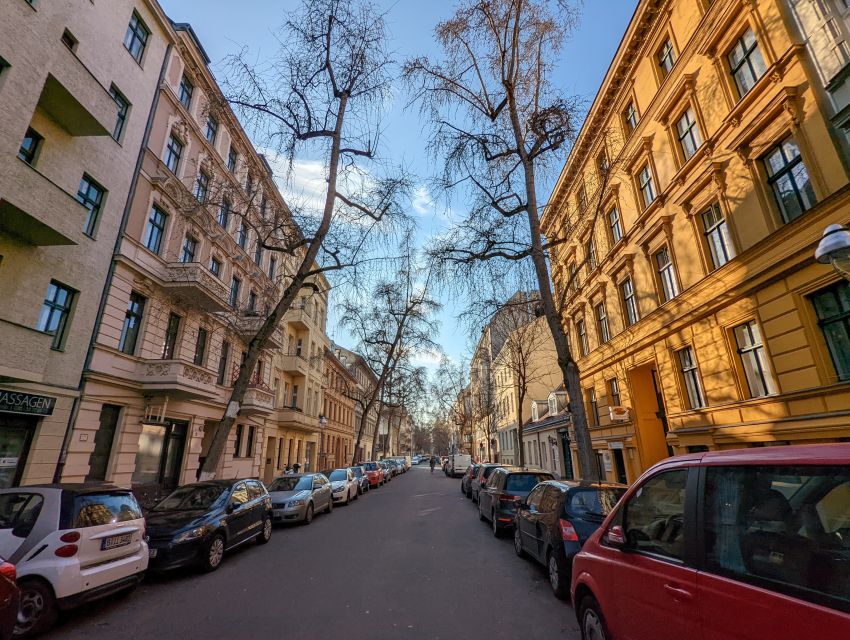
Charlottenburg is the kind of Berlin neighborhood that rewards slow walking. You get big-time power in the form of Charlottenburg Palace, but you also see real street life in places like Klausener Kiez.
What I like most is the way the tour strings together history and city design, from the medieval nucleus to places tied to 18th-century planning. You also get a very guided, question-friendly format with an expert who keeps the facts moving.
One thing to consider: the tour runs for 2 hours in rain or shine, and it is conducted in German. If you are not comfortable with German, plan on using a translation app and expect less back-and-forth.
Key highlights worth planning for
- Rathaus Charlottenburg start point: easy to find, and a strong opening scene for the neighborhood’s story
- Medieval old village square: you will get older-than-you-expect context right away
- Heinrich Zille and the Stadtbad area: Berlin working-class inspiration in a specific, place-based way
- 18th-century urban planning near Luisenkirche: practical notes on how the city shaped itself
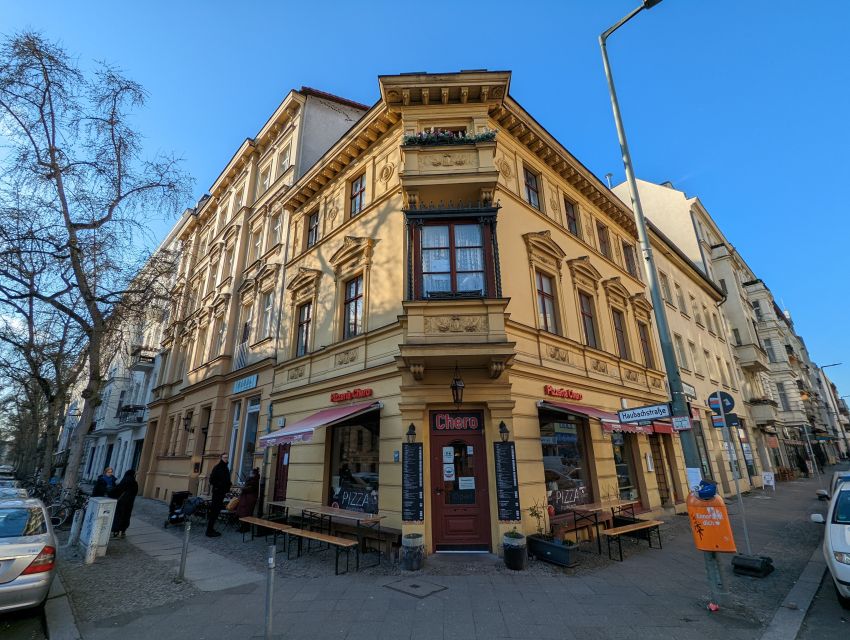
- Klausener Kiez street stops: cafes, thrift stores, and corner shops instead of a museum-only route
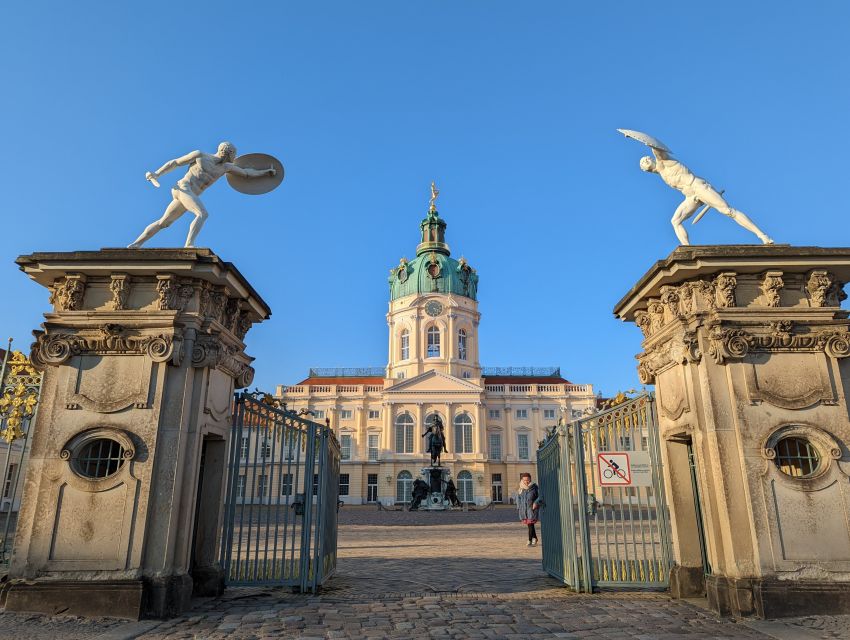
- Charlottenburg Palace and Stüler buildings: a grand ending with dome-topped architecture
Why Charlottenburg Feels Like Berlin with a Capital B
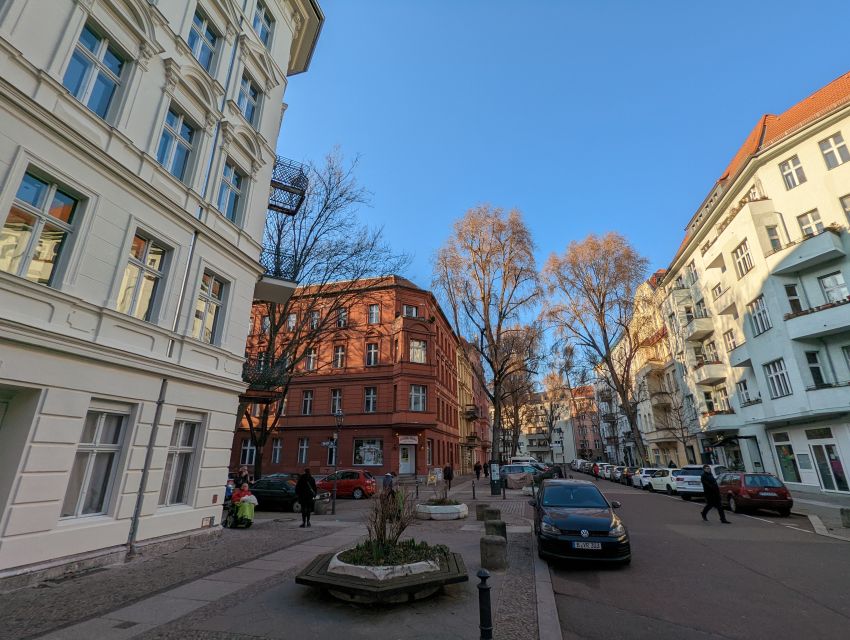
Charlottenburg can look formal from a distance. Up close, it reads like a working neighborhood that still has its own rhythm. That balance is the whole point of this 2-hour walk: you get the palace-scale view of power, then you walk through streets where people still do normal errands.
I like that the tour does not treat history like a museum label. You will connect old village shapes, schoolhouse dates, and street corners to how Charlottenburg became the place it is now. The best part is that you are not just seeing sights, you are learning what those sights are doing for the city.
The other plus is the guide style. The format stays lively and structured, and the guide’s historical city knowledge is presented in a way that makes it stick. When you ask questions, the answers are part of the flow, not an interruption.
More Charlottenburg Palace tours:
- Berlin: Charlottenburg Palace Entry Ticket
★ 4.4 · 2,076 reviews - Charlottenburg Palace with an excursion to Potsdam
★ 5.0 · 23 reviews - Skip-the-line Charlottenburg Palace Private Tour & Transfers
★ 5.0 · 6 reviews
Meet at Rathaus Charlottenburg and Get Your Bearing Fast
Your walk starts at the main entrance to Rathaus Charlottenburg. That matters more than it sounds. Starting at a city hall gives you an immediate anchor for the neighborhood’s prosperity and civic identity, and it helps you understand why the surrounding streets developed the way they did.
Early on, the tour sets up the timeline you are about to walk through. You shift from grandeur to basics fast, from a symbol of community wealth to an older medieval core where Charlottenburg’s story begins before palaces took over the headlines.
This is also where you should settle into the pace. It is about 2 hours on foot, and the route is designed to keep moving without feeling rushed. Wear comfortable shoes, because Berlin sidewalks can be a mix of smooth and rough depending on the block, and you will be out long enough to notice.
Old Village Square to Prussian Power: How the City Shapes Itself
After the Rathaus, you head toward the medieval nucleus, specifically the old village square. This is where Charlottenburg stops feeling like a single attraction and starts feeling like a real place with layers.
You will learn how the neighborhood grew from older village patterns into a planned urban area. The tour connects that evolution to Prussian influence, so the changes feel logical instead of random. It’s the kind of city-history connection that makes you look at a street and think, someone designed this, or someone corrected it later.
From there, the walk continues toward areas associated with 18th-century urban planning. You get a sense of how major buildings, churches, and street layouts worked together. The guide’s anecdotes help too, because they turn abstract planning into something you can picture while you stand in front of the buildings.
Heinrich Zille and the Stadtbad Area: Art That Started with Side Streets
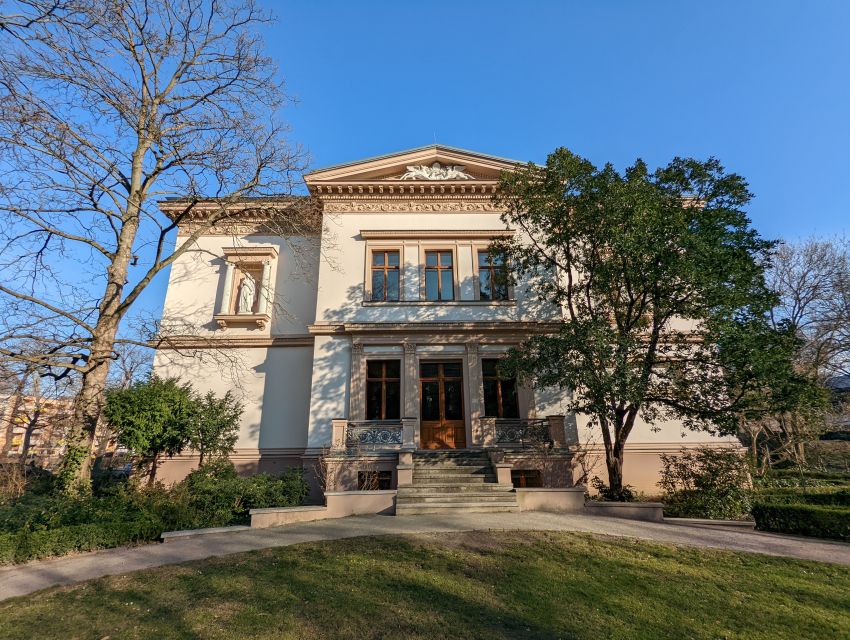
One of the most memorable stops is tied to Heinrich Zille. You will hear where he found motifs for his lovingly ironic depictions of Berlin’s working-class life, near the historic Stadtbad.
This is a great example of what makes a neighborhood walk better than a photo sprint. You do not just hear that Zille was an artist. You hear that he watched people, everyday scenes, and the tone of ordinary life, and he pulled that material from real locations.
If you like cultural history, this section works well because it slows the pace in your head. You start noticing details that are easy to miss on your own: building types, street angles, and the general vibe of the block. Even if you do not care about art history, it still helps you understand the social side of Berlin.
More walking tours in Berlin:
- Discover Berlin Half-Day Walking Tour
★ 5.0 · 9,624 reviews - Berlin: Third Reich and Cold War 2 Hour Walking Tour
★ 4.9 · 6,830 reviews - Berlin: Discover Berlin Walking Tour
★ 4.9 · 5,998 reviews - Berlin’s Best: 2 Hour Walking Tour Third Reich and the Cold War
★ 5.0 · 5,486 reviews
Luisenkirche, 18th-Century Urban Planning, and the Logic of Streets
Near Luisenkirche, the tour turns more explicitly into architectural history and city planning from the 18th century. This is where the walk earns its keep.
You will get an explanation of how housing styles and layout choices helped define Charlottenburg’s look. Some of these building forms still characterize the cityscape today, which means you can test what you learned simply by looking at the facades as you pass them.
There is a practical takeaway here. You learn to read the city like a document. A church is not just a church. A street is not just a street. In Charlottenburg, the built environment carries the logic of its time, and the guide helps you see that logic without getting lost in academic detail.
Housing That Still Defines Berlin: Schoolhouses from 1786
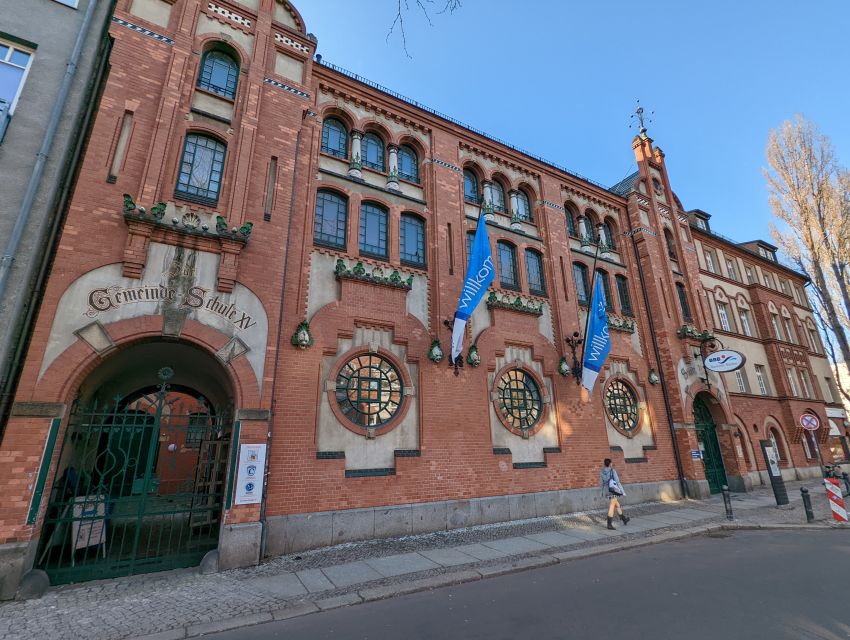
The tour includes preserved schoolhouses in Berlin dating from 1786. That specific date is useful because it gives you a clear anchor point: these are not “old-looking” buildings, they are tied to a known moment in time.
This section is valuable because it shifts the story away from the palace and toward civic life. Schools show you what a community invested in, and they help you understand that the neighborhood’s identity is not only about elite buildings.
You will also see examples of pre-war urban development along the way. Again, the guide ties these developments to how the city grew and changed, so the stops do not feel like random waypoints. Instead, you start recognizing the “why” behind the look of the streets.
A small caution: because the focus includes architecture and city history, the guide may point out details that you might miss if you are constantly photographing. Take a few photos, yes, but keep your eyes up. The descriptions matter more than the camera.
Klausener Kiez Reality Check: Cafes, Thrift Stores, and Corner Shops
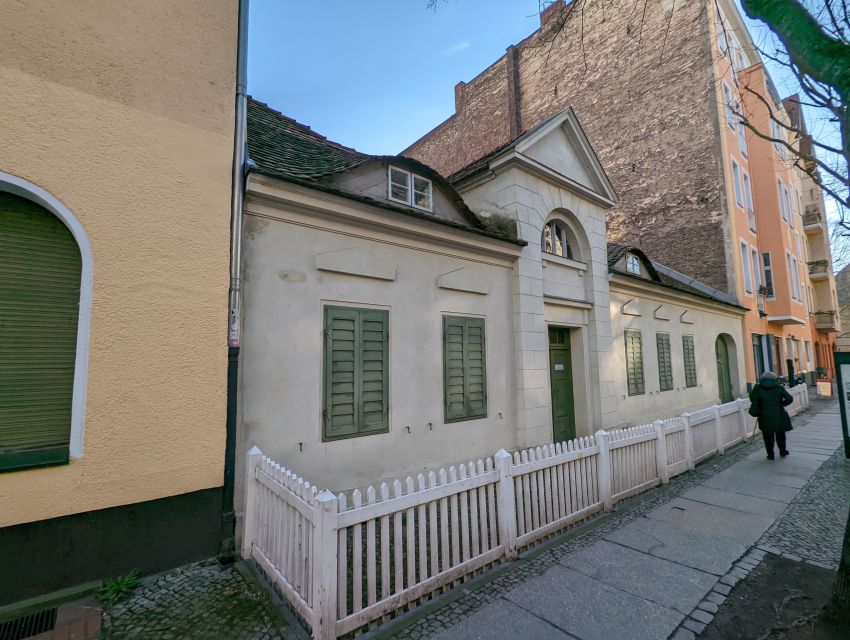
One of the best segments is the shift to Klausener Kiez and nearby street corners, including the area around Nehringstraße and Christstraße. This is where you feel the neighborhood as a living place, not a staged set.
You will see locals mixing in cafes, thrift stores, and corner shops. That sort of stop is not just “nice to have.” It changes how history lands, because it reminds you that Charlottenburg did not become important only in the past tense.
I also like that the tour includes some of the “quieter” corners, rather than only marching through the most obvious visitor areas. One reason this walk feels special is that it keeps you in the everyday flow more often than you might expect.
If you like to return to a place later and explore on your own, this section is key. You get street-level cues for where you would naturally walk after the tour ends, without guessing blindly.
Villa Oppenheim and Schlossstraße: Where Splendor Meets Modern Use
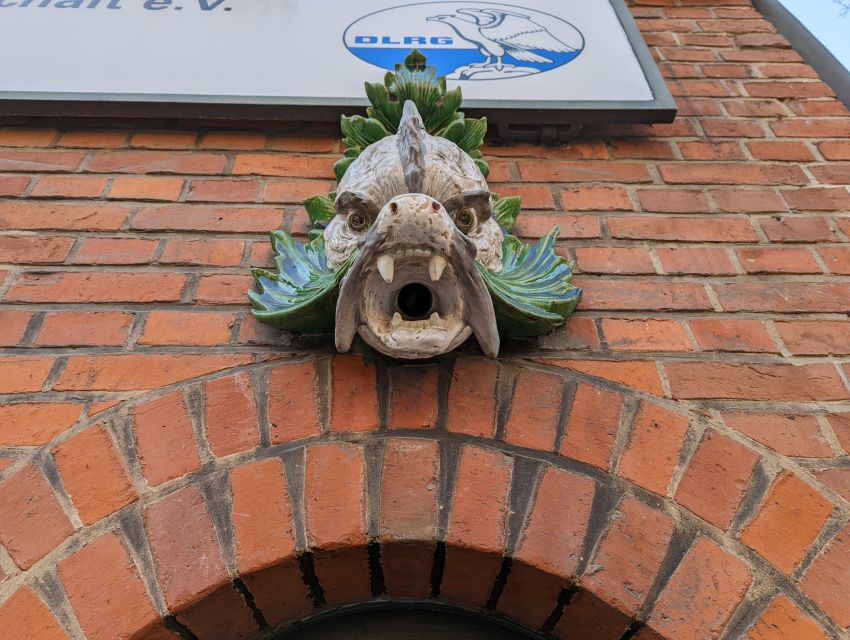
The walk continues with a look at the splendor of Villa Oppenheim. It’s the kind of stop that helps you understand how wealth and taste expressed themselves in Charlottenburg, long before the modern museum era took over the narrative.
Then you move toward Schlossstraße, where world-class museums are located. This is an important point for your expectations: museum visits are not included. In other words, you are not going inside for timed tickets during the tour. You are learning the context from the street level and the buildings themselves.
That choice can be a good thing. With only 2 hours, the tour does not stall. You get the big story and the visual anchors, and if you want more, you can plan a separate museum visit later at a time that works for you.
Keep in mind you will likely be walking past people heading into museums. If you want maximum museum time, combine this walk with a later self-guided stop. If you prefer the streets and architecture more than ticketed interiors, you are already in the right format.
The Finale: Charlottenburg Palace and Stüler Buildings
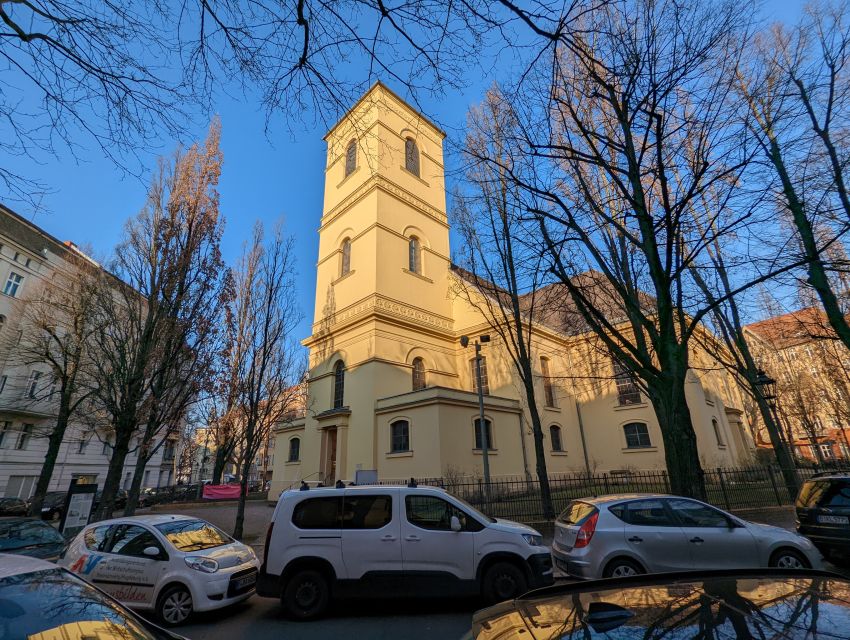
You finish at Charlottenburg Palace, with the tour lined by the magnificent dome-topped Stüler buildings. This is a strong ending for two reasons.
First, the palace is visual storytelling at full scale. It sits as the former Prussian power center, so you can connect what you learned earlier about Prussian history and planning to a single, dominating landmark. Second, the Stüler buildings frame the approach, giving you a sense of grandeur even before you reach the palace itself.
This ending works especially well after you have walked through the neighborhood’s civic and everyday layers. Without the earlier stops, the palace might feel like an isolated monument. With them, it reads like the result of centuries of urban growth and political influence.
Price and Practical Value for a 2-Hour Walk at $23
At about $23 per person for a 2-hour guided walk, this is good value if you care about context. You are paying for a professional museum expert to connect buildings, dates, and social life into one coherent story. For many visitors, that is the difference between seeing pretty architecture and actually understanding why these blocks matter.
It is also a smart option if your schedule is tight. Two hours is enough time to cover a meaningful slice of Charlottenburg, including multiple distinct neighborhoods and a grand palace finish, without turning your day into a half marathon.
What you should factor in is what you do not get. Food and drink are not included, and museum visits are not included. That means you should plan to eat before or after. It also means you should think of this as a guided walk for orientation and interpretation, not a museum ticket bundle.
Who This Tour Suits Best
This tour is ideal if you want the Charlottenburg story told in a way that feels connected to actual neighborhoods. It fits well if you like history that you can see, not just history that you read.
You will likely enjoy it most if:
- you want palace grandeur plus everyday street life in the same outing
- you like urban planning and how cities grow
- you prefer a structured walking tour with chances to ask questions
- you want a route that avoids only the most obvious tourist zones
One practical note: the tour guide is German. If you can follow German at least at the “basic questions and descriptions” level, you will get more out of each stop. If not, bring a translation app and stay patient. You can still learn a lot from what is pointed out, but you should not expect a fully bilingual experience.
Should You Book the Charlottenburg 2-Hour City Walking Tour?
Yes, if you want a guided, place-based view of Charlottenburg that connects Prussian power to real Berlin streets. The biggest strength is the combination of thoughtful historical context and everyday neighborhood stops, ending at one of the city’s grandest palaces.
If you only want museum interiors or you require lots of English-language commentary, this may not fit your ideal format. The pace is walking-focused, museum visits are not included, and the tour is German. For the right traveler, though, it is an efficient way to make Charlottenburg feel understandable, not just impressive.
FAQ
How long is the Charlottenburg city walking tour?
The tour lasts 2 hours.
Where is the meeting point?
Meet your guide right in front of the main entrance to Rathaus Charlottenburg.
Is the tour guided by a professional?
Yes. It is a guided tour led by a professional museum expert.
What language is the tour in?
The live tour guide language is German.
Does the tour run in bad weather?
Yes. This tour will take place rain or shine.
Is the tour wheelchair accessible?
Yes, it is listed as wheelchair accessible.
What is included in the price?
The included item is the guided tour led by a professional museum expert.
Is food or drink included?
No. Food and drink are not included.
Are museum visits included?
No. Museum visits are not included.
Recently added around Berlin
- Berlin Private Custom Walking Tour With A Guide (Private Tour)★ 4.5 · 8 reviews
- One Up to 3 Rickshaws(6 GUESTS)-Taylor Made Rickshaw Berlin Tour★ 5.0 · 20 reviews
- Moonshine Comedy – English Stand Up Comedy by the bay★ 5.0 · 11 reviews
- Private Half-Day Berlin Sightseeing Tour with a Minivan Including Short City Walks★ 5.0 · 31 reviews
- Private taxi tour to Potsdam and Sanssouci 6-8h★ 5.0 · 30 reviews
- Private City Kickstart Tour: Berlin★ 4.5 · 71 reviews
- Private tour of Berlin★ 5.0 · 15 reviews
- Private Tutankhamun’s Tomb Live Escape Room in Berlin★ 3.5 · 11 reviews
City Tours, compared.
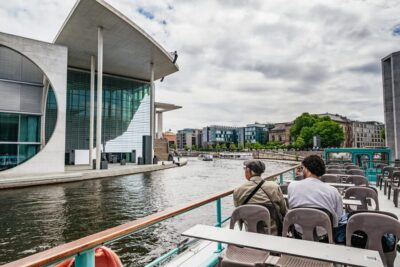
1-Hour City Tour by Boat with Guaranteed Seating
Read our review →
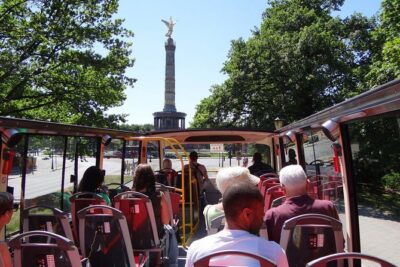
Berlin City Hop-on Hop-off Tour with Optional Cruise
Read our review →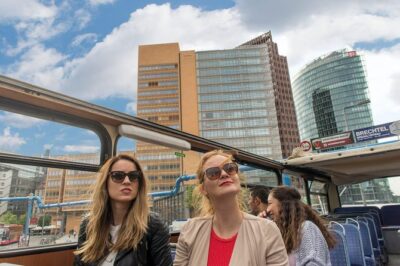

Browse the lists this tour appears in