
Reviewed · BERLIN WALL & COLD WAR TOURS
Skip-the-Line: Berlin Wall Museum at Checkpoint Charlie
Berlin’s Checkpoint Charlie area is packed with Cold War stop-and-photo energy. This museum pulls that drama into real human stories, with objects that were built for escape and handed over by the people who made it out.
I especially like the original escape artifacts you can see up close, from a hot-air balloon to a mini-submarine, and also how the museum explains how the helpers worked as part of a broader resistance effort. The one thing to think about is that the exhibits are reading heavy, so if you prefer fast, mostly visual museums, you may need to pace yourself.
If you want, you can pair the visit with a guided session, and some guides remembered for their story flow include Peter, Steve, and Louisa. Either way, build in time, because this place feels larger than it looks from the street.
Key highlights to plan around
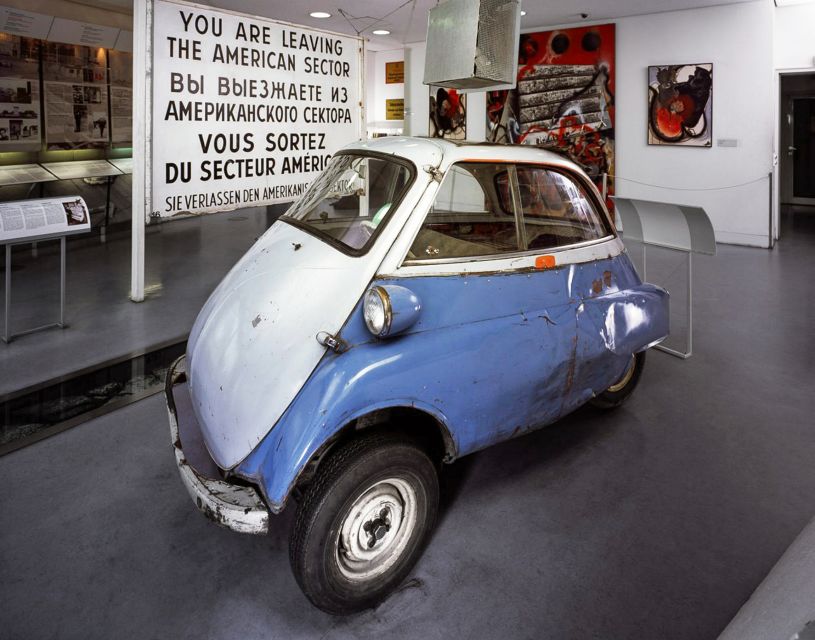
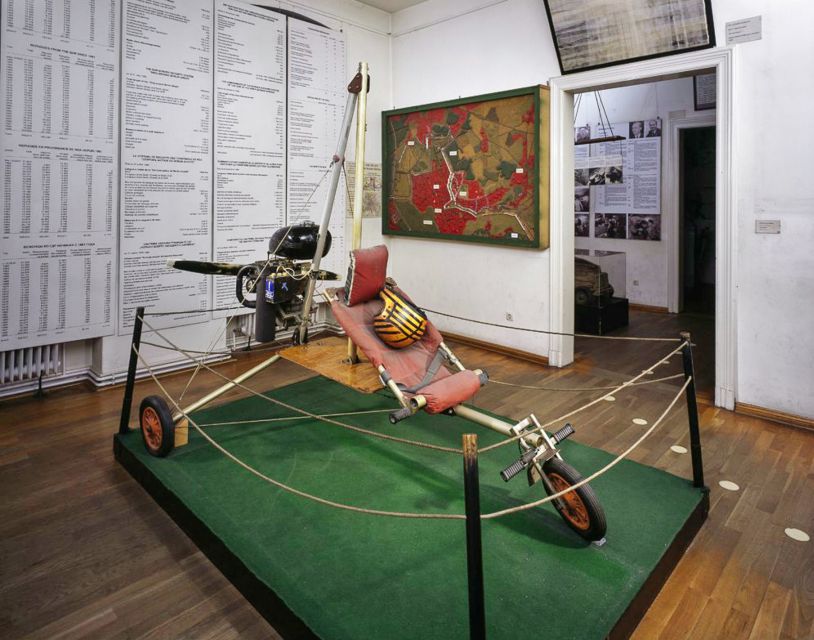
- Original escape technology like vehicles and aircraft, plus a hot-air balloon and mini-submarine
- Checkpoint Charlie focus, with a sense of what happened right outside
- A museum that started as protest and help in 1962, then grew its exhibits over time
- Resistance and networks, showing how helpers planned and organized
- Cold War lessons that continue, including artifacts connected to other conflicts beyond Berlin
Why the Berlin Wall Museum at Checkpoint Charlie feels different
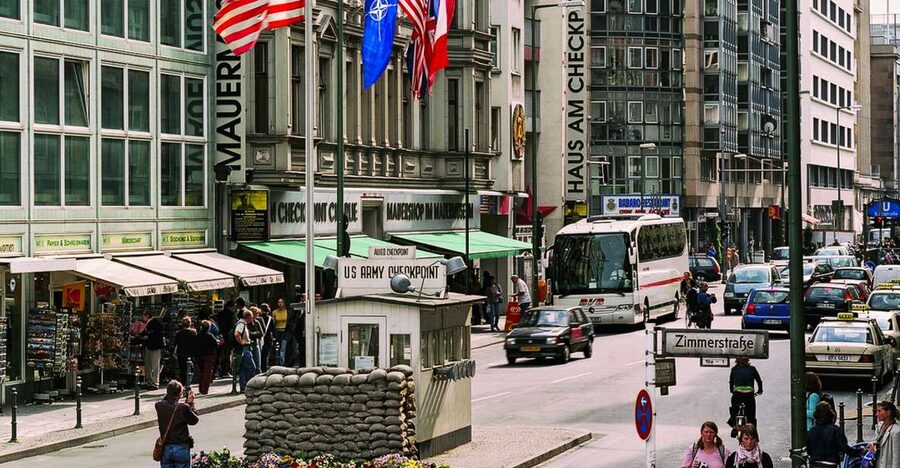
Checkpoint Charlie gets a lot of tourist attention, but the Wall Museum gives you the backstory that makes the place matter. You’re not just looking at symbols. You’re seeing evidence of risk, planning, and desperation in physical form.
What makes this experience special is the mix of storytelling and hard artifacts. The museum was founded on October 19, 1962, shortly after the Wall rose, as a protest and also to provide assistance to people seeking help. Over time, it expanded its exhibition space and played an ongoing role in preserving what the Wall era really meant.
You’ll also notice the museum does not treat the Wall as a finished chapter. It keeps documenting and archiving, and that shows up when modern conflict material appears among the older escape stories.
More Berlin Wall and Cold War tours in Berlin:
- Berlin: Third Reich and Cold War 2 Hour Walking Tour
★ 4.9 · 6,830 reviews - Berlin’s Best: 2 Hour Walking Tour Third Reich and the Cold War
★ 5.0 · 5,486 reviews - Berlin: 2.5-Hour East Side Boat Cruise with Commentary
★ 4.4 · 2,016 reviews
Start at Friedrichstraße 43-45 and get in without waiting
Your starting point is Friedrichstraße 43-45, 10969 Berlin. With the skip-the-line ticket, you’re buying yourself fewer minutes in queue time, which matters in this area where lines can form quickly.
Plan to arrive a bit early. Even with skip-the-line, it still helps to get your bearings fast, especially because the building and surrounding streets can be easy to miss if you’re arriving on foot and the area is busy.
This museum also works well if you’re doing Berlin in a tight schedule. The ticket is valid for one day, and you can choose a starting time based on availability. That flexibility is useful if your other plans are time sensitive.
The museum mission: founded in 1962 as protest and assistance
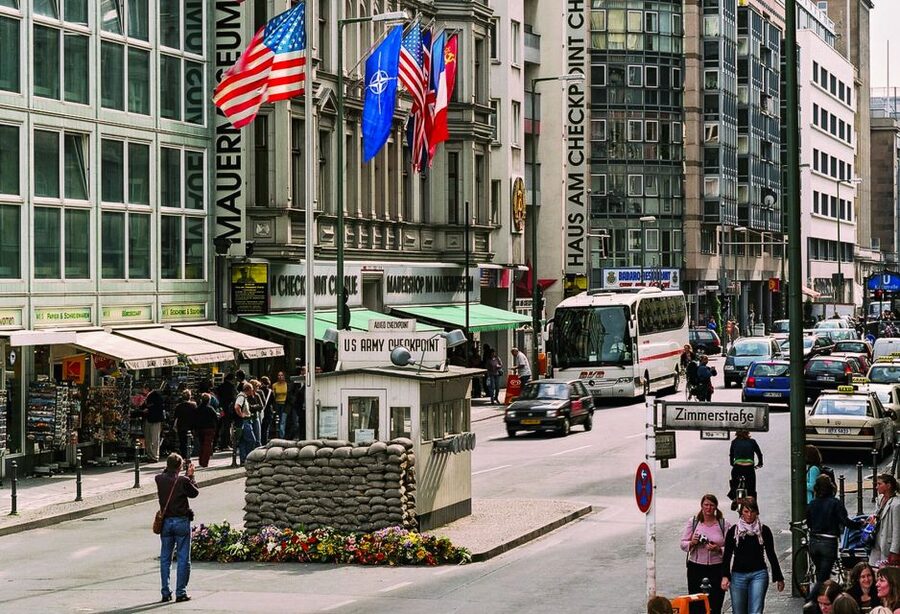
A normal museum just archives the past. This one was created in the past’s shadow, and that changes the tone.
The Berlin Wall Museum began as a protest against the Wall and as a place to support people trying to flee the unjust GDR regime. Over the years, the museum expanded and kept telling the story, with exhibitions tied to the Wall and the resistance that formed around it.
This context matters for you because it shapes how the objects are presented. When you see an escape craft or equipment, it’s not framed as a sci-fi invention. It’s framed as a desperate answer to a system that trapped people, monitored movement, and punished attempts to leave.
The escape artifacts that make the Cold War feel real
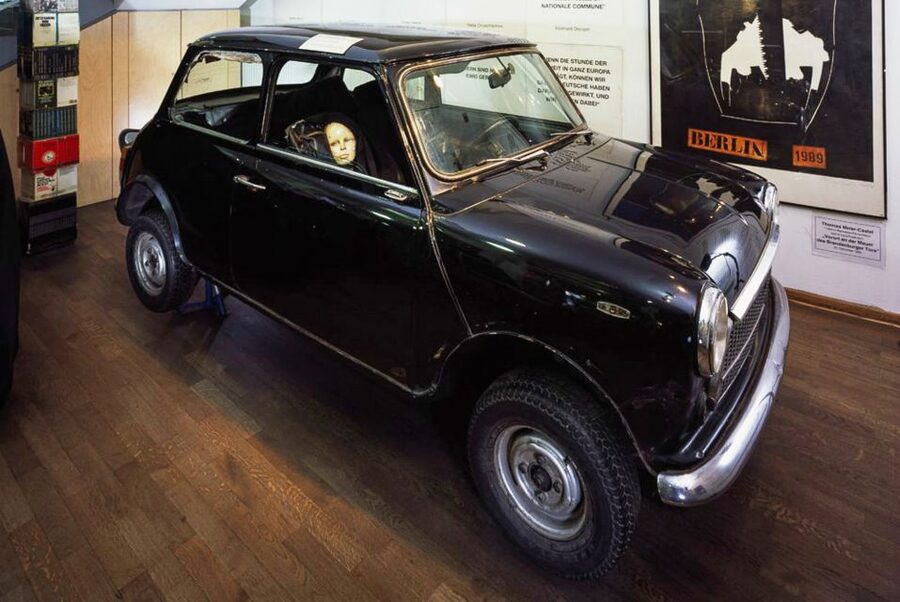
The highlights here are hard to summarize because the collection is meant to feel like a chain of attempts, not a single dramatic scene. You’ll encounter original artifacts from successful escapes, including:
- a hot-air balloon
- a mini-submarine
- cars and airplanes used in escape attempts
What you should take from this is not just ingenuity. It’s the fact that escape required engineering, logistics, money, timing, and help from others. The museum shows that these weren’t random stunts. They were planned, built, and supported by real people.
You’ll also get the human angle: the helpers used the museum as a base, planning escapes and organizing resistance. After someone made it to the West, refugees and their helpers donated their means of conveyance and other objects to the museum. That donation detail is a big deal. It means the artifacts you see are not props. They are the afterlife of a very specific risk.
More museums in Berlin:
- Berlin: Natural History Museum Entrance Ticket
★ 4.6 · 3,382 reviews - Berlin: Museum Island Multiple Museum Entry Ticket
★ 4.4 · 2,007 reviews - Berlin: Interactive DeJa Vu Museum Entrance Ticket
★ 4.1 · 1,338 reviews - Berlin: “Pergamonmuseum. The Panorama” Exhibition Tickets
★ 4.6 · 1,245 reviews
How the exhibits connect helpers, networks, and the Wall
One of the best parts of the museum is how it moves beyond the idea of lone heroes. The stories emphasize that successful escape often depended on networks, planning, and people willing to break rules at huge personal cost.
Look for how the museum frames the helpers as active organizers, not just background characters. That approach helps you understand how the GDR regime created pressure that people tried to fight with organized help instead of only individual courage.
You’ll also notice the museum’s scope includes the wider Cold War environment. Even if your heart is set on Checkpoint Charlie, the exhibits give you context on the political system that made escape both necessary and brutally difficult.
Taking in the Checkpoint Charlie connection from inside the museum
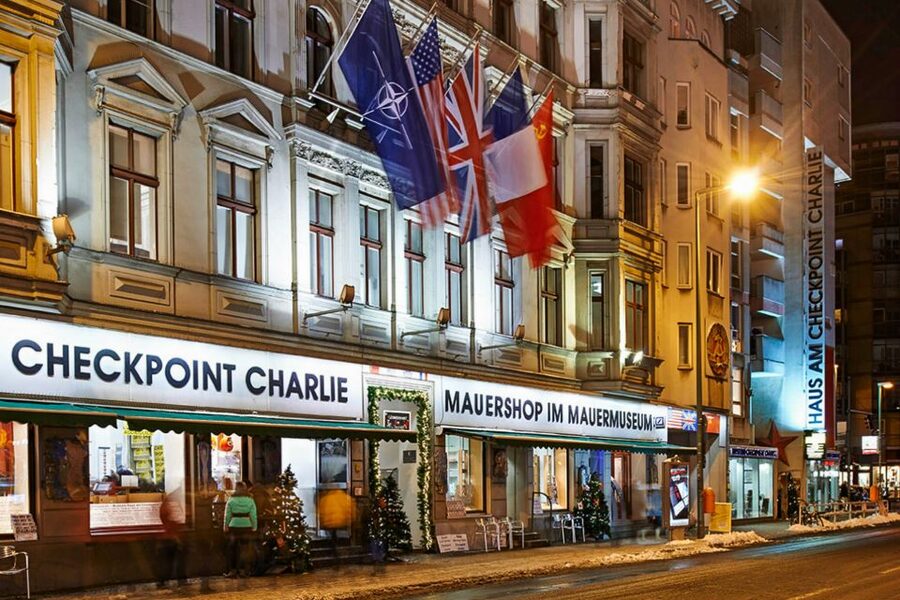
Checkpoint Charlie is close enough that you’ll likely recognize the area visually as you move through the space. The museum even has an overhead view associated with Checkpoint Charlie, which helps you connect what you’re reading to where these events took place.
This is the moment where the museum shifts from facts on walls to place-based understanding. You stop thinking, What did happen, and start thinking, What would it feel like to be trapped nearby, watching movement controlled in such a narrow corridor?
If you like “sense of place” museums, this one delivers. If you hate standing around scanning texts, you can still enjoy it, but you’ll want to choose your pace and not try to read everything front to back.
How long you need, and why reading-heavy is part of the deal
Most visitors should plan for about 2 to 2.5 hours. That timing matches the experience of people who said they spent nearly that long reading and learning. At the same time, some visits feel possible in about 1 to 2 hours if you focus on the most important rooms and skip sections that don’t speak to you.
So here’s my practical advice: set a goal for yourself before you enter. For example, aim to see the main escape artifacts and the sections about how helpers organized. If you have extra energy after that, then you can slow down for the more text-heavy portions.
A few people wish they had an audio headset because there’s a lot to absorb. Others found the reading manageable because the exhibits include translations into different languages for many labels and descriptions. If you’re sensitive to museum text walls, consider adding an audio option if one is available at the site, or at least plan to take breaks.
What about interactive exhibits and quiet time?
This is not a hands-on science museum. Many displays rely on text, photos, and clearly explained context. Some interactive elements may not work as you expect, which means you should not count on buttons and screens to carry your attention.
The good news is that the organization is strong, and the translations help a lot. The overall layout also makes it easy to find your way through the themes without feeling completely lost.
For comfort, pay attention to timing. One visit included a noisy school group, and that can change the vibe in a museum like this. If you prefer quieter viewing, try going when the room is less crowded, or take advantage of slower periods to read.
Practical tips: lockers, photos, and pacing
If you carry a bag, be ready for a locker setup that may require a 2 euro coin deposit. It’s the kind of detail that matters when you want a smooth start, so keep a coin handy if you can.
Photography rules can vary from room to room. Since at least one person was disappointed about not being allowed to take pictures, check the signage on entry and follow whatever rules are posted inside.
For pacing, use short rests. The subject matter can hit hard, especially because the museum’s scope includes human rights violations, attempts to flee tyranny, and stories that connect to later conflicts. You’ll absorb more if you take breaks instead of trying to power through everything in one go.
Price and value: is the $21 ticket worth it?
At $21 per person, this ticket sits in the “serious value” category for a Berlin museum. You’re not just paying for access. You’re paying for a preserved record created in real time, with original escape-related artifacts that make the Wall era tangible.
Skip-the-line is part of that value too. In a busy tourist zone, saving queue time can turn a rushed visit into a properly paced visit. If you’re traveling with limited hours in the afternoon, that matters.
Also, the museum feels like it gives you more than a single storyline. You get the Wall, the resistance effort around escape, the Checkpoint Charlie focus, and an extended view that includes later conflict connections. That broader framing is one reason the time you spend inside can feel more rewarding than many “one-point-of-interest” stops.
Just remember the tradeoff: you’re buying into a museum that uses a lot of written explanation. If you’re the type who hates reading in galleries, you may spend less time than you expected, and you might wish you had audio support.
Who should book this museum ticket?
I think this fits best if you like history that feels specific and physical. If you care about how political systems shape ordinary life, this museum’s approach works. It explains the Wall era with concrete objects and clear context.
You’ll also enjoy it if you’re visiting Berlin for more than the headline attractions. Checkpoint Charlie is famous, but this museum helps you understand what made it so tense, and why escape stories mattered.
Families can make it work, but I’d aim for an age range that can handle text. Teen boredom came up in at least one account, which makes sense here. If your group loves photos and short narratives, plan on choosing the highlights rather than trying to read every label.
Should you book the skip-the-line Berlin Wall Museum ticket?
Yes, I recommend booking if you want an organized, time-efficient way to see one of the most important Wall-era museums in Berlin. The skip-the-line benefit helps you keep momentum, and the mix of original escape artifacts plus the museum’s protest-and-assistance origin gives the visit real weight.
You might consider a different approach if you know you dislike reading-heavy museums or you’re only passing through with very little time. In that case, you’ll still probably get something out of the best rooms, but you should go in with a plan so you don’t feel overwhelmed.
If you want to maximize impact, set aside at least half a day in your schedule. Then take your time with the escape objects and the sections that explain how helpers planned routes and organized resistance.
FAQ
Where is the meeting point for the Berlin Wall Museum at Checkpoint Charlie?
The meeting point is Friedrichstraße 43-45, 10969 Berlin.
How much does the ticket cost?
The price is listed as $21 per person.
How long is the visit planned to last?
The experience is listed as lasting 1 day.
What’s included with the skip-the-line ticket?
The ticket includes entrance.
Is an audioguide included?
No, an audioguide is not included.
Are guided tours included with this option?
No, a guided tour is not included.
What does skip-the-line mean for this museum?
It means you get a skip-the-ticket line with your admission ticket.
Is the museum wheelchair accessible?
Yes, it is listed as wheelchair accessible.
What languages are available?
The information provided lists languages in general, but it does not specify which languages in the booking details you shared.
Can I cancel for free, and can I reserve now and pay later?
Free cancellation is available up to 24 hours in advance for a full refund, and you can reserve now and pay later.
Recently added around Berlin
- Berlin Private Custom Walking Tour With A Guide (Private Tour)★ 4.5 · 8 reviews
- One Up to 3 Rickshaws(6 GUESTS)-Taylor Made Rickshaw Berlin Tour★ 5.0 · 20 reviews
- Moonshine Comedy – English Stand Up Comedy by the bay★ 5.0 · 11 reviews
- Private Half-Day Berlin Sightseeing Tour with a Minivan Including Short City Walks★ 5.0 · 31 reviews
- Private taxi tour to Potsdam and Sanssouci 6-8h★ 5.0 · 30 reviews
- Private City Kickstart Tour: Berlin★ 4.5 · 71 reviews
- Private tour of Berlin★ 5.0 · 15 reviews
- Private Tutankhamun’s Tomb Live Escape Room in Berlin★ 3.5 · 11 reviews
Berlin Wall & Cold War Tours, compared.

Berlin’s Best: 2 Hour Walking Tour Third Reich and the Cold War
Read our review →
2.5-Hour East Side Boat Cruise with Commentary
Read our review →
East Side Gallery Spree Cruise in a Solar Catamaran
Read our review →
Cold War, Berlin Wall, Spies and the East Side Gallery
Read our review →

Guided Bike Tour of the Berlin Wall and Third Reich
Read our review →
Browse the lists this tour appears in