
Reviewed · WALKING TOURS
Berlin: David Bowie & 1970s Berlin Guided Walking Tour
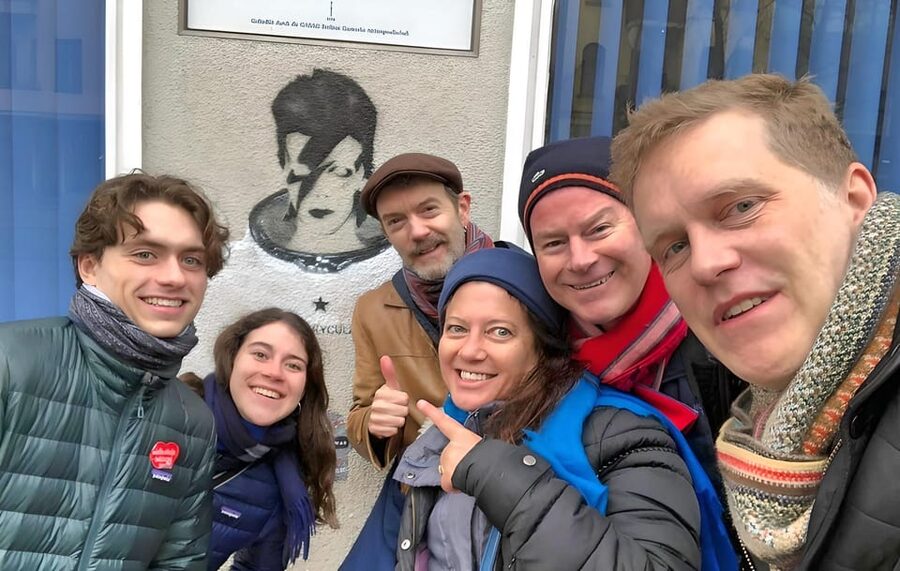
1970s Berlin has a specific kind of electricity, and this Bowie-themed walking tour turns that feeling into a route you can actually follow. You start in Cold War West Berlin, then move site to site where Bowie absorbed the city’s mood for Low, Heroes, and Lodger.
Two things I really like about this tour are how it connects places to real moments in Bowie’s Berlin story, like the trail to the flat he shared with Iggy Pop, and how it takes you to recording-ground locations such as Hansa Studios. Guides like Dan and Lee (and others) earn big praise for using strong storytelling, plus music and period visuals to make the era click.
The main consideration is practical: the tour is 3 hours and you will use public transport a few times since some key spots are too far to walk. Also, at $135 per person, it’s best if Bowie is more than a casual interest.
Key Things That Make This Bowie Tour Worth Your Time
- Zoo Station to the Bowie/Iggy Pop story, so the route feels like an actual creative timeline
- Hansa Studios on the walking plan, linking the places you see to the sound you love
- Cold War context built into the stops, including Topographie of Terror
- Club-and-cafe style Berlin, including time around sites tied to Bowie’s favorite hangouts
- Small-group or private options, which usually makes questions and pacing easier
Why 1970s Berlin Turns Into a Bowie Story
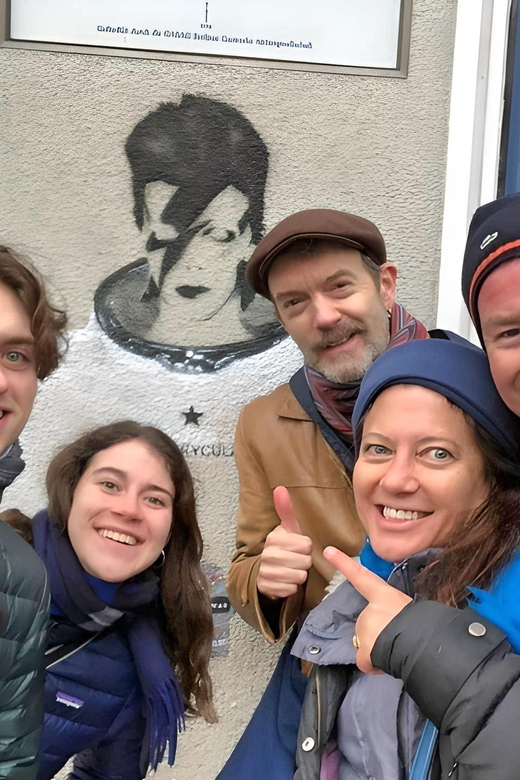
David Bowie’s “Berlin years” do not feel like a tourist theme. They feel like a creative reaction. This tour leans into that. You are not just ticking off landmarks. You are seeing how a restless city, divided by politics, pushed an artist toward a sharper edge.
What helps is the way the tour links music to place. Bowie’s Berlin output is often talked about as sound and style, but here you start placing that sound into real streets and real institutions. And the guide matters. Multiple guides are singled out for passion and for sharing less-common facts, not just repeating the big headlines.
If you are a die-hard Bowie fan, you will likely enjoy the connections between the route and the albums you know by heart. If you are not, you can still get a lot out of the tour because it frames Berlin’s social life, creativity, and pressure during the late Cold War.
More walking tours in Berlin:
- Discover Berlin Half-Day Walking Tour
★ 5.0 · 9,624 reviews - Berlin: Third Reich and Cold War 2 Hour Walking Tour
★ 4.9 · 6,830 reviews - Berlin: Discover Berlin Walking Tour
★ 4.9 · 5,998 reviews
Price and Time: The Real Value of a 3-Hour Historian-Led Route
At $135 per person for 3 hours, this is not a budget walk. Still, you are paying for something specific: a 3-hour tour with a historian guide. The group format can be private or small groups, which often improves the experience, because you get more conversation and less rushing.
Think of it as a guided “Berlin through Bowie” course. You get multiple stops, you get a narrative thread, and you do not have to plan the connections yourself. Several guests highlight that the time flew because the guides stayed animated and packed the route with context. That is the big value lever here.
So who gets the best deal?
- You are willing to pay for storytelling and context, not just photos at famous points.
- You want a guided way to understand West Berlin’s 1970s atmosphere, not only the wall and museums.
- You will use the public transport part efficiently, instead of treating the tour like a slow walk only.
Starting at Ständige Vertretung, Then Into Bowie’s West Berlin
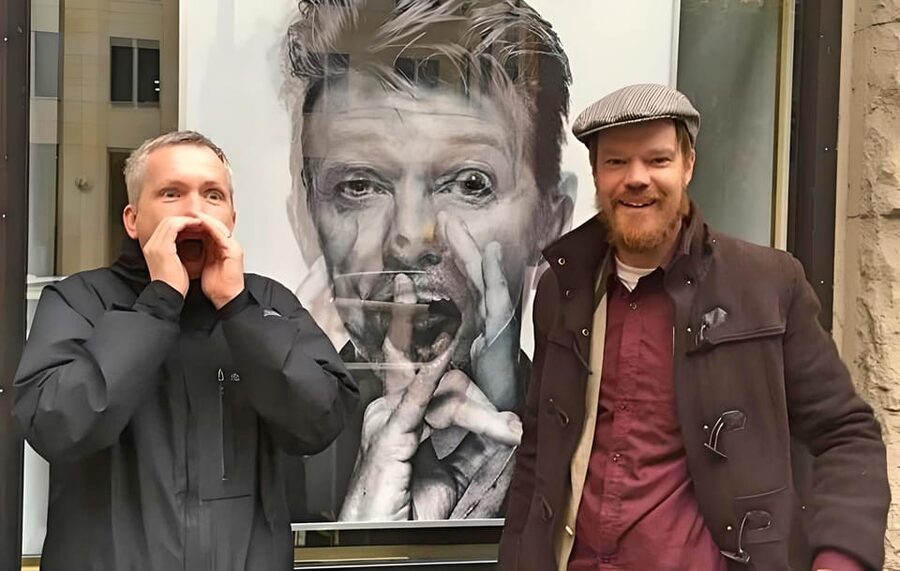
You meet at Ständige Vertretung, a memorabilia-filled cafe at Schiffbauerdamm 8, 10117 Berlin. Even before you head out, that setting helps set the tone. It feels like a place built for people who care about stories, not just schedules.
From there, the tour works its way toward the West Berlin core where Bowie’s Berlin trail begins to make sense. The route is designed to start at a “heart” point, and Zoo Station is the kind of gateway that turns the day on fast. Guests also mention the pacing works well, with a good flow from one themed location to the next.
A practical tip that comes up in the experience: arrive a little early. One guest also recommended planning for weather, using sturdy, supportive footwear and dressing for Berlin’s shiftiness. It’s a walking tour. Your body will thank you for taking it seriously.
Cold War City Stops: Bertolt-Brecht-Platz Through Martin-Gropius-Bau
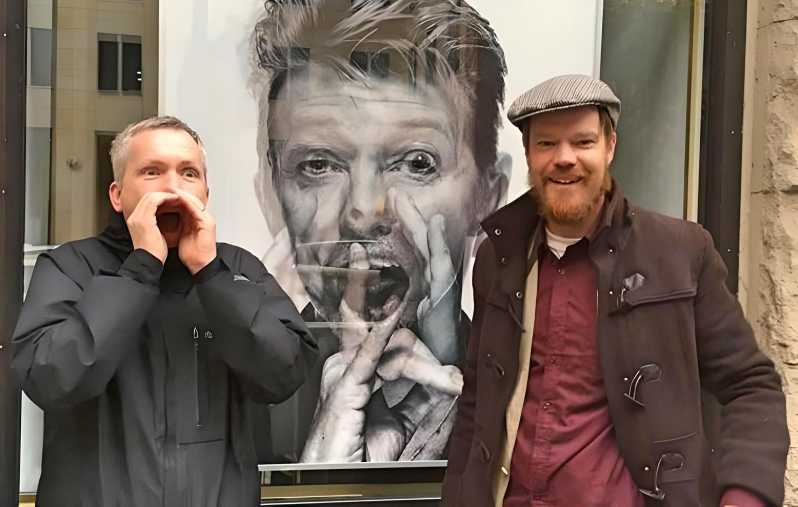
The tour includes guided stops around major public sites that help explain how West Berlin functioned as a cultural machine. Along the way you visit places such as:
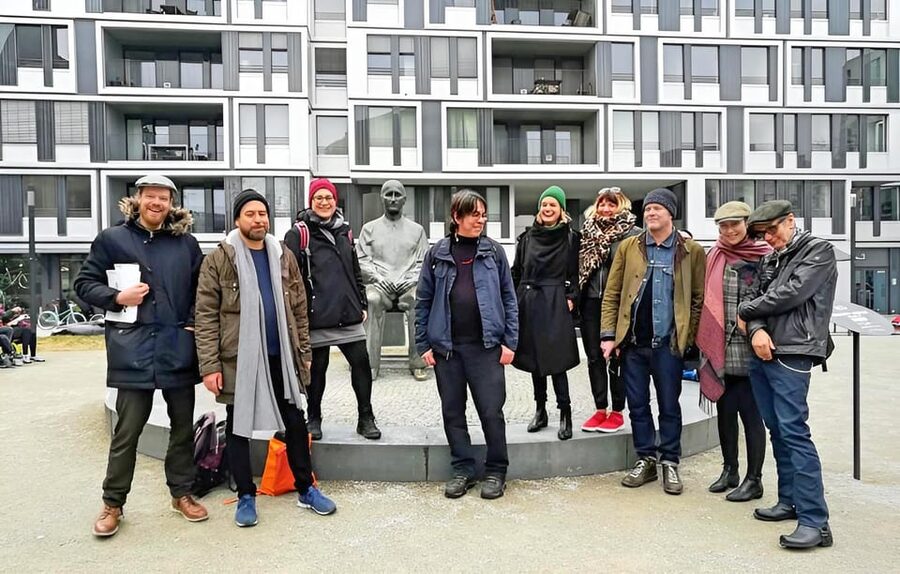
- Bertolt-Brecht-Platz
- Tränenpalast
- Anhalter Bahnhof
- Martin-Gropius-Bau
What makes these stops more than postcard points is the way they frame the era. Bowie’s Berlin was not happening in a vacuum. It was happening amid border tension, show-business ambition, and constant movement. When you look at these buildings and squares with that lens, you start understanding why an artist might feel both trapped and inspired at the same time.
Tränenpalast is especially evocative in a Cold War sense. Anhalter Bahnhof carries the idea of transit and transformation. Martin-Gropius-Bau signals the formal art-world layer, the places where culture and institutions overlap.
If you like history that stays human, this part works. It turns the city into a stage set for the Bowie era, not just a list of dates.
One small drawback to know: not every stop will feel equally “Bowie-specific.” Some of the value here is in context. If you want only clubs, studios, and apartments, you might feel the historical stops are heavier than you expected. If you want the bigger why behind Bowie’s sound, you will appreciate them.
A few more Berlin options worth a look
- Berlin: Reichstag, Dome and Government District Guided Tour
★ 4.7 · 18,288 reviews - Berlin: Government District around the Reichstag Guided Tour
★ 4.7 · 8,447 reviews - Berlin: Hidden Backyards Guided Walking Tour
★ 4.8 · 5,360 reviews - Berlin: 1-Hour Boat Tour with Bilingual Live Guide
★ 4.7 · 3,629 reviews
Topographie of Terror: The Context That Changes How You Listen
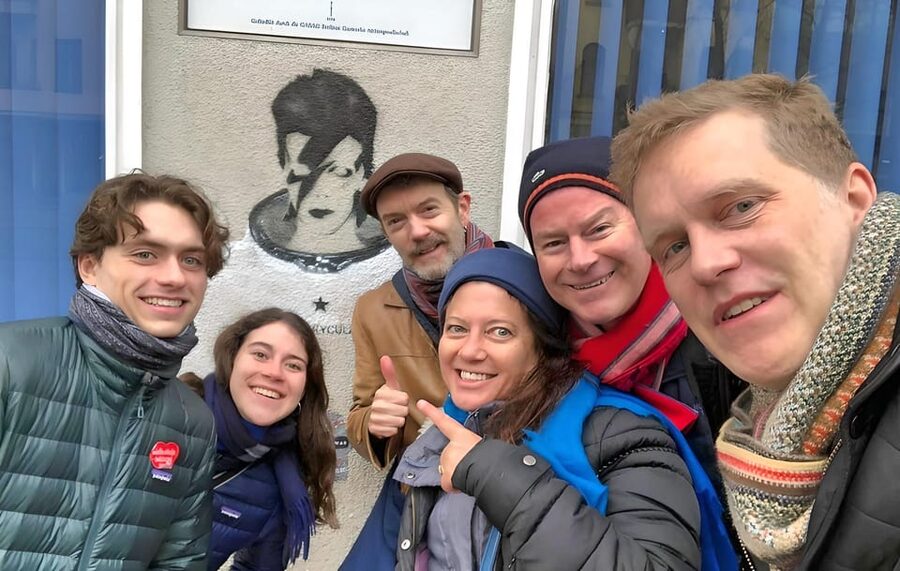
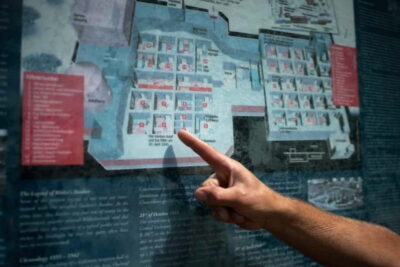
The tour includes Topographie of Terror. This is a serious stop, and it matters because Bowie’s Berlin years sit inside the consequences of the Nazi period and the Cold War that followed.
This is where the tour’s tone shifts toward gravity. Even if you came for music, you get the push-pull of Berlin as both creative refuge and political pressure cooker.
How to make the most of it?
- Give yourself mental room to slow down here.
- Let the guide connect the site back to how Berlin life felt in Bowie’s era, not only to the past itself.
- If you have already done a Berlin Wall history walk earlier, this stop still adds depth, because it explains the darker foundations beneath the West Berlin scene.
Hansa Studios: Where Place Meets Sound
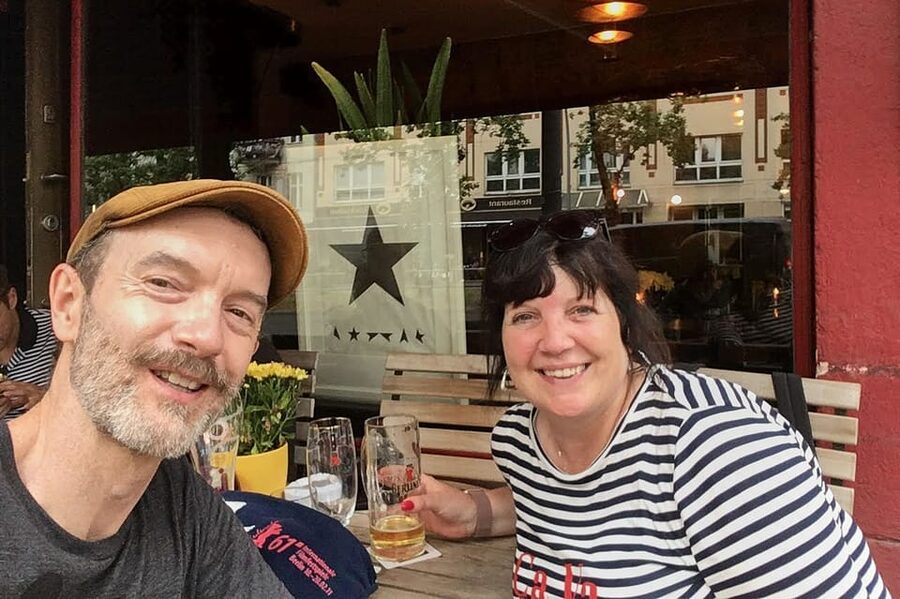
One of the biggest anchors of the day is Hansa Studios. Several guests highlight that this stop is a major reason to book. It’s one thing to know Bowie made “Berlin albums.” It’s another to physically stand near the place where the sound’s environment became part of the story.
This is also where the tour often feels like a “listen differently” experience. Guests mention music excerpts during the walk, and guides using photos or video clips to set up context. Whether you bring your phone earbuds or just carry the music in your head, the guiding approach makes you pay attention to themes tied to the city: mood, repetition, sharp tonal choices, and the kind of night-life realism that shows up in the lyrics and arrangements.
If you care about how songs come together, this stop is the payoff. Even if you are not the biggest music-nerd, you’ll still leave feeling like you understand the logic behind the Berlin sound.
KaDeWe and Potsdamer Platz Area: The Everyday Side of Glamour
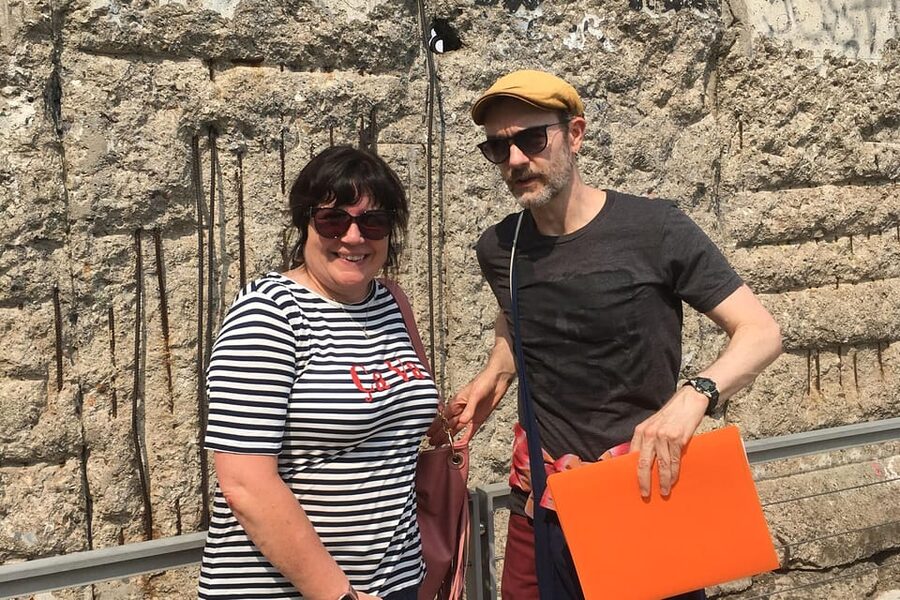
The tour also includes KaDeWe, plus time in the broader West Berlin core area around major hubs like Potsdamer Platz. This matters because Bowie’s Berlin was not only underground clubs and studio corridors. It was also the city’s contrast, luxury and chaos sitting close.
KaDeWe represents a version of West Berlin that is visible, social, and consumer-driven. It’s the kind of place that helps you understand how creativity lived next to everyday life and how international attention flowed into the city.
Potsdamer Platz, with its history as a focal point and crossroads, helps connect the dots between movement and reinvention. Bowie moved through that kind of environment. The tour uses these hubs to show you why “Berlin as a character” works in the music.
Don’t expect every minute to be glam. Some of the value here comes from learning how the city’s structure shaped people’s behavior. In other words, you get more than scenery. You get a pattern.
Clubs, Cafes, and the Bowie Hangout Feeling at Bahnhof Zoo and Neues Ufer
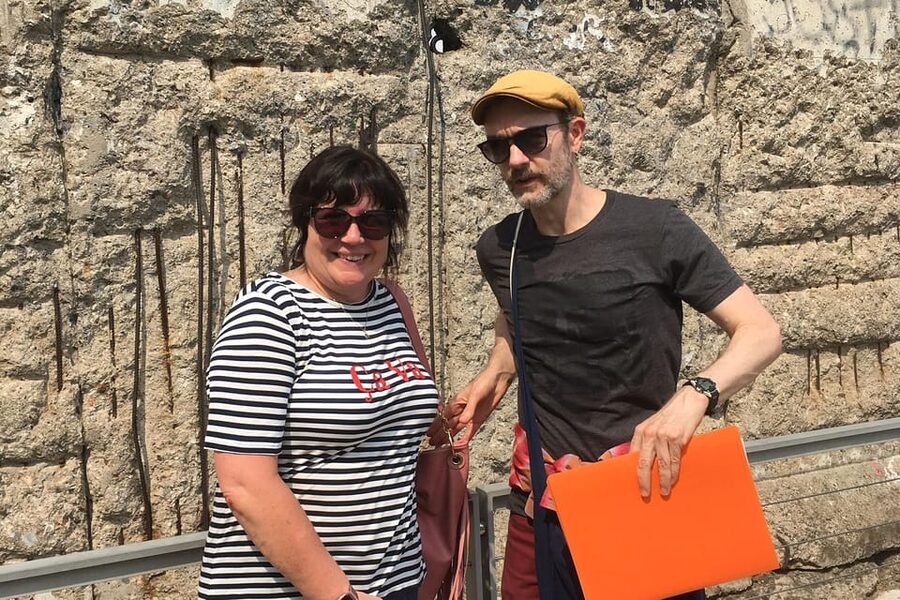
You spend time tied to Bowie’s favorites, including stops near Bahnhof Zoo and the former Dschungel Club, plus the route includes Cafe Neues Ufer.
This is where the tour really turns into “Berlin nightlife and after-hours.” Hitting Bowie’s club trail and then walking toward a cafe stop helps you understand why his Berlin writing feels human scale, not just big-city myth-making.
Cafe Neues Ufer is a good final mood setter. It also gives you a place to exhale before heading off on your own. One practical note from guests: it would be helpful to know the tour ending point in advance so you can plan where you’ll eat afterward. So if you are hungry, decide your next meal area before you start, and then adjust based on where the walk finishes for your departure.
Bowie, Iggy Pop, and the Personal Route Through 1970s Life
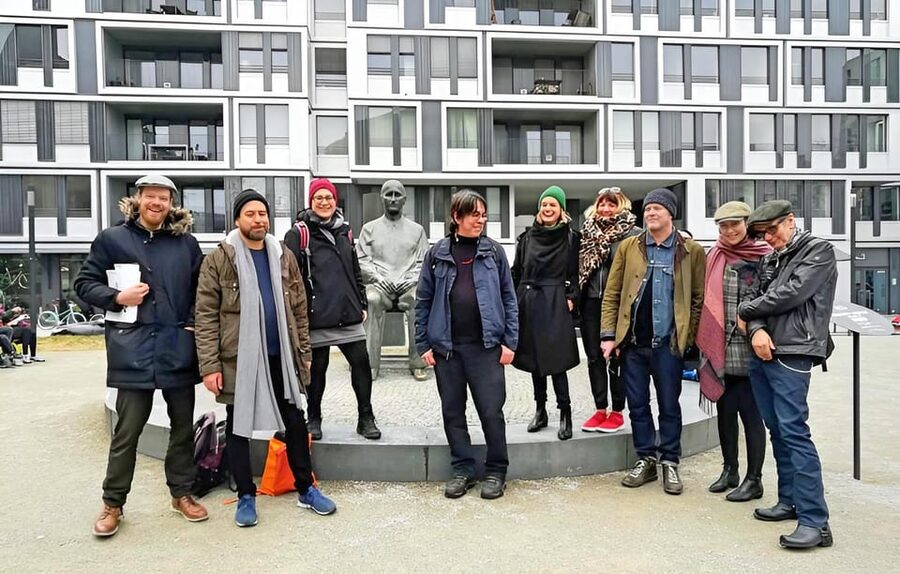
One of the highlights people talk about is following Bowie’s trail to the flat he shared with Iggy Pop. That part is special because it turns Bowie from a name into a routine, a person living among other artists, with the pressure of the times around him.
Even when you know Bowie’s story, this type of location-based storytelling changes your perspective. You start thinking about the day-to-day texture of the era, the friendships, and the cross-pollination of scenes that helped shape the records.
A recurring praise point across guides is how they keep the story from turning into a dry lecture. Multiple guests mention that guides played excerpts from albums such as “Heroes” and “Low,” linking sound to place as you walk. That kind of connection is what makes a Bowie tour feel alive rather than scripted.
Who Should Book, and Who Might Skip This
Book this tour if:
- You love Bowie’s Berlin Trilogy, especially Low, Heroes, and Lodger, and you want a route that explains why those albums sound the way they do.
- You enjoy historian-led storytelling, not just walking past plaques.
- You want a way to learn Berlin history through culture, clubs, studios, and real people, including Iggy Pop connections.
- You like when guides include music and period visuals, since several guests mention photos, videos, and music excerpts.
Consider something else if:
- You want a purely Bowie-only hit list with minimal history context. Some stops are there to explain the Cold War pressure that shaped the city.
- You are not comfortable with public transport during a guided program. The tour requires it a few times.
- You are hoping this will be mostly indoor access or studio entry. The tour includes the studios as a guided stop, but the day is still fundamentally a walk with city routing.
Should You Book This Bowie and 1970s Berlin Guided Walk?
I think you should book it if Bowie in Berlin is on your trip wishlist and you want the story tied to specific places. The strongest reason is the guide factor. Guests repeatedly call out guides like Dan, Lee, and Klaus for passion, clarity, and storytelling that makes the stops feel meaningful. The second reason is the mix of sites: studios, clubs, cafes, and major Cold War context in one day.
If you are price-sensitive, treat the $135 as paying for an expert guide plus a curated narrative route you would struggle to assemble on your own. If you are arriving in Berlin for only a short visit, this is also a smart “make sense fast” option, because you cover multiple meaningful areas in 3 hours without needing to map out the connections.
If you’re even a little curious about how a city’s political mood can shape art, this tour gives you a practical way to see that idea in motion.
FAQ
How long is the Berlin David Bowie walking tour?
The tour lasts 3 hours.
Where is the meeting point for the tour?
You meet at Ständige Vertretung, a memorabilia-filled cafe at Schiffbauerdamm 8, 10117 Berlin.
Is the tour offered in English?
Yes, the live tour guide speaks English.
Do I need a public transport ticket, and will we ride transit?
You will need public transport a few times because some key sites are too far to walk. Public transport tickets are not included, and if you do not have a day metro pass, it’s advised to purchase one. If you cannot buy it in advance, your guide will help you purchase it at the first metro station on the tour.
Is food or drink included?
No, food and drink are not included.
Is hotel pickup and drop-off included?
No, hotel pickup and drop-off is not included.
Can I cancel and get a full refund?
Yes, you can cancel up to 24 hours in advance for a full refund.
Recently added around Berlin
- Berlin Private Custom Walking Tour With A Guide (Private Tour)★ 4.5 · 8 reviews
- One Up to 3 Rickshaws(6 GUESTS)-Taylor Made Rickshaw Berlin Tour★ 5.0 · 20 reviews
- Moonshine Comedy – English Stand Up Comedy by the bay★ 5.0 · 11 reviews
- Private Half-Day Berlin Sightseeing Tour with a Minivan Including Short City Walks★ 5.0 · 31 reviews
- Private taxi tour to Potsdam and Sanssouci 6-8h★ 5.0 · 30 reviews
- Private City Kickstart Tour: Berlin★ 4.5 · 71 reviews
- Private tour of Berlin★ 5.0 · 15 reviews
- Private Taxi Tour City East & West History and Architecture 3-4h★ 5.0 · 42 reviews
Walking Tours, compared.


Berlin’s Best: 2 Hour Walking Tour Third Reich and the Cold War
Read our review →
Third Reich Berlin: Hitler and WWII Walking Tour
Read our review →
Browse the lists this tour appears in