
Reviewed · JEWISH BERLIN HERITAGE TOURS
Berlin: Jewish Museum Berlin Entrance Ticket
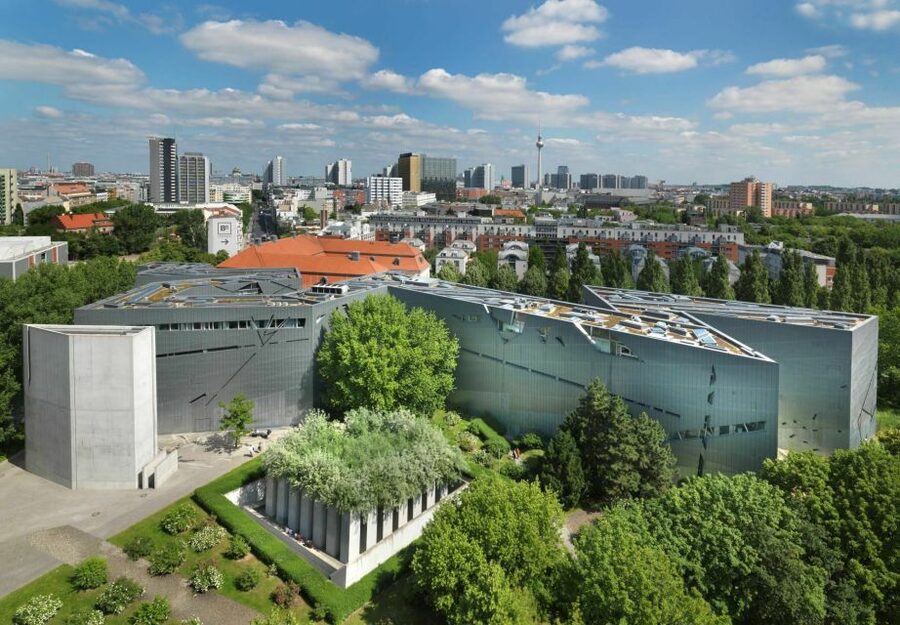
The Jewish Museum Berlin is interesting because it tells a very human story through architecture and everyday objects, not just panels on walls. I especially love how the building’s slanted, zig-zag design turns your body into part of the experience, and how the exhibitions cover Jewish life beyond the Holocaust. One possible drawback, if you hate dark themes, is that some sections feel heavy and emotionally intense, even when they are presented with care.
If you want a smart plan, this ticket is a good deal: you get entrance and a free download of the museum’s JMP app, and the museum is set up for a steady, self-paced route that fits about 2 hours. I also like the practical extras, like the recommendation to bring headphones and the fact that you can connect it with nearby sights in Kreuzberg. A consideration: the layout can feel a bit confusing at first, so it helps to follow the floor plan and not rush.
Key highlights to look for
- Daniel Libeskind’s symbolic zig-zag building with slanting walls, sharp angles, and open voids
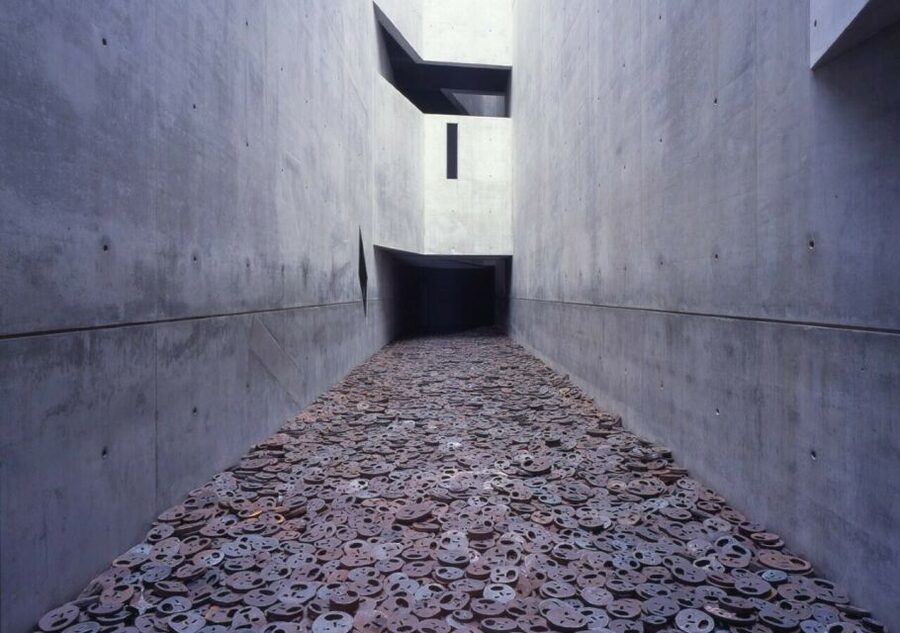
- The Memory Void and Shalekhet installation, which many visitors describe as unforgettable
- Holocaust Tower, built to create a strong emotional effect through space and light
- Special exhibitions like Inventories: The Legacy of Salman Schocken (free admission) and Defiance (Jewish women and design)
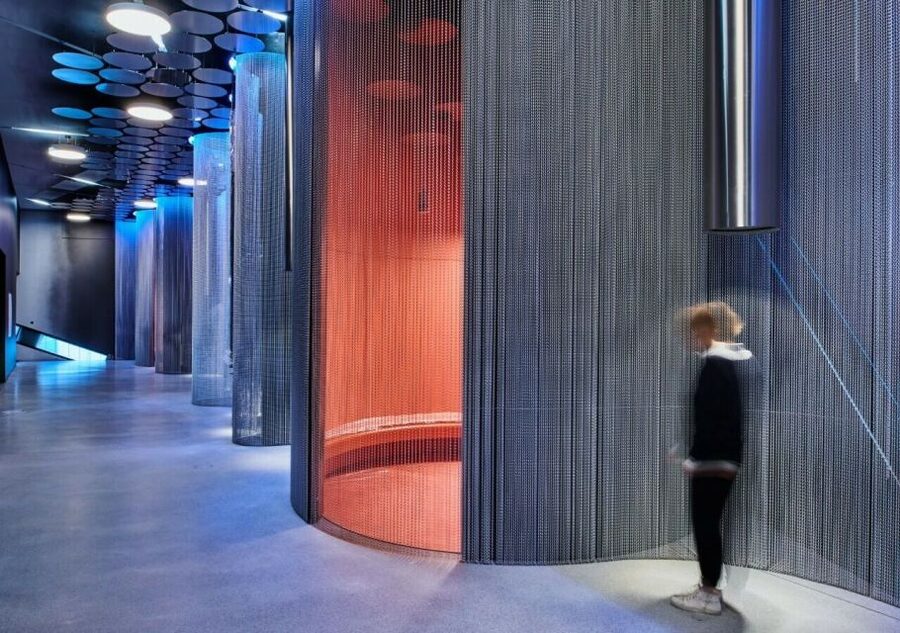
- Media-rich exhibits with video, audio installations, and interactive stations
- Great value and pairing options: it’s within walking distance of Checkpoint Charlie, plus reduced-rate admission to Berlinische Galerie
Entering Libeskind’s building, where space does the storytelling
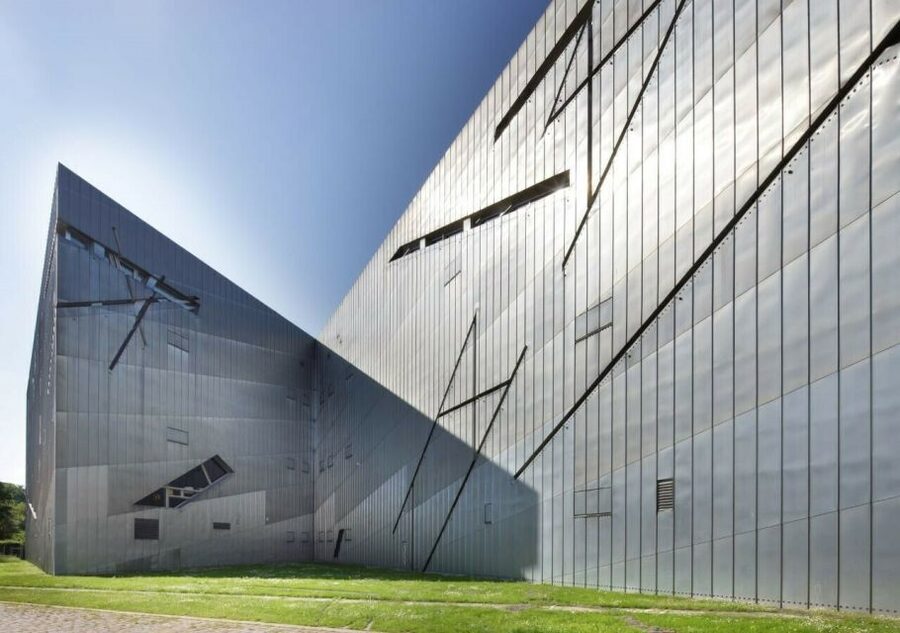
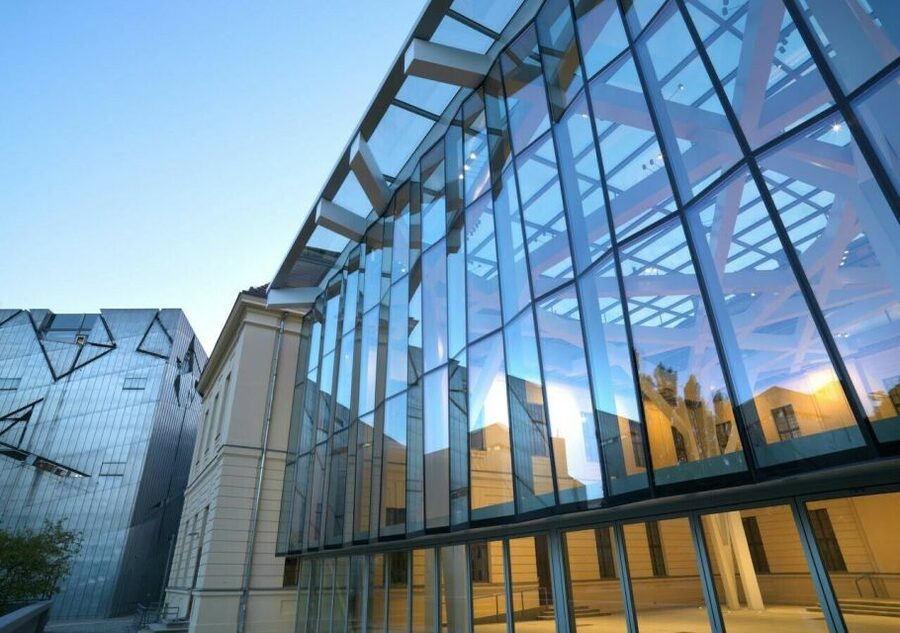
The Jewish Museum Berlin is famous for one thing before you even read a single label: the building. Daniel Libeskind designed the museum as a zig-zag structure that doesn’t behave like a normal museum. Corridors can feel angled, surfaces can feel off-kilter, and the open voids make you aware of absence as much as presence.
That may sound abstract, but it clicks fast once you’re inside. The museum uses your movement to create meaning. When walls tilt and lines don’t feel level, you don’t just observe history, you experience disorientation in a controlled, designed way. It’s one of the reasons people who are not architecture nerds still end up talking about the building long after they leave.
Other Jewish heritage tours in Berlin:
- Nazi Berlin and the Jewish Community Tour
★ 4.8 · 55 reviews - Private Tour: Jewish Heritage Walking Tour of Berlin
★ 5.0 · 29 reviews - Jewish Berlin: Walking tour The Old Jewish Quarter (private 3 Hours tour)
★ 5.0 · 27 reviews
A practical 2-hour plan that keeps you from getting lost
This ticket is timed around an average 2-hour visit. The museum is open from 10am to 6pm, and it closes at 6pm, so you do not want to arrive late and sprint through. If you can, I’d treat this like a “set aside time” stop rather than a quick detour, because the museum is long and you will naturally slow down in the strongest rooms.
Here’s a pacing style that works well:
- Start with your “big story” first, then circle back for details.
- Plan for a few pauses. The exhibits use space and light to affect your mood.
- Don’t try to read every word. Pick up the main threads about Jewish life, then follow what draws you in.
A note on comfort: the museum has stairs and uphill areas, so wear shoes you can move in easily. If you bring a big bag, plan for time at lockers. Some visitors report needing euro coins to use the locker system, and there’s also a coin compressor machine inside the museum if you want to make sure you have change.
What you’ll learn: Jewish life in Germany, not just one chapter
One reason the museum earns its reputation is that it covers Jewish history in Germany across a wide stretch of time. Instead of feeling like a single-topic memorial, it feels like an explanation of continuity and change, including the everyday rhythms of community life.
In plain terms, you’ll run into themes like:
- Shabbat and how it shapes time at home and in community
- Jewish holidays and the cultural meaning behind them
- Dietary laws like kosher and how food practices show identity
The exhibits also aim to show Jewish culture as diverse, not one uniform story. Even when the subject matter is painful, the museum keeps returning to lived experience, including objects and information that help you picture how people actually lived.
Spaces that hit hard: Holocaust Tower and the Memory Void
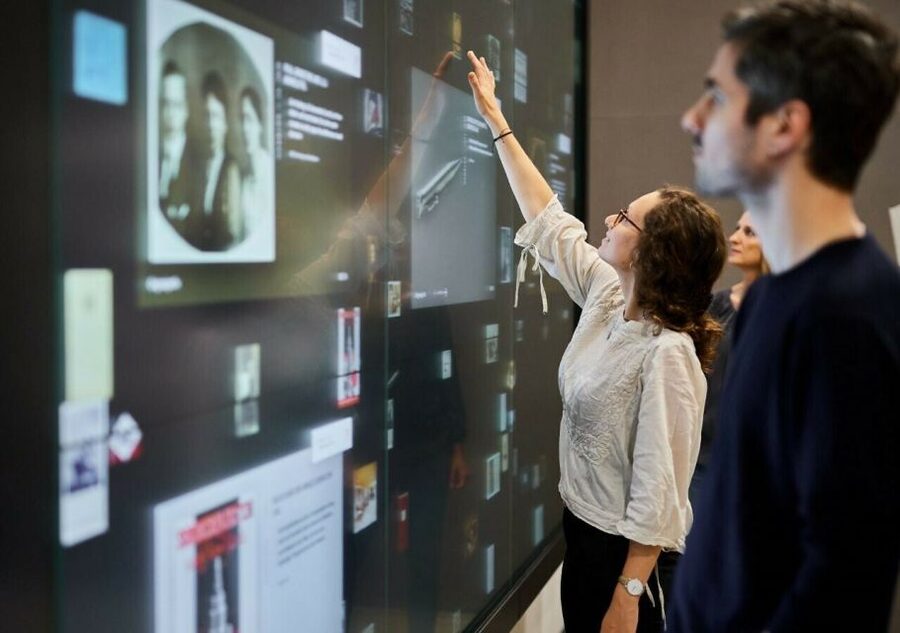
Some rooms in the museum are designed to stop you. If you’re expecting the Holocaust section to be only factual, you may be surprised by how much the museum uses spatial design to create emotion.
Two areas come up again and again in what visitors remember:
Holocaust Tower
This is where many people feel the strongest impact. The tower effect is not just about what you read, it’s about how the room makes you feel as you move through it. Expect a quiet, serious mood in there.
The Memory Void and Shalekhet (Fallen Leaves)
The Memory Void is another “you will remember this” space. Visitors often mention the Shalekhet installation, also described as Fallen Leaves, which can feel eerie and haunting in a way that stays with you.
I appreciate that the museum doesn’t try to make these sections entertaining or fast. It gives you a built-in reason to slow down and let the meaning land.
More museums in Berlin:
- Berlin: Natural History Museum Entrance Ticket
★ 4.6 · 3,382 reviews - Skip-the-Line: Berlin Wall Museum at Checkpoint Charlie
★ 4.1 · 2,041 reviews - Berlin: Museum Island Multiple Museum Entry Ticket
★ 4.4 · 2,007 reviews - Berlin: Interactive DeJa Vu Museum Entrance Ticket
★ 4.1 · 1,338 reviews
Exhibitions you can plan around: Inventories and Defiance
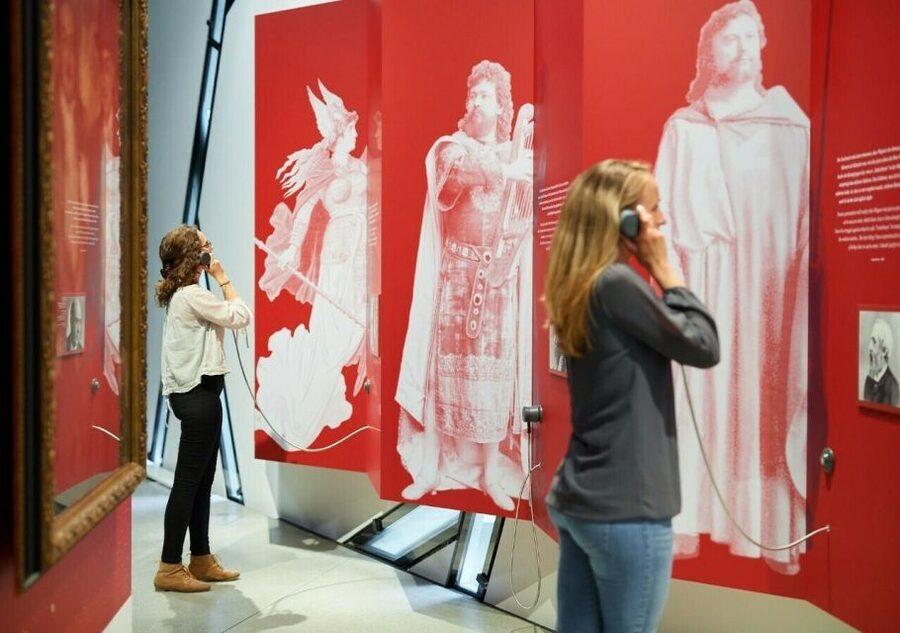
Your visit may include special exhibitions running at the time you go. Two are highlighted here:
Inventories: The Legacy of Salman Schocken
This new exhibition focuses on Salman Schocken through items and books from the museum’s collections. It also features US author Joshua Cohen, who comments on the cultural legacy of Schocken the publisher and department-store entrepreneur. Admission to this exhibition is free.
Defiance: Jewish Women and Design in the Modern Era
This exhibition looks at how Jewish women designers influenced German society during early twentieth-century modernization and emancipation. It’s framed as a first-of-its-kind collective exhibition on this theme, featuring work by more than sixty designers and covering careers that were later destroyed under the Nazi regime. The museum recommends bringing your own headphones, especially since the exhibition includes video and audio elements and also interactive stations.
If you’re planning a trip around a specific exhibition, check the dates before you go. The details provided here include a clear window for Inventories, and Defiance is also specifically dated.
Using the JMP app and headphones for a smoother museum visit
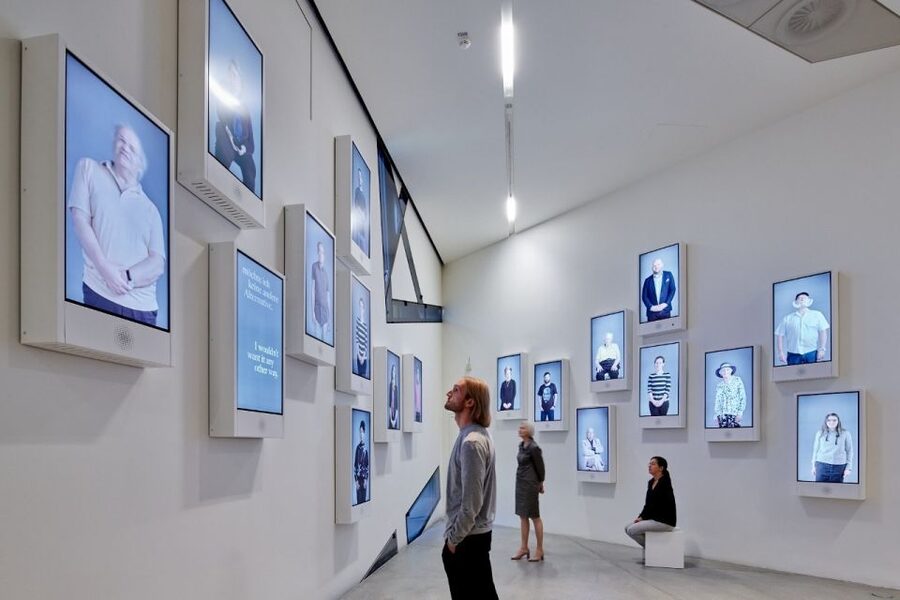
This ticket includes entrance and a free download of the JMP app. I like app-based museum support because you can control your pace. Some exhibits also use audio and video, so headphones help you stay focused without disturbing anyone around you.
The practical tip I’d give you is simple: bring your own headphones. The museum explicitly recommends it, and some visitors also report paying a small amount onsite if they need headphones.
Inside, you’ll find more than static displays. There are audio and video installations, plus interactive stations that give surprising insights. The best approach is to treat those as “mini-detours.” If you rush past interactive pieces, the museum can feel like only a classroom. If you slow down for them, the history feels more personal.
Where to go next: Checkpoint Charlie and Berlinische Galerie
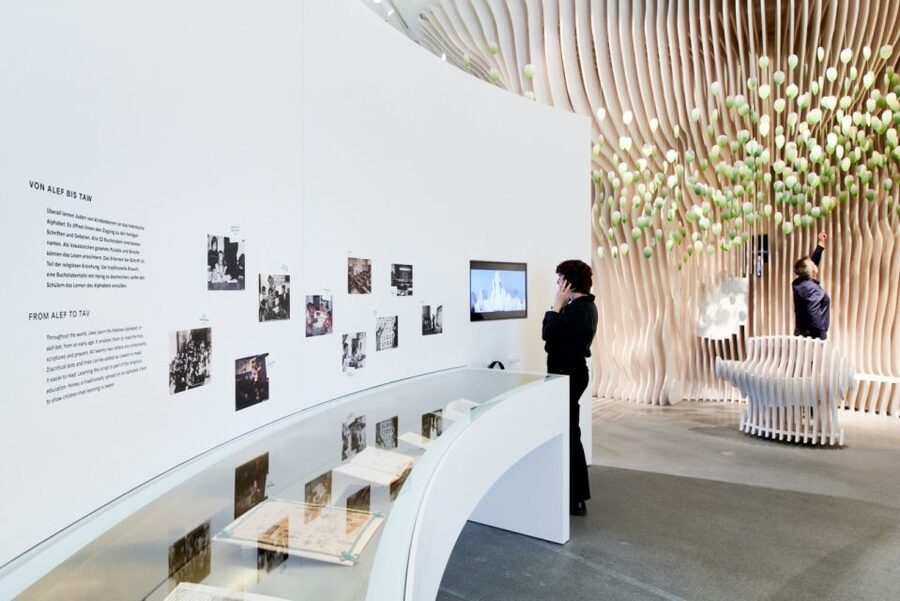
The museum sits in central Kreuzberg, and it’s within walking distance of Checkpoint Charlie. That makes it an easy “Berlin core” stop if you’re already doing the classic central sights.
Here’s an extra value perk: with your Jewish Museum Berlin ticket, you are eligible for reduced-rate admission to the Berlinische Galerie on the day of your visit and for the two following days. The Berlinische Galerie is about a 5-minute walk away. If you like art and photography, it’s a smart follow-up because it keeps you in a cultural mood without repeating the same topic.
If you want a half-day rhythm, do the Jewish Museum first, then use Berlinische Galerie as a lighter artistic counterpoint before you head back out for dinner.
Food, bags, and comfort tips so you can actually enjoy it
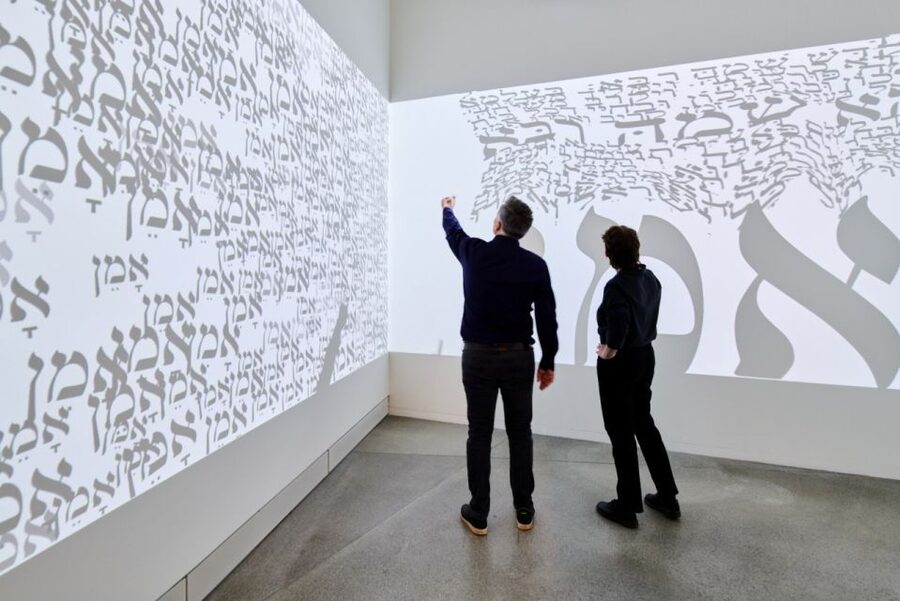
Food and drinks are not included with this ticket. That matters because the museum can take time, and some sections are emotionally heavy. If you think you’ll want a break, plan to grab a snack nearby before or after your visit rather than expecting the museum to cover meals.
Bags are another small but real issue. Some visitors mention lockers, and that the locker system may require euro coins to operate. There’s also a coin compressor machine inside the museum, which is the kind of detail that can save you time and frustration.
Finally, the building’s slanting corridors and sharp angles affect comfort. This is not a trick, it’s the design. Wear supportive shoes and expect that you’ll spend more time standing still than you would in a typical museum.
Who should book this free ticket
This is the kind of museum ticket I recommend if you want more than surface-level history. It suits:
- People who like museums that use objects, audio, and design to explain how life felt
- Travelers who want context on Jewish culture and traditions, including Shabbat and kosher practices
- Anyone visiting Berlin who wants an essential stop that connects to the city’s history
If you are extremely sensitive to heavy topics, you still might find value here, but go with the right expectations. This is presented respectfully, and the emotional impact is part of the intent. Pace yourself and give your mind time to recover between rooms.
Should you book the Jewish Museum Berlin ticket?
Yes, I think you should, especially because the value is strong. You’re getting skip-the-line entry, the museum’s symbolic Daniel Libeskind architecture, and a self-paced experience supported by a free app, all within about 2 hours. The fact that special exhibitions like Inventories are free on top of the base admission makes it even easier to justify.
Book it if you want a museum that uses design to teach, not just to decorate. I’d also book it if you can pair it with a short walk to Checkpoint Charlie and Berlinische Galerie afterward. Just come prepared: bring headphones, wear comfortable shoes, and plan your time so you’re not racing the 6pm closing.
Recently added around Berlin
- Berlin Private Custom Walking Tour With A Guide (Private Tour)★ 4.5 · 8 reviews
- One Up to 3 Rickshaws(6 GUESTS)-Taylor Made Rickshaw Berlin Tour★ 5.0 · 20 reviews
- Moonshine Comedy – English Stand Up Comedy by the bay★ 5.0 · 11 reviews
- Private Half-Day Berlin Sightseeing Tour with a Minivan Including Short City Walks★ 5.0 · 31 reviews
- Private taxi tour to Potsdam and Sanssouci 6-8h★ 5.0 · 30 reviews
- Private City Kickstart Tour: Berlin★ 4.5 · 71 reviews
- Private tour of Berlin★ 5.0 · 15 reviews
- Private Tutankhamun’s Tomb Live Escape Room in Berlin★ 3.5 · 11 reviews
Jewish Berlin Heritage Tours, compared.
Private Tour: Jewish Heritage Walking Tour of Berlin
Read our review →
Jewish Berlin: Walking tour The Old Jewish Quarter (private 3 Hours tour)
Read our review →

Jewish Berlin Extended (private Walking tour – 5 Hours)
Read our review →


Berlin‘s Jewish Heritage Private Tour With Jacob
Read our review →Browse the lists this tour appears in