
Reviewed · THIRD REICH & WW2 HISTORY WALKS
Nazi Berlin and the Jewish Community Tour
Berlin can be a tough city to absorb. This tour helps you make sense of how the Nazis gained power and how that power hit Berlin’s Jewish community, step by step, street by street. It’s history with real places attached, not just dates on a page.
I especially like the way the tour connects big-picture politics to specific sites, like the New Synagogue area and the memorial spaces tied to resistance. I also like the practical flow, public transport between neighborhoods, so you spend less time guessing and more time listening with your feet moving.
The main thing to consider is the subject matter. You’re looking at persecution, forced labor, deportations, and even planning for extermination, so come ready for heavy themes and a slower emotional pace.
Key points that make this tour worth your time
Hitler’s 1933 rise, tied to what you can see in Berlin
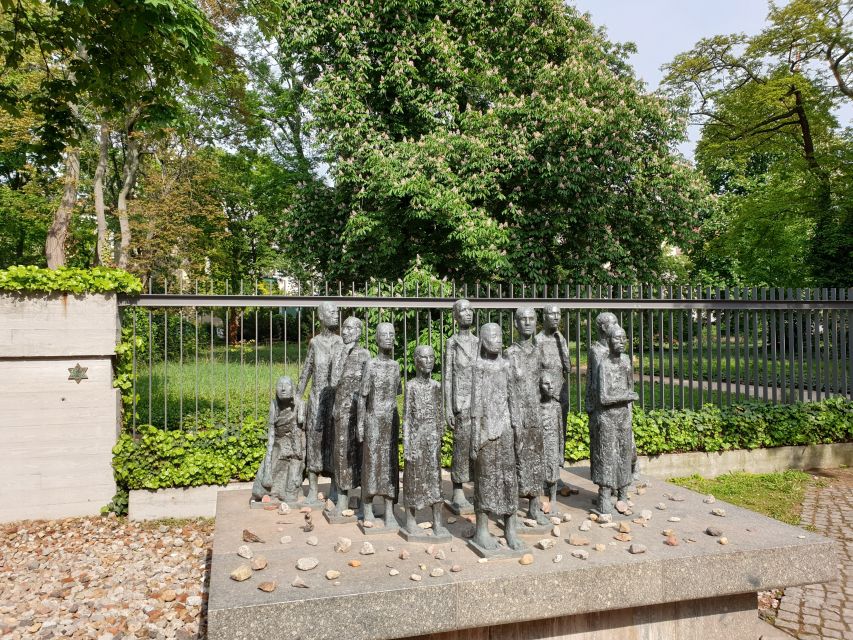
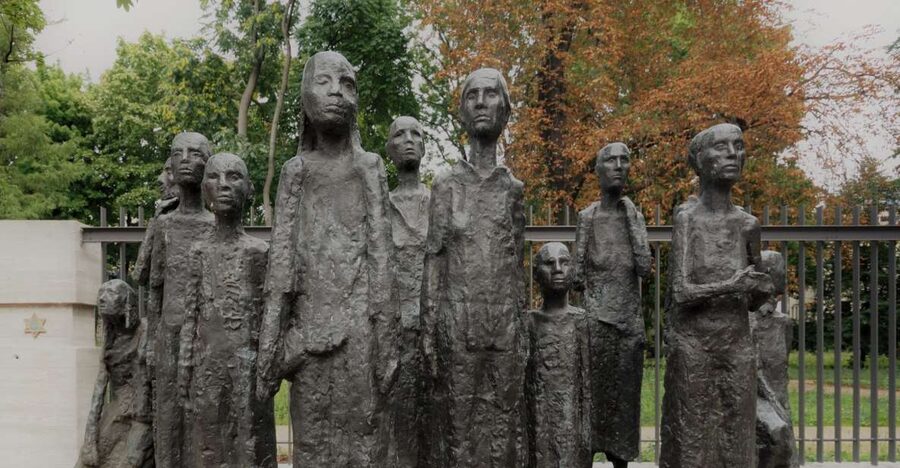
Jewish community sites, including the golden dome of the New Synagogue
German resistance landmarks, including Operation Valkyrie
Lesser-known stories like Varian Fry’s escape work for thousands
Otto Weidt Workshop for the Blind and the idea of Righteous Among the Nations
Nazis, Jewish life, and resistance, in one 3-hour route
This tour is built around a simple idea: power does not appear out of nowhere. You start in the zone where Nazi rule was organized and explained, then you move toward the Jewish community district where Jewish life, discrimination, forced labor, and deportation unfolded in the open. Along the way you also get the other side of the story, the Germans who resisted and tried to stop what was coming.
The time frame is short, about 3 hours, which is exactly why the route works. You get a focused narrative without losing the thread to long transfers or too many stops. And because the guide leads you with public transport, you don’t have to play “where is the next location?” every few minutes.
If you care about Berlin beyond the usual photo stops, this one gives you a different kind of clarity. You’ll leave knowing the geography of persecution and resistance, not just the headlines.
Other Third Reich and WW2 history walks in Berlin:
- Berlin: Third Reich and Cold War 2 Hour Walking Tour
★ 4.9 · 6,830 reviews - Berlin’s Best: 2 Hour Walking Tour Third Reich and the Cold War
★ 5.0 · 5,486 reviews - Third Reich Berlin: Hitler and WWII Walking Tour
★ 5.0 · 3,301 reviews
Starting out: where the guide sets the story in motion
You meet at a start point that can vary by option, and the tour begins with a guided intro session of about 20 minutes. This is more than small talk. The guide frames what you’re about to see, and that matters because the places later on can feel emotionally overwhelming without context.
During this early segment, you’ll set your mental timeline for the tour. You’ll hear how Hitler’s rise to power in 1933 was enabled and how dictatorship grew from politics into control. Even before you reach the most difficult sites, you’ll learn what to listen for as you move.
Practical note: wear comfortable shoes. You’ll be walking, and the tour mixes short guided segments with transit time.
Nazi headquarters and the machinery of dictatorship
The tour takes you to the Nazi headquarters area. This is one of the key reasons to choose this experience over a purely general Berlin overview. Instead of treating Nazism as an abstract villain, you’re shown how it functioned as a system.
You’ll also see remnants from World War II, including areas where buildings show scars from fighting. Those details can be hard to look at, but they’re also useful. Berlin’s landscape still carries the afterimage of the period you’re studying, so the story doesn’t float in the air.
One of the strongest parts here is how the guide connects early power to later cruelty. It helps you understand the jump from political takeover to policies that targeted civilians, including Jews and other groups.
German Resistance Memorial and Operation Valkyrie
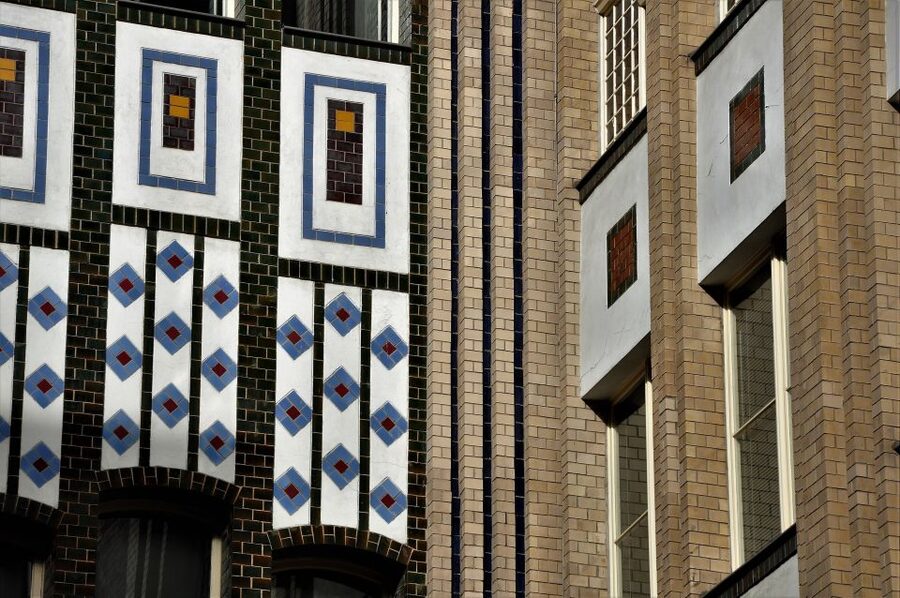
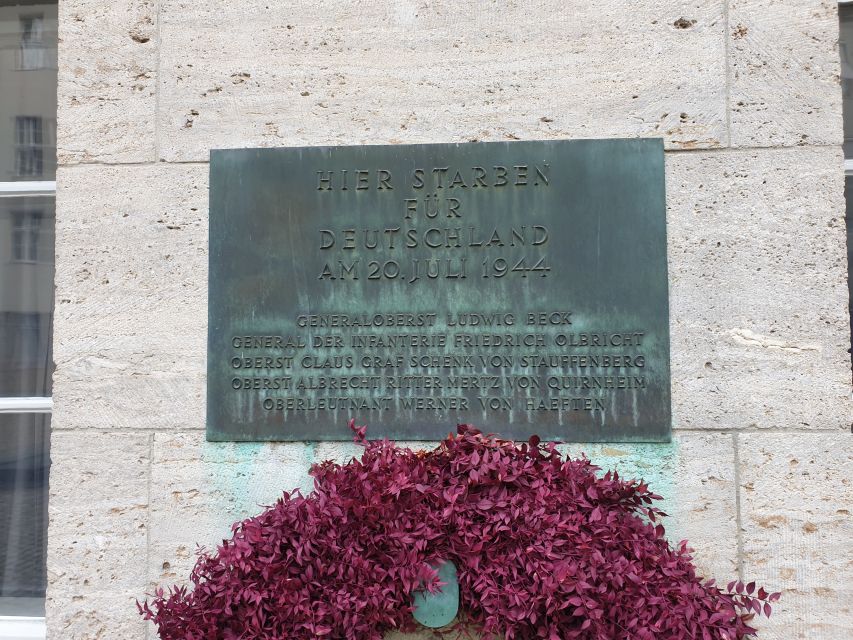
A major stop is the Gedenkstätte Deutscher Widerstand (German Resistance Memorial), with about 20 minutes of guided time. This isn’t only about Nazis. It’s about Germans who opposed Nazism and acted when they could.
You’ll learn how the site connects to Operation Valkyrie, the plan directed from there. The guide also explains why this memory place matters: it honors opposition and resistance, not only victims. In a city where the Nazi story is everywhere, it’s refreshing and necessary to hear about resistance with specifics tied to a location.
If you want a more balanced mental picture of the period, this stop is a major anchor. It stops the tour from feeling like a one-way descent into horror.
Other Jewish heritage tours in Berlin:
- Private Tour: Jewish Heritage Walking Tour of Berlin
★ 5.0 · 29 reviews - Jewish Berlin: Walking tour The Old Jewish Quarter (private 3 Hours tour)
★ 5.0 · 27 reviews - Jewish Life in Berlin – Private Walking Tour
★ 4.5 · 21 reviews - Jewish Berlin Extended (private Walking tour – 5 Hours)
★ 5.0 · 18 reviews
Anhalter Bahnhof, then transit toward the Jewish quarter
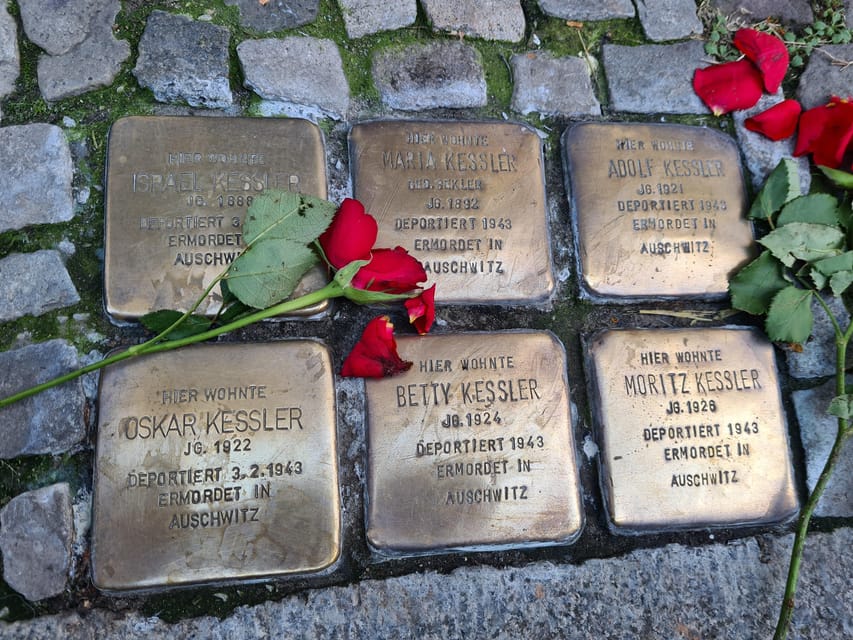
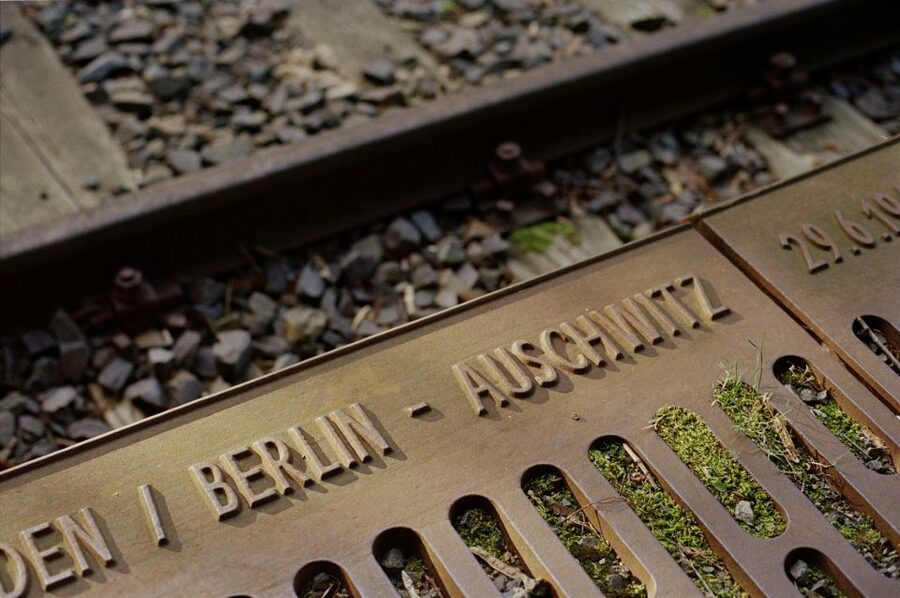
Next comes Anhalter Bahnhof, with about 10 minutes of guided time, and you also have a short bus/coach ride (around 10 minutes) and a train segment (around 10 minutes). This transit isn’t wasted time. You’re moving through Berlin the way people did, and the guide helps connect what you’re seeing with what happened in these spaces.
Anhalter Bahnhof matters because it was part of the world of transport and displacement during the Nazi era. Even if you don’t leave with every operational detail, you do leave with the sense that deportation was not a vague idea. It ran through stations, schedules, and logistics.
You’ll also get that “getting oriented” feeling. By the time you reach the next guided stop in the Jewish district, you’ll understand how the city’s layout fits into the story.
New Synagogue and the long arc of Jewish Berlin
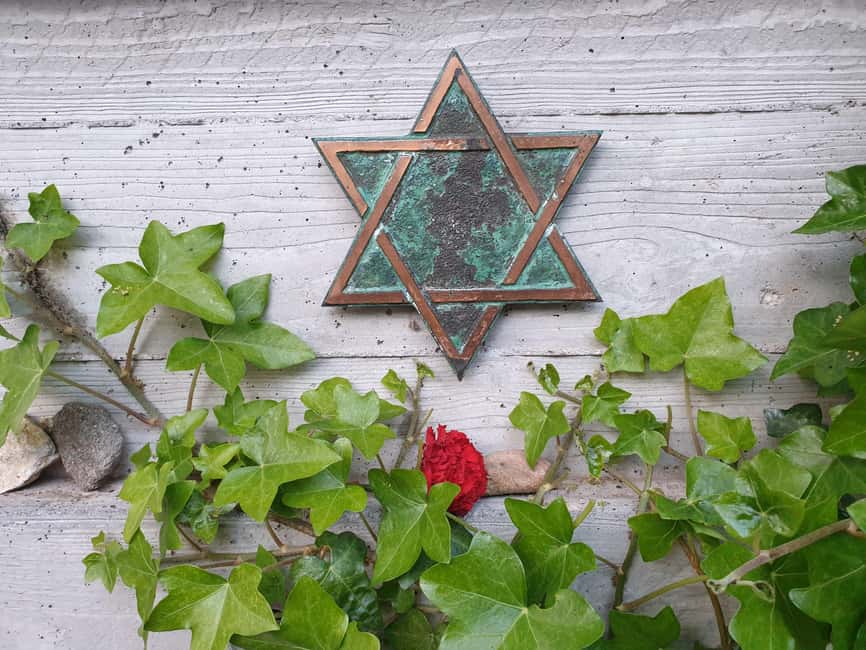
One of the highlights is the New Synagogue of Berlin in the Jewish quarter, including the Jewish Centre area. You get about 15 minutes of guided time here. The most striking detail is the golden dome, visible and iconic. But the value is not just the view. The guide places the synagogue inside a longer timeline of Jewish life in Berlin.
You’ll hear about the community before Nazi power took hold, and then how things changed once the Nazis came to power. The guide also addresses the mechanisms of forced labor and the deportations during World War II, showing how discrimination became organized and then lethal.
The guided pacing helps. You’re not rushed to “check the building.” Instead, the guide turns your attention to what the synagogue represents and why its history is inseparable from Berlin’s broader story.
If you’re the kind of traveler who likes to understand the why behind landmarks, you’ll enjoy this stop.
Varian Fry’s escape network and the hidden memorials you might miss alone
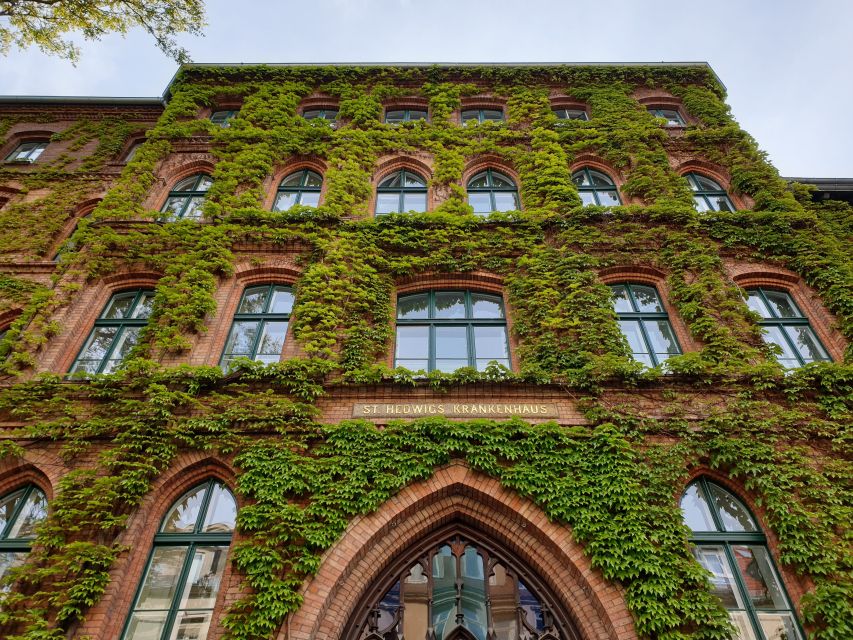
Another part of the tour is dedicated to lesser-known memorials, including one connected to the American journalist Varian Fry. You’ll learn that Fry helped orchestrate the escape of over 3,000 persecuted Jews from Nazi-occupied Europe. The guide also mentions people connected to that time, including artist Marc Chagall, philosopher Hannah Arendt, and writer Heinrich Mann.
This stop is valuable because it adds a different texture. It shows that help existed, even in tight, dangerous conditions. It also makes the tour feel less like a list of crimes and more like a story of choices, actions, and resistance in multiple forms.
In the middle of heavy subject matter, these names and this narrative can make the past feel human again. That doesn’t soften the tragedy, but it gives it shape.
Operation T4 and the command center for extermination planning
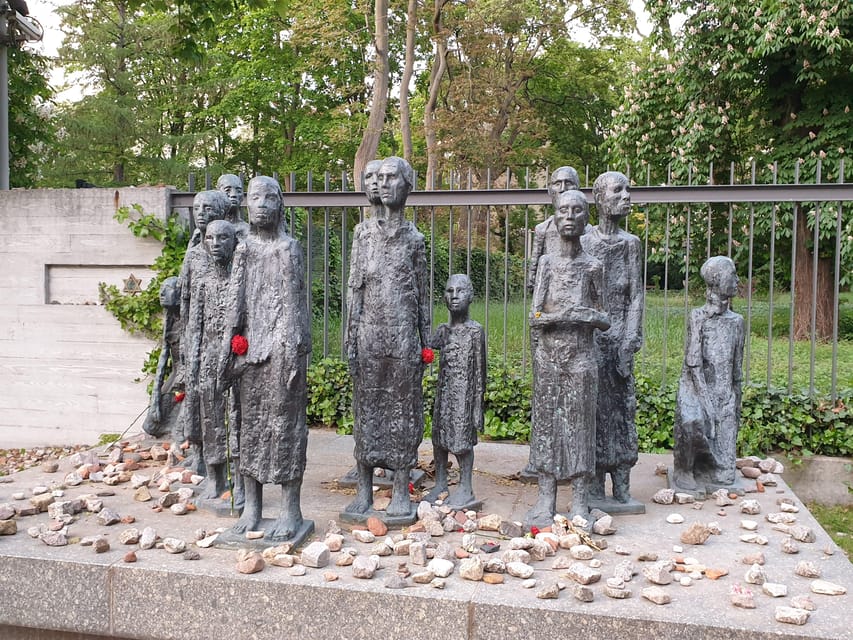
The tour also visits the command center of Operation T4, where the SS planned extermination and sterilization of tens of thousands of disabled citizens. This is one of the most difficult parts of the tour, and it deserves that careful attention.
The guide’s job here is crucial: explain the system without turning it into trivia. When a tour brings you to a site like this, you learn why historical evil was bureaucratic. It was not only ideology and rage. It was planning, paperwork, and execution.
I’d treat this segment as a mental checkpoint. If you’re sensitive, you might want a moment to step back after the guided portion. You can still keep moving, but giving yourself a breath prevents the experience from flattening under its own weight.
Passing WWII scars and tracing the path toward May 1945
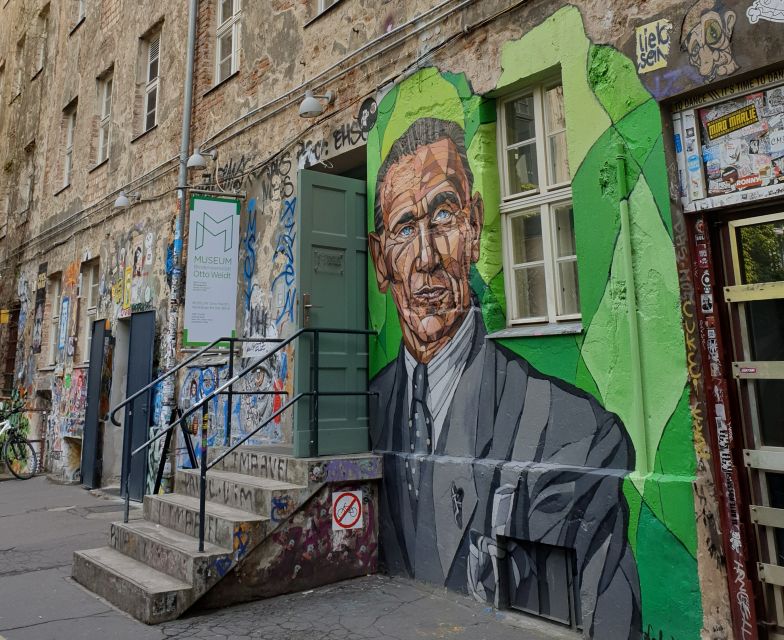
As you move through the historical spaces, you’ll also pass or revisit ruins of historic buildings that show the scars of World War II combat. The guide helps you revisit the tragic moments that led to Nazi Germany’s surrender in May 1945.
This kind of “walk-through” moment helps your brain connect different sections of the story. You’re not only learning about what happened during the dictatorship. You’re also seeing the physical city that endured the final phases and survived.
Even if you’ve read about the war before, the visual reminder can shift how the timeline feels. It turns history into a lived environment.
Otto Weidt Workshop for the Blind: survival stories with faces and choices
The tour’s final major stop is the Otto Weidt Workshop for the Blind, with about 15 minutes of guided time. This is where the tour earns its emotional lift, not by ignoring tragedy, but by showing what specific people did when they could.
You’ll learn about the story of a Righteous Among the Nations who protected Jewish workers from persecution and deportation. The guide explains that when the threat grew ever greater, he found places for some of them to hide, including on the premises that are now part of the museum.
What makes this stop powerful is that it’s not only about Nazi crimes or official planning. It’s about everyday courage in a system designed to crush people. The guide ties the museum to the practical reality of hiding and helping, so it feels grounded rather than myth-like.
If you want one part of the tour to feel most directly connected to human action, this is it.
Price and logistics: what you get for about $27
At $27 per person for 3 hours, this is good value for a guided, multi-stop history route. You’re paying for more than a guide talking in one room. You’re getting structured time at several specific locations tied to dictatorship, Jewish history, resistance, and survival.
What’s not included is important: you need an AB all-day ticket for public transport. That requirement matters because the tour actually uses transit between areas, including bus/coach and train segments. Budget time and money for that ticket, or you’ll spend your tour juggling access issues instead of listening.
Also note the tour language. It’s guided in French or Italian. If you don’t speak either, you’ll have to decide if the payoff is still worth it. The good news is that the experience is organized enough that you’ll follow the story through the places, but the guide details are the whole point.
Accessibility is stated as wheelchair accessible, and the route appears designed for public transport use. Still, since you’ll be walking and spending time on guided stop transitions, you’ll want to keep your own mobility needs in mind.
Who this tour suits best (and who might want a different option)
This tour fits best if you want:
- A focused, guided storyline across several of Berlin’s most important Nazi-era and Jewish community locations
- Resistance and survival context, not only victim-focused history
- A route that includes lesser-known memorials, like the Varian Fry connection
It may be less ideal if:
- You want a lighter or purely architectural Berlin walk
- You prefer history in a museum format rather than on streets and at memorial sites
- You’re not comfortable with the tour’s subject matter, including deportations and Operation T4 planning
The guide matters, and this one seems to deliver
One of the most praised aspects is the quality of the guide. In the feedback I saw, a guide named Lorenzo came through as prepared and genuinely engaging, which is exactly what you want for a tour like this. When the content is heavy and the sites are intense, you need a guide who can keep the timeline straight and the pace humane.
That’s not something you can check from a distance, but the strong reception for guide performance is a real signal.
Should you book this Nazi Berlin and the Jewish Community tour?
If you’re choosing between a general Berlin history day and something more focused, I’d lean toward booking this one. For the price, you get a tight route that connects Nazi power, Jewish life and persecution, and German resistance, with a meaningful ending at Otto Weidt’s survival story.
Book it if you want clarity through places, not just information through photos. Skip it only if you’re looking for something lighthearted or you can’t handle difficult themes.
Recently added around Berlin
- Berlin Private Custom Walking Tour With A Guide (Private Tour)★ 4.5 · 8 reviews
- One Up to 3 Rickshaws(6 GUESTS)-Taylor Made Rickshaw Berlin Tour★ 5.0 · 20 reviews
- Moonshine Comedy – English Stand Up Comedy by the bay★ 5.0 · 11 reviews
- Private Half-Day Berlin Sightseeing Tour with a Minivan Including Short City Walks★ 5.0 · 31 reviews
- Private taxi tour to Potsdam and Sanssouci 6-8h★ 5.0 · 30 reviews
- Private City Kickstart Tour: Berlin★ 4.5 · 71 reviews
- Private tour of Berlin★ 5.0 · 15 reviews
- Private Tutankhamun’s Tomb Live Escape Room in Berlin★ 3.5 · 11 reviews
Third Reich & WW2 History Walks, compared.
Berlin’s Best: 2 Hour Walking Tour Third Reich and the Cold War
Read our review →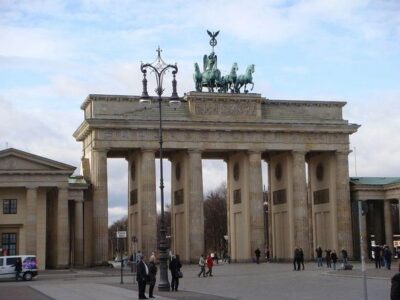
Third Reich Berlin: Hitler and WWII Walking Tour
Read our review →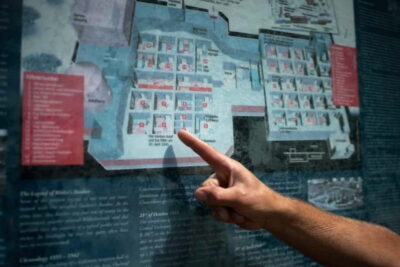

Berlin Third Reich Sites: Half-Day Walking Tour
Read our review →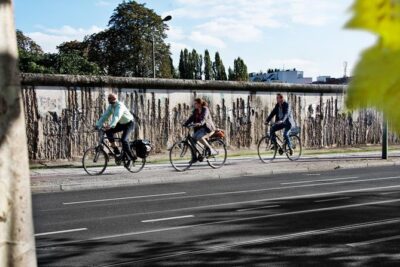
Guided Bike Tour of the Berlin Wall and Third Reich
Read our review →
Hitler’s Germany: Berlin During the Third Reich & WWII
Read our review →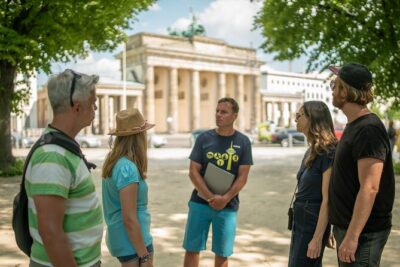
Private Walking Tour Berlin Third Reich Hitler and World War II
Read our review →Browse the lists this tour appears in