
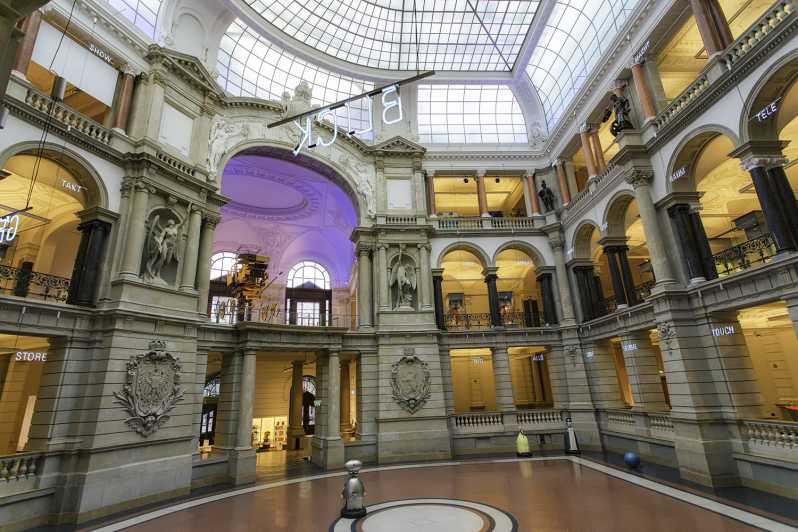
Reviewed · MUSEUMS
Berlin: Museum of Communication Entrance Ticket
Berlin’s Museum für Kommunikation is interesting because it treats communication like a living story, from ancient tools to modern tech. You walk through a communication museum built for hands-on learning, not just reading text on walls. (postal and hands-on)
I like how the exhibits focus on real milestones and then turn them into simple, do-it-yourself experiments. I also love the chance to see the Blue Mauritius, one of the most famous and rare stamps in the world, right inside a museum devoted to sending and receiving messages. (interactive and Blue Mauritius)
One drawback to plan around: this is mostly a self-guided experience, so you need to be the kind of person who enjoys exploring at your own pace. Also, the museum is closed on Mondays, so you’ll want your Berlin day lined up correctly.
Key highlights I’d prioritize
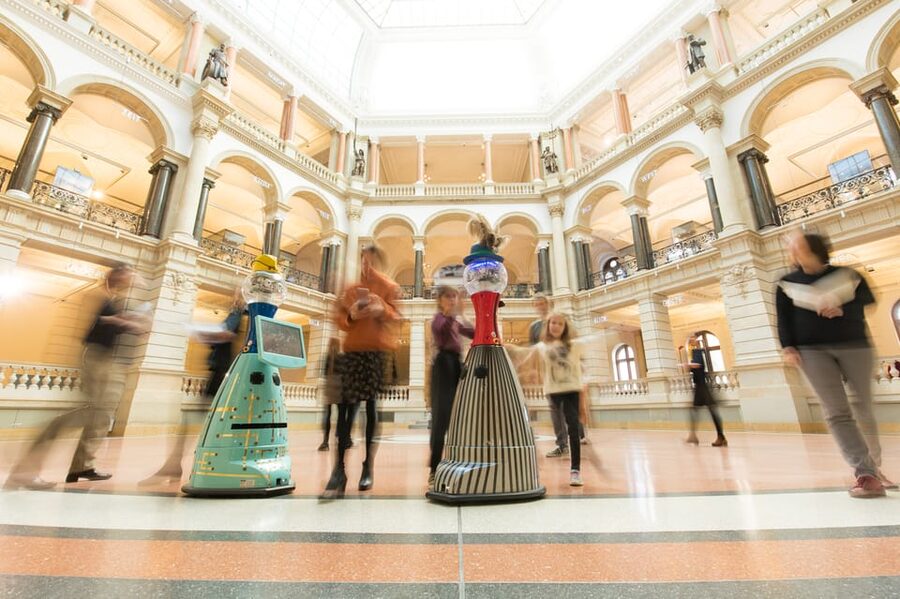
- 40,000 years of communication told through about 2,000 objects, from the hand axe to the smartphone
- Blue Mauritius on display, tied directly to the story of mail and stamps
- Interactive terminals around the atrium, including smoke, light, and acoustic signals
- Activities that help you practice greetings from around the world
- Audio-visual app route guidance, so you can explore without getting lost
- No timed entry requirement, which makes it easier to fit into a day in Berlin
A Berlin museum about messages, not just artifacts

If you have ever wondered how people figured out ways to communicate across distance and time, this is a very satisfying stop. The Museum für Kommunikation Berlin takes that big question and makes it practical. Instead of only showing items in glass cases, it builds small “try it” moments so you can understand the logic behind the tech.
What I appreciate most is that this is a communication museum with a strong postal backbone. You see the bridge between letters, signals, and modern devices, which makes the displays feel like a single chain rather than separate topics. And since it is described as the world’s oldest postal museum, you also get a clear sense that the tradition of mail is at the center of everything here.
More museums in Berlin:
- Berlin: Natural History Museum Entrance Ticket
★ 4.6 · 3,382 reviews - Skip-the-Line: Berlin Wall Museum at Checkpoint Charlie
★ 4.1 · 2,041 reviews - Berlin: Museum Island Multiple Museum Entry Ticket
★ 4.4 · 2,007 reviews
Your ticket, price, and the easiest way to schedule it
The admission ticket is $9 per person, and you get a full day to use it. That is strong value for a museum that combines a lot of objects with interactive programming and an audio-visual app.
You do not need to reserve time slots for your visit. That’s a big deal in Berlin, because it means you are not forced into a rigid morning or afternoon. The practical move is to check availability for starting times and then pick a time that matches your energy level.
Payment is also pretty flexible. You can purchase tickets without cash, and at the museum counter you can pay with cash. So if you are moving around Berlin with cash in your pocket, you are fine.
Hours are something to take seriously here:
- Closed on Mondays
- Closed on December 24, 25, and 31
- On public holidays, open from 10:00 AM to 6:00 PM
Walking in: what the museum does with 2,000 objects
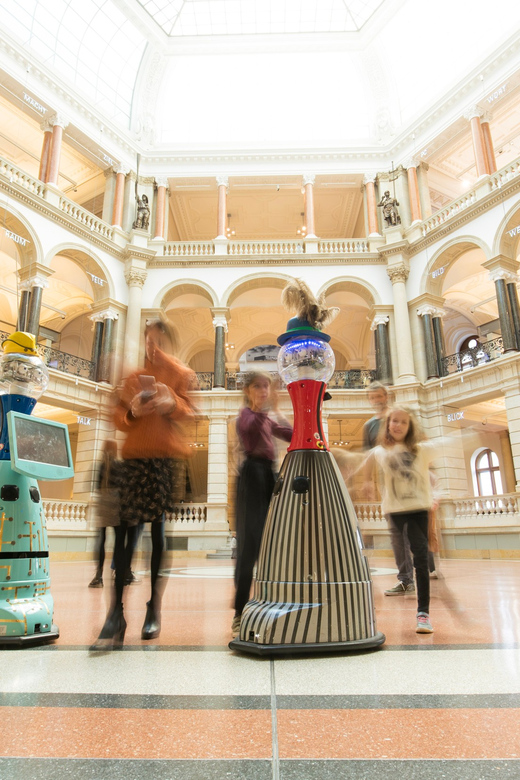
The museum’s communication story spans 40,000 years, and it does it through about 2,000 objects. That scale can sound overwhelming on paper, but the way the museum is set up helps you avoid the feeling of drowning in information.
Think of it like this: you do not need to master everything. You need to pick a few threads you care about, and then follow those threads through the galleries. The exhibits are described as “milestones of communication” that you can experience, plus they reference current debates, always from different angles and in dialogue with the community. Translation: you will see old methods, but you will also see how those methods connect to modern questions about communication and society.
The atrium gallery: smoke, light, and sound you can try
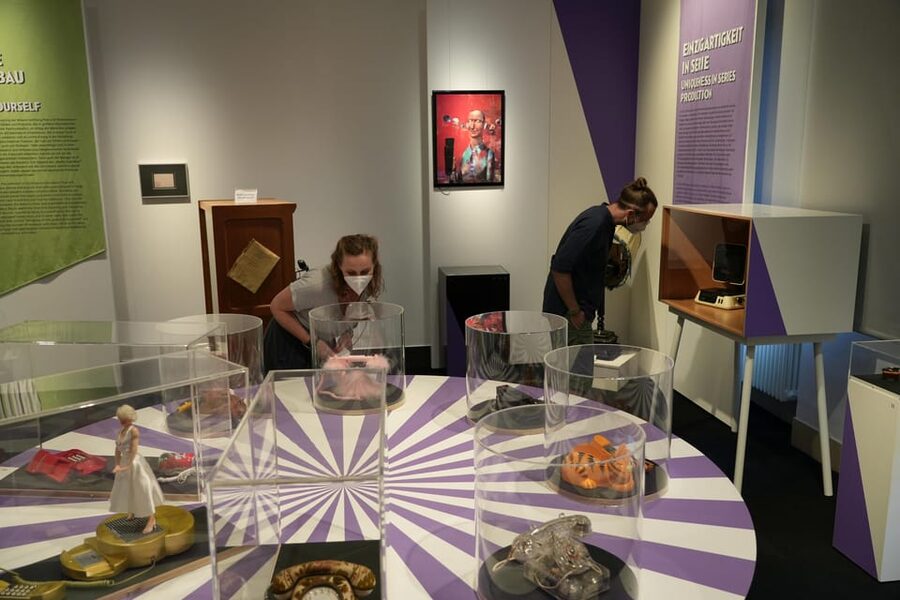
One of the best parts is the communication gallery around the atrium. This is where the museum becomes play-heavy in the best way. The exhibits use interactive terminals so you can test how signals work, instead of only reading about them.
I like this layout because it gives you a clear anchor point. Even if you wander, you can always return to the atrium area to reset your bearings.
Here are the kinds of interactive moments you should look for:
- Exchanging the latest news by smoke signals
- Sending messages by light signals
- Using acoustic signals
- Trying out digital displays tied to communication basics
These activities matter because they teach you the underlying problem communication solves: how to carry meaning through distance. When you try a signal method, you get an intuitive sense of what changes across time, like range, clarity, and reliability.
A few more Berlin options worth a look
- Berlin: Berlin Story Bunker Entry Ticket
★ 4.6 · 6,759 reviews - Berlin: Illuseum Berlin Entrance Ticket
★ 4.1 · 3,970 reviews - Berlin: Madame Tussauds Admission Ticket
★ 4.6 · 3,941 reviews - Berlin: Charlottenburg Palace Entry Ticket
★ 4.4 · 2,076 reviews
Practicing greetings from around the world
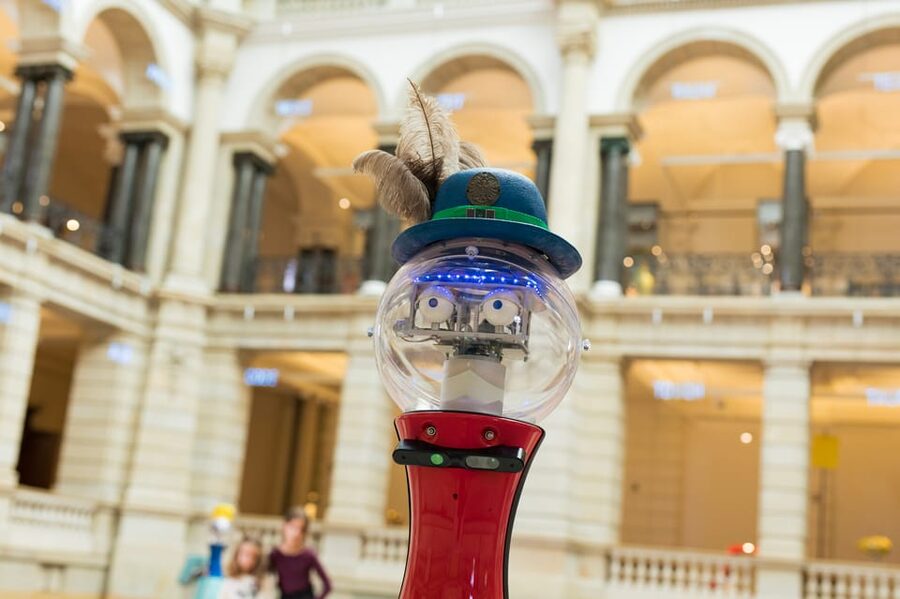
Another standout is the idea that communication is not just technology. It is also social behavior.
The museum includes interactive ways to learn how to greet people from around the world. That matters for two reasons. First, it reminds you that “communication” includes face-to-face exchange and cultural norms. Second, it makes the museum feel more human, which is great if you are visiting with kids or if you simply do not want everything to be about devices and history.
Even if you do not interact with every terminal, you will likely come away with at least a few practical insights about how greeting styles vary and why those differences can matter.
From hand axe to smartphone, and why that journey works

The museum is built around the idea that communication milestones evolve, but the core need stays the same. The experience moves from the hand axe to the smartphone, which is a clever way to show that today’s tech is part of a long chain, not a sudden invention from nowhere.
You will likely notice a few patterns as you move through:
- Communication tools keep changing shape, but meaning still has to survive the transfer
- Each new method solves some problems while creating new ones
- Old and new technologies often coexist, especially in how people share information
This “big timeline” approach is useful because it turns the museum into something you can reason through. You are not only memorizing dates. You are building a mental model for how humans solve the same challenge over and over.
The Blue Mauritius stamp: why this exhibit matters
Yes, the museum includes the Blue Mauritius. That stamp is among the most famous and rarest in the world, and it fits the postal theme perfectly.
What I find compelling is how a single object can represent an entire system. A stamp is more than a collectible. It is proof that a message entered a postal network, followed rules, and traveled through a specific logistics world. Seeing the Blue Mauritius in a museum focused on communication history helps you connect the collectible value to the real-world role mail played.
If you enjoy philately, you’ll likely appreciate seeing the stamp in context. If you are not into stamps, you can still use it as a “story anchor” to understand why postal systems developed and why they became so important for long-distance life.
Self-guided exploring with the audio-visual app
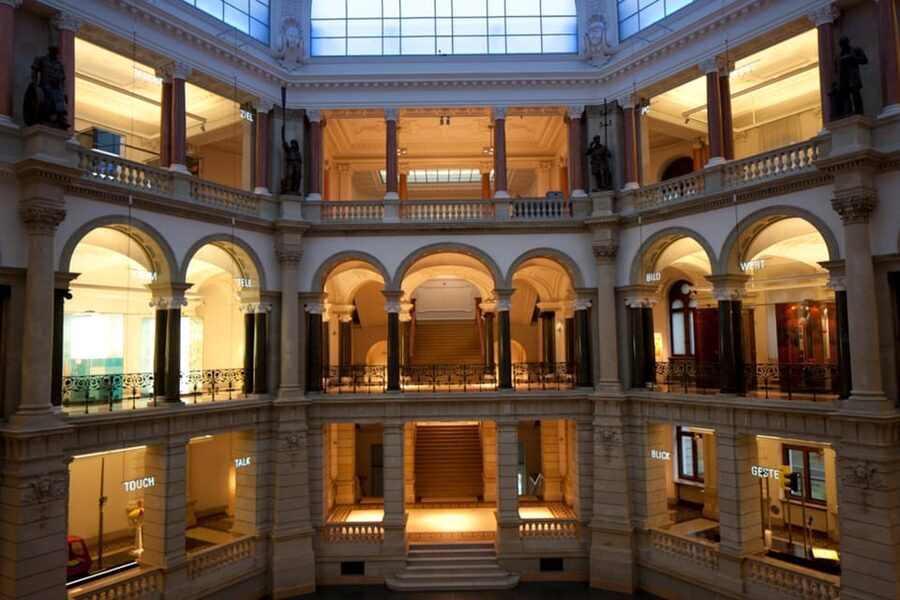
This visit is designed to be at your pace. You explore on your own, and the museum provides an audio-visual app to guide you.
That combination is ideal if you like to control your time. You can spend longer at the interactive terminals, or you can speed through galleries if you only want the main story beats. It also helps you get the most out of the museum without needing a group tour schedule.
A practical tip: give yourself permission to repeat the hands-on stations. When you try a signal concept once, you may feel like you “got it.” When you try it again, you usually notice what changes, like how easy it is to interpret the message.
How long should you plan?
The experience is listed as 1 day, and a typical visit window is about 1.5 hours. I’d treat 90 minutes as your baseline plan if you want to see the major highlights and try a few interactive stations.
If you are the type who likes to interact with everything, plan for more time. The museum’s strength is that you can keep learning by doing, and that naturally takes longer than reading.
Who this works best for in Berlin
This museum is a strong match for several types of people:
- Families who want hands-on learning rather than long, quiet exhibits
- Curious solo visitors who enjoy exploring with an app and moving at their own pace
- Anyone interested in postal history, stamps, and communication technology
- People who like interactive science-meets-humanities style museum experiences
One review specifically points out that the museum is great for children and includes opportunities to touch and explore. That lines up with what the interactive stations are built to do.
On the flip side, if you want a classic guided tour with a live speaker leading the whole route, this might feel more independent than you prefer. The tradeoff is freedom, and you get to choose what to linger on.
Practical value check: is it worth $9?
For $9, you get museum admission plus the audio-visual app, and you also get access to:
- A timeline spanning 40,000 years
- Around 2,000 objects
- Interactive terminals tied to real communication methods
- A chance to see the Blue Mauritius
That is a lot packed into a low ticket price. The main value question is less about cost and more about your mood. If you enjoy interactive museums and you like connecting history to everyday life, this is a smart use of time. If you only want a quick “look at exhibits behind glass” stop, you may find yourself wishing for more traditional guided commentary.
Should you book the Museum für Kommunikation entrance ticket?
I’d book it if:
- You want an easy Berlin activity that does not require timed reservations
- You like interactive displays and audio-visual guidance
- You care about postal history, stamps, or the evolution of communication
- You are traveling with kids who do better with hands-on learning
I would reconsider if:
- You prefer guided tours led by a person
- You are short on time and prefer ultra-focused museums with just one clear theme
If you are building a day of Berlin culture with room for curiosity, this ticket is a strong pick. It is affordable, self-paced, and full of small moments where communication stops being abstract and becomes something you can actually try.
FAQ
How much is the Museum für Kommunikation Berlin entrance ticket?
The price listed is $9 per person.
Do I need to reserve a time slot?
No time slots need to be reserved for your museum visit.
Is the ticket valid for more than one day?
No. It is valid for 1 day.
What is included with the admission ticket?
You get the Museum of Communication admission ticket and an audio-visual app.
What payment options are available?
You can purchase tickets without cash, and you can pay with cash at the museum counter.
What major exhibit should I plan to see?
The Blue Mauritius stamp is highlighted as a must-see item in the museum.
How long should I plan for the visit?
The experience is listed as 1 day, and a typical visit window is around 1.5 hours, depending on your pace.
When is the museum open and closed?
It is closed on Mondays and on December 24, 25, and 31. On public holidays, it is open from 10:00 AM to 6:00 PM.
Is the museum wheelchair accessible?
Yes, it is wheelchair accessible.
Is there free cancellation?
Yes. You can cancel up to 24 hours in advance for a full refund.
Recently added around Berlin
- Berlin Private Custom Walking Tour With A Guide (Private Tour)★ 4.5 · 8 reviews
- One Up to 3 Rickshaws(6 GUESTS)-Taylor Made Rickshaw Berlin Tour★ 5.0 · 20 reviews
- Moonshine Comedy – English Stand Up Comedy by the bay★ 5.0 · 11 reviews
- Private Half-Day Berlin Sightseeing Tour with a Minivan Including Short City Walks★ 5.0 · 31 reviews
- Private taxi tour to Potsdam and Sanssouci 6-8h★ 5.0 · 30 reviews
- Private City Kickstart Tour: Berlin★ 4.5 · 71 reviews
- Private tour of Berlin★ 5.0 · 15 reviews
- Private Tutankhamun’s Tomb Live Escape Room in Berlin★ 3.5 · 11 reviews
Museums, compared.


Skip-the-Line: Berlin Wall Museum at Checkpoint Charlie
Read our review →


“Pergamonmuseum. The Panorama” Exhibition Tickets
Read our review →

East Side Gallery Spree Cruise in a Solar Catamaran
Read our review →Browse the lists this tour appears in