
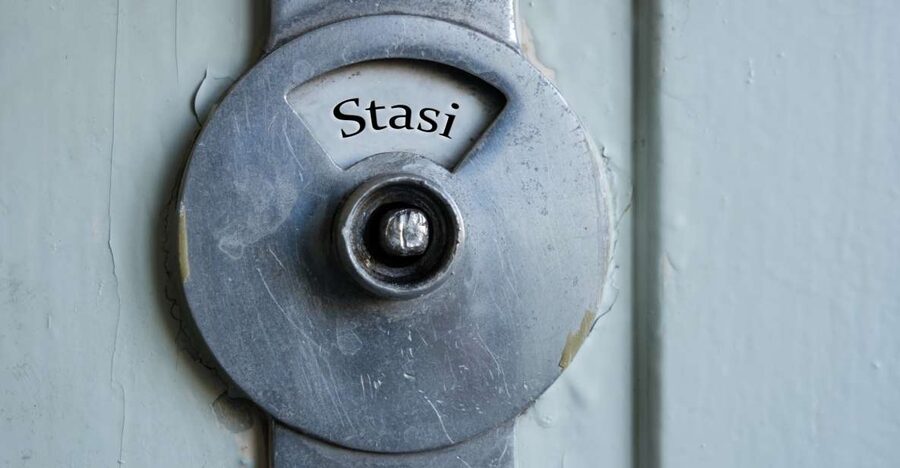
Reviewed · BERLIN WALL & COLD WAR TOURS
Berlin: Stasi Museum Private Guided Tour with Entry Ticket
The Cold War can feel like a headline until you see how one security service tried to control daily life, from apartments to workplaces. This private Stasi Museum tour takes you into the real former headquarters space and pairs it with clear, human-scale explanations of GDR politics and surveillance. I love that you get skip-the-line entry tied to a set time slot, so the visit stays smooth, and I love the original Stasi technology on display, like bugs and hidden cameras. One possible drawback is the price is steep for a museum visit, so it only feels like a win if you want guided context, not just a quick look around.
You start at Alexanderplatz, then take public transport to the museum so you are not fighting Berlin logistics while trying to absorb heavy history. The tour format matters here too: it is a private group with an expert guide in your chosen language, so questions are easy and the pacing makes sense. If you are short on time and only want a light stop, this 3-hour guided format may feel a bit intense.
Also note: this is the Forschungs- und Gedenkstätte Normannenstraße museum, not the better-known Stasi prison memorial in Hohenschönhausen. If your goal is specifically to walk through prison cells, you’ll want to plan accordingly.
Quick takeaways before you go
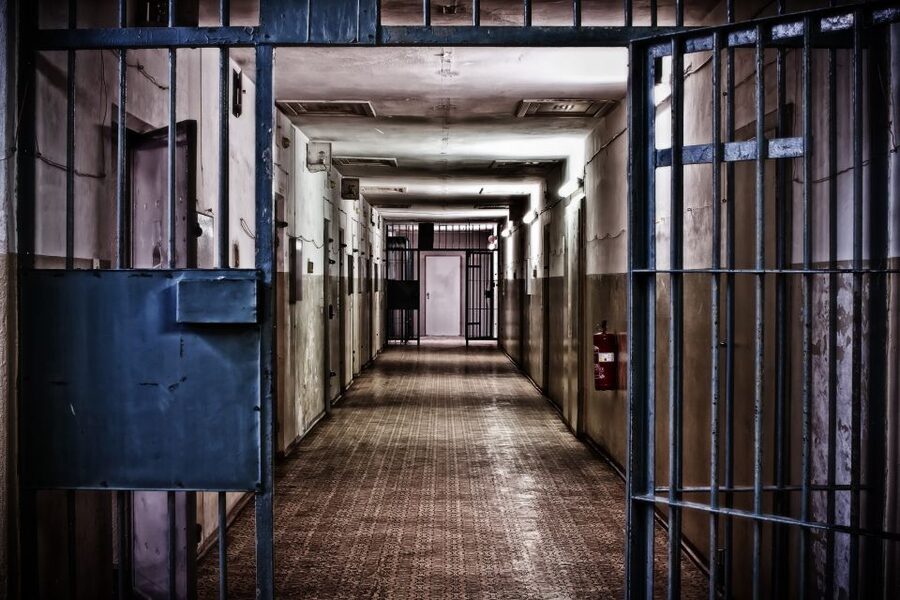
- Private, 3-hour format that keeps the topic focused instead of turning into a self-guided blur
- Skip-the-line tickets with a pre-booked entry time, so you’ll need to be punctual
- Original surveillance displays such as hidden cameras and bugging equipment
- A clear look at how the Stasi worked, including informants and day-to-day control
- Erich Mielke’s office and his red briefcase detail for a strong anchor point in the story
- Public transport included, which helps because the museum is outside the city center
Alexanderplatz meeting point, and why 1989 is your starting cue

Your tour meets at the DM drugstore at Alexanderplatz (1, 10178 Berlin). This matters more than it sounds. Alexanderplatz is a central Berlin reference point, and it is also the place tied to major demonstrations in 1989, the moment the GDR system was visibly cracking.
Starting here gives you a timeline hook. Before you even get to the museum, you are in the broader story of the Wall era, not just in a building full of exhibits. That framing helps when the guide later explains the Stasi as a system, not just a villain in black and white.
You also get a practical benefit. With a private guide, you can confirm where you need to be and when, without trying to decode entry rules on your own. The meeting point is easy to find, and the private group setup generally keeps the energy moving at a good pace.
More Berlin Wall and Cold War tours in Berlin:
- Berlin: Third Reich and Cold War 2 Hour Walking Tour
★ 4.9 · 6,830 reviews - Berlin’s Best: 2 Hour Walking Tour Third Reich and the Cold War
★ 5.0 · 5,486 reviews - Skip-the-Line: Berlin Wall Museum at Checkpoint Charlie
★ 4.1 · 2,041 reviews
From central Berlin to Normannenstraße: transport that saves your brain
The Stasi Museum in question sits outside the city center, which is exactly why your ticket includes two-way public transport. This is one of those details that makes a difference when you are juggling train changes, ticket machines, and your attention span already stretched by the subject matter.
You take public transport from Alexanderplatz to the museum as part of the tour. This is helpful for two reasons. First, it removes decision fatigue. Second, it keeps your focus on the guide’s explanation instead of on your route planning.
Tip: this kind of museum works best when you stay oriented. If you arrive flustered, you miss the small connections the guide makes between propaganda, surveillance, and everyday life. Arriving calm helps you connect the dots while you walk through the Stasi headquarters rooms.
Inside the former Stasi HQ: what the building does for the story

The Stasi Museum is housed in the original building of the former headquarters of the Ministry for State Security, commonly tied to the Stasi. Walking into a space like that changes how the information lands. Instead of hearing about surveillance as theory, you start to understand it as an everyday operating mindset.
Inside, you get close looks at how secret police power was organized and practiced. The guide’s job is to translate what can be overwhelming into something you can actually follow: how the Stasi operated, how citizens responded, and why fear was not just a vibe, it was a real system outcome.
You will visit areas connected to the ministerial offices, and you also get time with the museum’s displays that explain state surveillance as a method. This is where the tour becomes more than “see artifacts.” The guide connects the dots between the tools on display and the people who used them.
A note on pacing: because this is a guided private tour for three hours, you are unlikely to feel rushed in every room. Still, the topic is heavy, so take your time when the guide points out key exhibits. Let yourself absorb what the devices were meant to do.
Spy tech you can actually see, like bugs and hidden cameras
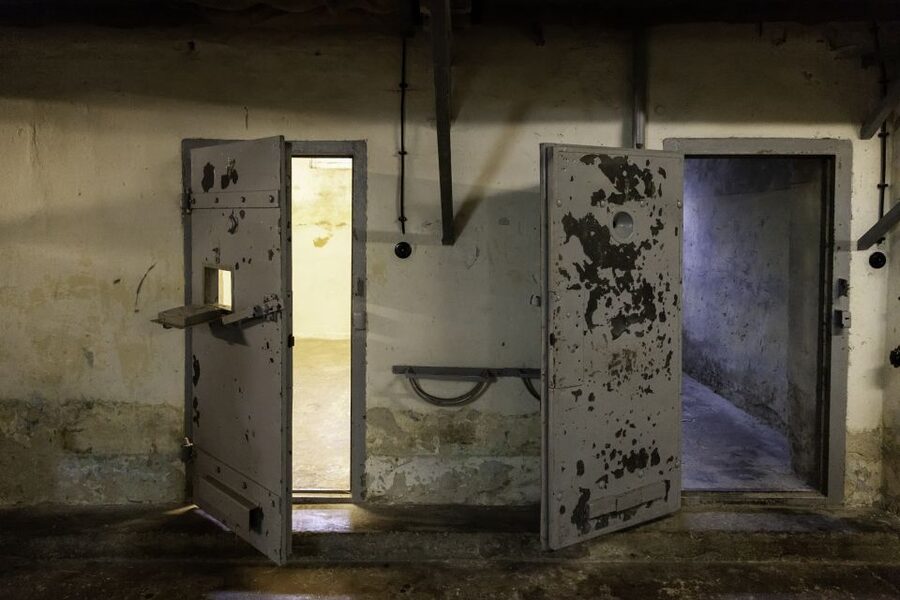
One of the strongest reasons to book a guided visit here is that you get to view the original spying technology rather than just reading about it. Seeing devices like bugs and hidden cameras in person brings a specific kind of discomfort that generic history texts do not.
The guide will explain what you are looking at and how it tied back to control. That matters because surveillance is not one gadget. It is a whole chain: listening, reporting, documenting, pressuring, and sometimes recruiting. When the explanation is clear, the exhibits stop being random objects and become evidence of a system.
I also like that the museum connects technology to human behavior. The goal was not only information, it was influence. You learn how the Stasi’s methods shaped daily choices, from where people went to what they dared to say.
If you like history that feels hands-on, this is the section where the tour earns its keep. Skip-the-line entry helps here too, because it reduces the chance you spend your energy waiting when you could be focusing on the displays.
More museums in Berlin:
- Berlin: Natural History Museum Entrance Ticket
★ 4.6 · 3,382 reviews - Berlin: Museum Island Multiple Museum Entry Ticket
★ 4.4 · 2,007 reviews - Berlin: Interactive DeJa Vu Museum Entrance Ticket
★ 4.1 · 1,338 reviews - Berlin: “Pergamonmuseum. The Panorama” Exhibition Tickets
★ 4.6 · 1,245 reviews
Erich Mielke’s office and the red briefcase detail
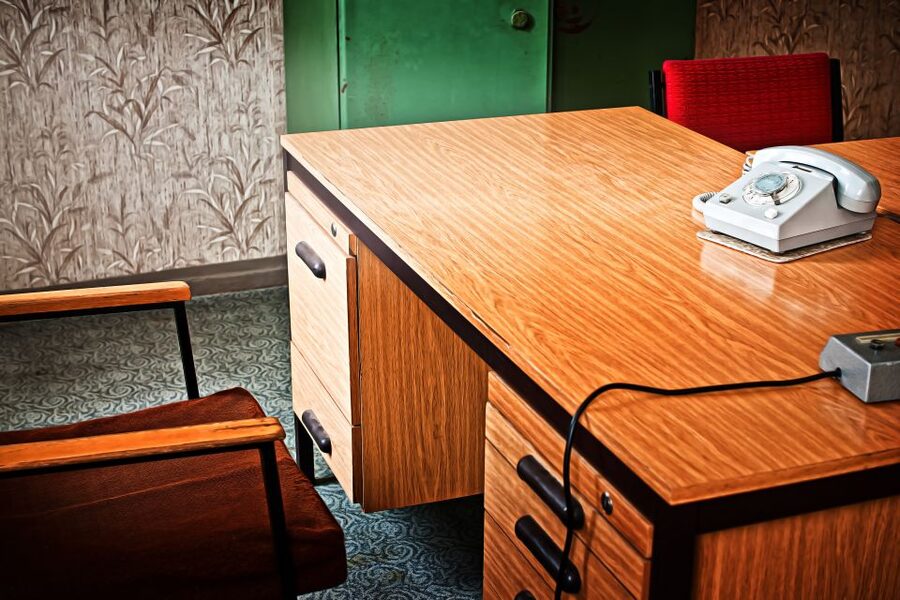
A standout stop is the office of Erich Mielke. The museum includes his famous red briefcase, which was used to keep sensitive information. Even if you know the name already, this object becomes a memorable symbol because it is so specific.
Why does this matter for your understanding? Because it anchors the story in a concrete idea: the Stasi ran on paperwork, documents, and controlled knowledge. A briefcase like that is a physical reminder that surveillance was managed and carried, not just observed.
In this portion, the guide ties Mielke’s role back to how the organization functioned. You do not just hear who he was; you connect his position to the way information moved inside the ministry and outward toward control.
If you are the kind of person who remembers visual cues, this stop will likely stick with you long after the tour ends.
How informants worked, and why ordinary people feared the Stasi

The tour focuses a lot on the human mechanism behind the fear: informant recruitment and the way citizens were spied on and controlled. This is the part that helps you understand the GDR as lived experience, not just as a political map.
You will learn about how the Stasi collected information and how that information fed into power. The guide explains the logic behind informants, including why people might get pulled in and how that could affect families, friends, and coworkers.
You also get context on the political side: communist propaganda and how the state framed reality. Propaganda alone does not create fear. It works better when it pairs with surveillance and the threat of consequences for thinking or speaking outside the approved line.
A practical tip for this section: listen for the guide’s cause-and-effect explanations. When you hear how a piece of information could lead to pressure, you start to see how a dictatorship can operate even without constant visible force. That is the chilling lesson here.
Private guide in your language, plus real-world storytelling
This is a private group tour with a 5-star licensed guide who is fluent in the language you select when booking. The benefit is simple: you get expert commentary that matches your language comfort, so you do not need to “translate in your head” while absorbing complicated topics.
I also like the way the guide can add personal storytelling. In at least one English booking, the guide could also speak Danish, which shows flexibility in handling language needs. When a guide can swap smoothly like that, you get a steadier flow of information and fewer awkward pauses.
What you are buying with a private tour is not only knowledge. It is clarity and follow-up. If a concept like informants or propaganda feels confusing, you can ask. If you want the explanation in a different way, you can request it. That turns a museum visit into an actual learning session.
And yes, the tone matters. The best guides keep the subject serious but understandable, so the tour feels respectful without becoming a lecture.
Price and logistics: when $257 per person feels worth it

The price is $257 per person for a three-hour private tour. That is not a bargain, and I would not pretend it is. But for this specific subject, the cost can make sense because you get several bundled advantages:
- Skip-the-line entry with a pre-booked time slot
- A licensed guide delivering expert commentary in your selected language
- Two-way public transport tickets because the museum is not central
- A guided route through key spaces such as ministerial offices and Mielke’s office
If you tried to do this alone, you would likely spend time coordinating tickets and route timing, and you might miss the explanations that connect the exhibits to how the Stasi system worked. In other words, the price buys you comprehension, not just access.
The main reason it might not feel worth it is if you prefer self-guided museums, or if you only need a quick overview. In that case, you might be better off with a lighter, cheaper approach.
For most history lovers who want context and have the time, the guided format is where the value lives.
Should you book the Stasi Museum private guided tour?
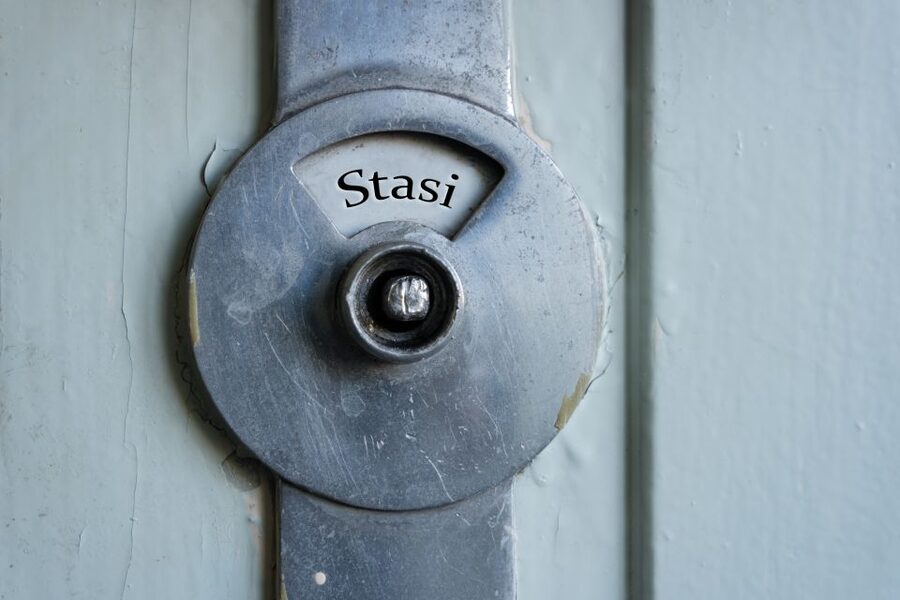
Book it if you want your visit to make sense in layers: how surveillance worked, how fear shaped daily life, and how propaganda fit into the system. The skip-the-line entry and included transport make logistics easier, and the private guide format helps you get clear answers.
Skip it if you are on a tight budget or you want a quick drop-in without guided explanation. This is not the kind of museum where you have to love every minute, but it does reward attention, and a guide helps you get that payoff without guessing.
If you are trying to understand East Berlin’s Cold War reality, this tour is a strong choice. Just double-check your museum goal, because this is Forschungs- und Gedenkstätte Normannenstraße, not the Hohenschönhausen prison memorial.
FAQ
Where do I meet the guide for the tour?
You meet your guide in front of the DM drugstore at Alexanderplatz (1, 10178 Berlin).
How long is the Stasi Museum private guided tour?
The tour lasts 3 hours.
Is this a private tour?
Yes, it is listed as a private group tour.
What languages are available for the live guide?
The live guide is available in English and German.
What is included in the tour ticket?
The tour includes skip-the-line tickets to the Stasi Museum at Forschungs- und Gedenkstätte Normannenstraße.
Is the museum the same as the Hohenschönhausen Stasi prison memorial?
No. This tour includes the Stasi Museum (Forschungs- und Gedenkstätte Normannenstraße), which is different from the Berlin-Hohenschönhausen Memorial.
Is public transport included?
Yes. You get two-way public transport tickets because the museum is outside the city center.
Do I need to arrive on time because of skip-the-line entry?
Yes. With skip-the-line tickets you have a pre-booked time slot, so it is important to arrive at the meeting point on time and follow the schedule.
Is the tour wheelchair accessible?
Yes, it is listed as wheelchair accessible.
Recently added around Berlin
- Berlin Private Custom Walking Tour With A Guide (Private Tour)★ 4.5 · 8 reviews
- One Up to 3 Rickshaws(6 GUESTS)-Taylor Made Rickshaw Berlin Tour★ 5.0 · 20 reviews
- Moonshine Comedy – English Stand Up Comedy by the bay★ 5.0 · 11 reviews
- Private Half-Day Berlin Sightseeing Tour with a Minivan Including Short City Walks★ 5.0 · 31 reviews
- Private taxi tour to Potsdam and Sanssouci 6-8h★ 5.0 · 30 reviews
- Private City Kickstart Tour: Berlin★ 4.5 · 71 reviews
- Private tour of Berlin★ 5.0 · 15 reviews
- Private Tutankhamun’s Tomb Live Escape Room in Berlin★ 3.5 · 11 reviews
Berlin Wall & Cold War Tours, compared.


Berlin’s Best: 2 Hour Walking Tour Third Reich and the Cold War
Read our review →
Skip-the-Line: Berlin Wall Museum at Checkpoint Charlie
Read our review →
2.5-Hour East Side Boat Cruise with Commentary
Read our review →
East Side Gallery Spree Cruise in a Solar Catamaran
Read our review →
Cold War, Berlin Wall, Spies and the East Side Gallery
Read our review →

Guided Bike Tour of the Berlin Wall and Third Reich
Read our review →Browse the lists this tour appears in