Reviewed · TICKETS
Berlin: The Feuerle Collection Guided Tour and Entry Ticket
Berlin’s The Feuerle Collection is interesting because you do not just look at art, you walk through a former World War II telecommunications bunker that has been turned into a museum by design. The setting alone makes the experience feel controlled, calm, and very different from a typical gallery day.
I love two things right away. First, the mix of Imperial Chinese furniture and ancient Southeast Asian pieces, presented with real care. Second, the way contemporary art is placed in direct dialogue with older objects, so the rooms feel like conversations instead of separate exhibits.
One drawback to think about: it is only 1 hour, so if you like long, slow looking sessions, you may want to plan extra time in Berlin afterward.
Key highlights you will care about
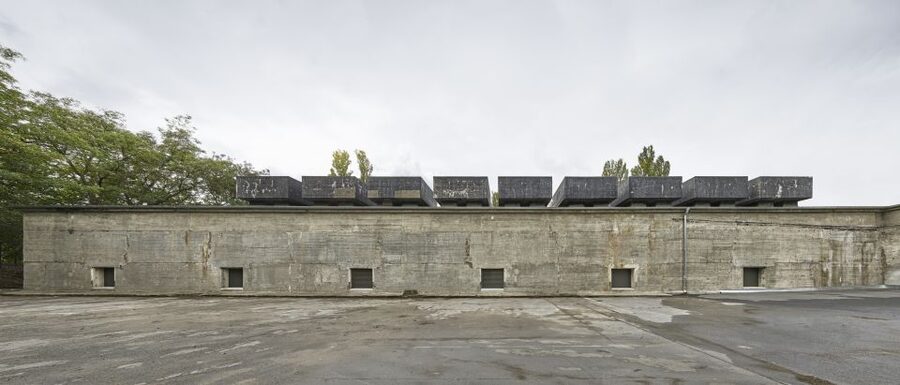
- A WWII bunker, redesigned for art by John Pawson, with a museum-like hush that helps you focus
- Imperial Chinese lacquer and stone furniture alongside ancient Southeast Asian treasures
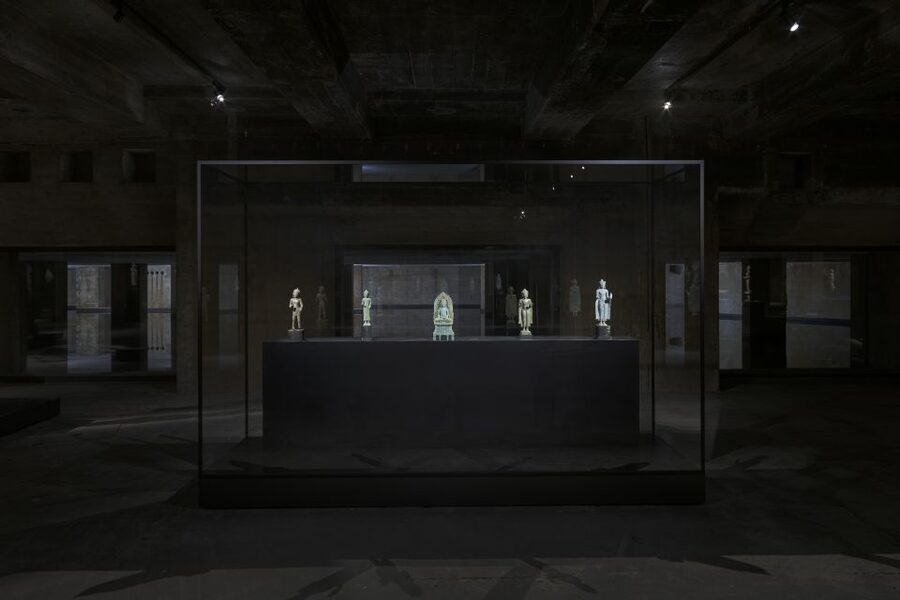
- Khmer sculptures (7th to 13th centuries) in stone, bronze, and wood
- A lighting-focused underground lake that feels like part of the artwork
- Contemporary counterpoints including works by Nobuyoshi Araki and Adam Fuss
- Strict viewing rules like no phones, no cameras, and no touching, which keeps the atmosphere quiet
A WWII bunker turned gallery: why this museum feels different
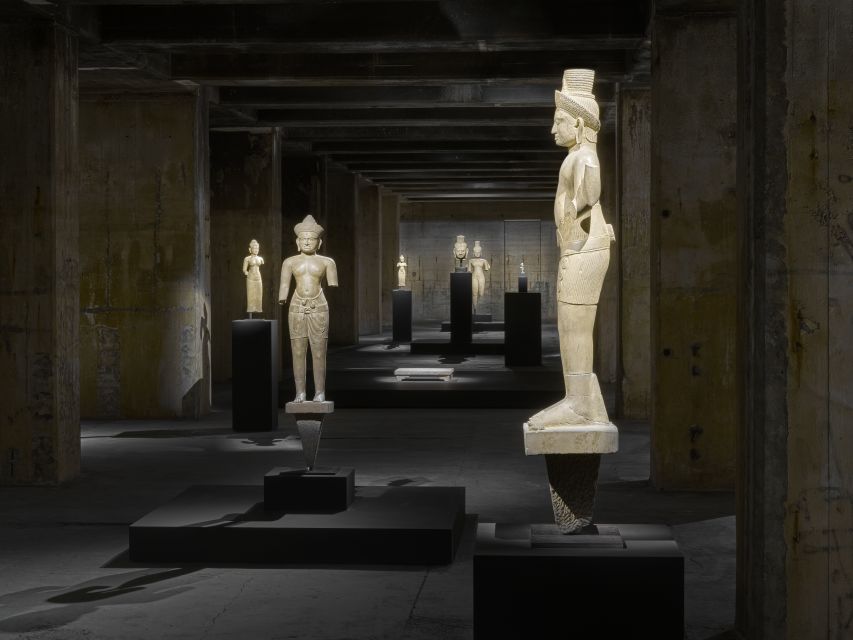
This is not a museum where you wander until you get bored. The setting pushes you to look closely and move at a gentle, guided pace. You step into a space that used to serve communications during World War II, then you see how thoughtful architecture can completely change what a room is for.
John Pawson’s renovation is a big part of the appeal. The building is spare and intentional, and the design makes the art feel placed, not just displayed. That is why the guided format works so well here, you get a route that helps you connect what you see across rooms.
There is also a noticeable calm in the space. Even without saying anything, the rules and design set a tone where people stay respectful and quiet, so you can hear the guide and actually take in the details.
A few more Berlin options worth a look
- Berlin: Berlin Story Bunker Entry Ticket
★ 4.6 · 6,759 reviews - Berlin: Illuseum Berlin Entrance Ticket
★ 4.1 · 3,970 reviews - Berlin: Madame Tussauds Admission Ticket
★ 4.6 · 3,941 reviews
Where you meet and how to start your visit right
Meet at the entrance of The Feuerle Collection. Since the tour runs for 1 hour, I suggest showing up a touch early so you are not rushing when you step inside.
Because the experience is mostly about seeing and comparing objects, your first minutes matter. You will start with the guide and then move through the collection in a structured way, which helps you notice patterns you might miss if you went on your own.
One practical tip: this is a museum where you should leave your phone away and let your eyes do the work. The rules are clear about no cellphones and no cameras, so treat the tour like a proper viewing session, not a photo shoot.
John Pawson’s bunker spaces and the underground lake
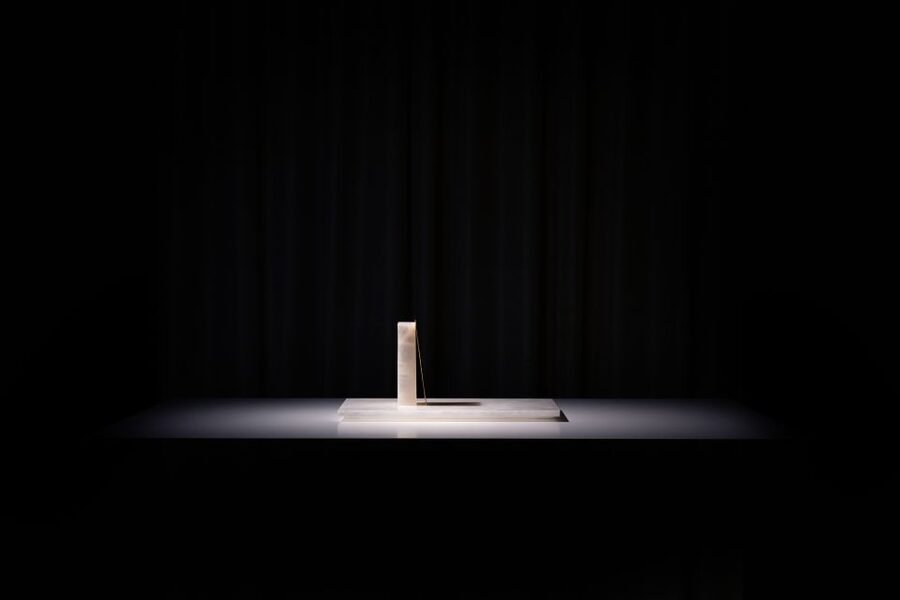
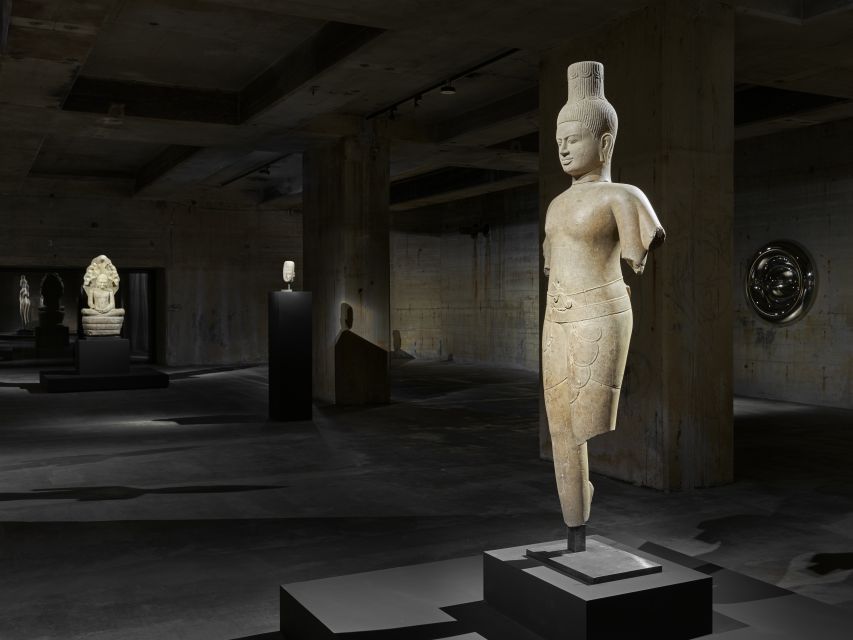
The most cinematic moment is the architecture itself. You walk around a renovated bunker interior that feels intentionally dim and controlled, which is exactly what you want when you are looking at textured art like lacquer, stone, bronze, and wood.
Then there is the underground lake. The way it is integrated into the lighting and the surrounding design gives it an almost stage-like effect, like the room is using water as part of the visual composition. If you like museums that use space as a medium, this is a strong reason to book.
Also pay attention to how the building shapes your movement. When you transition between rooms, you get a sense of pacing, not randomness. The architecture keeps you aware of what is next, which makes the guided tour feel smooth even when you are looking at very different cultures and materials.
Imperial Chinese lacquer and stone furniture: what to look for
One of the tour’s biggest strengths is how it presents Imperial Chinese furniture in a way that makes it feel immediate. Instead of treating it like a distant artifact, the objects are shown as crafted objects with surface, form, and material intelligence.
The collection highlights intricate examples of lacquer and stone furniture. When you look closely, lacquer is not just decoration, it is depth. You get reflections and shadows that change as you move, and that makes the viewing feel more alive than flat displays would.
Stone furniture also rewards close looking. You notice edges, joints, and the way the shapes carry weight. The guide helps you connect what you see to why these forms matter, so you are not just identifying an object, you are understanding what it communicates.
If you are the type who enjoys comparing craftsmanship across materials, this section will feel like a satisfying workout for your eyes.
Still in Berlin, but a different kind of day:
- Berlin: Reichstag, Dome and Government District Guided Tour
★ 4.7 · 18,288 reviews - Berlin: 1-Hour City Tour by Boat with Guaranteed Seating
★ 4.3 · 16,993 reviews - Berlin: Boat Tour Along the River Spree
★ 4.4 · 11,252 reviews - Discover Berlin Half-Day Walking Tour
★ 5.0 · 9,624 reviews
Khmer sculpture rooms: stone, bronze, and wood from the 7th to 13th centuries
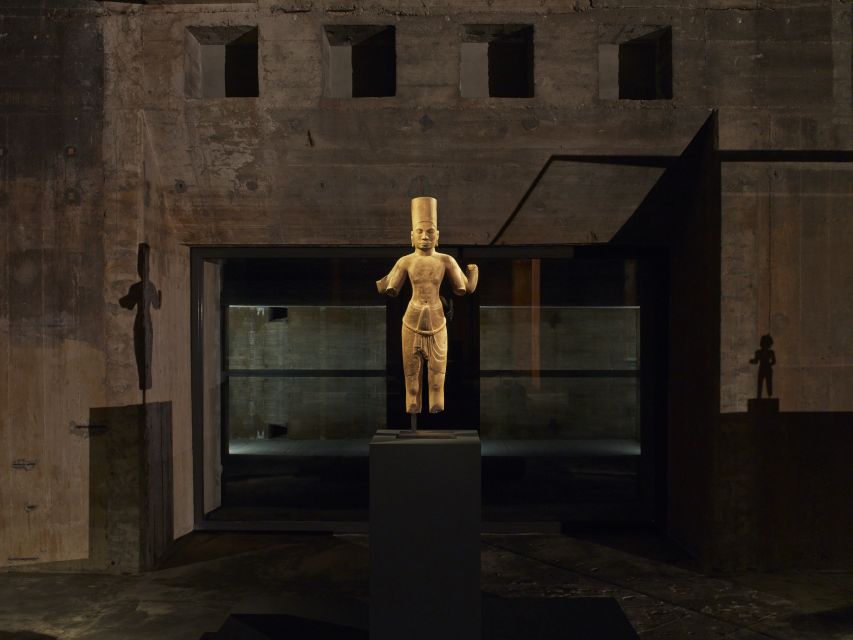
Next you start moving into ancient Southeast Asian works, and the collection leans hard into Khmer art from the 7th to 13th centuries. You will see Khmer sculpture examples in stone, bronze, and wood, which is a big deal because each medium behaves differently.
Stone sculptures tend to read like monuments. They hold their forms clearly, and you can study how details survive over time. Bronze brings a different kind of presence, with surface and casting marks that feel almost alive. Wood often has a warmer, more intimate feel in a museum setting, even when lighting is controlled.
The point is not just that the art is old. It is that you get multiple ways of seeing the same artistic tradition, through different materials and approaches. That makes the guided comparison feel logical, not like a random assortment of rooms.
Also, this is where the guided format pays off. A good guide can point out what to notice quickly, so you do not get lost in the details.
Contemporary works in the same spaces: Araki and Adam Fuss
After the older works, the tour shifts to contemporary art, including noted names like Nobuyoshi Araki and Adam Fuss. The clever part is how the museum stages this shift. You do not feel like you are being taken from one era to another like a conveyor belt. Instead, you start seeing how modern artists can echo older visual ideas, or challenge the assumptions you bring into the room.
Contemporary photography can be tricky in a museum like this, because people often expect it to feel separate. Here, it is used as a counterpoint, so the space encourages you to compare themes across time. That is exactly why the museum feels intellectually playful, even though the rooms are quiet.
I like the way the guide helps you notice how placement changes meaning. The same object can feel different when you stand near a much older work. The museum is basically training your eyes to read context.
If you are the type who thinks you only like modern art or only like ancient art, this tour is worth considering, because it is designed to help you enjoy the friction between them.
Why Désiré Feuerle’s collecting choices matter
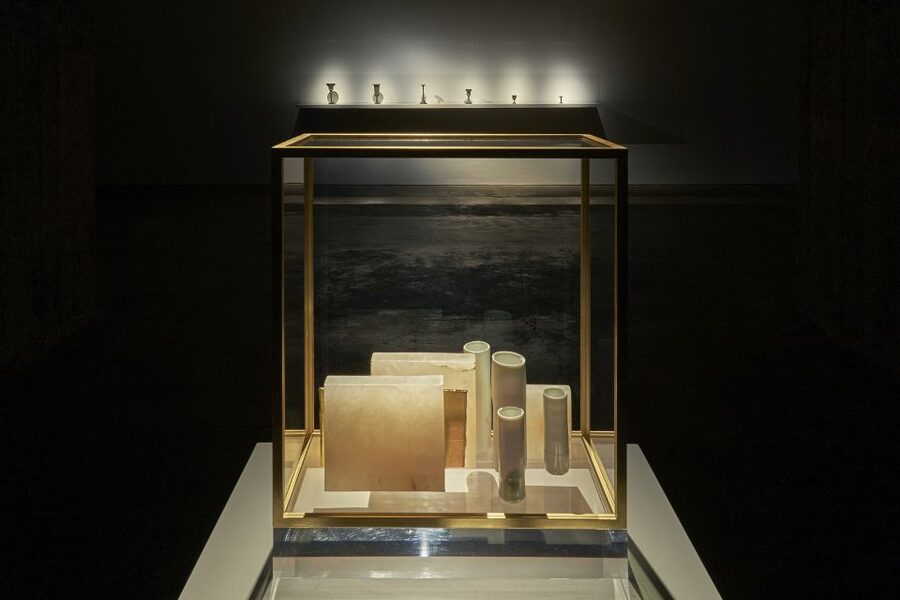
The collection is tied to Désiré Feuerle, described as a connoisseur of Asian art who pioneered a serious approach to pairing antiquities with contemporary art. That idea is not just a marketing line here. It is the backbone of how the tour is structured.
You learn that the museum is meant to create a conversation between periods and cultures. In practice, that means you spend less time treating objects as isolated trophies and more time noticing how they speak to each other.
This is also why the building itself matters. In a bright, generic space, this kind of pairing can feel like a gimmick. In a bunker turned gallery, with controlled lighting and strong architectural lines, the juxtaposition feels purposeful.
I find that context helps a lot. When you know why the objects are together, your looking changes. You stop asking, what is this object worth, and start asking, what does it mean when placed next to something else?
The tour pace and value: is 1 hour enough?
At $25 per person for a live guided tour plus entry, the value is strong if you like focused museum experiences. You are not paying just for access. You are paying for someone to guide your attention, connect the dots, and keep you moving through the right sequence.
The duration is 1 hour, so it is not a slow, pick-your-own-adventure style visit. Personally, I think it is the right length for this type of collection because there is a lot to compare in a small space. But you should be realistic about attention span.
If you are someone who enjoys lingering, you can do one smart move after the tour ends. Take a little extra time on your own and revisit just one room you liked most. That way you get both the guided structure and your own time for deeper looking.
Also worth noting: the experience can include smaller features inside the collection area, and if something like a Scent Room is a big part of your plans, do not assume it will always be available on your day. If that matters to you, ask when you arrive.
Practical rules that shape the experience (and why they help)
This tour has clear rules: no pets, no food or drinks, no video recording, no cameras, and no touching the exhibits. It also says no cellphones.
Some museums tolerate distractions. This one does the opposite. With phones out and cameras clicking, it is hard to keep attention on texture, shadow, and detail. By banning those distractions, the museum makes it easier for you to do the real job of a gallery visit, looking closely.
No touching is also important here. Many objects rely on surface and condition, especially things like lacquer and older works. The rules protect the art, and they protect you from accidentally crossing a line in a space that is built for careful viewing.
If you want a smooth start, plan to bring only what you need. Keep your day bag minimal so you are not juggling things while the guide is talking.
Who this tour suits best
This is a good fit if you like museums that mix eras and challenge your expectations. You will probably enjoy it most if you care about craftsmanship, material, and presentation, not just big-name art.
It is also a good option if you want a guided structure in English and you value a quiet, respectful environment.
It is not suitable for children under 16, so for families, think carefully about age fit. And because there is a lot of viewing and rules around phones and cameras, it may feel more like a focused lecture-style walk than a playground museum visit.
Should you book The Feuerle Collection guided tour?
Book it if you want a museum that feels designed, not just decorated. The pairing of Imperial Chinese furniture, Khmer sculpture from the 7th to 13th centuries, and contemporary artists like Nobuyoshi Araki and Adam Fuss is the kind of setup that rewards curiosity. Add in the renovated bunker by John Pawson and the underground lake, and you have a visit that is as much about space and viewing as it is about individual works.
Skip it if you want a long, self-paced gallery day. The time is 1 hour, and the rules mean you will not be stopping for constant photos or casual wandering.
If you like the idea of comparing cultures and materials in a quiet setting, this is one of the more distinctive ways to spend a morning or afternoon in Berlin.
Recently added around Berlin
- Berlin Private Custom Walking Tour With A Guide (Private Tour)★ 4.5 · 8 reviews
- One Up to 3 Rickshaws(6 GUESTS)-Taylor Made Rickshaw Berlin Tour★ 5.0 · 20 reviews
- Private taxi tour to Potsdam and Sanssouci 6-8h★ 5.0 · 30 reviews
- Moonshine Comedy – English Stand Up Comedy by the bay★ 5.0 · 11 reviews
- Private Half-Day Berlin Sightseeing Tour with a Minivan Including Short City Walks★ 5.0 · 31 reviews
- Private City Kickstart Tour: Berlin★ 4.5 · 71 reviews
- Private tour of Berlin★ 5.0 · 15 reviews
- Private Tutankhamun’s Tomb Live Escape Room in Berlin★ 3.5 · 11 reviews
Tickets, compared.





Sanssouci Palace and Prussian Palaces Entry Ticket
Read our review →