
Reviewed · BERLIN WALL & COLD WAR TOURS
Berlin: The Wall and Cold War – a Private Walking Tour
Berlin’s Cold War story becomes real fast when you walk the lines where families lived under constant tension. This private walking tour focuses on the Berlin Wall and the daily reality of a divided city, starting at Bernauer Straße and ending at Checkpoint Charlie. I love that you get straight, human stories along the way, and I also love the mix of major sites with quieter, specific “this is where it happened” details. The main drawback to keep in mind is that the best visual moment, the death strip viewpoint, only happens if the viewing platform is open.
Guides like Stefan and Stephanie are praised for storytelling that stays grounded in real experiences, and for making the history feel personal instead of like a lecture. You should expect a focused 2-hour route with a live German or English-speaking guide, in a private group setting. If you are hoping for a long, museum-heavy day, this is more of a walking, place-based explanation, with highlights tied to Berlin’s former border stations.
Key Highlights You Will Actually Feel
- Bernauer Straße start at the underground station and right by the open-air documentation museum
- Wall construction and fall explained as you follow the former border through central Berlin
- Tränenpalast (Palace of Tears), an original border crossing station where the tone changes from street history to real separation
- Death strip viewing platform, only if it is open, for a direct look at the area that was meant to stop escape attempts
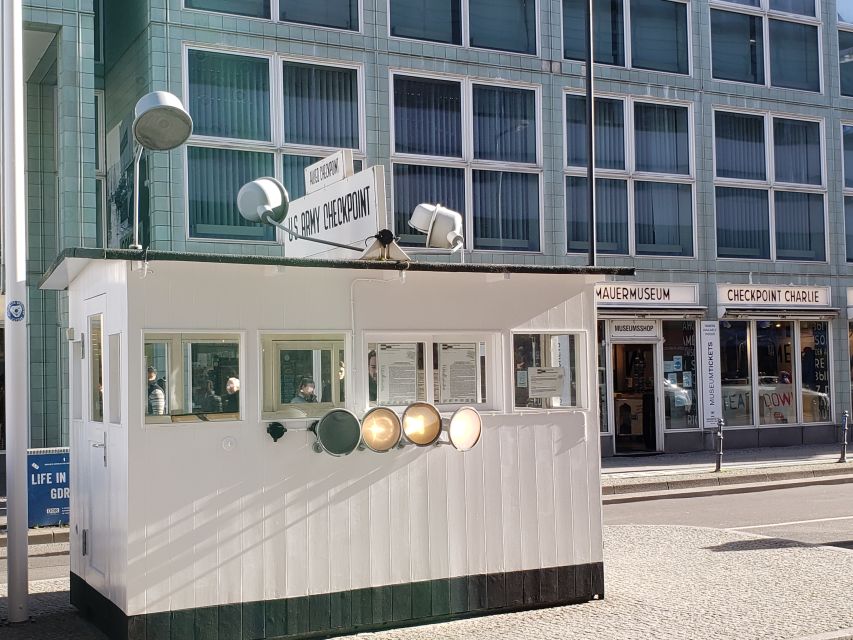
- Checkpoint Charlie finish, so you end at a border-site that most people recognize, but now you understand it more deeply
- Private guide time, with German or English live guidance for your group
Entering Berlin’s Cold War World Starts at Bernauer Straße
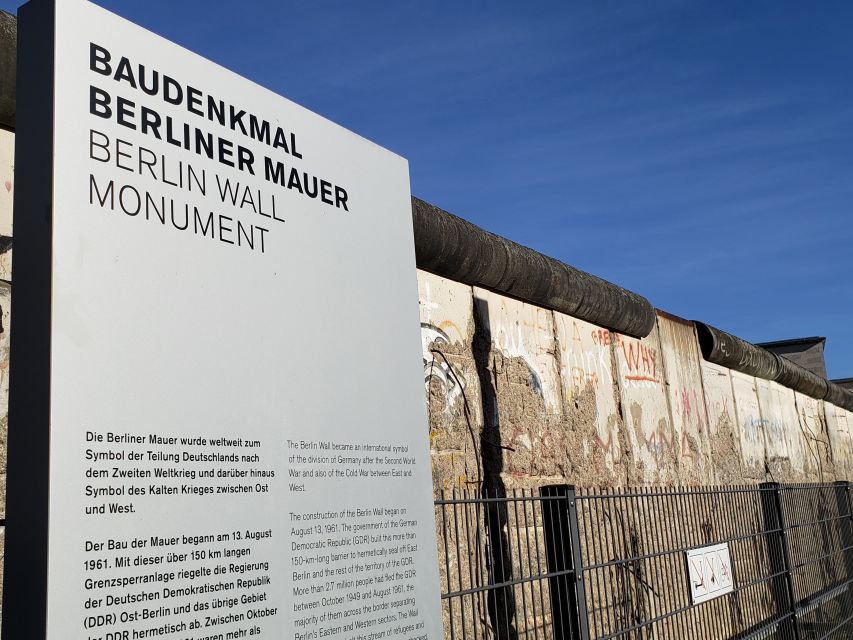
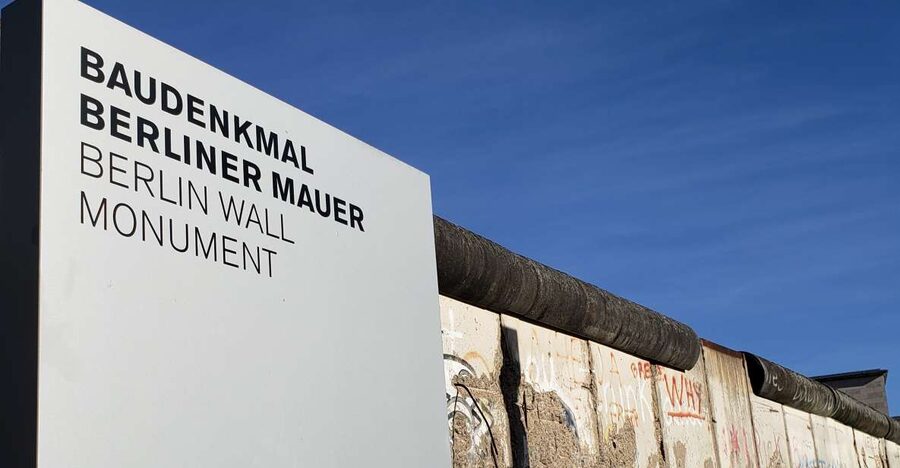
I like this tour because it starts where the border is no longer abstract. You meet at the underground station U Bernauer Straße, upstairs at the exit marked Bernauer Straße, and the street area you walk into is tied to how people experienced division day after day. Even before you cover many blocks, the location sets the mood: you are in a part of Berlin where history is presented in public space, not hidden behind glass.
What makes Bernauer Straße especially useful for first-timers is that it helps you get oriented. The route follows the former borderline through the center of Berlin, so you stop guessing where things are and start understanding why this particular geography mattered. The guide’s job here is not to overwhelm you with timelines, but to connect the places you see to the kind of choices, restrictions, and risks that shaped everyday life.
The private, 2-hour format matters too. You do not get stuck watching a screen for most of the time. Instead, you keep moving, which makes the stories easier to track and remember. And because the guide is local, they can explain how these border sites functioned as part of daily routines, not just as symbols.
More Berlin Wall and Cold War tours in Berlin:
- Berlin: Third Reich and Cold War 2 Hour Walking Tour
★ 4.9 · 6,830 reviews - Berlin’s Best: 2 Hour Walking Tour Third Reich and the Cold War
★ 5.0 · 5,486 reviews - Skip-the-Line: Berlin Wall Museum at Checkpoint Charlie
★ 4.1 · 2,041 reviews
Following the Former Border Through the City Core
Once you leave the meeting point, you’re essentially doing an on-foot “read” of the city. Your guide walks you along the former borderline, and you hear how Berliners experienced the Cold War in real life. This is where you learn about the building of the Berlin Wall, and also how it later fell, but you do not just hear facts. You see how those changes affected street-level life, access, and movement.
I like the pacing here. Instead of treating the Wall as one single monument, the tour builds it up as a system of locations and barriers. That is also why you get references to daily life in the divided city and places where escape attempts were made. It turns a big historical event into something you can picture block by block.
You’ll also notice that some of the most meaningful parts are not the most photographed ones. When your guide points out where people tried to get across, it shifts your mindset from “what happened in history class” to “how did people respond under pressure.” That is the tour’s best trick: it helps you understand that the Wall was not only built of concrete, but of decisions forced onto ordinary lives.
Practical tip: wear comfortable shoes. This is a walking tour through central Berlin and you will cover enough ground that you will feel it if your feet are tired. Also, bring a light layer, because weather can change quickly in Berlin even when the day looks calm in the morning.
Tränenpalast, the Palace of Tears Stop That Changes the Tone
The tour’s middle stop is the Palace of Tears, also known through its name Tränenpalast. This is an original border crossing station, and the best thing about it is that it narrows the Cold War down to a place where separation was handled day after day. You get a guided look here, so you are not just seeing a landmark. You are being guided through what this kind of border moment meant for people, and why the location is remembered.
This is also where the tour earns its emotional impact without turning into melodrama. You can understand the Cold War as ideology, politics, and international power, but Tränenpalast makes it feel like administration, timing, and decisions that came with heavy consequences. If you care about the human side of history, this is often the part where the story clicks for people.
One thing I appreciate is that this stop gives you variety from the more “walk-and-point” scenes outside. A guided station visit works like a pause button. Your guide can focus attention, explain the setting, and help you connect what you just learned from the street route to a specific border facility.
If you want photos, you’ll get them, but I’d treat this as a place for attention first. Let your guide finish their points before you start moving around to shoot pictures. Otherwise you miss the details that make the station more than just a name on a map.
The Death Strip Viewing Platform, Only If It Is Open
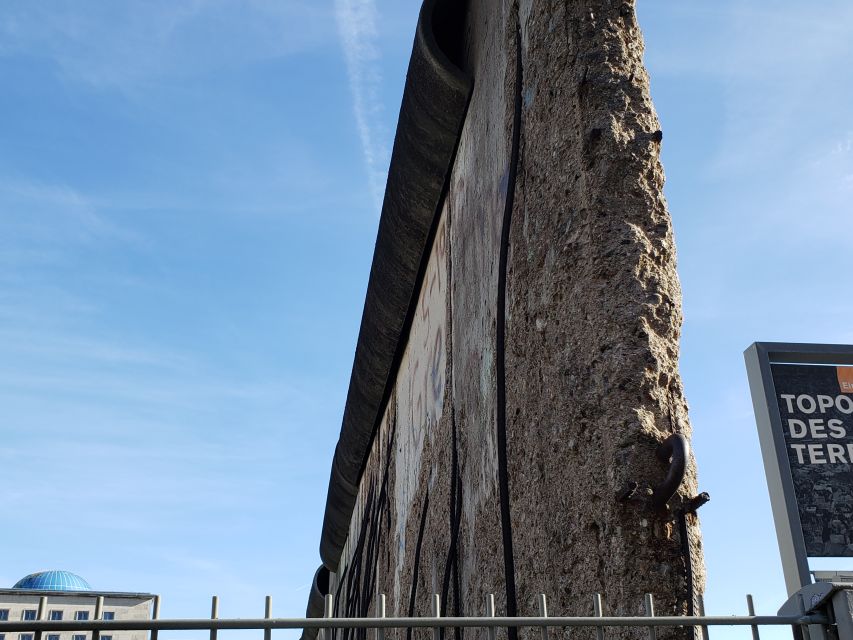
Later, you may have the chance to see the former death strip from a viewing platform, if it is open. The death strip is described as an area designed to prevent escape attempts, and the power of seeing it is not that it looks scary from far away. It’s that your brain understands the design intent when you are in the right viewing position, looking toward where people would have tried to move.
This is also why the “if it’s open” note matters. If the platform is available, you get a direct viewpoint that turns the story from abstract to physical. If it is not, you still follow the route and keep hearing the same overall context, but you will miss that specific “from here you can see what they were trying to stop” perspective.
My advice: even if you are a history buff, keep your expectations focused. This is not a trick viewpoint with a hidden panorama. It is a structured viewing moment tied to the border’s purpose. That means a quiet, attentive mindset pays off, because the value is in the connection between the place and the intent behind it.
Practical tip: if the platform is open, take a moment to look around without rushing to take pictures. Then listen for the guide’s explanation about what the area was meant to do. That sequence helps the site make sense, instead of becoming just another photo stop.
More walking tours in Berlin:
- Discover Berlin Half-Day Walking Tour
★ 5.0 · 9,624 reviews - Berlin: Discover Berlin Walking Tour
★ 4.9 · 5,998 reviews - Berlin: Hidden Backyards Guided Walking Tour
★ 4.8 · 5,360 reviews - Third Reich Berlin: Hitler and WWII Walking Tour
★ 5.0 · 3,301 reviews
Checkpoint Charlie to Finish, and Why the Ending Matters
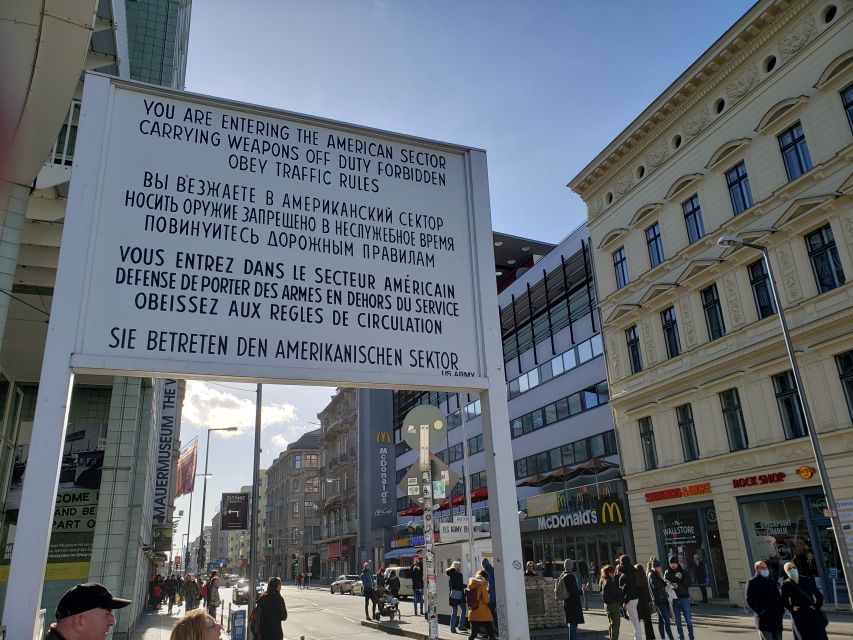
You end at Checkpoint Charlie, another former border station. This finish is useful because Checkpoint Charlie is widely recognized, even by people who only know Berlin through movies or photos. The key difference here is that you do not arrive at it cold. You come from Bernauer Straße, you have walked the former borderline, and you have already had the emotionally grounded station stop at the Palace of Tears.
That order changes how Checkpoint Charlie lands. Instead of being only a famous checkpoint you pass through in your imagination, it becomes a final piece in a larger explanation of Cold War division and border control. You understand how the border was experienced in multiple places, not just in one iconic scene.
I like how a walking tour ending at a well-known landmark gives you something to anchor the story. After 2 hours, you can look back and connect the route: where it started, where it shifted in tone, and where it climaxed in a symbol everyone recognizes. It makes it easier to keep the whole arc in your head when you’re moving on to other parts of Berlin.
Price and What You Get for $22 in a 2-Hour Private Format
At about $22 per person for a 2-hour private walking tour, the value depends on what you want from Berlin right now. If your goal is to cover major Cold War sites while learning what they meant to people, this is a strong deal. You are paying for a local guide and for time on foot with a structured route that connects several specific border locations.
Here’s the practical logic: the cost is low for a private, guided experience that includes multiple stops tied to the Wall and Cold War. If you tried to do the same route on your own, you might see the sites, but you would likely miss the “why this location, why this angle, why this detail” parts. This tour is designed to make the places make sense.
Also, private format matters even if the group is not huge. It means you can ask questions that fit your interests, like what specific escape attempts looked like in real life, or what daily life in the divided city felt like. The guide can adjust the pace if your group is slower, or speed up if everyone is engaged and moving together.
One consideration: if you prefer long museum time and lots of indoor exhibits, you may find 2 hours feels tight. This tour is focused on walking and explaining the core border sites. You will get a clear understanding of the Cold War border story, but you may still want follow-up time on your own for deeper reading.
Who This Berlin Wall and Cold War Tour Is Best For
This is a great match if you want history that feels concrete. You’ll likely love it if you enjoy walking through meaningful neighborhoods and learning as you go, rather than treating Berlin as a checklist of attractions. It also suits travelers who want a stronger sense of place. By the time you reach Checkpoint Charlie, you’re not just seeing a famous location. You understand it as part of a system of division.
It’s also a smart choice for people who like story-driven guides. The experiences shared about guides such as Stefan and Stephanie highlight authentic storytelling and strong inside knowledge. That style matters here, because so much of the Cold War story is about human behavior under pressure. If your guide is good at turning facts into understandable scenes, the whole route clicks.
You might also like this tour if you are traveling as a family or with kids who can handle a short, well-paced guided walk. One of the noted points from a German-speaking guide experience included switching languages to match the group, including for kids. Even if you are not traveling with children, the ability to communicate clearly is a big advantage for anyone who wants to follow every detail.
If you are in a wheelchair, the tour is listed as wheelchair accessible, which is a big plus. Since the route is walking-based, it’s smart to ask your provider or double-check the route fit with your specific needs before you go.
Booking Tip and Timing: How to Get the Most Out of the Route
Because the tour is 2 hours and includes key border locations like Tränenpalast and Checkpoint Charlie, plan your day so you are not rushing off to another activity right at the end. Give yourself time to absorb what you learned. The story sticks better when you can sit for a few minutes after the tour and connect the sites in your mind.
Also, keep in mind the death strip viewpoint is only available if the platform is open. That is not a reason to skip the tour, but it is a reason to stay flexible about what you’ll get at the viewing moment. The rest of the route still delivers the core Wall and Cold War context.
Finally, if you are the type who wants to take notes, consider bringing a small notebook. The guide may share specific escape-related details and daily life explanations that are easier to remember when you can jot down key points right away.
Should You Book This Berlin Wall and Cold War Walking Tour?
Book it if you want a private, guide-led way to understand the Wall and the Cold War border experience across several major sites in a short, focused 2-hour walk. The combination of Bernauer Straße, Tränenpalast, a possible death strip viewpoint, and a finish at Checkpoint Charlie is a practical route that builds meaning in the right order.
Skip or rethink it if you want a heavy indoor museum day, or if you are only interested in one single landmark. This tour works best when you like connecting places and letting the guide’s storytelling do the heavy lifting.
If you are going to Berlin and you care about understanding what the border did to real lives, this one is an efficient, value-for-money way to get there, with guides known for turning history into human-scale stories.
FAQ
Where do I meet the guide for the tour?
Meet your guide at the underground station Bernauer Straße, upstairs at the exit marked Bernauer Straße. Your guide will have a sign with your name written on it.
How long is the Berlin Wall and Cold War private walking tour?
The tour duration is 2 hours.
What sites does the tour include?
You start around Bernauer Straße, visit the Palace of Tears (Tränenpalast), may include a death strip viewing platform if it is open, and finish at Checkpoint Charlie.
What languages are the live guides?
The tour offers live guidance in German and English.
Is the death strip viewpoint guaranteed?
It is only included if the viewing platform is open.
Is the tour wheelchair accessible?
Yes, the tour is listed as wheelchair accessible.
Should You Book This Berlin Wall and Cold War Tour?
If your priority is understanding the Berlin Wall and Cold War through the actual border locations, this is a smart pick. The $22 per person price is reasonable for a private, guided 2-hour walk that links Bernauer Straße, Tränenpalast, and Checkpoint Charlie, with a chance to see the death strip if access allows.
Recently added around Berlin
- Berlin Private Custom Walking Tour With A Guide (Private Tour)★ 4.5 · 8 reviews
- One Up to 3 Rickshaws(6 GUESTS)-Taylor Made Rickshaw Berlin Tour★ 5.0 · 20 reviews
- Moonshine Comedy – English Stand Up Comedy by the bay★ 5.0 · 11 reviews
- Private Half-Day Berlin Sightseeing Tour with a Minivan Including Short City Walks★ 5.0 · 31 reviews
- Private taxi tour to Potsdam and Sanssouci 6-8h★ 5.0 · 30 reviews
- Private City Kickstart Tour: Berlin★ 4.5 · 71 reviews
- Private tour of Berlin★ 5.0 · 15 reviews
- Private Tutankhamun’s Tomb Live Escape Room in Berlin★ 3.5 · 11 reviews
Berlin Wall & Cold War Tours, compared.
Berlin’s Best: 2 Hour Walking Tour Third Reich and the Cold War
Read our review →
Skip-the-Line: Berlin Wall Museum at Checkpoint Charlie
Read our review →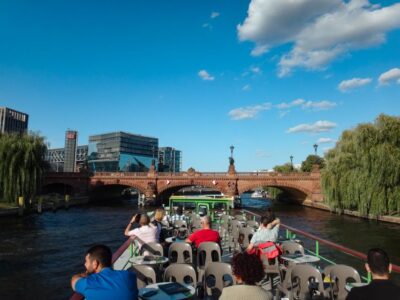
2.5-Hour East Side Boat Cruise with Commentary
Read our review →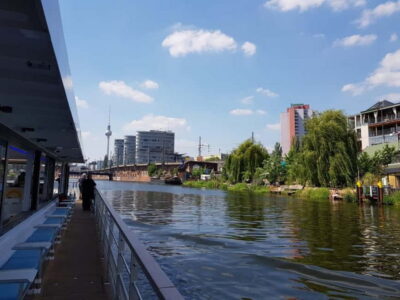
East Side Gallery Spree Cruise in a Solar Catamaran
Read our review →
Cold War, Berlin Wall, Spies and the East Side Gallery
Read our review →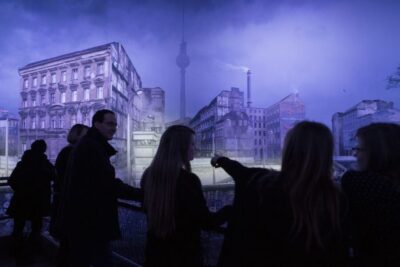
Guided Bike Tour of the Berlin Wall and Third Reich
Read our review →Browse the lists this tour appears in