
Reviewed · BERLIN WALL & COLD WAR TOURS
DDR Museum Berlin Admission Ticket
A ticket to the DDR Museum Berlin is interesting because it takes the story of East Germany and turns it into walk-through rooms, not a stack of history text. I love the interactive exhibits, and I also like how the museum uses reconstructed living spaces to help you picture everyday life from 1949 to 1989.
The main consideration is crowding. The museum is relatively small, so on busy days you may feel cramped, and some visitors report it can get uncomfortably hot inside.
Key highlights before you go
- Skip-the-line admission with a mobile ticket (English is available)
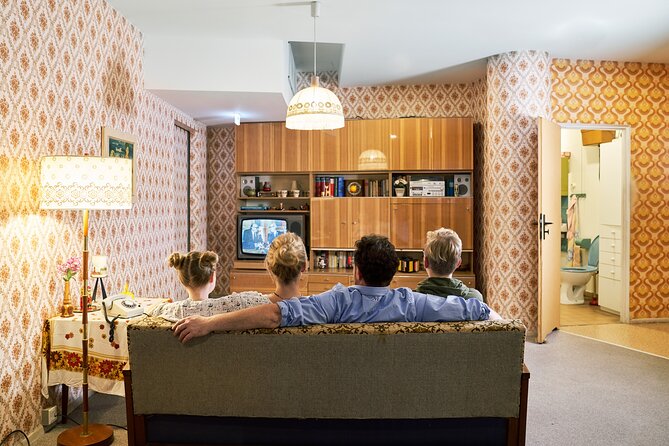
- Replica East German rooms with real-feeling details, including TV screens with propaganda programming
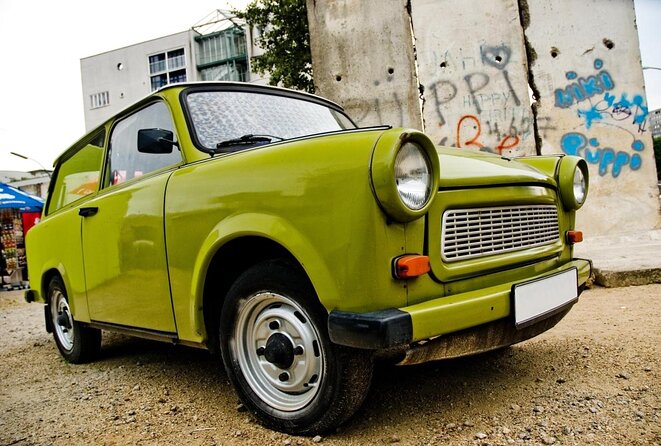
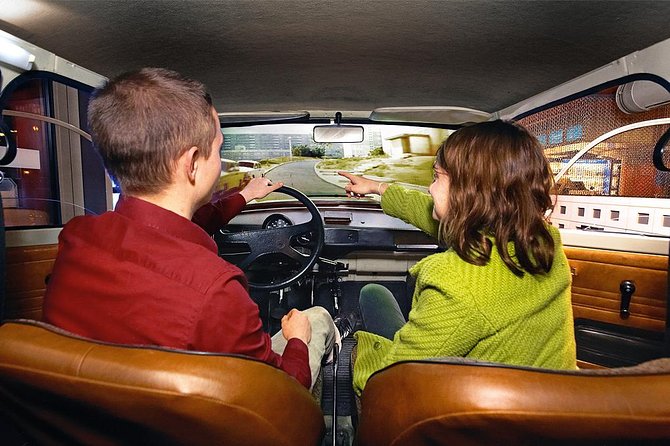
- Trabant car exhibition plus film and interactive elements tied to daily life
- Stasi interrogation experience and political displays connected to the GDR’s system
- A virtual-style look at a GDR housing estate that helps connect the apartment to the neighborhood
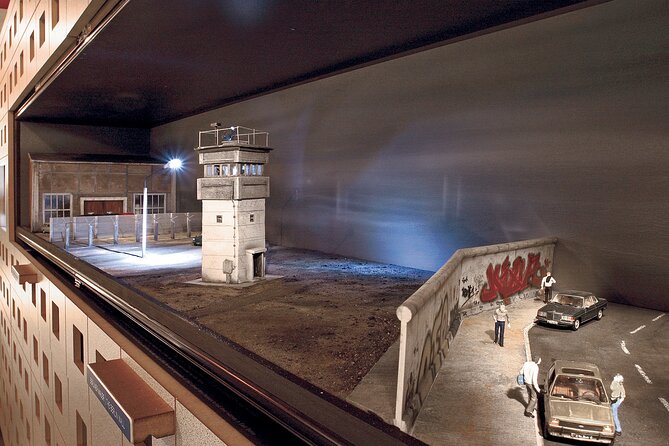
- Exit through a hole in the Berlin Wall, making the ending feel more than just an exit
DDR Museum Berlin Location, Tickets, and Why the Price Feels Right
The DDR Museum is in central Berlin on Karl-Liebknecht-Str. 1, opposite Berlin Cathedral, and it sits near the river Spree. That location matters. If you are already doing cathedral area sights, this is an easy add-on without needing extra transit gymnastics.
Your ticket is timed by date and time slot, and you choose the slot that fits your day. Plan around 1 to 2 hours for a comfortable visit. If you read a lot and stop for the interactive bits, you’ll trend closer to the longer end.
At $16.26 per person, I think this is good value for what you get: hands-on exhibits plus a strong focus on daily life, not only politics. It’s not a huge museum, so you are paying for a concentrated experience. If you want a slow, spacious museum day, you might feel the price pinch on a crowded visit.
Language note: your admission is offered in English. That helps a lot, because plenty of the content depends on signs, labels, and videos.
More Berlin Wall and Cold War tours in Berlin:
- Berlin: Third Reich and Cold War 2 Hour Walking Tour
★ 4.9 · 6,830 reviews - Berlin’s Best: 2 Hour Walking Tour Third Reich and the Cold War
★ 5.0 · 5,486 reviews - Skip-the-Line: Berlin Wall Museum at Checkpoint Charlie
★ 4.1 · 2,041 reviews
Finding Your Way Inside: What the Admission Experience Feels Like
On your chosen day, you make your own way to the museum. With a skip-the-line style ticket, you are meant to go straight inside rather than wait for basic admission processing. That is a genuine time-saver in Berlin, where lines can eat up your plan fast.
One practical tip based on real-world issues: mobile tickets can be finicky at entry. Some people have had trouble with e-tickets not scanning correctly or needing the staff to manually open the gate. If you can, have a backup ready, like a saved screenshot and the ability to show the confirmation clearly. It can also help to keep your ticket info accessible without needing a long app shuffle at the door.
Once inside, the museum’s flow is designed to move you room to room. You can set your own pace, but expect people to be walking right alongside you. This is not a quiet, reflective space. It is closer to a hands-on exhibition that gets busier during peak family hours.
Replica GDR Living Spaces: Where the Museum Makes History Concrete
The centerpiece of the DDR Museum experience is stepping into reconstructed life in East Germany, controlled by a socialist regime after World War II. The museum covers the period from 1949 to 1989, which is the core timeline of the GDR, and it does that by building believable everyday scenes.
You start in elaborate exhibition spaces that feel like real interiors. Visitors often call out the reconstructed living room setup, the kind of place you would not get from a typical museum display. You can look into a living-room cupboard and see authentic-feeling household elements, and you’ll spend time with East German TV running propaganda programming.
This part is valuable because it changes your mental picture. Instead of thinking about the GDR as an abstract political system, you see how control shows up in daily routines: media, home layout, and what people had access to.
What to watch for: the museum mixes immersive rooms with information stations. Some people love the room realism. Others note there is still a lot of reading and that some interactive features are small scale, like drawers you open to find information. So if you are coming with the idea that every moment will be a big action game, adjust your expectations.
The Trabant Car Exhibition and the “Everyday Transport” Story
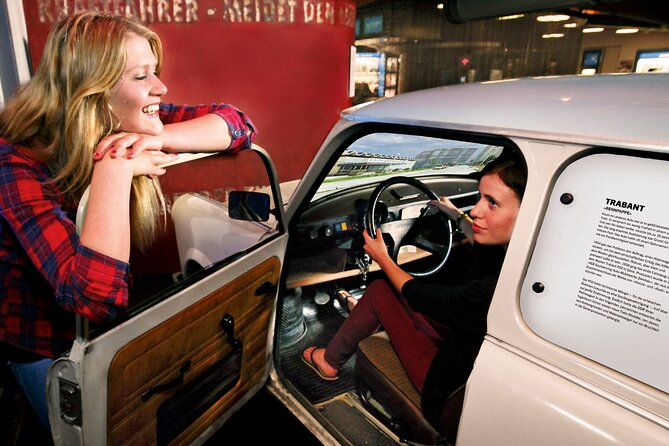
If you want one exhibit that most people immediately recognize, it’s the Trabant. The DDR Museum has a dedicated car exhibition and uses it as a doorway into Eastern Bloc life.
This is not just a vehicle behind glass. You get the chance to get closer, and the experience is supported by film and experience-style elements tied to everyday scenes in East Berlin. There’s also an interactive approach that some visitors describe as a sort of simulated driving experience.
Why it works: transport is an everyday topic, so it’s easier to emotionally understand. Even if you do not know the politics of the GDR in detail, you can connect to commuting, getting around, and the reality of how people traveled.
A small caution: the museum is compact. If it is crowded, you may have to wait for your turn at the more popular interactive points. This is especially true if you are traveling at a family-heavy time slot.
More museums in Berlin:
- Berlin: Natural History Museum Entrance Ticket
★ 4.6 · 3,382 reviews - Berlin: Museum Island Multiple Museum Entry Ticket
★ 4.4 · 2,007 reviews - Berlin: Interactive DeJa Vu Museum Entrance Ticket
★ 4.1 · 1,338 reviews - Berlin: “Pergamonmuseum. The Panorama” Exhibition Tickets
★ 4.6 · 1,245 reviews
Virtual GDR Housing Estate and Apartment-to-Neighborhood Thinking
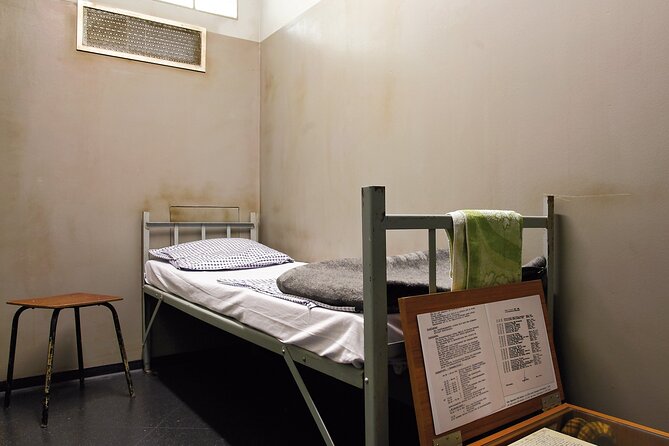
After the car focus, the museum connects the apartment experience to the broader living environment. You’ll see a virtual tour of a GDR housing estate, which helps you move beyond one room and into a sense of how neighborhoods were structured.
You’ll also spend time in a set of reconstructed rooms that feel like real GDR apartment living. Some visitors point out that the second part of their experience is made up of rooms like bedrooms, a kitchen, and a living space. It can feel small compared to the size of a full “museum building,” but that’s also the point. The museum compresses the feel of daily life into a tight path.
If you like the idea of seeing how people lived at home, this section is a strong match. If you are expecting a long gallery with sprawling displays, you may wish there were more space to spread out.
Stasi Interrogation and Political Life: Learning Without a Lecture
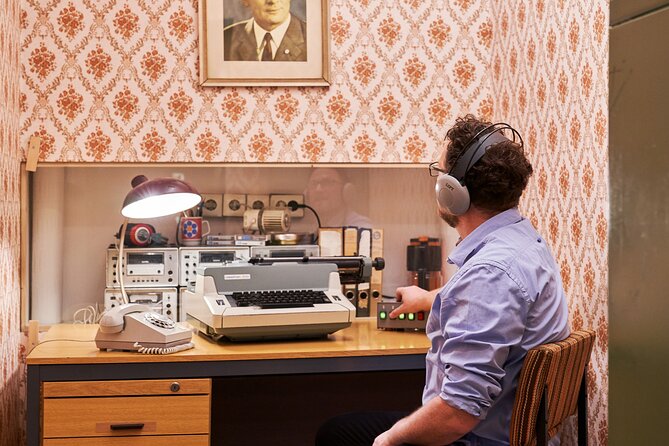
The museum does not only focus on kitchens and cars. It also steps into the tense world of the GDR’s political control.
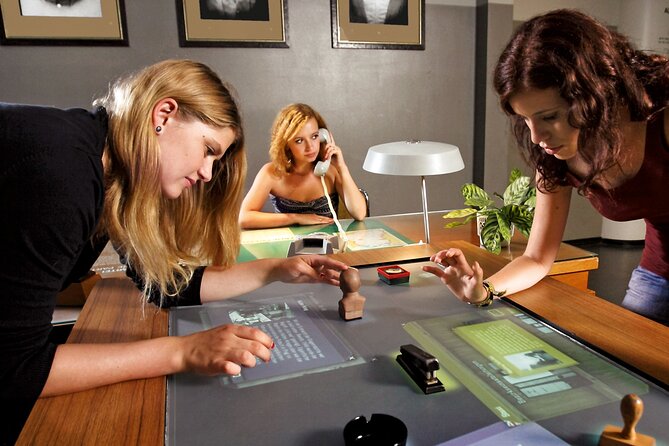
You can experience a Stasi interrogation-related element, and there are exhibits that cover the Socialist Union Party and the GDR’s system. The museum includes activities linked to political participation, such as voting in a GDR election display.
This is one of the most meaningful parts of the route. It adds weight to everything you just saw in the apartment rooms. Once you understand how power worked, propaganda on TV and the everyday feel of living spaces start to look less random and more connected.
That said, sensitivity matters. The museum has a family-friendly tone, with interactive elements that invite participation. Some visitors feel that this can create a louder, more playful vibe than they would prefer for topics like state surveillance. If you want a quieter, more solemn experience, timing your visit matters.
The Berlin Wall Hole Exit: A Sobering End Point
One of the most memorable moments is how you finish. You exit through a hole in the Berlin Wall after you’ve walked through the exhibits.
That ending matters because it is physical. It gives you a clear before-and-after feeling. You are not leaving a room labeled history. You are leaving through a symbolic breach, with the museum’s story still fresh in your head.
It’s also a good reminder that this museum is about lived experiences, not only dates and policies.
Timing Tips: How to Avoid the Crowds and Deal With the Heat
This is where you can make or break your visit.
Multiple people highlight that the museum can get extremely crowded because it is small. When it is packed, you might find it hard to see displays properly, and the interactive areas can become traffic jams. A few visitors specifically suggest choosing a quieter time slot.
Here’s what you can do:
- Choose a time when families are less likely to flood in. Later in the day can help, since the museum stays open until 9:00 PM.
- Give yourself the full 1 to 2 hours so you are not rushing between rooms.
- If you are sensitive to discomfort, consider planning around milder weather. Some visitors report it can be very hot inside and that there is no air conditioning.
Heat is not a small detail. If you feel overheated, your focus drops and you start cutting the visit short. Bring water and dress in layers you can manage in indoor warmth.
How Long Should You Plan, and What Pace Works Best?
With 1 to 2 hours as the expected range, you should pick your pace before you arrive.
A good strategy is:
- Start with the rooms that interest you most, since the museum is compact and you do not want to spend your energy on the wrong first stop.
- Take breaks at the interactive displays, since these are the places where crowds concentrate.
- If you are reading a lot, you may hit the longer side of the time window naturally.
If you have kids, the time can stretch because they’ll want to try the interactive elements repeatedly. If you want a calm adult-focused visit, schedule a time slot that feels less like a playground peak.
Best Fit: Who Will Enjoy the DDR Museum Most
This museum tends to work well for a few specific types of visitors.
You’ll likely love it if you:
- Want a practical, hands-on way to understand GDR everyday life from 1949 to 1989
- Enjoy interactive exhibits like openable information drawers, hands-on stations, and guided-feeling rooms
- Like the mix of domestic life (apartments, appliances, TV) and political reality (Stasi, party system, elections)
It may be less satisfying if you:
- Want a large, spacious museum with lots of room to roam
- Prefer museums that feel strictly quiet and solemn, with minimal family bustle
- Are expecting highly complex interactive games at every stop
Practical Details: Food, Getting There, and What You Need
You should plan on buying food elsewhere. The ticket includes admission only, and food and drinks are not included. There is no hotel pickup or drop-off, so you’ll be using public transit or walking as you see fit.
Good news: the museum is near public transportation, which makes it easy to connect to other central Berlin stops around Berlin Cathedral and the Spree area.
Should You Book DDR Museum Berlin Tickets?
Book it if you want a focused, interactive way to understand East Germany, and you’re okay with a small space that can get busy. At $16.26, the value is strongest when you hit a quieter time slot, because you can actually see the rooms and use the interactive elements without constant shoulder-to-shoulder crowding.
Skip or rethink the timing if you hate crowds or if indoor heat is a dealbreaker for you. Also, if you need the experience to be strictly serious and quiet about surveillance topics, you may want to choose your time carefully and mentally prepare for a family-friendly tone.
If you handle those considerations, this is one of Berlin’s most memorable “walk-through history” stops, with a memorable ending through the Berlin Wall hole that stays with you after you leave.
FAQ
How long does the DDR Museum Berlin visit usually take?
Plan for about 1 to 2 hours. That range fits most self-paced visits through the exhibits and interactive sections.
Where is the DDR Museum located?
The museum is at Karl-Liebknecht-Str. 1, opposite Berlin Cathedral, in central Berlin near the river Spree.
Is the admission ticket available in English?
Yes. Admission is offered in English.
Are food and drinks included with the ticket?
No. Food and drinks are not included, so you’ll want to plan for a snack or meal elsewhere.
What time is the museum open?
The museum is open daily from 9:00 AM to 9:00 PM.
Can I cancel for a refund?
Yes. You can cancel up to 24 hours in advance for a full refund, but cancellations made less than 24 hours before the start time are not refundable.
Recently added around Berlin
- Berlin Private Custom Walking Tour With A Guide (Private Tour)★ 4.5 · 8 reviews
- One Up to 3 Rickshaws(6 GUESTS)-Taylor Made Rickshaw Berlin Tour★ 5.0 · 20 reviews
- Private Half-Day Berlin Sightseeing Tour with a Minivan Including Short City Walks★ 5.0 · 31 reviews
- Private taxi tour to Potsdam and Sanssouci 6-8h★ 5.0 · 30 reviews
- Moonshine Comedy – English Stand Up Comedy by the bay★ 5.0 · 11 reviews
- Private City Kickstart Tour: Berlin★ 4.5 · 71 reviews
- Private tour of Berlin★ 5.0 · 15 reviews
- Private Tutankhamun’s Tomb Live Escape Room in Berlin★ 3.5 · 11 reviews
Berlin Wall & Cold War Tours, compared.
Berlin’s Best: 2 Hour Walking Tour Third Reich and the Cold War
Read our review →
Skip-the-Line: Berlin Wall Museum at Checkpoint Charlie
Read our review →
2.5-Hour East Side Boat Cruise with Commentary
Read our review →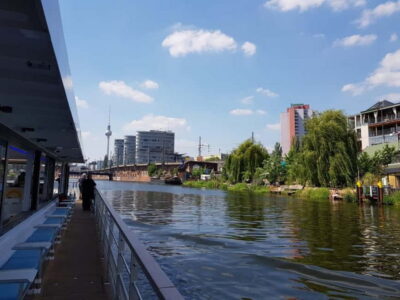
East Side Gallery Spree Cruise in a Solar Catamaran
Read our review →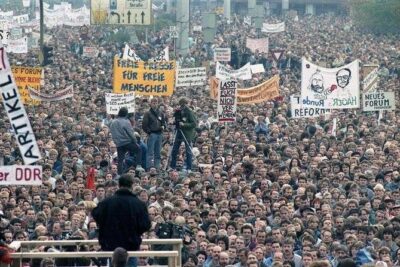
Cold War, Berlin Wall, Spies and the East Side Gallery
Read our review →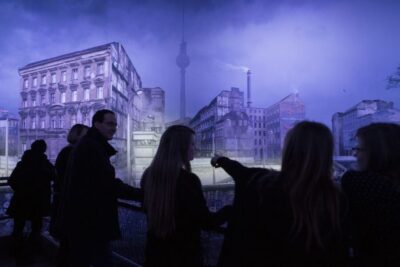
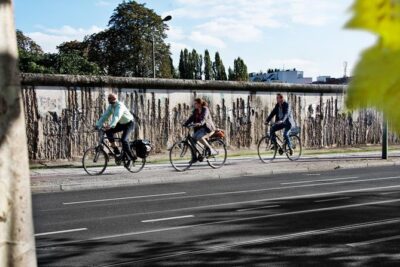
Guided Bike Tour of the Berlin Wall and Third Reich
Read our review →Browse the lists this tour appears in