
Reviewed · BERLIN WALL & COLD WAR TOURS
Private Walking Tour: Behind the Iron Curtain and Berlin Wall
Berlin’s Cold War story feels real because you walk it. This private walking tour traces the Berlin Wall from the infamous “death strip” area mindset to specific escape points, then carries you into places tied to protests and everyday pressure in the GDR. You get the Cold War in street-level form, not just in a museum.
I like how the tour is built around actual historical locations such as Bernauer Strasse and the Berlin Wall Memorial. I also like that it ends at Alexanderplatz, so you finish in a super practical transport hub. One thing to think about: you cover a lot of ground on foot in roughly four hours, so comfortable walking shoes and moderate stamina matter.
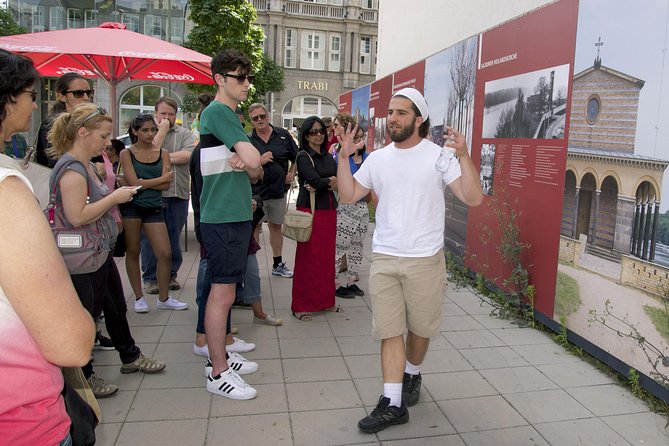
You’ll also notice how the guides bring the story to life. In past groups, Rachel Wells stood out for sharing historical facts while visiting real sites, Alex was praised for his DDR era and reunification grasp and for routing through wall areas thoughtfully, and Philippa was commended for tailoring the private tour to a group’s needs and making the time fly.
Key Highlights Worth Booking For
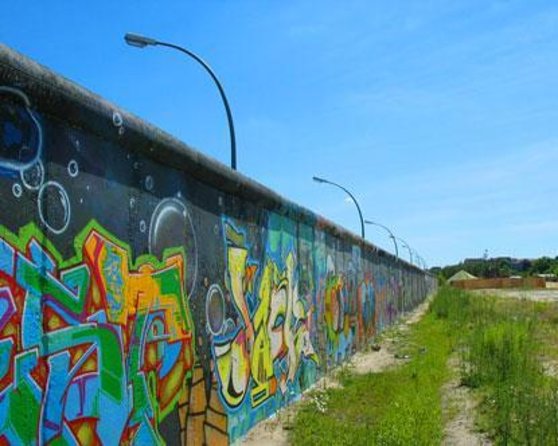
- Bernauer Strasse escape-attempt streets, then straight to the Berlin Wall Memorial on Bernauer Strasse
- Death strip context that helps you understand what people risked trying to cross
- Gethsemane Church in Prenzlauer Berg, tied to late 1980s civil rights gatherings
- Bornholmer Strasse border crossing, one of the key crossings between East and West Berlin
- Alexanderplatz finish point, easy to rejoin transit after the tour
The Cold War You Can Walk, Not Just Read
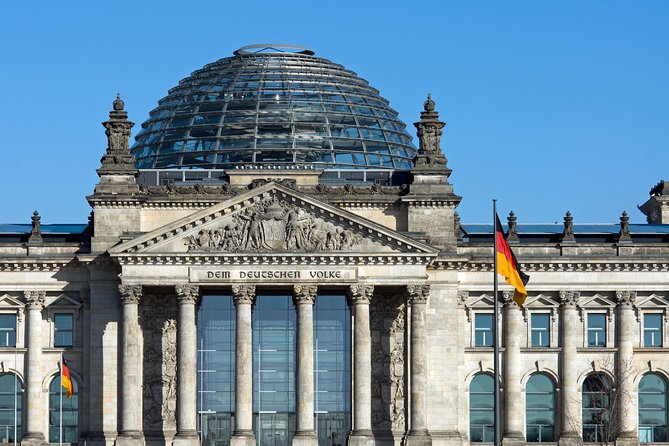
Berlin is where the Cold War stopped being an idea and became geography. After World War II, this city became the stage for competing powers trying to control war-torn Europe, and the Berlin Wall turned that rivalry into something people could see, hear, and fear. On this private walk, you follow that tension through streets that still shape daily movement.
I find this kind of tour works best when it connects what you see to what it meant. That is the strength here. Instead of treating the Wall as one monument, you learn how the border system shaped choices, protests, and escape attempts. You also get both the surrounding atmosphere and the on-the-ground mechanics of division, which makes the story easier to hold in your head.
The private format also matters. Since it is only your group, the guide can steer explanations toward what you care about most, whether that is the protest side, the border side, or how reunification reshaped Berlin after the Wall fell.
More Berlin Wall and Cold War tours in Berlin:
- Berlin: Third Reich and Cold War 2 Hour Walking Tour
★ 4.9 · 6,830 reviews - Berlin’s Best: 2 Hour Walking Tour Third Reich and the Cold War
★ 5.0 · 5,486 reviews - Skip-the-Line: Berlin Wall Museum at Checkpoint Charlie
★ 4.1 · 2,041 reviews
A Four-Hour Rhythm Through Central Berlin
The tour runs about four hours and is scheduled as a morning or afternoon half-day. You meet your historian guide in central Berlin, and if you are staying in a centrally located hotel, pickup is offered. The tour ends at Alexanderplatz in Mitte, which is convenient for getting back to your hotel or continuing on.
A key practical note: you will need a public transport day pass covering zones AB during the tour. This matters because you may move between sections of the route, and the tour is designed for that kind of hopping around rather than being one long, uninterrupted walk.
Also, the tour expects moderate physical fitness. You are not hiking, but you are walking. Plan for cobblestones, crowds at major sites, and standing time while you take in memorials and viewpoints.
Bernauer Strasse and the Wall Memorial: Where the Border Felt Like a Trap
Bernauer Strasse is one of the most powerful parts of Berlin Wall history because it is associated with many escape attempts. Standing along a street like this, you can feel why people tried in the first place. When your home sits right next to a border barrier, the Wall stops being a line on a map and becomes a daily boundary.
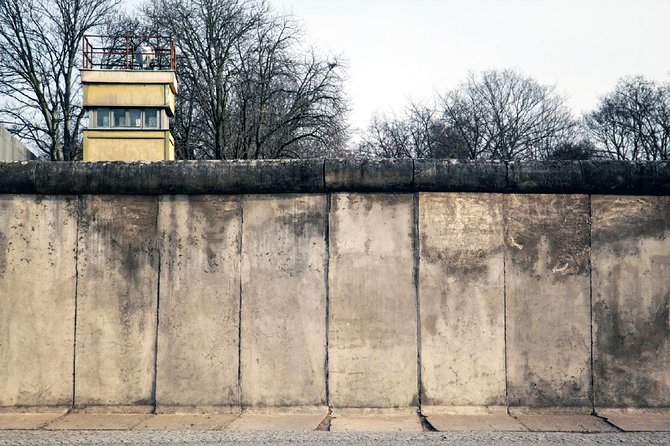
This is also where the tour connects the idea of the Wall with the “death strip” concept. You will hear how that buffer zone worked as a barrier system, aimed at preventing crossings. Understanding that helps you read the area more clearly. You start noticing sightlines, the logic of separation, and why so many attempts carried such high stakes.
Then you visit the Berlin Wall Memorial on Bernauer Strasse, which adds a more reflective stop to the walk. A memorial visit is where you slow down, absorb names and context, and connect the street-level details to the larger story. It is a good counterbalance to the more intense escape-attempt narrative.
Practical tip: wear comfortable shoes and expect you will want photos. But also give yourself time to look slowly. The memorial areas can feel emotionally heavy, even if you are not usually affected by historical sites.
Getting the GDR Protest Story at Gethsemane Church
Prenzlauer Berg is where the story of civil rights activism becomes visible through community spaces, not just border hardware. The tour includes Gethsemane Church, described as the best-known church in the local area, and it is tied to late 1980s gatherings where people protested.
This stop is valuable because it shifts the tone. The border side of the Wall is about control and prevention. The church side is about organizing, speaking up, and turning pressure into momentum. By the time you reach Gethsemane Church, you understand that the Cold War battle was not only fought by guards and fences, but also by people pushing for change.
If you have only seen the Berlin Wall from the perspective of murals and monuments, this kind of stop gives you a missing piece. It reminds you that protests were not abstract. They were organized in real neighborhoods, using real institutions, with real risk.
Practical tip: keep an eye on your guide for context. The meaning of a place like a church is easy to miss if you only pass by. You are there to learn why it mattered when the Berlin Wall was still standing.
More walking tours in Berlin:
- Discover Berlin Half-Day Walking Tour
★ 5.0 · 9,624 reviews - Berlin: Discover Berlin Walking Tour
★ 4.9 · 5,998 reviews - Berlin: Hidden Backyards Guided Walking Tour
★ 4.8 · 5,360 reviews - Third Reich Berlin: Hitler and WWII Walking Tour
★ 5.0 · 3,301 reviews
Bornholmer Strasse: A Border Crossing With Real-Day Consequences
Bornholmer Strasse is another highlight, and it matters for a simple reason: it was one of the border crossings between East and West Berlin. That turns the stop from a general history lesson into a specific place where the division played out day after day.
Here, the guide helps you connect the Cold War story to lived consequences. You are learning how people faced restrictions, how crossings worked, and how the border system shaped ordinary routines. Even if you are not deeply familiar with DDR life yet, this stop makes the system feel concrete.
This is also where the tour helps you understand why the Wall’s collapse was not a single moment. Pressure built over time, and crossings like Bornholmer Strasse were part of that pressure ecosystem. When you later see how protests helped shift events, the story clicks into place.
Practical tip: expect to pause. Border-crossing areas work best when you stand and let the guide explain how the site functioned. Rush past it and you will miss the point.
East Side Gallery Energy, With Historical Framing
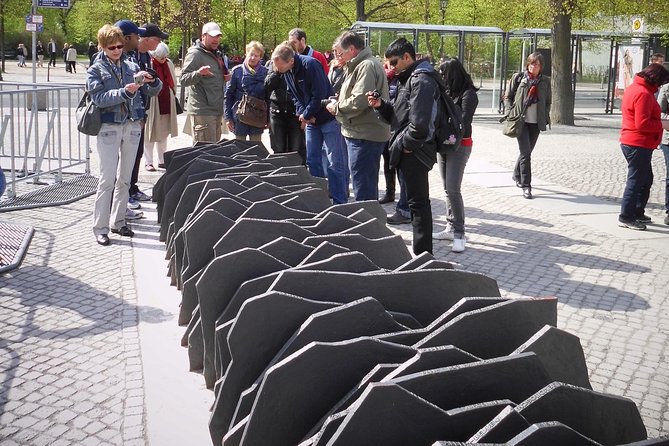
The tour route includes discussion of the Berlin Wall’s remains at the Berlin Wall Memorial and also references the East Side Gallery. Even if you only catch part of that area during the walk, it is worth treating it as more than a photo stop.
The East Side Gallery is famous for art on the Wall, but the reason it lands well in a guided historical route is framing. When your guide ties it back to the Wall’s purpose, the meaning of the art changes. It becomes an indicator of how people processed division and, eventually, how they claimed public space after the Wall started to fall apart.
This section is where the emotion can shift from heavy to purposeful. You start seeing how the story moves forward, from separation toward redefinition. That is a big part of why ending in central Berlin makes sense. The city became a single place again, and you get to experience that flow after the walking story has laid the groundwork.
Why Alexanderplatz Is the Right Place to Finish
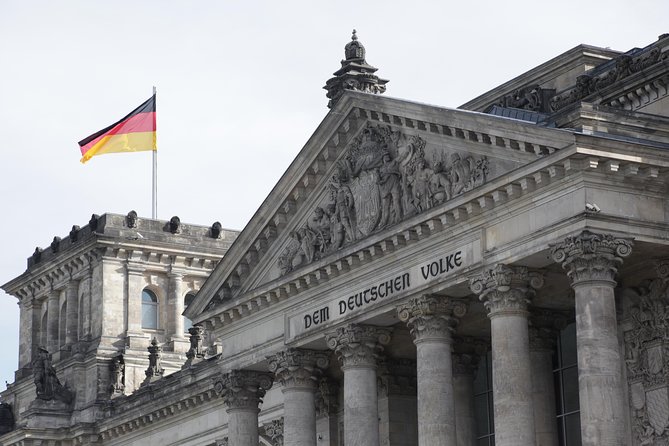
The tour ends at Alexanderplatz, Berlin’s large public square and a major transport hub in the Mitte district. Finishing here is not just convenient. It also supports the tour’s bigger point: division is a chapter in the city’s story, but Berlin continues to function, connect, and move.
Alexanderplatz is the kind of place where you can quickly reorient yourself. You can head back to your hotel, connect to other transit, or keep exploring on your own while the Wall story is still fresh in your mind.
I also like how finishing in a public square changes the mood. You are walking through heavy history, then you end in a space built for crowds and movement. That rhythm fits the story of reunification. Berlin did not just remember the Wall. It rebuilt life around it.
Guides Matter: When the Facts Feel Personal
This is the part that makes the tour consistently hit a 5 out of 5 in past groups. Guides are central to this experience because the material can get abstract fast. When the guide is strong, you understand what you are seeing and why it mattered.
In particular, Rachel Wells was praised for being extremely well grounded in historical facts while visiting real sites. Alex was commended for a solid grasp of the DDR era and reunification, plus for choosing routes through wall areas that helped the story stay clear. Philippa was noted for tailoring the private tour to her group’s needs and for making the four hours feel enjoyable rather than lecture-like.
What you should look for when choosing this tour is exactly that: a guide who can keep the thread straight. You want to move from WWII aftermath, to Cold War confrontation, to the Wall system, to protests and collapse efforts, without losing your bearings. A good historian guide does that with simple, grounded explanation.
Price and Value: Is $166.52 Per Person Reasonable?
At $166.52 per person, this is not a budget add-on. It is a private, four-hour guided walking experience built around major Cold War sites. The value comes from three places.
First, you get a professional guide who connects multiple locations into one coherent story. Berlin Wall history is scattered across the city, and a guided route saves you from cobbling it together with guesswork.
Second, the tour offers pickup if you are in a centrally located hotel. That is a small thing, but it removes friction and helps you start on time.
Third, you finish at Alexanderplatz, so the tour helps you use your afternoon or morning well rather than leaving you stranded near one site.
The main cost consideration is that you also need a public transport day pass for zones AB during the tour, and food and drinks are not included. If you plan ahead, pack a snack or plan a meal afterward, and you will avoid feeling rushed.
Who Should Book This Private Wall and Iron Curtain Walk
This tour fits best if you want Cold War history tied to specific streets and buildings. You will enjoy it most if you like context and storytelling that points to real places, like escape-attempt areas on Bernauer Strasse, protest-linked spaces at Gethsemane Church, and border-crossing history at Bornholmer Strasse.
It is also a good match for travelers who prefer private guides rather than large-group pacing. Since it is only your group, you can move at a comfortable rhythm and ask questions in real time.
You might want to think twice if you dislike walking or you are sensitive to emotionally heavy memorial settings. This is not a cheerful stroll, even if the guide keeps the tone clear and grounded.
Should You Book It?
Book this private tour if you want the Berlin Wall story explained in a way that connects sites to meaning, not just names. The price makes sense for the private format, the guide-led route, and the fact that you are not trying to assemble the Cold War puzzle on your own.
Skip it only if you are looking for a casual, light sightseeing walk with minimal historical framing. This tour is built to teach. If you are ready to learn why a city was divided and how it changed, you will likely leave with a much clearer picture than you could get by hopping between landmarks alone.
FAQ
How long is the private walking tour?
It runs for about 4 hours.
Where does the tour start and end?
You start in central Berlin and end at Alexanderplatz in the Mitte district.
Is hotel pickup available?
Yes, pickup is offered if your hotel is centrally located.
What is included in the price?
The tour includes a professional guide, and pickup if you are centrally located.
Do I need public transportation for this tour?
You will need a public transport day pass covering zones AB during the tour.
Are food and drinks included?
No. Food and drinks are not included.
Is this a private tour?
Yes. It is a private tour/activity, and only your group participates.
What fitness level do I need?
You should have a moderate physical fitness level.
What is the cancellation option?
You can cancel for a full refund up to 24 hours before the experience starts. After that cutoff, the paid amount is not refunded.
Recently added around Berlin
- Berlin Private Custom Walking Tour With A Guide (Private Tour)★ 4.5 · 8 reviews
- One Up to 3 Rickshaws(6 GUESTS)-Taylor Made Rickshaw Berlin Tour★ 5.0 · 20 reviews
- Private taxi tour to Potsdam and Sanssouci 6-8h★ 5.0 · 30 reviews
- Moonshine Comedy – English Stand Up Comedy by the bay★ 5.0 · 11 reviews
- Private Half-Day Berlin Sightseeing Tour with a Minivan Including Short City Walks★ 5.0 · 31 reviews
- Private City Kickstart Tour: Berlin★ 4.5 · 71 reviews
- Private tour of Berlin★ 5.0 · 15 reviews
- Private Tutankhamun’s Tomb Live Escape Room in Berlin★ 3.5 · 11 reviews
Berlin Wall & Cold War Tours, compared.
Berlin’s Best: 2 Hour Walking Tour Third Reich and the Cold War
Read our review →
Skip-the-Line: Berlin Wall Museum at Checkpoint Charlie
Read our review →
2.5-Hour East Side Boat Cruise with Commentary
Read our review →
East Side Gallery Spree Cruise in a Solar Catamaran
Read our review →
Cold War, Berlin Wall, Spies and the East Side Gallery
Read our review →
Guided Bike Tour of the Berlin Wall and Third Reich
Read our review →Browse the lists this tour appears in