
Reviewed · SACHSENHAUSEN MEMORIAL VISITS
Sachsenhausen Memorial: Walking Tour from Berlin
Sachsenhausen Memorial is one of those places that hits you in the gut, because it sits close to Berlin and was built to be a machine of fear. I especially like the way the tour pairs specific camp locations with clear explanations, and I like that the guides keep the focus on how the system worked, not just dates and names. One consideration: this is a heavy, unsettling visit with a lot of walking, and there is no lunch stop along the way.
I also appreciate the human touch. Guides such as Fabio, Soleil, Lorenzo, Sueli, and Andrea show up in group feedback for being careful, organized, and able to talk about traumatic material without losing clarity. Just know you will need to plan for prompt departures and bring cash for the memorial donation.
Key highlights worth knowing before you go
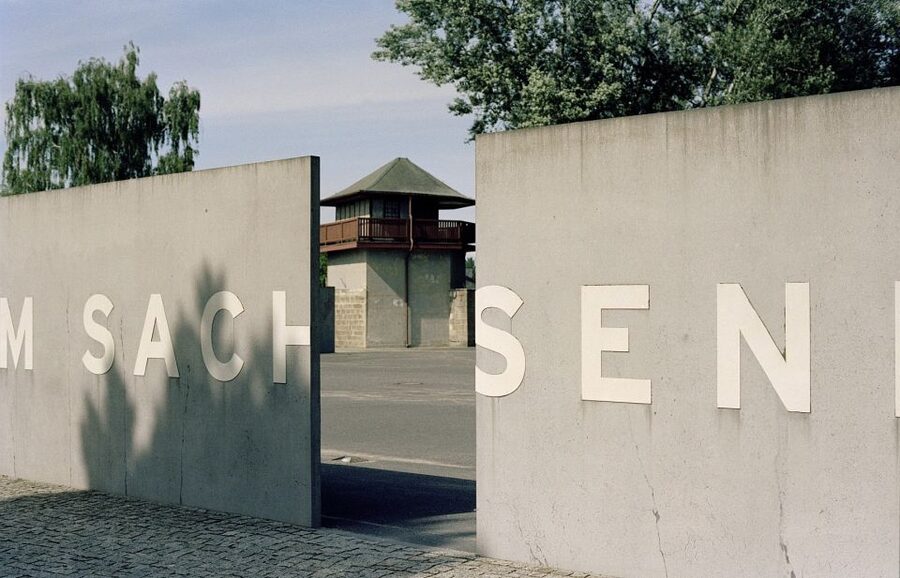
- Sachsenhausen is the Nazi camp closest to Berlin and became a prototype for others.
- Three hours of guided walking inside the memorial, focused on how oppression was built into the layout.
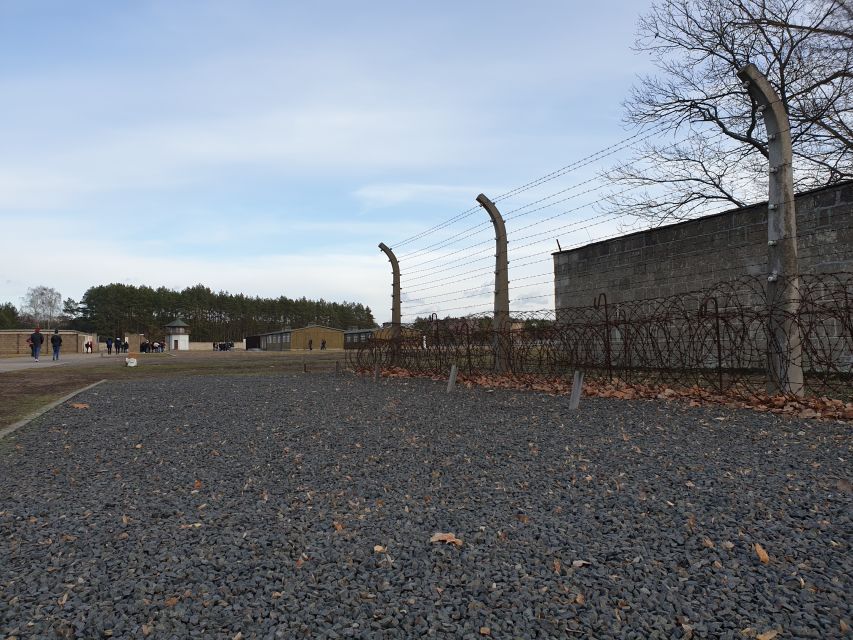
- Key stops include Tower A, the roll-call square, Station Z, and the crematorium area.
- Forced labor, punishment, prison barracks, and medical experimentation rooms are part of the route.
- A guided return to Berlin after you finish, with time to stay longer on your own if you want.
Why Sachsenhausen, so close to Berlin, matters
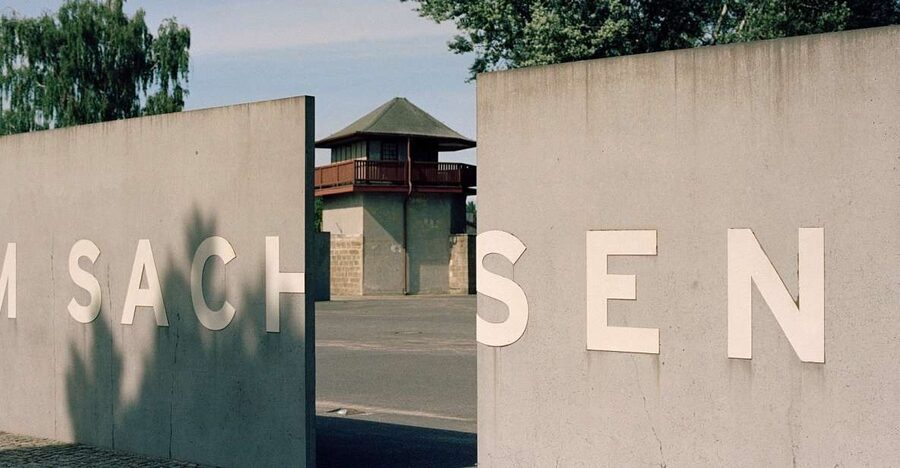
Sachsenhausen was one of the first concentration camps created by the Nazi regime, and it served as a model for the concentration camp system that followed. That fact alone makes this visit feel urgent. It is not a distant, abstract historical topic. It is tied to the capital’s shadow.
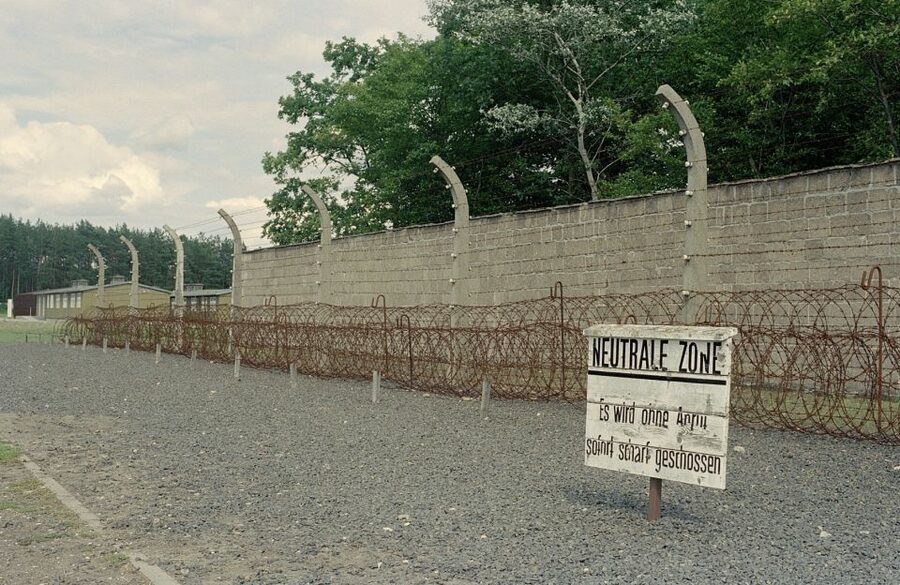
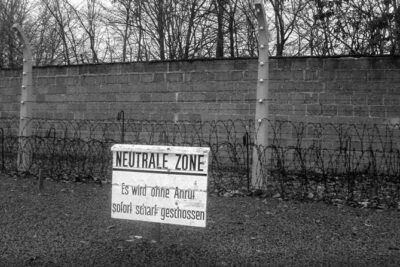
On this tour, you learn how Nazi power relied on architecture and routines. The camp was deliberately designed to enforce total subjugation to SS authority. You can walk the paths and stand where prisoners were counted, punished, and transported through daily control.
This is also a place of shifting victim groups, which helps you understand how the Nazi dictatorship expanded its reach over time. Prisoners included political opponents at first, then Sinti and Roma, Jews, prisoners of war, and Jehovah’s Witnesses. More than 40,000 people perished here under horrific conditions, and the memorial work matters because it preserves what the site was built to do.
Other Sachsenhausen memorial visits:
- Berlin: Sachsenhausen Concentration Camp Tour in English
★ 5.0 · 5,711 reviews - Berlin: Sachsenhausen Concentration Camp Memorial Tour
★ 4.7 · 3,716 reviews - Sachsenhausen Concentration Camp Bus Tour in English from Berlin
★ 5.0 · 1,962 reviews
The route from Berlin: S-Bahn to Oranienburg, then back
The trip starts in Berlin, and the day is paced around train travel north to Oranienburg. You take the S-Bahn, and the distance is about 35 km from Berlin. Expect a full half day, not a quick add-on, because the schedule includes time for group orientation plus the guided walk.
The practical upside is that you do not have to figure out trains and connections under pressure. You meet the group, get set for the day, and then travel together. The tradeoff is you must arrive on time, because the tour begins promptly and you are unlikely to be able to chase a departing train.
After the memorial visit, you return to Berlin together and get dropped off at central locations, including Potsdamer Platz or Friedrichstraße. You can also stay longer at the memorial if you want more time on your own, which is useful if the guided pace leaves you wanting to read more on a specific area.
Berlin orientation briefing before you head north
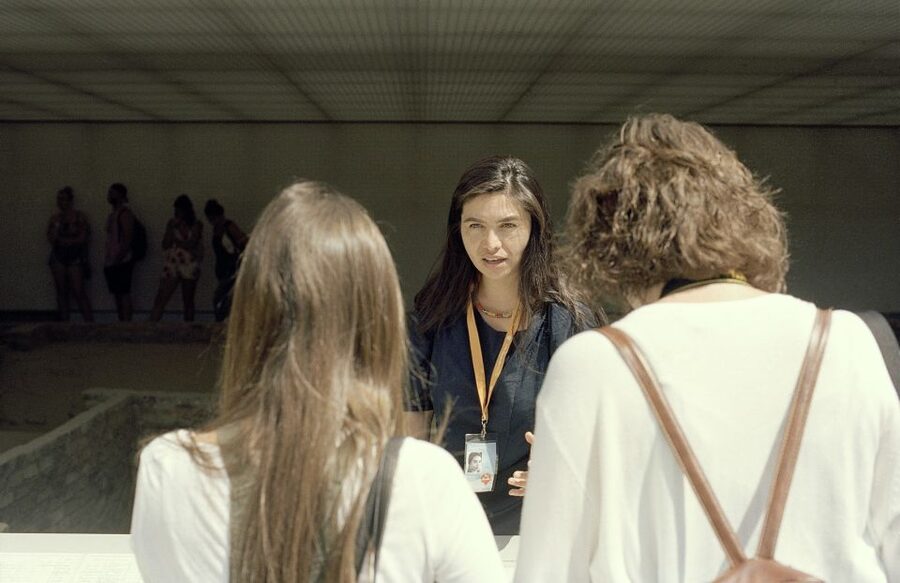
Right after you meet, there is a short guided portion in Berlin. In real life terms, this is your on-ramp: you get organized, you learn how the day will run, and you get a bit of framing so the memorial stops make sense once you arrive.
I like these brief setup moments because they help you avoid the common problem of walking into a complex site with no map in your head. Even a short orientation can help you notice patterns, like where prisoners would have been counted or how spaces forced movement.
Because the subject is intense, this short start also helps the tone. You transition from normal city life to a place designed for terror, and you do it with an explanation, not by surprise.
Oranienburg station: the small guided setup that prevents confusion
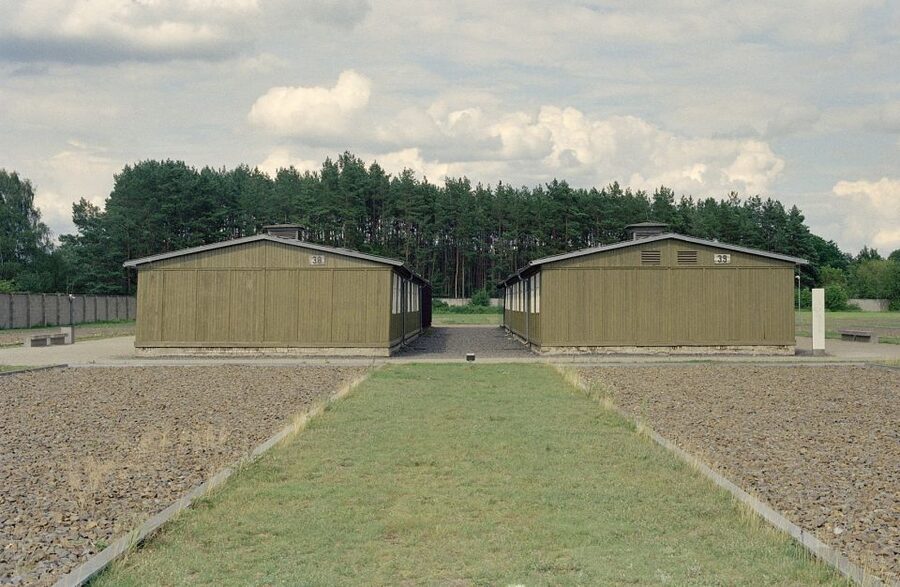
Oranienburg is the nearest station area for the memorial site. Before you fully enter the memorial space, there is a guided stop that helps you orient your bearings.
This is the moment where you can ask questions, confirm what is next, and get clarity on the route. It also helps you manage the physical side of the day, because you are about to walk for hours across the site.
The big benefit here is simple: you avoid wasting mental energy on logistics. When you are already carrying the weight of the topic, it helps to spend less time figuring out where to stand and more time understanding what you are seeing.
More walking tours in Berlin:
- Discover Berlin Half-Day Walking Tour
★ 5.0 · 9,624 reviews - Berlin: Third Reich and Cold War 2 Hour Walking Tour
★ 4.9 · 6,830 reviews - Berlin: Discover Berlin Walking Tour
★ 4.9 · 5,998 reviews - Berlin’s Best: 2 Hour Walking Tour Third Reich and the Cold War
★ 5.0 · 5,486 reviews
The three and a half hour walking tour: Tower A, roll-call, labor, punishment
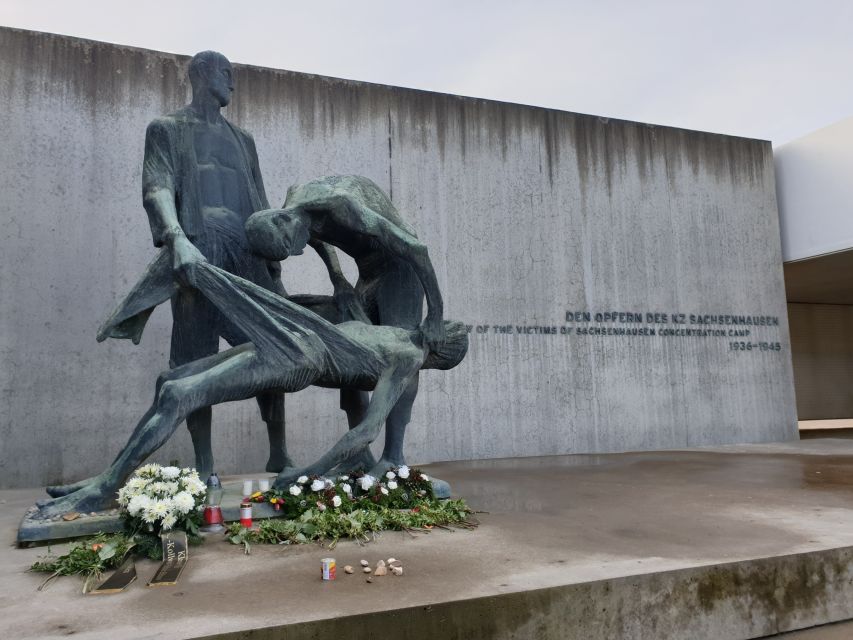
The core of the day is a long guided walking tour inside the memorial and museum. Plan on about 3.5 hours of guided time, and it is mostly walking. This is not a drive-by stop, and it is not a quick museum sweep.
A few of the most important stops on the route include:
- Tower A and the roll-call square: These spaces represent how the SS structured control through visibility and routine. You are seeing the mechanics of power, not only the suffering that followed.
- Forced labor and punishment systems: You learn how labor was used as coercion, and how punishment reinforced obedience. The tour connects individual stories to the larger system.
- Prison barracks and medical experimentation rooms: These areas underline how cruelty was organized, not accidental. The explanations are meant to help you understand intent and method.
I appreciate that the guide does not treat the site like a list of exhibits. Instead, you get explanations tied to the architecture and how people were processed. That makes the walking feel purposeful rather than wandering.
Station Z and the museum rooms tied to extermination
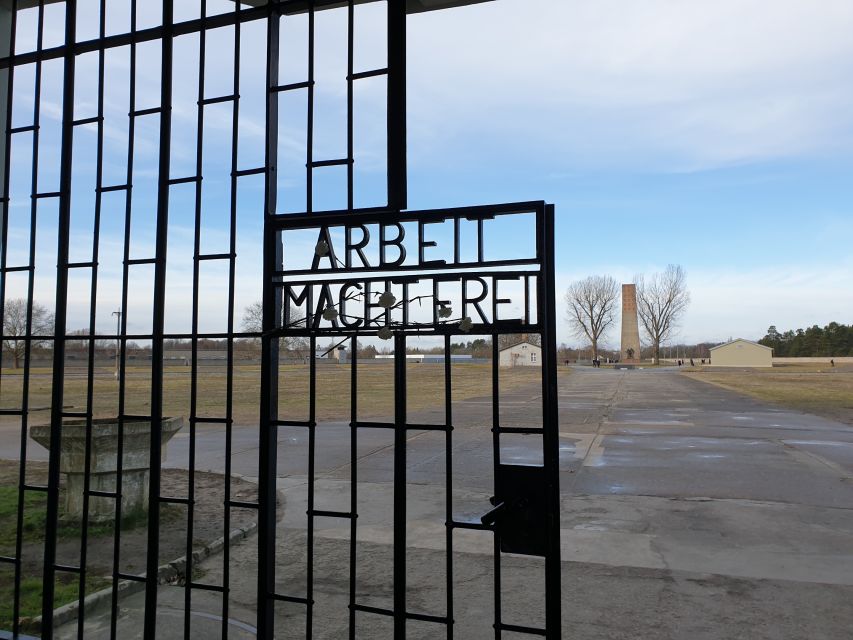
One section of the tour carries particular gravity: Station Z, which is associated with the crematoriums and a gas chamber. This is the part of the day that stays with you, because it forces you to confront the end stage of the Nazi system of extermination.
You also visit other buildings that help you understand day-to-day life and the broader machinery behind it. For example, the former kitchen is now a museum room, which turns a basic facility into a place where you can grasp what prisoners faced and how systems sustained control.
This is also where you learn about the camp as a training site for SS guards. In other words, Sachsenhausen was not just a place where prisoners were held. It also helped teach people how to run the camp system across Nazi Europe.
What the guide teaches about Nazi dictatorship, resistance, and aftermath
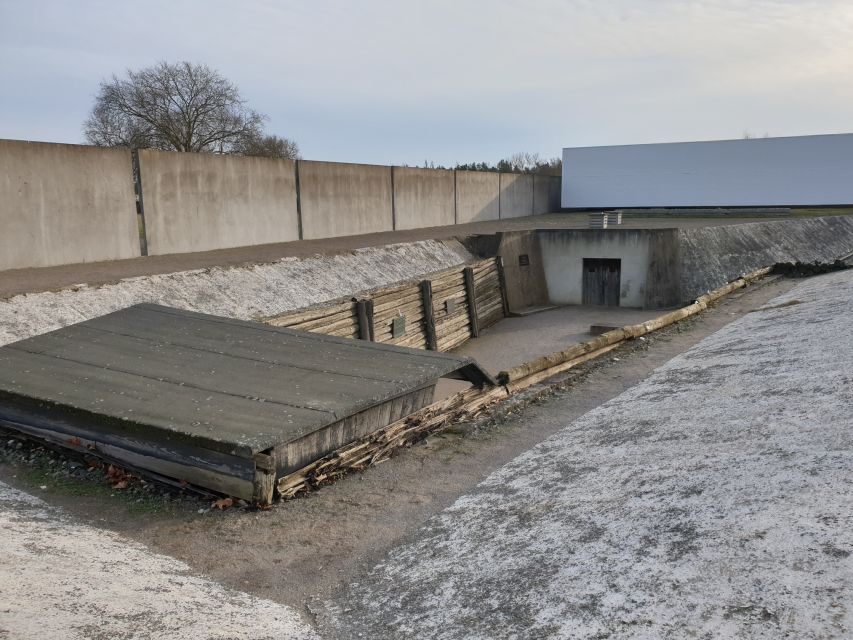
A strong part of the experience is how the tour explains the camp’s role inside the wider Nazi dictatorship. You cover why the site was built to enforce SS authority, how physical space functioned as a tool of oppression, and how the camp connected to exploitation and extermination across the continent.
The tour also includes the human dimension. You hear about daily life under Nazi rule, including prisoners’ attempts at resistance. Even when resistance was limited or crushed, it mattered, and the guide frames it in context so it does not become a slogan.
And the story does not stop in 1945. After World War II, under Soviet occupation, Sachsenhausen continued as a special camp. Thousands of people, including former Nazis and political opponents as well as civilians, were detained, and many died of hunger and disease. Knowing the site’s postwar use helps you understand how violence and detention systems can persist even after regimes change.
The guide also touches on death marches at the end of the war and how the memorial site is treated in later history. That helps you leave with a clearer sense of what preservation and education are trying to prevent.
Pace, group size, and how to manage both the walking and the emotions
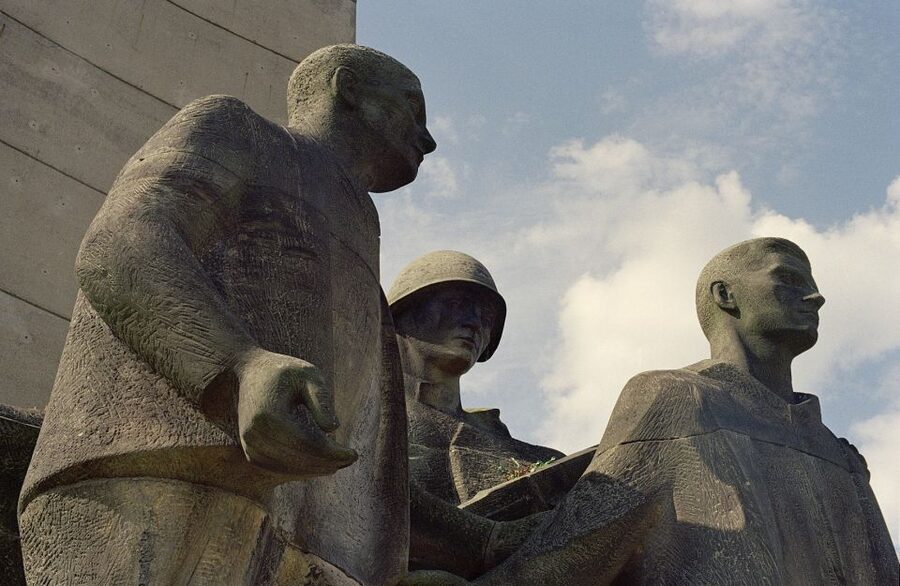
The visit is designed for groups, up to 25 people for the standard group format, with an option for private group sizes. Either way, it is a walking tour with real time spent on your feet.
This matters because you will be on uneven emotional ground and physical ground at the same time. You need comfortable shoes, and you need to control your energy so you can absorb what is being explained instead of rushing ahead.
I recommend you pace yourself during the stops. If you need a moment, take it, but do not drift away from the group. The explanations are tied to the specific locations, and skipping a piece means losing the connection between space and purpose.
Also, the tour runs in all weather. That is not romantic. It is just reality, and you will want a rain layer or a warm layer depending on the season.
Price and value: $511 per group up to 6, plus a donation and transit tickets
The price is listed as $511 per group up to 6. That is a private group style price point, and it can be good value if you are traveling with a small circle and want a more tailored pace. If you end up using the maximum group size, that works out to roughly $85 per person, which is often in the ballpark of other guided long-site half day tours once you factor in the guide time.
But two costs matter for the real budget:
- You must buy public transport tickets for Berlin, including an ABC 24-hour ticket.
- You must pay a €3 memorial donation in cash at the meeting point.
So the full picture is not just the headline price. Still, I think the value holds because the guide covers a lot of ground and a lot of specific locations, including parts of the museum and key camp architecture. This is one of those tours where the guide’s structure can be the difference between learning and just seeing buildings.
What to bring, and the logistics that keep your day smooth
This tour is strict about basic visitor rules because the memorial is a serious site.
Bring:
- Comfortable shoes (you will want them well broken in)
- Food and drinks for the train portion, since eating is not permitted on the memorial site and there is no lunch stop
- A public transport ticket for zones ABC
- Weather-appropriate clothing, since it happens in all weathers
Plan around:
- No eating on the memorial site.
- No smoking, no alcohol, no drugs, and no nudity.
Also, treat timing like a safety feature. The train is likely to leave about 5 minutes after the official start time, and you need to arrive at least 15 minutes early. If you show up late, it is not a wait-around situation, because the guided tour begins promptly.
Who should book this tour, and who might want a different option
Book this if you:
- Want a structured, site-specific visit to Sachsenhausen Memorial
- Prefer a guide to explain how camp design supported control, not just show you plaques
- Like historical walking tours that connect architecture to human decisions and consequences
- Are comfortable spending hours on your feet with no lunch break
You might reconsider if you:
- Do not handle heavy topics well, because this includes extermination-related sites and accounts of suffering
- Want a relaxed sightseeing day, because this is built as a focused, walking-heavy program
- Need frequent stops for long breaks, because the schedule does not include a lunch stop and the tour is prompt
If you are a solo traveler, you can still do it. Just know your experience will be shaped by the group pace. If you are traveling with friends and can fill a private group option, you may enjoy a more controlled rhythm and a bit more flexibility with attention.
Should you book the Sachsenhausen Memorial walking tour from Berlin?
Yes, if you want a meaningful, guided visit to a camp that is close enough to Berlin to feel uncomfortably relevant. The best part is the way the tour connects specific locations like Tower A, the roll-call square, and Station Z to the logic of Nazi control. You come away with a clearer understanding of how oppression was enforced through design, routine, and terror.
I would book it if you can show up early, wear good shoes, and bring a simple lunch for the train portion so you are not stressed about food. I would also book it if you care about getting the narrative right, because a guided approach is what turns a memorial walk into actual understanding.
If that sounds like your kind of day, this is worth your time.
FAQ
How long is the Sachsenhausen Memorial walking tour from Berlin?
The tour lasts about 6 hours total, with roughly 3.5 hours of guided time at the memorial.
Where do I travel from in Berlin?
You start in Berlin, and the exact pickup meeting point can vary depending on the option you book.
What is the route to the memorial like?
You travel together by S-Bahn from Berlin to Oranienburg, which is about 35 km from Berlin, then return to Berlin after the visit.
What language is the guide?
The tour is available with live guides in French, Italian, and English.
How big are the groups?
The tour can run in groups up to 25 people, and there is also a private group option.
Is public transport included?
No. You need to bring or buy your own public transport ticket. You are advised to get a 24-hour ticket for Berlin zones ABC.
Is there a memorial donation?
Yes. You must pay a mandatory €3 memorial donation in cash at the meeting point, and the full amount is donated to the Sachsenhausen Concentration Camp Memorial.
Can I eat lunch during the tour?
Eating is not permitted on the memorial site, and there is no lunch stop during the activity. It is recommended that you bring your own lunch for the train journey.
Are there any rules about what I can bring or do?
Smoking, alcohol, drugs, and nudity are not allowed.
What should I bring with me?
Bring comfortable shoes, food and drinks for the non-memorial portions of the day, and your public transport ticket. Dress for all weather since the tour takes place in all conditions.
Recently added around Berlin
- Berlin Private Custom Walking Tour With A Guide (Private Tour)★ 4.5 · 8 reviews
- One Up to 3 Rickshaws(6 GUESTS)-Taylor Made Rickshaw Berlin Tour★ 5.0 · 20 reviews
- Moonshine Comedy – English Stand Up Comedy by the bay★ 5.0 · 11 reviews
- Private Half-Day Berlin Sightseeing Tour with a Minivan Including Short City Walks★ 5.0 · 31 reviews
- Private taxi tour to Potsdam and Sanssouci 6-8h★ 5.0 · 30 reviews
- Private City Kickstart Tour: Berlin★ 4.5 · 71 reviews
- Private tour of Berlin★ 5.0 · 15 reviews
- Private Tutankhamun’s Tomb Live Escape Room in Berlin★ 3.5 · 11 reviews
Sachsenhausen Memorial Visits, compared.
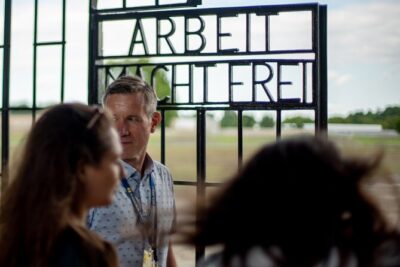
Sachsenhausen Concentration Camp Tour in English
Read our review →
Sachsenhausen Concentration Camp Memorial Tour
Read our review →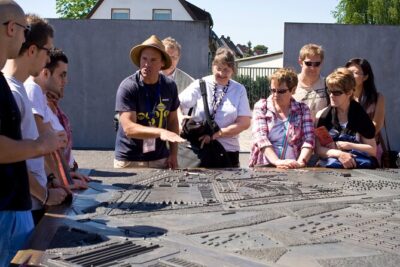
Sachsenhausen Concentration Camp Bus Tour in English from Berlin
Read our review →Sachsenhausen Concentration Camp Tour in English
Read our review →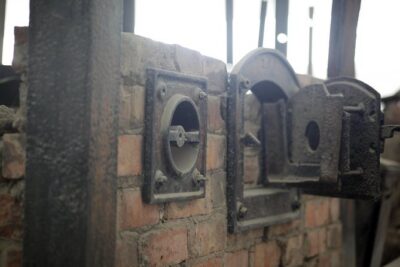
Sachsenhausen Concentration Camp Memorial Tour (Max. 15 Guests)
Read our review →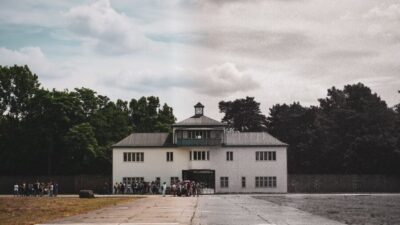
Sachsenhausen Concentration Camp and Potsdam Tour
Read our review →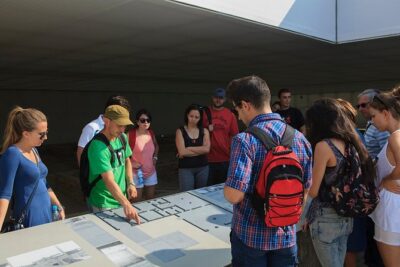
Visita en español al campo de concentración Sachsenhausen
Read our review →Browse the lists this tour appears in