

Reviewed · THIRD REICH & WW2 HISTORY WALKS
Private Walking Tour in Berlin: Hitler’s Germany & WWII
Berlin’s Nazi past is dark, complicated, and surprisingly close to where you’ll be walking anyway. This private, historian-led tour strings together the places tied to the Third Reich in a way that feels like a timeline, not a random list of landmarks. Guides you might see assigned to this route include Jasper, Stefan, Rohan, Lewis, and Xavier, and that matters because the topic needs clear, careful explaining.
I love two things most. First, you get historian storytelling that links each site to the bigger story of Hitler’s rise and Nazi terror, including the Holocaust and the people who tried to resist it. Second, the tour keeps moving through multiple key points in one half-day, so you come away with the shape of what happened, not just photos. One drawback to consider: you see everything from the outside, so this is not a ticketed, inside-the-buildings kind of experience.
Key points to know before you go
- A focused WWII narrative built from major Third Reich and Holocaust-related sites
- Outside viewing only, so you cover more ground in about 4 hours
- Historian guide with interactive Q and A, with past guides like Jasper and Lewis
- Memorial stops included, not only Nazi-era government locations
- Ends near the Reichstag, giving you flexibility for what you do after the tour
Why This Berlin WWII Walk Works So Well on Foot
Berlin has plenty of Nazi-era reminders, but they can feel scattered if you visit solo. What I like about this tour is that it treats the city like a story you can follow, starting with lesser-known human stakes and moving through the places tied to the machinery of terror. It is the kind of walk where you keep getting new context at each stop, instead of reading one plaque and moving on.
You also get a historian guide, which is a big deal for this subject. The guide’s job is not just to name places, but to explain how the Nazi system worked, where it held power, and how people were affected. The tour includes both the sites connected to persecution and deportation and the places devoted to remembrance, so you do not end up with a one-sided view.
There is also a real practical bonus: you finish before the German parliament area. That means you can decide how to spend the remaining time based on your interests, rather than feeling like the tour is the whole day.
Price and Logistics: Is $173.06 a Good Value?
At $173.06 per person, this is not a cheap stroll. But you are paying for a private format, a professional guide, and a set route that hits a lot of major WWII and Holocaust-related themes in about half a day. The price also includes all fees and taxes, so you are not stuck adding surprises for the guide service.
You should also plan for what is not included. Tips for the guide are separate, and public transport tickets are not included. If you use transit, the tour data notes you need a Single Ticket AB (about €4 per person). If you already know you will walk or you will taxi, you can treat that as a minor line item instead of a deal breaker.
The practical logistics are friendly. You get a mobile ticket, you can request pickup, and the meeting point is near public transportation. The tour also runs as a private experience, meaning only your group participates, which usually makes it easier to ask questions without feeling rushed.
Other Third Reich and WW2 history walks in Berlin:
- Berlin: Third Reich and Cold War 2 Hour Walking Tour
★ 4.9 · 6,830 reviews - Berlin’s Best: 2 Hour Walking Tour Third Reich and the Cold War
★ 5.0 · 5,486 reviews - Third Reich Berlin: Hitler and WWII Walking Tour
★ 5.0 · 3,301 reviews
The Route From Neue Promenade to the Reichstag: A Half-Day Timeline That Makes Sense
The walk starts at Neue Promenade 3, 10178 Berlin and usually ends at the Reichstag area at Platz der Republik 1, 11011 Berlin. Duration is about 4 hours, with the itinerary set as a 10-stop route. The tour is also flexible in a sensible way: the guide can sometimes stay a bit longer at a place if your group wants more time.
The big theme of the route is how Nazi power moved from political takeover to physical control. Early stops focus on Jewish memory and human courage, then the walk shifts into the brutal real-world locations connected to deportation and terror. Later you move through remembrance spaces tied to the Holocaust and other Nazi persecution. That order matters, because it moves you from context into impact, then into memory.
One more logistics detail you should be aware of: the tour is explicit that you are not entering the attractions. The Reichstag stop is from the outside too, and tickets for the Reichstag are not included. That keeps the walk efficient, but it also means this is best for people who want understanding and orientation rather than building entry.
Stop 1: Museum Blindenwerkstatt Otto Weidt and the Human Side of Nazi-Era Berlin
The tour begins at the Museum Blindenwerkstatt Otto Weidt, and the guide explains the history of the site. Even before the bigger Nazi-era locations, this start sets an important tone: it is not only about power and persecution, it is also about the people caught up in the system and the moral choices around them.
The name itself is a useful clue. Blindenwerkstatt points to a workshop tied to people with blindness, and that is the kind of detail that helps you see the era as something lived, not something that only happened in government offices. If you are visiting with students or you want the story to include people beyond the usual villain-and-victim framing, this opening stop helps.
Because it is only about 10 minutes, you should treat this as a foundation, not a full museum visit. If you want more time here later, you can plan to come back on your own after the tour.
Stop 2: Stiftung Neue Synagoge Berlin – Centrum Judaicum and Why Jewish Life Must Be Part of the Story
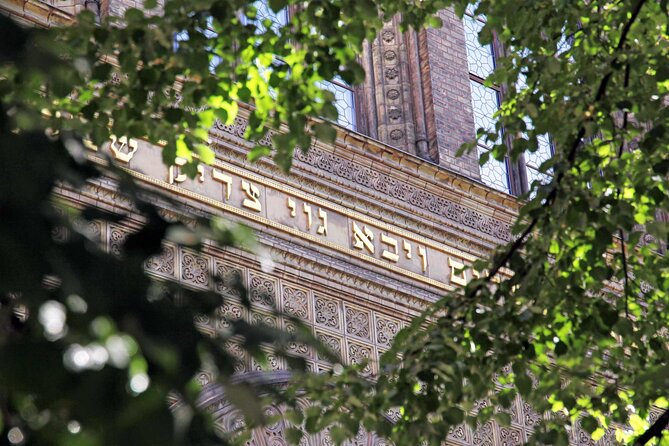
Next is Stiftung Neue Synagoge Berlin – Centrum Judaicum. The guide again explains the history of the site, and the timing here is key. After the first stop’s human stakes, the tour pivots to Jewish presence and memory in Berlin.
This is not just a background detail. The tour’s bigger promise is to help you understand the Holocaust’s realities, and that includes the fact that Jewish life did not begin and end with Nazi persecution. You are also likely to notice that the tour uses these Jewish-related stops to broaden your view beyond paperwork and buildings.
This stop is also about 10 minutes. It is enough time to understand why the place is included, then you move on while the story stays fresh.
More walking tours in Berlin:
- Discover Berlin Half-Day Walking Tour
★ 5.0 · 9,624 reviews - Berlin: Discover Berlin Walking Tour
★ 4.9 · 5,998 reviews - Berlin: Hidden Backyards Guided Walking Tour
★ 4.8 · 5,360 reviews - Berlin: Alternative Berlin Walking Tour
★ 4.6 · 1,204 reviews
Stop 3: Anhalter Bahnhof Ruins, Deportations, and the Horror of “Normal” Systems
One of the strongest parts of the route is Anhalter Bahnhof. This is not a vague memorial stop. The tour specifically notes that Anhalter Bahnhof was used to deport prisoners to concentration camps. Walking near ruins like this can feel physically unsettling in a way that photographs do not capture.
The value here is not only the tragedy. It is the method. Deportation was not some sudden explosion, it was a system. A place like a railway station forces you to picture logistics, schedules, and the chilling efficiency of state control.
The tour’s outside-only approach can actually help at this stop. You see the location in the context of modern Berlin, so you can better grasp how terror was integrated into real infrastructure. The stop is about 10 minutes, so give yourself permission to feel what you feel, then let the guide connect it back to the Nazi rise and terror network.
Stop 4: Topography of Terror and the Spaces Where Terror Took Shape
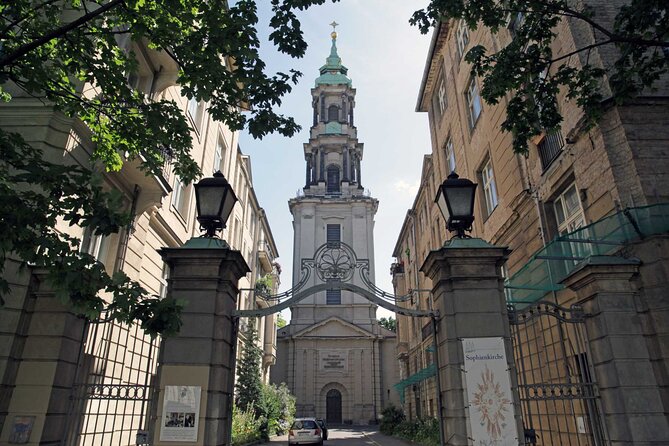
At Topography of Terror, the guide explains the history of the site. This stop is closely tied to the tour’s promise of showing the former Gestapo and SS headquarters. In other words, this is where the story shifts from what the Nazi regime did to where it operated.
I like how this kind of location works for first-time visitors. It turns an abstract word like terror into a physical setting: offices, communication, control, and decision-making. Even without entering buildings, you still get a sense that something cold and organized was happening here.
Because this stop is also short at about 10 minutes, it is best to keep your mind open and let the guide do the heavy lifting. If you prefer to absorb slowly, you can ask at the start of the tour if your group can spend extra time on Topography of Terror if interest is high.
Stop 5: Aviation Ministry of Berlin and the Broader Reach of the Regime
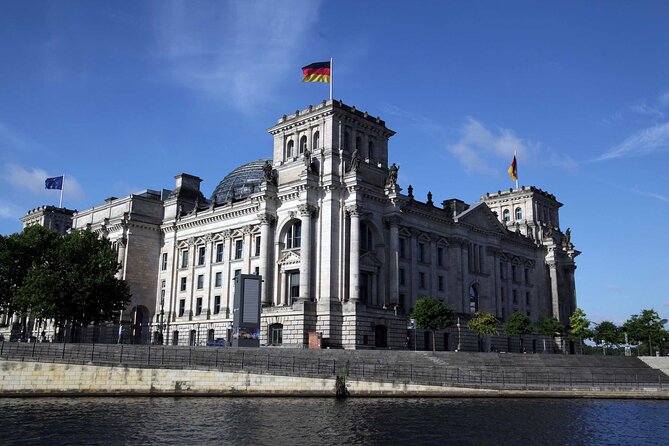
The itinerary includes a stop at the Aviation Ministery of Berlin. The guide explains the history of the site, and this is one of those moments where the tour can help you see the Nazi system as more than police and propaganda.
Aviation, government departments, and state infrastructure are part of how regimes operate. Even if you only spend 10 minutes here, the stop can help connect how power branched out into everyday systems and specialized bureaucracies.
This is also a good point in the walk to ask questions. If you have ever wondered how authoritarian control spreads beyond the obvious symbols, this mid-tour stop is a fair place to bring that up.
Stop 6: Johann Georg Elser Sculpture and the Many Faces of Resistance
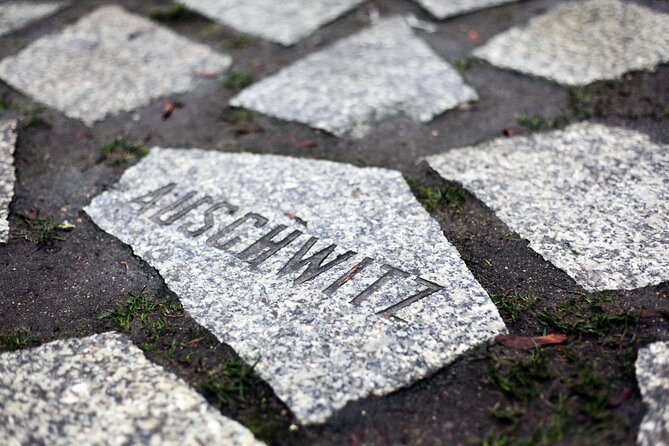
Next comes the Johann Georg Elser Sculpture. The guide explains the history of the site, and it fits the tour’s promise to include those who struggled against the Nazi system of terror.
I appreciate that the tour does not treat resistance as a single story. By including this kind of memorial or marker, you are nudged to remember that opposition came in different forms and at different levels, even when the regime tried to make dissent impossible.
This stop is about 10 minutes. It’s short on purpose, but it can still leave you thinking. If you like learning how people pushed back under dangerous conditions, this is one of the stops that can stay with you.
Stop 7: The Holocaust Memorial, Memorial to the Murdered Jews of Europe
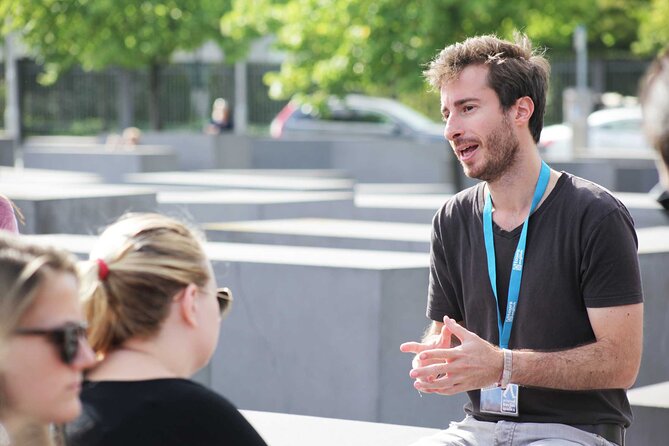
You then reach the Holocaust Memorial, the Memorial to the Murdered Jews of Europe, where the guide explains the history of the site. This is a longer stop at about 15 minutes, and that extra time makes sense.
In a walking tour focused on WWII sites, a memorial like this is where you slow down. You are moving through places tied to systems and offices, and now you land in a space designed for remembrance. That shift helps you keep the moral weight of the story front and center.
This stop is also a reminder that Nazi ideology targeted entire communities, not just individuals. The memorial name tells you the scope. The guide’s context then helps you understand why the tour includes it after the earlier locations tied to power.
Stop 8: The Monument to Homosexuals Persecuted Under National Socialist Regime
Right after the Holocaust Memorial, the tour visits the Monument to Homosexuals Persecuted Under National Socialist Regime. This is a crucial stop because it broadens what Nazi persecution looked like.
The monument’s title is specific: it names a group that was persecuted under National Socialist rule. Including it on this route helps you avoid a narrow picture of WWII history. It also reinforces the idea that terror had multiple targets and multiple categories, not only the ones most commonly taught.
This stop is about 10 minutes, and that is enough time to understand why the monument exists and how it fits the tour’s theme of Nazi-era persecution.
Stop 9: Soviet Memorial Tiergarten and the War’s Aftermath in Berlin
Next up is Soviet Memorial Tiergarten. The guide explains the history of the site, and this stop adds another important layer. After hours focused on Nazi terror and Holocaust-related sites, you still need to understand how the story of Berlin’s WWII ended and how it was remembered.
A Soviet memorial also reflects the shifting political reality that followed the war. Even without extra details, it signals that Berlin’s memory of WWII is not only about the Nazi regime’s victims. It also includes the conflict’s winners and the later political order.
This stop is about 10 minutes. If you want more time here than that, it’s the kind of place where you can easily add your own reflection after the tour ends.
Stop 10: Reichstag Building from the Outside, Finishing at Today’s Center of Government
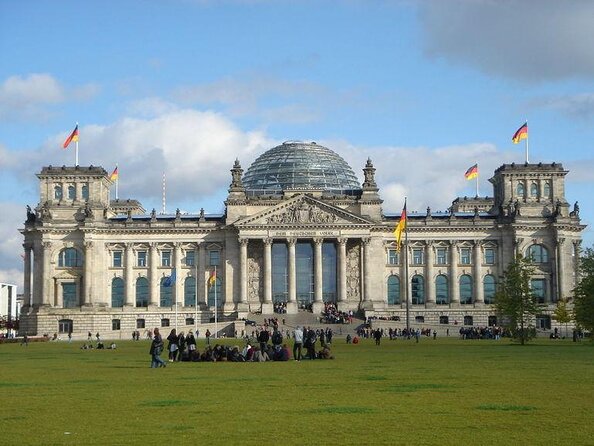
The tour finishes with the Reichstag building. The guide explains the history of the building from the outside, and Reichstag entry tickets are not included. The tour timing also lines up with your schedule, because it ends before you would have to plan a full museum-style visit.
I like ending here because the contrast is sharp. You start the walk with sites tied to persecution and terror, then you end near Germany’s national parliament. Even if you never step inside, the experience gives you a sense of how modern democracy occupies the same city where dictatorship once ruled.
You also get flexibility. Since the tour finishes before the Reichstag, your remaining time in Berlin can go toward whatever you feel like next, from nearby neighborhoods to additional memorials.
Who This Tour Is Best For (and Who Might Want Something Else)
This is a strong fit if you want a Berlin WWII walking tour that stays focused on Nazi Germany and WWII while still including remembrance for multiple victim groups. It also suits people who like structure. The route is tight, about 4 hours, and built around a clear order of stops.
It can also work well for teens. One family experience included a 15-year-old who enjoyed the tour, which suggests the guide approach can handle serious topics in a way that keeps younger people engaged. Service animals are allowed, and most people can participate.
If you want to spend lots of time entering buildings or museums, this may not be your best match because the tour states you only see attractions from the outside. If you prefer inside access, you could pair this with separate ticketed visits later.
Should You Book This Private Walking Tour?
I think you should book it if you want a thoughtful way to see key WWII sites without needing to plan the story yourself. The combination of a historian guide, a tight half-day schedule, and a route that includes both Nazi power sites and memorials makes it good value for people who care about context.
Skip it if you want a museum-heavy experience or you feel strongly that seeing the Reichstag or other locations requires entry tickets as part of the day. Since it is outside viewing only, it is more about understanding and orientation than access.
If you do book, I’d suggest one small strategy: at the start, tell the guide what you want most, for example Holocaust context, Nazi administration, or resistance stories. Then you can better decide if your group should linger a bit longer at certain attractions during the flexible time built into the tour.
FAQ
How long is the private walking tour of Hitler’s Germany and WWII?
It lasts about 4 hours (approximately).
Is this tour private?
Yes. It is a private tour/activity, and only your group will participate.
Where does the tour start and end?
It starts at Neue Promenade 3, 10178 Berlin, Germany, and it usually ends at the Reichstag area, Platz der Republik 1, 11011 Berlin, Germany.
Does the tour include pickup?
Pickup is offered.
Will I be going inside the sites?
No. The tour notes that attractions are seen only from the outside, not entered. The Reichstag stop is also from the outside.
What is included in the price?
Included items are all fees and taxes and a professional guide.
What is not included?
Tips for the guide are not included, and public transport tickets are not included (a Single Ticket AB is about €4 per person). Tickets for the Reichstag are also not included.
Are there any admission fees at the listed stops?
The tour information lists admission as free for multiple stops. Also, since the tour is outside viewing only, you are not entering attractions during the walk.
Is a mobile ticket provided?
Yes. A mobile ticket is included.
What is the cancellation policy?
Free cancellation is available up to 24 hours in advance for a full refund.
Are service animals allowed?
Yes, service animals are allowed.
Recently added around Berlin
- Berlin Private Custom Walking Tour With A Guide (Private Tour)★ 4.5 · 8 reviews
- One Up to 3 Rickshaws(6 GUESTS)-Taylor Made Rickshaw Berlin Tour★ 5.0 · 20 reviews
- Moonshine Comedy – English Stand Up Comedy by the bay★ 5.0 · 11 reviews
- Private Half-Day Berlin Sightseeing Tour with a Minivan Including Short City Walks★ 5.0 · 31 reviews
- Private taxi tour to Potsdam and Sanssouci 6-8h★ 5.0 · 30 reviews
- Private City Kickstart Tour: Berlin★ 4.5 · 71 reviews
- Private tour of Berlin★ 5.0 · 15 reviews
- Private Tutankhamun’s Tomb Live Escape Room in Berlin★ 3.5 · 11 reviews
Third Reich & WW2 History Walks, compared.
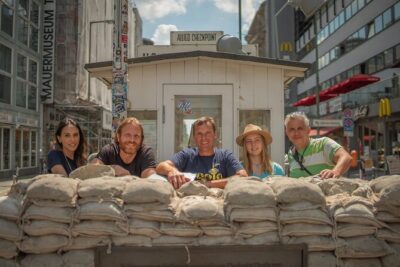
Berlin’s Best: 2 Hour Walking Tour Third Reich and the Cold War
Read our review →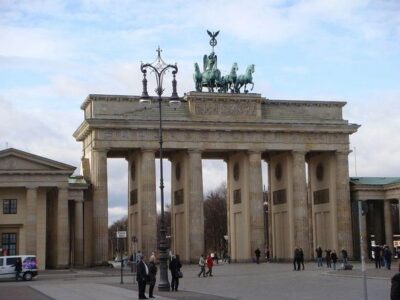
Third Reich Berlin: Hitler and WWII Walking Tour
Read our review →

Berlin Third Reich Sites: Half-Day Walking Tour
Read our review →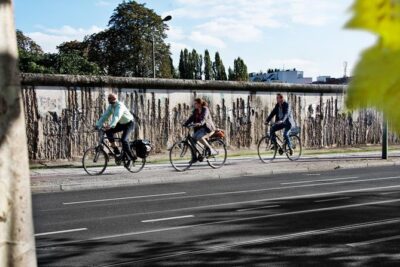
Guided Bike Tour of the Berlin Wall and Third Reich
Read our review →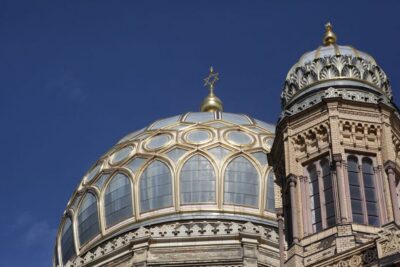
Hitler’s Germany: Berlin During the Third Reich & WWII
Read our review →
Private Walking Tour Berlin Third Reich Hitler and World War II
Read our review →Browse the lists this tour appears in