
Reviewed · THIRD REICH & WW2 HISTORY WALKS
Berlin Cold War & World War II Third Reich Walking Tour
Berlin’s 20th century story is written all over the streets, and this walking route helps you read it in the right order. You start with Nazi-era turning points, then move into the Cold War, until the Berlin Wall sites start to feel less like history and more like a map of real choices people had to make.
I really like the way the tour balances big events with specific places. Stops like the Reichstag Building and the Palace of Tears give you concrete anchors, and guides such as Miguel bring the story to life with humor and real clarity. I also like that you get time to ask questions and follow the threads that interest you, like how the war ended and what that meant for everyday life later.
One consideration: the pace is brisk and the tour runs long enough that you should plan for a true half-day walk. Even though the format is built from short stops, you may find you want more detail at certain points, especially if you’re hoping for a blow-by-blow battle history rather than a guided big-picture route.
Key highlights worth planning for
- Free admission tickets for the listed major stops, so your day stays predictable
- WWII to Cold War timeline that connects sites instead of treating them as random monuments
- Strong guide energy, with guides like Miguel and Arthur noted for humor and patient answering
- Wall-era locations across Berlin, from memorial sections to Teufelsberg and East Side Gallery
- Frequent chances to ask questions, which changes the tour from a lecture into a conversation
Starting at Generator Berlin Alexanderplatz: a long, practical history walk
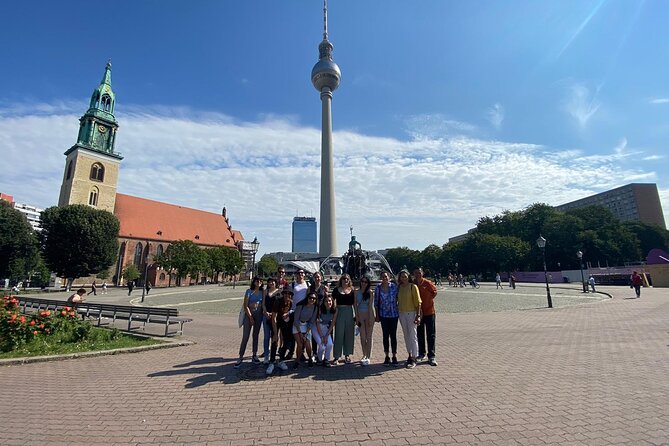
This is built as a group walking tour in Berlin, starting at Generator Berlin Alexanderplatz, Otto-Braun-Straße 65, 10178 Berlin, with the meet time set for 12:00 pm. The day is designed to move through major landmarks without you having to figure out logistics in the middle of your historical homework.
The tour caps at 100 travelers, which matters more than you might think. Large groups can turn into a herd, but this size limit keeps the flow manageable and makes it easier to hear stories and questions from more people in the group. Also, it runs in all weather, so you should dress for rain, wind, or cold snaps. Berlin in the shoulder seasons can flip fast, and if the sky is gray you will be glad you brought an umbrella.
What you should not overlook: the experience asks for moderate physical fitness. The stops are timeboxed (often around 20 to 30 minutes), but you are still on your feet for much of the tour. Comfortable shoes are non-negotiable.
The only true “missing” item is simple: beverages and snacks are not included. If you tend to get hungry or thirsty on foot, plan a quick break strategy before you meet the group, or bring a small water plan with you.
Other Third Reich and WW2 history walks in Berlin:
- Berlin: Third Reich and Cold War 2 Hour Walking Tour
★ 4.9 · 6,830 reviews - Berlin’s Best: 2 Hour Walking Tour Third Reich and the Cold War
★ 5.0 · 5,486 reviews - Third Reich Berlin: Hitler and WWII Walking Tour
★ 5.0 · 3,301 reviews
Reichstag Building and Karlshorst: reading the war’s end in real buildings
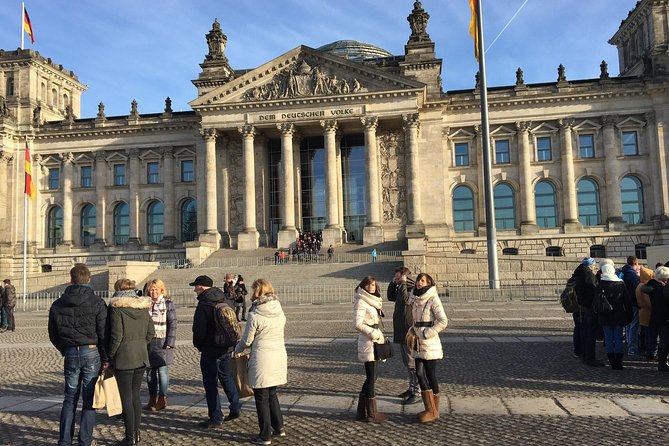
The route begins at the Reichstag Building. This is one of those places where Berlin’s power story is visible even before a guide starts talking. You get a grounding sense of how ideology, government, and architecture all played together in the Nazi era. Even if you already know the headlines, standing here helps you understand why the Reichstag became a symbol worth fighting over.
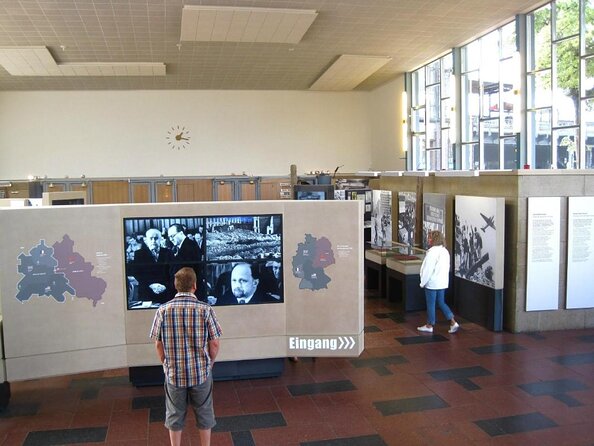
From there, the tour heads to Museum Berlin Karlshorst, a WWII-focused stop tied to the war’s final chapter. This is where you shift from the larger political story into the closing moments that changed the city and the continent. The tone here is usually more reflective, and it helps to have a guide who can connect names and dates to what happened on the ground.
One practical perk: both of these stops list free admission tickets. That means you can spend your energy on the story instead of worrying about fees, ticket lines, or whether you need to budget extra for entry.
A small realism note: places like these can be visually intense but information-heavy. If you prefer lots of museum reading time, you might find this part of the tour is more guided storytelling than independent exploration. The payoff is that it stays connected to the rest of your day.
Humboldthain Flak Tower and Prenzlauer Berg: scars you can still walk through
Next up is Humboldthain Flak Tower. Flak towers are not the kind of “pretty” Berlin postcard you get in a quick photo stroll. They are functional, heavy, and built for wartime survival. A guide can help you see past the concrete shell and explain why structures like this mattered when air raids were a constant threat.
This stop is also where you start to appreciate how the tour handles “what you can see.” Some war reminders are obvious. Others hide in plain sight. A flak tower is a good example of the second category. You might look at it and think, I’ve seen that before, but a well-timed explanation turns it into a scene with context.
Then comes Prenzlauer Berg, framed around the “scars” left behind during the Battle of Berlin. This is a neighborhood-level kind of stop, and that can be a relief if you are tired of big monumental sites. You start thinking about Berlin as a lived-in battlefield, with streets, apartments, and daily routes all affected by fighting.
At these two stops, the tour asks you to keep moving at a leisurely walking pace, with time set aside around 30 minutes each. If you want to take extra photos, you’ll still be able to, but you will want to keep an eye on the group so you do not fall behind.
Berlin Story Bunker and the Palace of Tears: where Cold War stories feel personal
One of the more memorable stops on the route is Berlin Story Bunker, presented as the kind of underground setting where big legends and grim realities meet. The site is linked to the idea of Hitler’s underground lair area. Even if you know the broad facts, a guide can make the story feel grounded rather than purely sensational.
Then the tour moves to the Palace of Tears, heading east with a focus on escape and the Cold War machinery that made hope complicated. This is one of the best segments for understanding how political systems touched human decisions. The stop includes the theme of boarding crossings and escape points, so you start to see the Wall not as a line on a map but as a gatekeeping system.
If you like history that connects to psychology, this part tends to land well. You are not just hearing what happened. You are learning how people tried to change their odds, and why the system responded the way it did.
Admission is again listed as free for this segment, which helps the day stay focused on what you are seeing, not what you are paying.
A tip for this phase: expect your attention to shift. Early stops hit WWII and institutions. Here, the tone gets more human. If you have questions about specific figures, escape attempts, or how people moved at the border, this is a good stretch of the walk to ask.
More Berlin Wall and Cold War tours in Berlin:
- Skip-the-Line: Berlin Wall Museum at Checkpoint Charlie
★ 4.1 · 2,041 reviews - Berlin: 2.5-Hour East Side Boat Cruise with Commentary
★ 4.4 · 2,016 reviews - Berlin: East Side Gallery Spree Cruise in a Solar Catamaran
★ 4.0 · 1,039 reviews - Cold War, Berlin Wall, Spies and the East Side Gallery
★ 5.0 · 1,024 reviews
Berlin Wall Memorial, Teufelsberg, and East Side Gallery: from border control to public art
The Berlin Wall Memorial stop is the moment where the tour becomes impossible to ignore. The Wall is one of those topics that can sound abstract until you see reminders that still exist in the city fabric. This stop helps you understand the “why” behind the Wall, but it also makes you notice the visible damage and the survival of memory in physical space.
After that, you go to Teufelsberg, a site that connects to what the Wall left behind. The tour framing here includes major points like guard towers and wall-related memorial areas, plus a chance to explore wall sights off the beaten path. That last part matters. Berlin’s famous Wall photos are everywhere. Side routes give you better context and a less staged feeling.
Then you hit the East Side Gallery. This is where conflict between east and west culminated into something you can see clearly: public paintings and messages on Wall remnants. If your brain has been holding dark themes all day, this stop provides a different kind of contrast, still tied to the border reality, but expressed through art.
Timing here is shorter than some of the other stops, which is normal. You are not meant to spend all day staring at paint. You are meant to connect the art to the broader story you built earlier.
Also, if you are someone who likes to read plaques and details, bring patience. The tour style here favors guided context over solitary study time.
DDR Watch Tower and the last loop back to Berlin’s newer reality

The final stop is the DDR Watch Tower, with the theme of places where the Wall once stood and stories about wall escapes and forced conscription. This is a strong closer because it ties everyday control back to the concrete setting of surveillance and enforcement.
A watch tower can sound like a technical detail until a guide makes it about people. When that connection clicks, the day’s timeline starts to feel consistent. You stop thinking in separate eras and start seeing patterns: power structures, barriers, and the way those barriers shape movement, survival, and identity.
After this, the tour ends back at the meeting point near Alexanderplatz. That looping back matters. It reduces the stress of getting lost, especially after a long walk.
The role of guides like Miguel and Arthur, and why questions matter
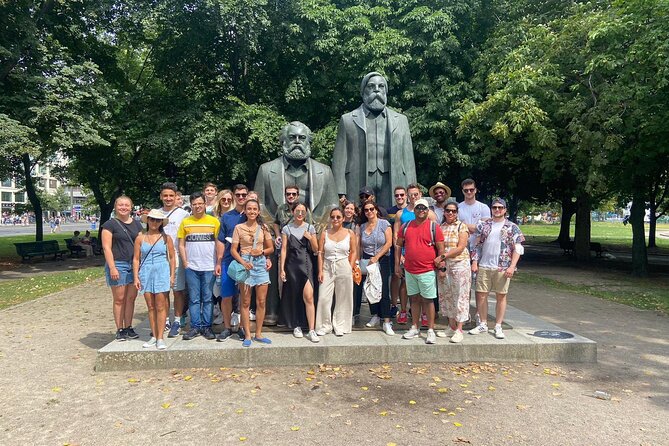
This tour is only as good as the way it’s told, and the guide performances here seem to be the biggest differentiator. Names that show up in past experiences include Miguel, praised for being passionate, hospitable, and funny, and Arthur, praised for humor and patience.
I love tours where a guide does not just speak at you. This one leans into interaction, with guides able to go deep on follow-up questions from the group. That changes what you get. If you want to focus on WWII surrender and the endgame, you can usually steer the conversation. If you want more Cold War context, you can steer it that way too.
Another practical benefit from these guides: tips for restaurants, bars, and books. Berlin has a lot of history-themed reading and a lot of places that feel touristy but expensive. Having a guide point you toward better options saves time and helps you keep your day feeling like more than just a museum circuit.
Just keep expectations realistic. The tour style can be more of a guided overview than a “name every unit and every tactic” session. If that is what you want, you might prefer pairing this with one focused museum visit on a separate day.
How long should you plan: it’s a half-day walk, not a quick hit
The schedule is built from multiple short stops, so it can trick you into thinking you can do it casually. Still, the tour is listed as about 6 hours, and even within that window, the walking adds up.
Some people have reported different total times, so think in terms of range rather than a stopwatch. Either way, wear shoes you can handle for hours, and do not plan a strenuous second activity immediately afterward.
This is also a good day to think about your energy management. If you need a longer break, you’ll want to plan it yourself because the official stop lengths are set. The tour does mention that you should expect to stop for drinks along the way, but beverages and snacks are not included, so it helps to be ready.
If it is cloudy or rainy, slow down on turns, watch the ground, and keep a small umbrella plan. Berlin pavement can be slick and you will cover a lot of it.
Value for money: what $35.64 buys you in Berlin history time
At $35.64 per person, the biggest value is not only the guide, but the way the route stitches together a long timeline across several major sites. A lot of Berlin history is scattered, and without help it is easy to bounce from one landmark to another with weak connections.
Here, you get:
- A structured route through WWII era settings and Cold War Wall sites
- Free admission tickets for the listed stops, which prevents budget surprises
- Guided context that helps you map what you see to what it meant
Is it cheap? For a six-hour guided walk with multiple stops and free entry tickets, it’s a fair deal. It also tends to be a good fit for your first days in Berlin when you want context fast, without spending hours researching transit and entrances.
The main “cost” you pay is effort. You trade personal downtime for a dense day on foot. If you like slow museum wandering, you might find the format a bit packed. If you like moving and learning while walking, this price makes a lot of sense.
Who should book this tour, and who should consider something else
I think this works best for you if:
- You want Berlin’s WWII to Cold War story in a single day
- You like learning from a guide and asking questions
- You want to see Wall reminders across different parts of the city, not just one famous spot
I would consider a different approach if:
- You need ultra-detailed, technical battle history for every stop
- You hate walking and want a mostly sit-down experience
- You want long independent time in museums, since the stops are short
If you do book, you’ll get a lot more out of it if you come in with a light framework of dates and themes. The guide can supply the depth, but it helps if you already know whether you’re trying to understand Nazi Germany, the Soviet-American divide, or the human stories of escape.
FAQ
How long is the Berlin Cold War and World War II Third Reich walking tour?
The tour duration is listed as approximately 6 hours.
Where does the tour start and where does it end?
It starts at Generator Berlin Alexanderplatz, Otto-Braun-Straße 65, 10178 Berlin, Germany. It ends back at the same meeting point.
What time does the tour start?
The start time is 12:00 pm.
What is included in the tour price?
The tour includes a local guide. Admission tickets are listed as free for the stops mentioned in the itinerary.
Are beverages and snacks included?
No. Beverages and snacks are not included.
Does the tour run in all weather?
Yes. It operates in all weather conditions, so dress appropriately.
What group size should I expect?
The tour has a maximum of 100 travelers.
Is free cancellation available?
Yes. You can cancel up to 24 hours in advance for a full refund. If you cancel less than 24 hours before the start time, the amount paid is not refunded.
More Walking Tours in Berlin
- Discover Berlin Half-Day Walking Tour
★ 5.0 · 9,624 reviews - Berlin: Discover Berlin Walking Tour
★ 4.9 · 5,998 reviews - Berlin: Hidden Backyards Guided Walking Tour
★ 4.8 · 5,360 reviews - Berlin: Alternative Berlin Walking Tour
★ 4.6 · 1,204 reviews
Recently added around Berlin
- Where It All Began: Berlin’s Queer & Trans History Tour★ 4.9 · 6 reviews
- Ultimate E-Bike Tour of Berlin with Beer Garden Stop★ 5.0 · 4 reviews
- Berlin: guided canoe | kayaktour★ 4.1 · 7 reviews
- Understanding Kreuzberg: The roots of local (sub)culture★ 4.9 · 11 reviews
- Warnemuende Shore Excursion: Private Berlin Tour★ 4.5 · 27 reviews
- Your ticket to The Wall Museum Berlin★ 3.0 · 60 reviews
- Love and War in Berlin: Self-Guided Story Puzzle Walk★ 5.0 · 7 reviews
- eSIM for Germany and 34 European Countries★ 4.5 · 16 reviews
Third Reich & WW2 History Walks, compared.
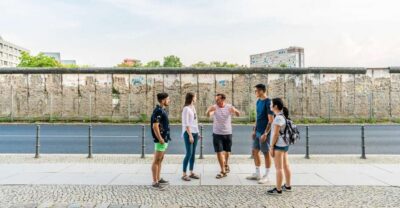
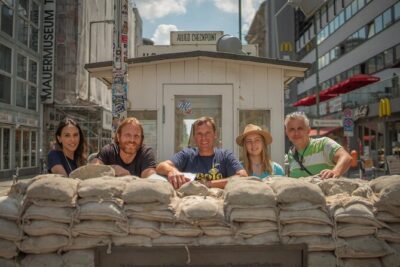
Berlin’s Best: 2 Hour Walking Tour Third Reich and the Cold War
Read our review →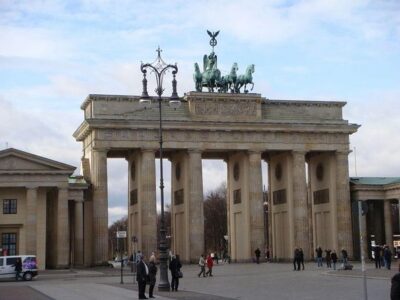
Third Reich Berlin: Hitler and WWII Walking Tour
Read our review →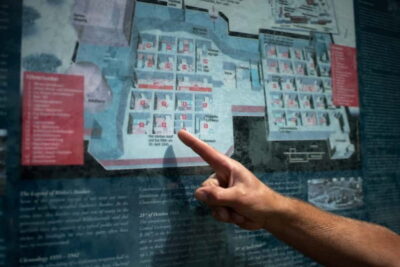

Berlin Third Reich Sites: Half-Day Walking Tour
Read our review →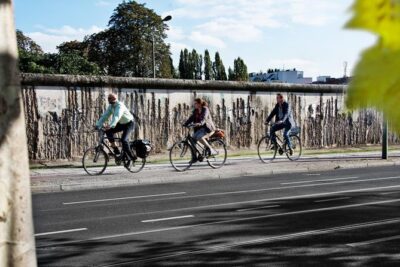
Guided Bike Tour of the Berlin Wall and Third Reich
Read our review →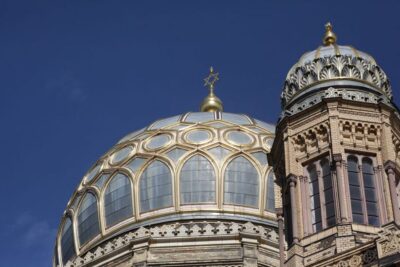
Hitler’s Germany: Berlin During the Third Reich & WWII
Read our review →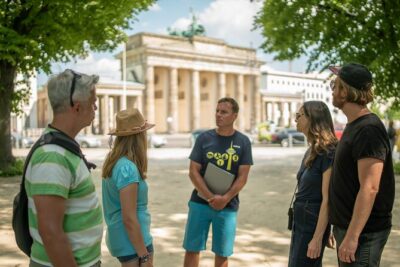
Private Walking Tour Berlin Third Reich Hitler and World War II
Read our review →Browse the lists this tour appears in