
Reviewed · KREUZBERG & FRIEDRICHSHAIN TOURS
Understanding Kreuzberg: The roots of local (sub)culture
What makes this Kreuzberg tour interesting is that it explains subculture as something practical, a set of values you can still spot on the streets. I especially like the way it connects the squatter legacy to what you see today.
I also like the pacing, with a real neighborhood break built in. You’ll stop at Berlin Chocolatiérs for hot chocolate at Rio-Reiser-Platz, then keep walking with clearer context. One drawback to consider: this is not a checklist of famous monuments, so if you only want big sightseeing hits, you may feel a bit outside the comfort zone.
Key things you’ll notice on this Kreuzberg tour
- Squatter-era values that still show up in everyday life
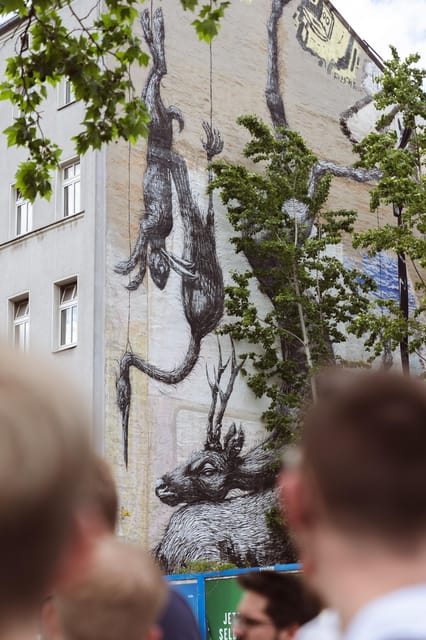
- Street art and backyards discussed with social context, not just photos
- Wall years stories and what changed after (and what didn’t)
- Collaborative projects focused on social and environmental goals
- A chocolate stop at Rio-Reiser-Platz that ties the whole theme together
Kreuzberg subcultures, explained like real life, not a slogan
Kreuzberg has a reputation for creativity, underground scenes, and artists from everywhere. The tour’s main idea is simple: those vibes did not appear out of nowhere. They grew from specific local pressures, fights over space, and people building their own “rules” when official options were limited.
You’ll learn how the 1970s still echoes in today’s culture. It’s not just nostalgia. The tour frames subculture as a working method, a way people organize, share, and push for change, even when the city around them shifts.
And yes, there’s an important mindset behind it: you’re not only looking at buildings, you’re reading a social story. That makes the neighborhood feel more legible as you go.
More Kreuzberg and Friedrichshain tours:
- Kreuzberg: Culinary Food Tour
★ 4.5 · 770 reviews - Berlin: Kreuzberg Guided Walking Evening Tour
★ 4.7 · 555 reviews - Berlin: Alternative Bike Tour of Kreuzberg & Friedrichshain
★ 4.7 · 548 reviews
Starting near Ostbahnhof, ending near Kottbusser Tor
The tour begins at the YAAM area close to Ostbahnhof, right by the entrance. From there, you’ll start moving through Kreuzberg, eventually finishing near U Kottbusser Tor. This end point is handy because it drops you close to lots of onward transit options.
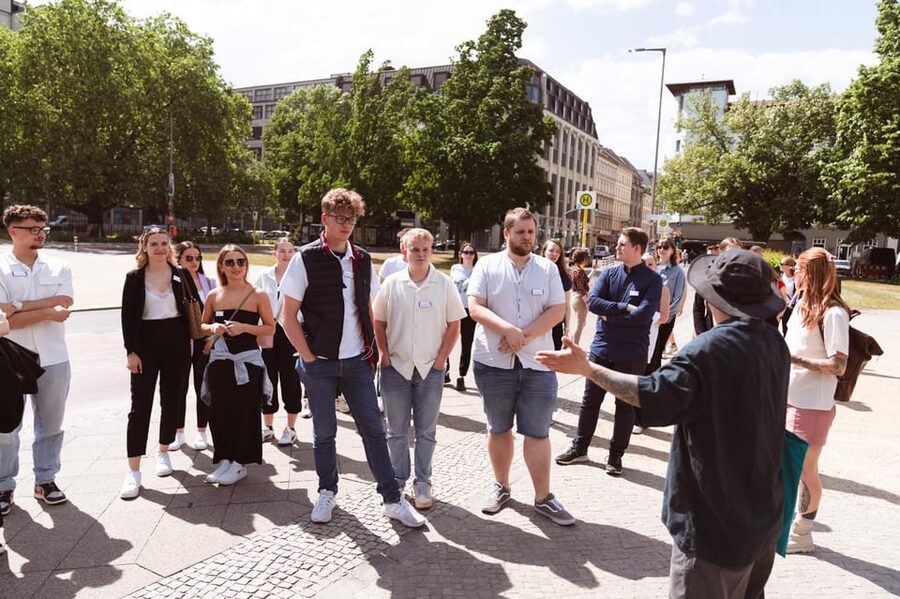
The walk is not rushed. The route includes two guided segments of about 1.5 hours each, plus a shorter photo moment and a short break. If you like to keep your head up, watch how people use public space, and ask questions when something feels unusual, this format fits you.
The small details matter here. Kreuzberg is full of “in-between” spaces, like courtyards and side lanes. The tour’s structure gives you time to notice them rather than only passing by at speed.
YAAM to the first sights: getting oriented fast
Right away, you’ll be introduced to Kreuzberg’s core identity: creativity mixed with activism, and a history tied to people who didn’t fit the mainstream script. That matters because Kreuzberg can look chaotic if you only know Berlin’s usual tourist storyline. Within the first part of the walk, you’ll start connecting the dots.
You’ll cover a stretch that includes scenic views along the way, so it’s not all narrow streets. This is one of the reasons I like this tour style. It gives your eyes a break while you’re still learning, so the history doesn’t feel like a lecture happening in one place.
You’ll also get a sense of the “why” behind the area’s identity. The tour highlights factors like squatting, activism, and experimental arts, and explains how those themes influenced daily life rather than staying only in underground circles.
Practical note: wear comfortable shoes. You’re walking most of the time, and the most interesting parts of Kreuzberg are often the ones you can’t speed-run.
Reading the district through the squatter scene and its legacy
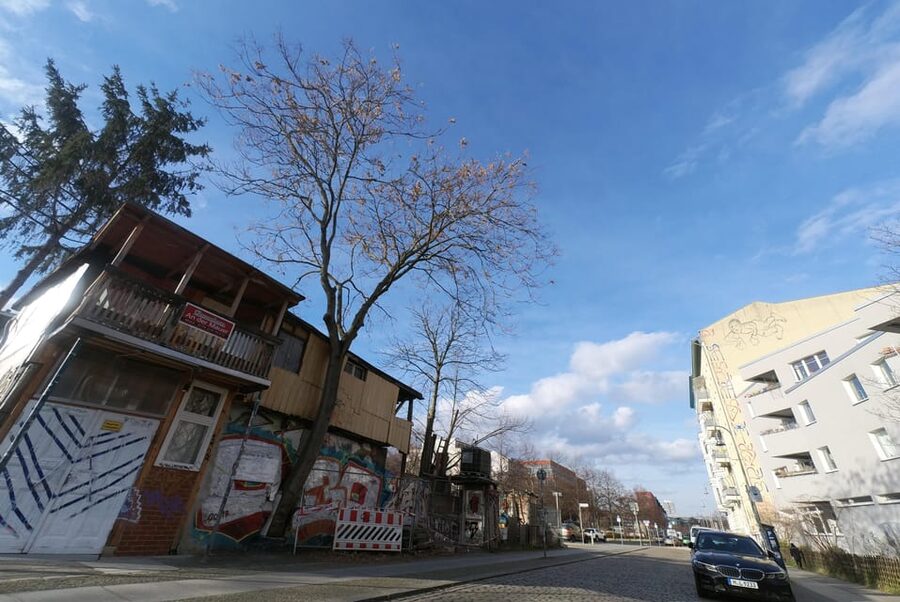
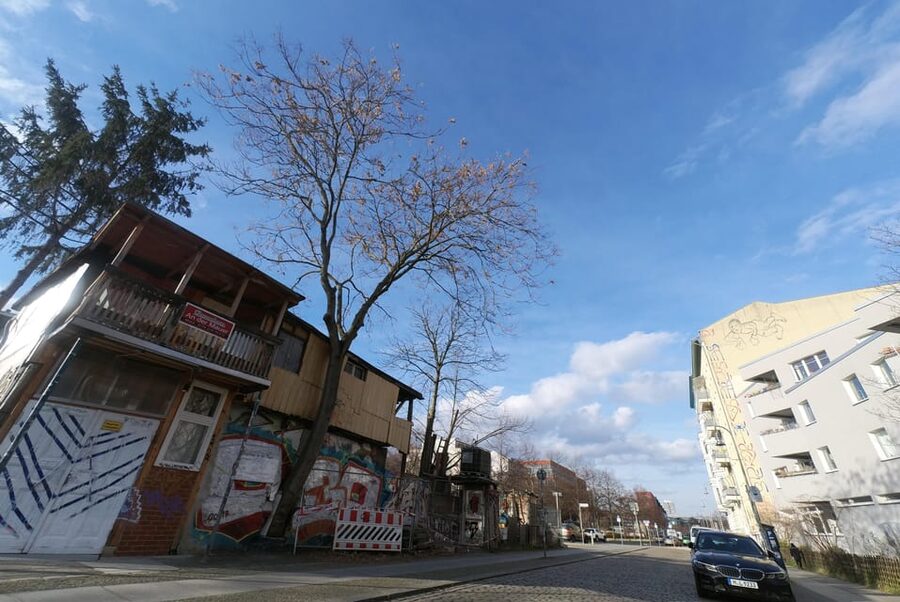
A big part of why Kreuzberg became what it is comes from the squatter movement. On this tour, that topic is treated as more than a historical headline. It’s presented as an approach to living in a city: negotiating for space, building community, and creating alternatives when institutions move too slowly.
You’ll learn how values from that era continue to influence residents today. That might sound abstract, but the tour keeps bringing it back to what you can actually see and experience. For example, you’ll notice how community-oriented projects and shared spaces can shape a neighborhood’s mood.
This is also where Kreuzberg’s international reputation makes sense. When a district attracts people who want to experiment, share, and organize, you end up with a creative magnet effect. Over decades, that can become self-reinforcing.
Still in Berlin, but a different kind of day:
- Berlin: Reichstag, Dome and Government District Guided Tour
★ 4.7 · 18,288 reviews - Berlin: 1-Hour City Tour by Boat with Guaranteed Seating
★ 4.3 · 16,993 reviews - Berlin: Boat Tour Along the River Spree
★ 4.4 · 11,252 reviews - Discover Berlin Half-Day Walking Tour
★ 5.0 · 9,624 reviews
Hidden backyards and street art with context
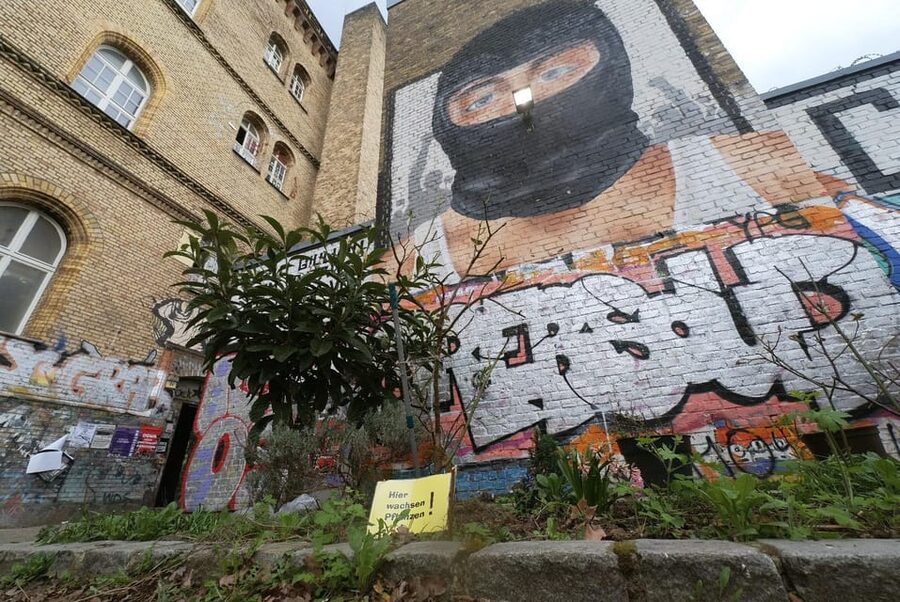
One reason this tour stands apart from the usual “look at that wall” approach is that street art and courtyard culture are discussed as part of the social system. Yes, you’ll see examples of street art. But you’ll also hear how the art connects to local stories and to who gets to speak in public space.
The tour includes moments where you can look into hidden backyards. Those spots are crucial in Kreuzberg. They show how the neighborhood often works less like a straight grid and more like a patchwork of private and shared spaces.
If you’re the type who likes photos, you’ll have a built-in moment for that. A designated photo stop helps you slow down without feeling like you’re holding up the group.
What to watch for: look for clues of community use. Seating, small gardens, hand-painted signs, and the way people treat doorways and courtyards as part of everyday life.
The Rio-Reiser-Platz break and the hot chocolate stop
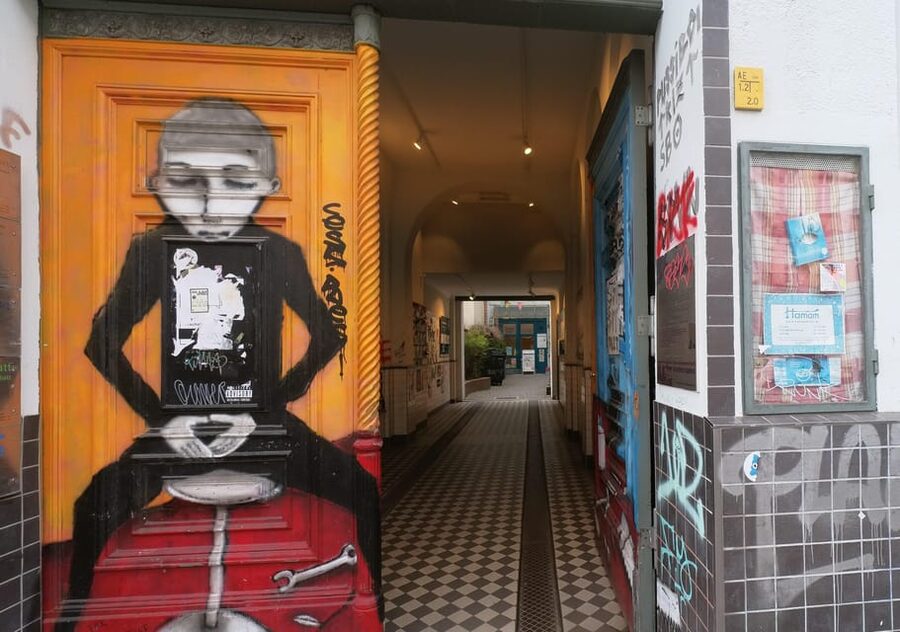
At some point during the walk, you’ll reach Rio-Reiser-Platz and take a break. The tour treats this pause as part of the experience, not a random recharge.
Then comes the signature stop: chocolate from Berlin Chocolatiérs. The tour highlights the hot chocolate as the best in town, which is the kind of claim you can take with a grain of salt, but the logic is solid. If you’re learning about Kreuzberg’s alternative culture, you should also taste something local and slightly off the mainstream path.
This break also helps you reset your attention. Kreuzberg history includes heavy themes, like the pressure around housing and life during the Wall era. Having a warm drink at the right moment keeps the tour feeling human.
Tip: when you sit down, don’t just sip. Glance around. This square area gives you a broader view before you return to side streets and small-scale scenes.
Wall-era stories and what changed after
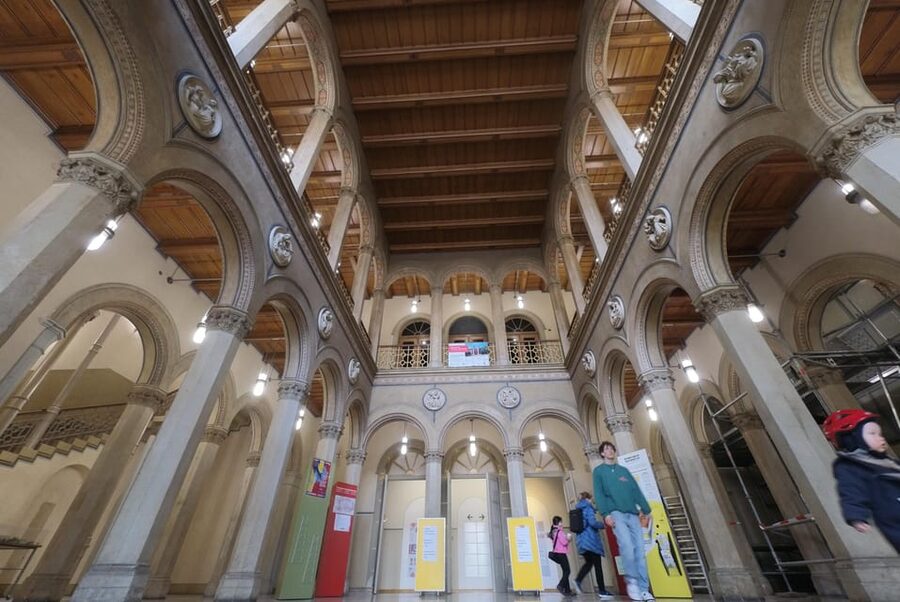
Kreuzberg is inseparable from Berlin’s split past. The tour includes stories about life during the Wall and after, told in a way that helps you understand why certain neighborhoods developed strong identities.
This isn’t just about geography. It’s about how barriers shape communities. When a city is divided, the distance between official power and everyday life can feel bigger. That can push people toward mutual support, creative solutions, and activism at street level.
Hearing those stories while you walk makes the present-day district feel less like a theme park. You’re not only seeing where something happened, you’re seeing how the consequences of that era still color local culture.
How locals shape Kreuzberg now, not just then
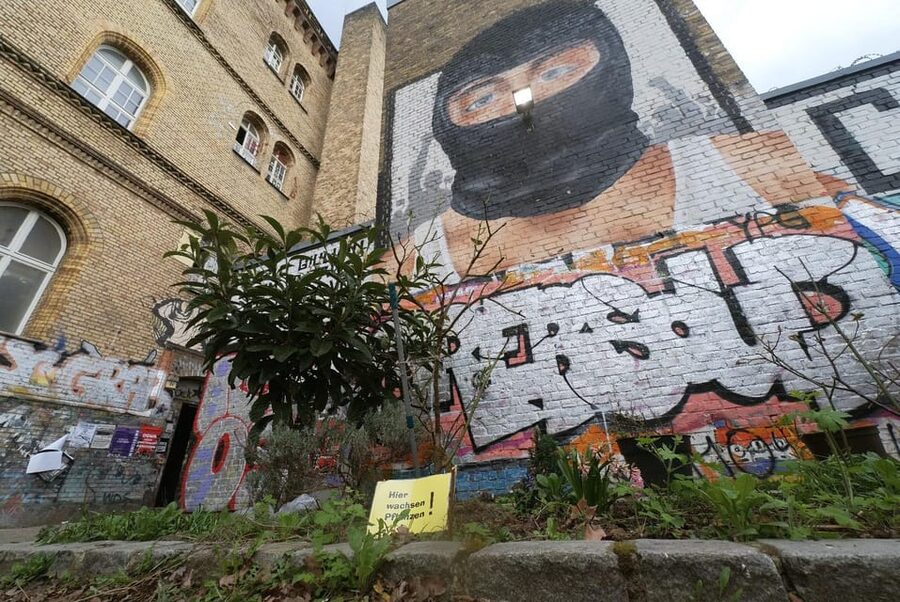
The tour doesn’t freeze Kreuzberg in the past. It connects the earlier subculture energy to today’s local efforts, including social and environmental projects organized by residents.
This is where the phrase community matters in a concrete way. The tour focuses on how people shape the district together through initiatives that improve daily life, not only through performance or art.
If you’ve ever wondered how a neighborhood stays interesting for decades, you’ll appreciate this angle. It’s not luck. It’s people choosing to keep building, even after the original political moment has moved on.
You’ll also get a clearer sense of the district’s “down-to-earth utopia” idea. That does not mean everything is perfect. It means the neighborhood has a tradition of trying to make life work through collaboration and creativity.
Who the guide is and what you should ask
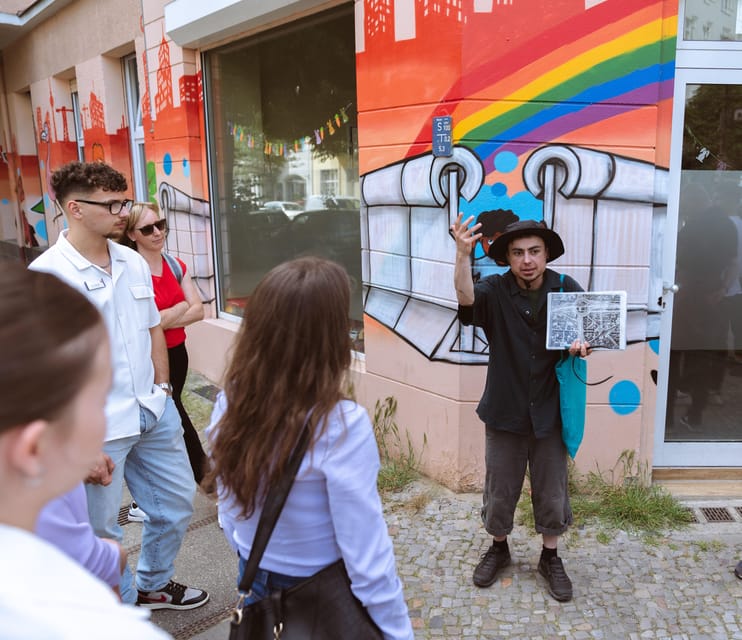
The tour is led by an experienced local guide speaking English, German, and Russian. One guide name that comes up is Lee, and the throughline of his style is that he brings personal insights into the story of places, not just dates.
Even if your guide is different, use this as your cheat code. When something catches your attention, ask a quick follow-up. Questions like these often work well:
- Why does this spot feel like it’s used by locals?
- What was happening here during the Wall years?
- Where would you go next for food or a follow-up walk?
The best part of having a local guide is the momentum they give you after the tour ends. You’re not just leaving with facts. You’re leaving with a plan.
Timing, walking comfort, and how to make the most of the route
The tour runs for about 2 hours to 210 minutes, depending on the starting time and the group’s pace. Expect a walking-heavy experience because it includes long guided segments, a photo stop, and a short break.
Plan to go with:
- Comfortable shoes (you’ll be on your feet most of the time)
- A camera ready for street art and courtyard moments
- A willingness to slow down and look closely
Because there’s a short free-time window, you can also use that for a quick bathroom break or to grab water. Just don’t disappear too long, the tour timing keeps the story moving.
Weather matters in Berlin. If it’s rainy, you’ll still want a light layer that keeps you moving. The tour’s value is in seeing everyday spaces, not only distant views, so you’ll likely be outside for much of it.
Price: what $35 buys you in real value
At $35 per person, this is a fair price for a focused, guided walk lasting up to around 3.5 hours. The cost includes a hot beverage, with options like chocolate, coffee, or tea, provided in collaboration with a local small business.
That inclusion is more than a snack perk. In this kind of tour, the break is part of the storytelling rhythm. It gives you a reset and ties the theme to real local culture through the drink stop.
You also get a guide who can connect history to what you’re standing next to. That is often where value shows up, because reading about Kreuzberg online is not the same as walking it with someone who can explain how the neighborhood’s past turns into today’s habits.
If you’re comparing to generic “Berlin basics” walking tours, this one leans into neighborhood logic: who lived here, what they fought for, and why the streets still reflect those choices.
Is this Kreuzberg tour for you?
This tour is a great match if you want Berlin beyond the postcard list. You’ll enjoy it if you like:
- Street-level history and social context
- Squatter and activism stories that connect to today
- Street art, courtyards, and small-scale spaces
- A walk that ends with better ways to explore on your own
It may not be the best fit if you mainly want big monuments and high-drama sightseeing. This experience is built around everyday Kreuzberg, and that means less time chasing famous landmarks.
Should you book? My practical take
I think you should book this tour if your goal is to understand why Kreuzberg feels the way it does. The combination of squatter heritage, Wall-era stories, local projects, and that stop for hot chocolate at Rio-Reiser-Platz makes it feel like a complete neighborhood portrait.
If you’re short on time and only want top-ticket sights, skip it. But if you’re in Berlin for more than a quick stop, this is the type of tour that changes how you see the streets afterward.
FAQ
Where is the meeting point for the Kreuzberg tour?
You meet in front of the YAAM entrance, very close to Ostbahnhof.
How long is the tour?
The duration is listed as 2 hours to 210 minutes.
What is included in the price?
The guided tour includes 1 hot beverage (chocolate, coffee, or tea) in collaboration with a local small business.
What languages are available?
The live tour guide is available in English, German, and Russian.
Is the tour wheelchair accessible?
Yes, the tour is wheelchair accessible.
Is there a private group option?
Yes, private group availability is offered.
Recently added around Berlin
- Ultimate E-Bike Tour of Berlin with Beer Garden Stop★ 5.0 · 4 reviews
- Berlin: guided canoe | kayaktour★ 4.1 · 7 reviews
- Where It All Began: Berlin’s Queer & Trans History Tour★ 4.9 · 6 reviews
- Warnemuende Shore Excursion: Private Berlin Tour★ 4.5 · 27 reviews
- Your ticket to The Wall Museum Berlin★ 3.0 · 60 reviews
- Love and War in Berlin: Self-Guided Story Puzzle Walk★ 5.0 · 7 reviews
- eSIM for Germany and 34 European Countries★ 4.5 · 16 reviews
- Walking on the Wall: 3-Hour Tour in Berlin★ 4.5 · 34 reviews
Kreuzberg & Friedrichshain Tours, compared.
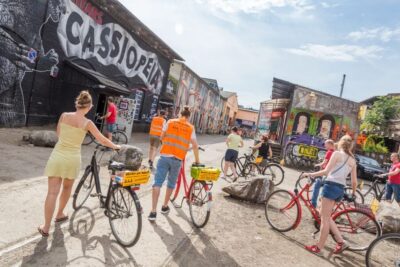
Alternative Bike Tour of Kreuzberg & Friedrichshain
Read our review →
Berlin Off-the-Beaten-Path Walking Tour: Kreuzberg, Mitte and Friedrichshain
Read our review →
Kreuzberg Berlin: Off the Beaten Track PRIVATE Walking Tour
Read our review →
Experience the Alternative Kreuzberg on a Bike Tour
Read our review →Browse the lists this tour appears in