
Reviewed · THIRD REICH & WW2 HISTORY WALKS
Berlin: Third Reich & Cold War Walking Tour
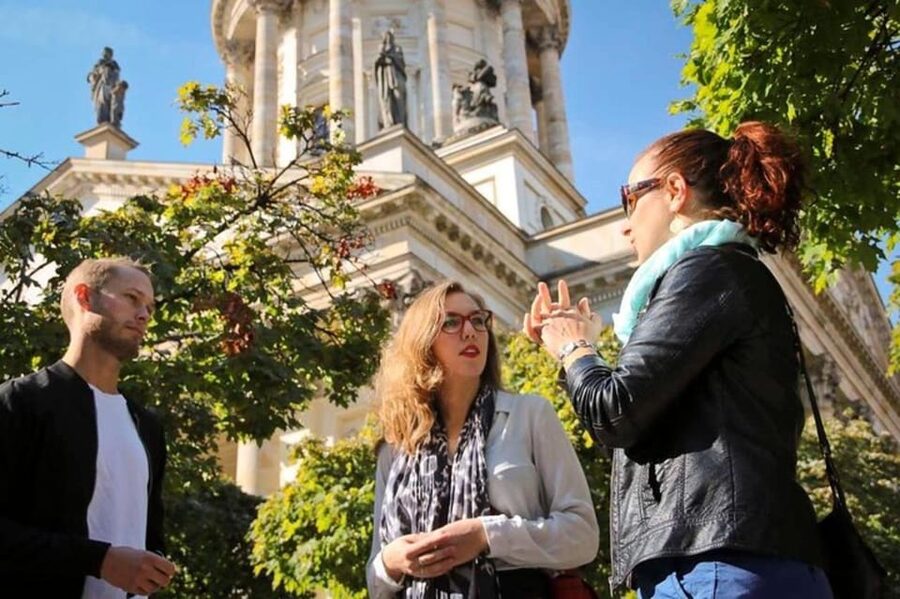
Berlin’s modern story is written in stone, walls, and buildings you can still stand beside today. This private walking tour strings those places together in a way that helps the names and dates click, from the Nazi era to the Berlin Wall years.
I love that the route hits the exact landmarks you actually want to see, including the Brandenburg Gate, Holocaust Memorial, Hitler’s bunker site, and Checkpoint Charlie. I also like that you get a real live guide who can answer questions, including in French, and you can steer the focus through a customizable conversation.
The main drawback is the subject matter is heavy. You will cover sites tied to genocide and wartime crimes, so it helps to go in ready for a more serious tone than a typical sightseeing walk.
Key highlights you should know before you go
- Private and exclusive: your guide is not juggling another group, so questions are practical, not rushed
- 2 hours, tightly focused: you see a lot of Berlin’s turning points without turning it into a half-day ordeal
- Top stops are real and specific: Brandenburg Gate, Reichstag, the Holocaust Memorial, bunker site area, Topography of Terror, Checkpoint Charlie
- Short on logistics, long on meaning: the guide connects each location to what happened there, and why it matters
- Language support: live guiding in English, French, or Spanish
- Berlin local advice built in: guides such as Eugen (French-speaking, clear and friendly) and Carlo (Berlin-based, offering neighborhood and eating suggestions) tend to go beyond facts
Why this Berlin walking tour is more than a list of sights
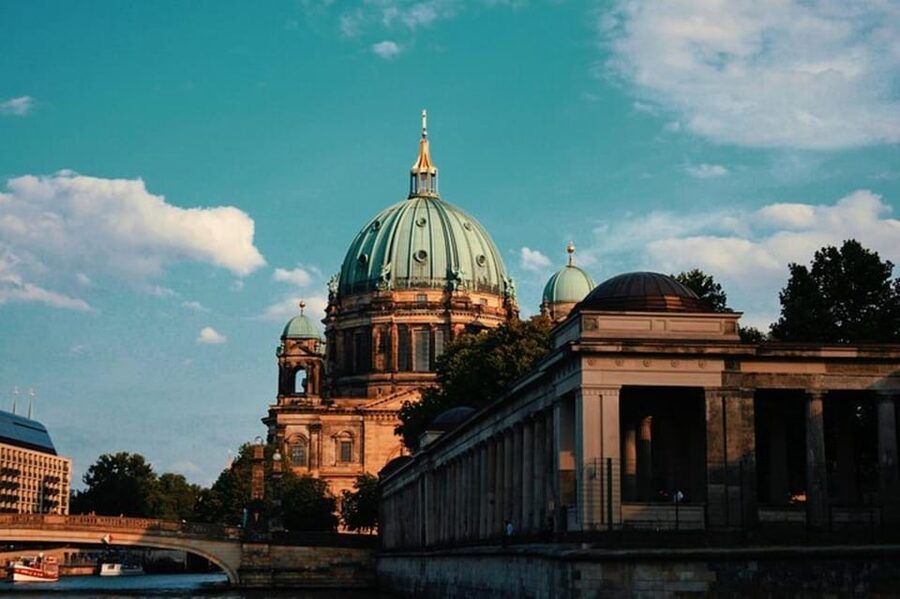
Berlin can feel like a “now and then” city. You look left, you see offices and museums. You look right, you see memorials and places that still carry the weight of what happened. This tour works because it does not treat history like trivia. It treats it like geography.
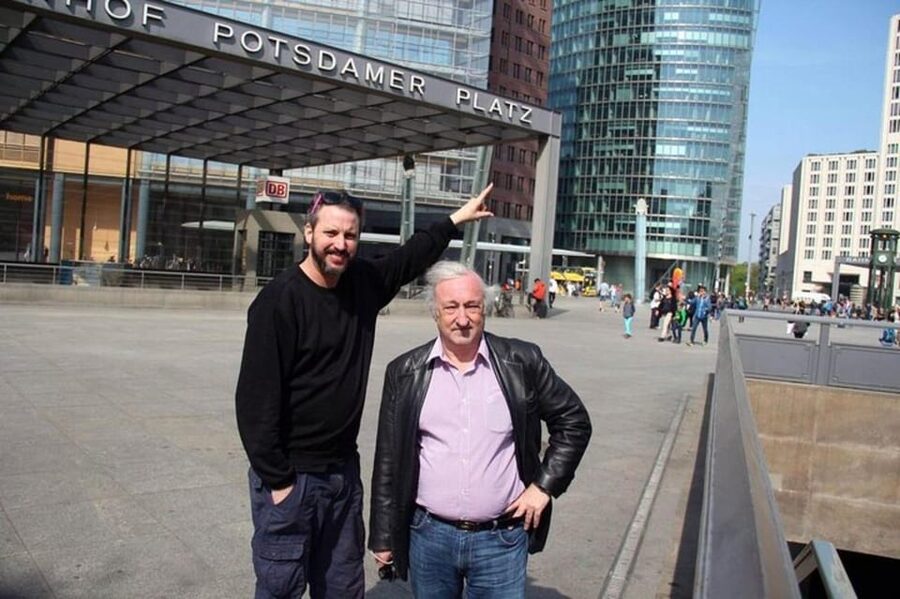
You start at the Hotel Adlon area, at Unter den Linden 77, right near the center of the action. From there, the guide takes you through key political symbols, then shifts into human tragedy, then into the Cold War years when Berlin became a showcase for opposing ideologies. The places are famous, yes. The value is in how the guide explains what you’re seeing and how it ties together.
This also helps if you have only a short time in Berlin. Two hours is enough to get the storyline down, without forcing you to cram a dozen unrelated stops. And because it’s private, you can move at a pace that matches your interests, whether you want more context at the memorials or more time at the wall-era sites.
Other Third Reich and WW2 history walks in Berlin:
- Berlin: Third Reich and Cold War 2 Hour Walking Tour
★ 4.9 · 6,830 reviews - Berlin’s Best: 2 Hour Walking Tour Third Reich and the Cold War
★ 5.0 · 5,486 reviews - Third Reich Berlin: Hitler and WWII Walking Tour
★ 5.0 · 3,301 reviews
Meeting at the Hotel Adlon area and how the timing usually feels
Your tour begins in front of Wellendorff Berlin, at the Hotel Adlon area, on Unter den Linden 77. That’s a smart starting spot because it sets you up near the biggest “start here” landmarks. It also keeps the walk from feeling like a long trek across the city.
The overall duration is about 2 hours, and you’ll spend that time walking and using public transport if needed. That matters because Berlin’s central sights are close, but not always in a straight line. Using transit for the short hops keeps the tour tight and prevents you from losing half your time to street crossings and detours.
You’ll also get ticket-booking help from the team for the visits you want. That is not about comfort theater. It’s about saving your brainpower. For sites that can require timed entry, having support reduces the stress of trying to manage everything yourself on the fly.
If you care about accessibility, this tour is listed as wheelchair accessible, which is a big plus in a city where curb cuts and uneven sidewalks can throw off plans.
Brandenburg Gate to the Reichstag: Germany’s unity, then Germany’s downfall
The Brandenburg Gate is the obvious first star. It’s also the perfect place to start because it symbolizes German unity and state power, and its meaning shifts depending on the era. The guide sets you up to notice that a landmark can carry different messages as politics changes.
From there, you head to the Reichstag, Germany’s Parliament building. In this part of the tour, the focus is not architecture for architecture’s sake. It’s the building’s role during the Nazi dictatorship, and the way political power works when institutions are used to control people.
I like how this segment frames “how a country could fall” without turning it into a vague lecture. You get context you can visualize while standing at the actual locations. That makes it easier to understand why the story from the Third Reich is not just about leaders, but about how a society’s rules and systems can be twisted.
One thing to consider: the Reichstag and nearby areas can be busy. Going at a guided walking pace helps you get the sense of place even when you cannot linger as long as you might want.
Memorial to the Murdered Jews of Europe: how the guide makes it personal
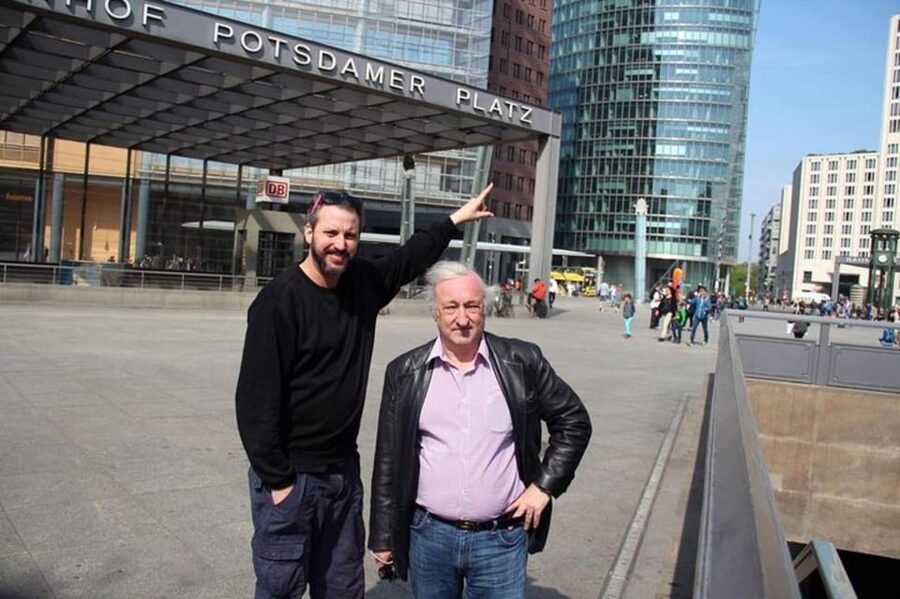
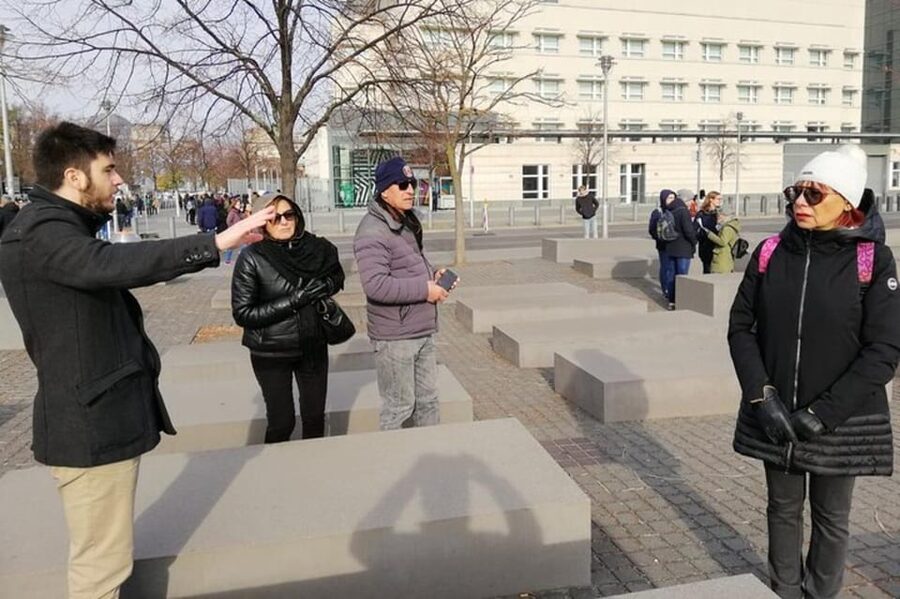
Next comes the Memorial to the Murdered Jews of Europe. This is one of those places where you really do need the guide’s structure, because your brain tends to either race ahead or shut down.
The value here is in interpretation. The guide helps you understand what you’re looking at and why it’s arranged the way it is, so the memorial feels like a message rather than just an image.
You’ll get space to absorb it, but you will not be left alone with a “read this however you want” approach. Instead, you get guidance that connects the memorial to the victims it represents. That is the difference between seeing a famous site and actually understanding what the site is meant to communicate.
Because this stop is emotionally intense, I recommend going into it with a little mental room. If you are the kind of person who needs time to reflect, you can ask the guide to slow down here or to point out what to focus on in the space.
More Berlin Wall and Cold War tours in Berlin:
- Skip-the-Line: Berlin Wall Museum at Checkpoint Charlie
★ 4.1 · 2,041 reviews - Berlin: 2.5-Hour East Side Boat Cruise with Commentary
★ 4.4 · 2,016 reviews - Berlin: East Side Gallery Spree Cruise in a Solar Catamaran
★ 4.0 · 1,039 reviews - Cold War, Berlin Wall, Spies and the East Side Gallery
★ 5.0 · 1,024 reviews
Hitler’s bunker site: the last days, told with care
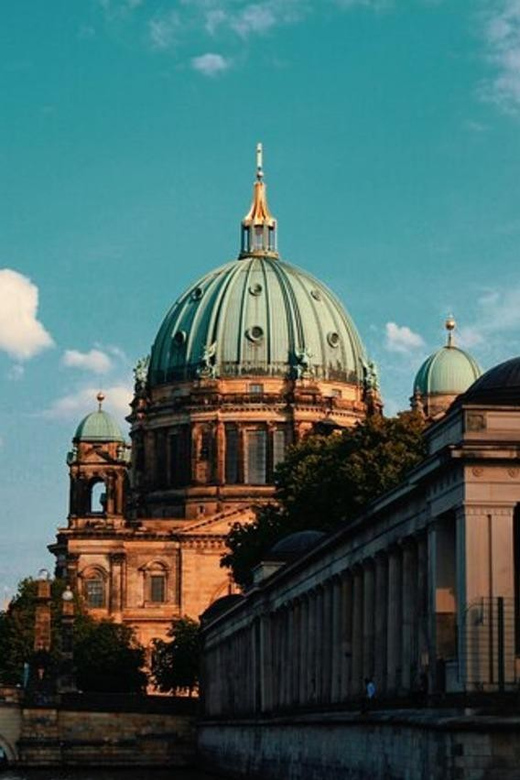
Then you move to the area associated with Hitler’s bunker. This is where the tour shifts into the final days of World War II, including Hitler’s suicide.
This stop matters because it connects the broader Nazi era to its endgame. You are not just hearing that the war ended. You’re learning what the “end” looked like on the ground in Berlin and how events unfolded at the close of the conflict.
A potential drawback, and I’ll be blunt about it, is that some people find this part of the tour too intense for their energy level, especially if you planned a quick, casual afternoon. If that’s you, it can still be worth it, but treat it as the heavy centerpiece of your day, not something you rush past.
The good news: a private guide can adapt. If you want to move more quickly through this section while still learning the key points, you can do that with the flexibility that shared group tours often lack.
Topography of Terror: Gestapo and SS and why the details matter
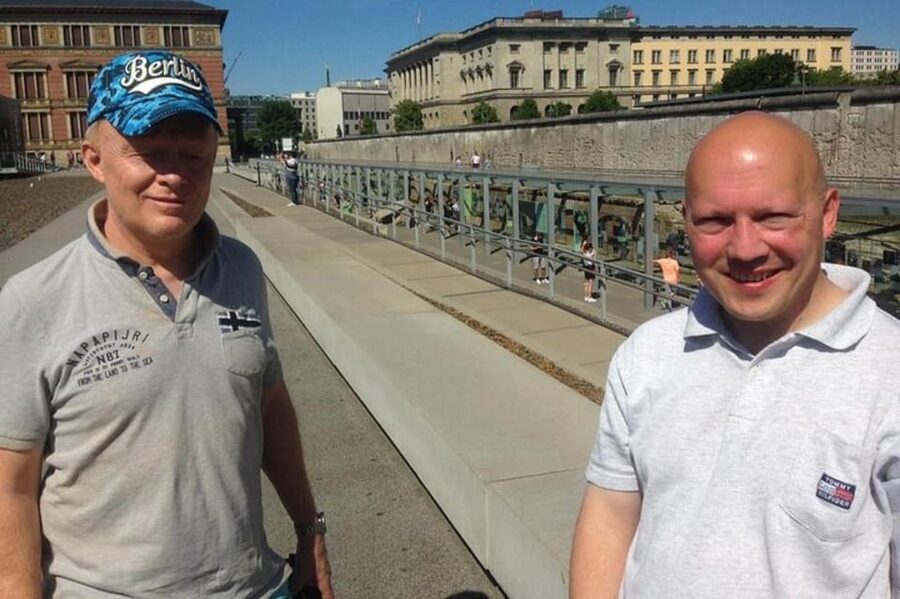
After the bunker site, the tour goes to Topography of Terror, located on the former Gestapo and SS headquarters site. This is where Berlin’s layers of violence and state repression become very concrete.
You’ll learn about the crimes committed during World War II, tied to the institutions that operated here. The guide helps you understand how these organizations functioned, not just that atrocities happened.
I like this stop because it gives you the “mechanism” side of history. When you have political context from earlier, and you then learn about the headquarters tied to repression, the story becomes more complete. It is still tragic, but it is clearer. You can trace how power moved from ideology to action.
Also, Topography of Terror can be a place where people want to read everything. A walking tour has limits, so the guide’s job is to focus your attention on what gives you the biggest understanding per minute. If you want deeper reading later, this tour serves as a strong orientation first.
Berlin Wall stories up to Checkpoint Charlie: the Cold War in street-level form
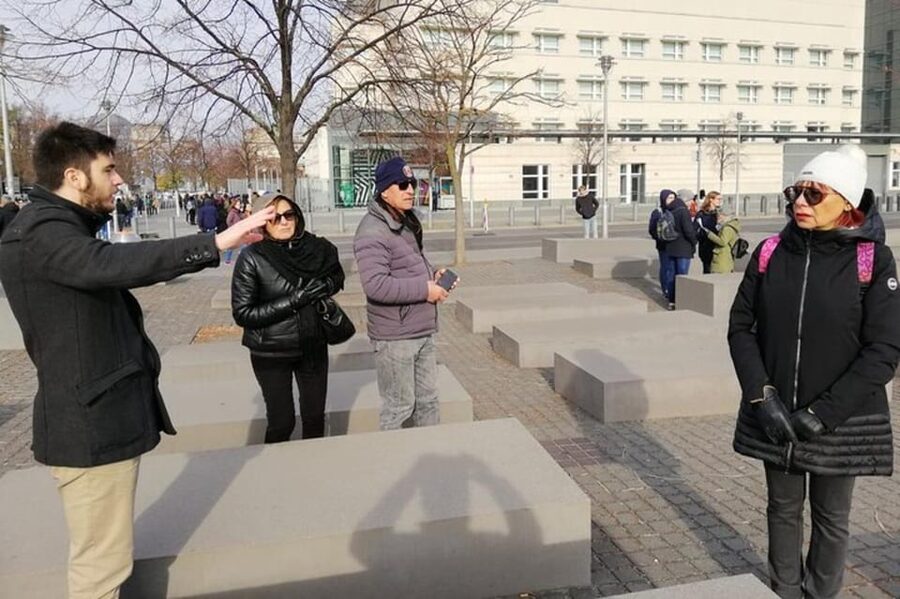
The tour spends real time on the Berlin Wall story, including its construction in 1961 and daring escapes over the Wall. This part helps you see that the Wall was not just a physical barrier. It was a human boundary that changed everyday life.
When you reach Checkpoint Charlie, you’re at one of the most recognizable symbols of the Wall era. The guide explains the standoff between Soviet and American forces in 1961, and then connects it to the fall of the Berlin Wall in 1989.
This ending matters for a simple reason: unity is not just an abstract “good thing.” Berlin shows what unity looked like when divided, and what change looked like when the division ended. The guide leaves you with a better grasp of how Berlin came to terms with its past, not by forgetting, but by facing it with institutions, memorials, and public learning.
If you love photos, this ending is great too. Checkpoint Charlie is photogenic, but the guide helps you capture more than a postcard. You understand the stakes behind the photo.
Price and value: what you get for $35 and why the private format matters
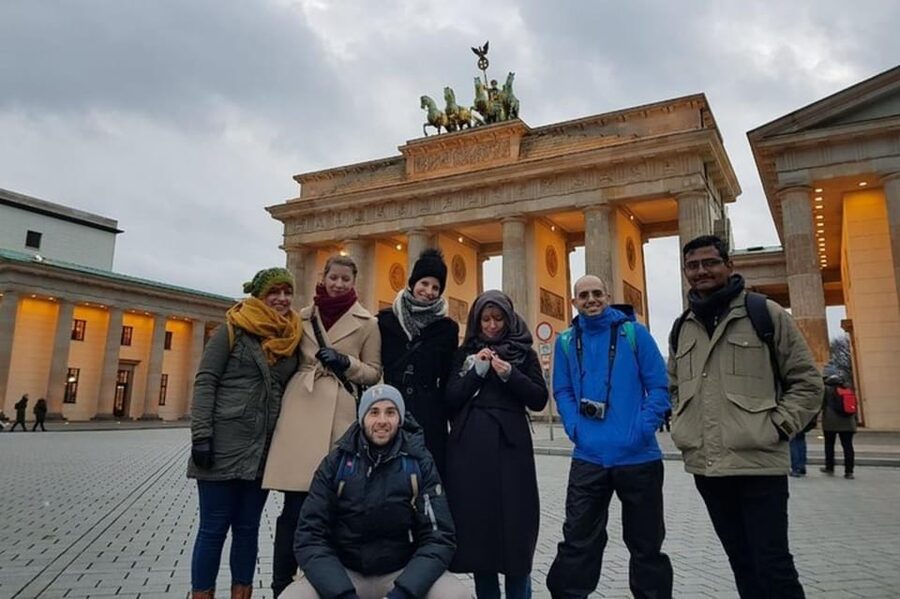
At $35 per person for a 2-hour private walking tour, this can be excellent value, especially if you want more from history than a quick drive-by.
The key is that it’s private and exclusive, meaning your guide is working only for you. That makes a difference when the topic is complex. In Nazi-era and Cold War history, you often have questions like How did this work? Why here? What changed after that? With a shared group, those answers can get cut short. Here, you can get clearer, more complete responses.
You also get included walking and public transport (with exceptions if you select an option), plus team help booking tickets for visits you want. That adds up because it reduces friction. You spend your energy on understanding, not on figuring out logistics.
In short, if your priority is getting the timeline right and connecting each place to meaning, this format is a solid bargain. If you just want general sightseeing with minimal talking, a cheaper self-guided option might suit you better.
What this tour does best, based on guide quality
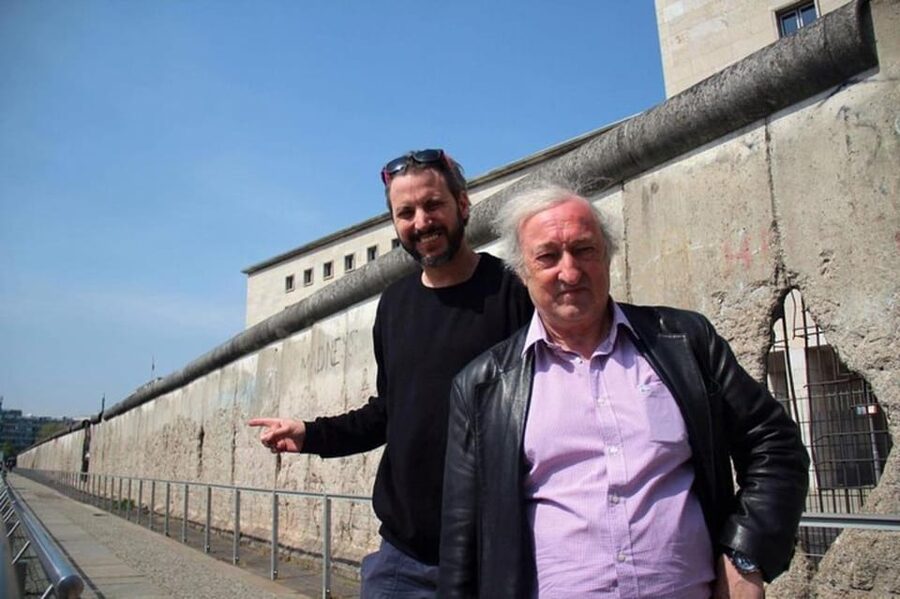
One of the strongest signals from the guide experiences is how much they focus on clarity and conversation. In particular, French-speaking guides like Eugen are described as didactic and friendly, and guides such as Carlo, who lives in Berlin, tend to answer questions and offer practical ideas for neighborhoods, eating, and local experiences.
That matters because Berlin history is not only about what happened. It’s also about how people live with it now. A good guide helps you move from the past to the present without forcing you to make the connection yourself.
You should also expect flexibility in emphasis. The tour is customizable, so if Brandenburg Gate grabs you, you can spend a bit more time there. If you prefer the Wall era, you can ask for extra detail around Berlin Wall escapes and what Checkpoint Charlie represented.
Who should book this (and who might skip it)
This tour is a strong match if:
- You want a guided storyline of Berlin’s Third Reich to Cold War transition in just 2 hours
- You care about understanding major sites, not only taking pictures
- You like asking questions and getting straight answers in English, French, or Spanish
- You want a guide to help you plan the rest of your Berlin time, including recommendations on where to eat and what areas to check out
You might consider something else if:
- You’re hoping for a light, casual walking tour that skips heavier topics
- You want a self-paced experience where you control every minute with no guide structure
If you do go, bring the right mindset. Wear comfortable shoes. Plan for a serious tone at the memorial and wartime sites. Then you’ll get the full benefit.
Should you book this Third Reich and Cold War walking tour?
Yes, if you want high-impact learning at a pace that fits a short trip. The private format, the core stops (Brandenburg Gate, Reichstag, Holocaust Memorial, bunker site area, Topography of Terror, Checkpoint Charlie), and the chance to ask questions make this a smart use of time.
Book it especially if Berlin is your first stop for this kind of history and you want the timeline made coherent. It’s also a good choice if you value practical guidance for the rest of your day, since a strong guide will help you connect the sights to how to experience the city after.
If you want a gentle intro to Berlin’s darkest chapters, though, you might need to mentally prepare. This tour does not shy away from the truth. That is also why it’s worth doing.
FAQ
How long is the Berlin Third Reich and Cold War walking tour?
It lasts about 2 hours.
Where does the tour start?
You meet your guide in front of Wellendorff Berlin (Hotel Adlon), at Unter den Linden 77.
What are the main stops on the tour?
You’ll see the Brandenburg Gate, the Reichstag, the Memorial to the Murdered Jews of Europe, the site of Hitler’s Bunker, Topography of Terror, and you end at Checkpoint Charlie.
Is this a private tour?
Yes. It is private and exclusive, with no one else in your group.
What languages are offered for the live guide?
The guide is available in English, French, and Spanish.
Does the price include transportation?
Walking is included, and public transport is included as well, except if you select one of the option available for the tour.
Is food or drinks included?
No. Drink or food is not included.
Is the tour wheelchair accessible?
Yes, the tour is listed as wheelchair accessible.
Can I cancel for a refund?
Yes. You can cancel up to 24 hours in advance for a full refund.
Does the team help with tickets?
Yes. The team provides help to book tickets for the desired visits.
More Walking Tours in Berlin
- Discover Berlin Half-Day Walking Tour
★ 5.0 · 9,624 reviews - Berlin: Discover Berlin Walking Tour
★ 4.9 · 5,998 reviews - Berlin: Hidden Backyards Guided Walking Tour
★ 4.8 · 5,360 reviews - Berlin: Alternative Berlin Walking Tour
★ 4.6 · 1,204 reviews
Recently added around Berlin
- Berlin Private Custom Walking Tour With A Guide (Private Tour)★ 4.5 · 8 reviews
- One Up to 3 Rickshaws(6 GUESTS)-Taylor Made Rickshaw Berlin Tour★ 5.0 · 20 reviews
- Moonshine Comedy – English Stand Up Comedy by the bay★ 5.0 · 11 reviews
- Private Half-Day Berlin Sightseeing Tour with a Minivan Including Short City Walks★ 5.0 · 31 reviews
- Private taxi tour to Potsdam and Sanssouci 6-8h★ 5.0 · 30 reviews
- Private City Kickstart Tour: Berlin★ 4.5 · 71 reviews
- Private tour of Berlin★ 5.0 · 15 reviews
- Private Tutankhamun’s Tomb Live Escape Room in Berlin★ 3.5 · 11 reviews
Third Reich & WW2 History Walks, compared.
Berlin’s Best: 2 Hour Walking Tour Third Reich and the Cold War
Read our review →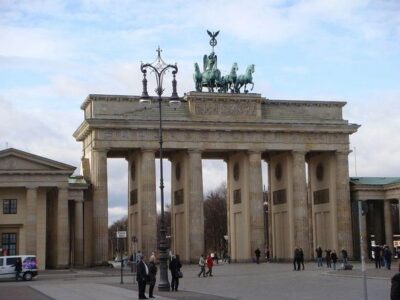
Third Reich Berlin: Hitler and WWII Walking Tour
Read our review →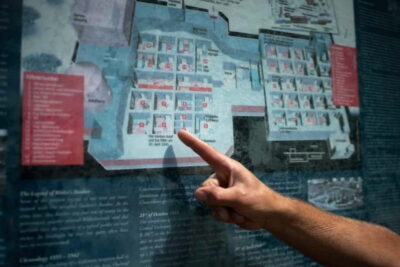

Berlin Third Reich Sites: Half-Day Walking Tour
Read our review →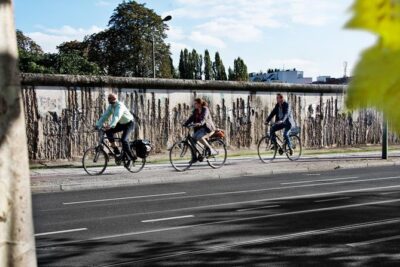
Guided Bike Tour of the Berlin Wall and Third Reich
Read our review →
Hitler’s Germany: Berlin During the Third Reich & WWII
Read our review →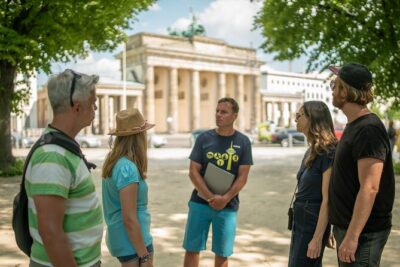
Private Walking Tour Berlin Third Reich Hitler and World War II
Read our review →Browse the lists this tour appears in