
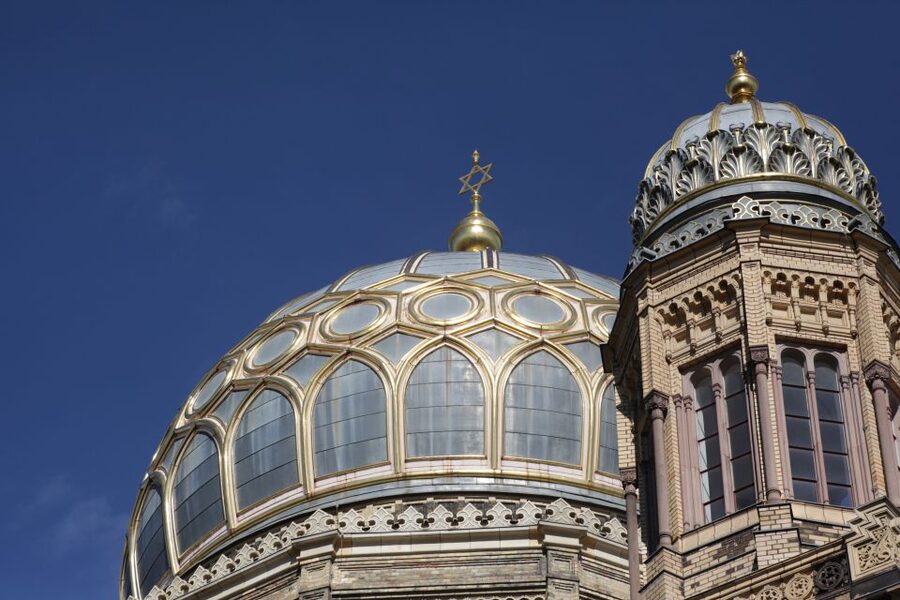
Reviewed · THIRD REICH & WW2 HISTORY WALKS
Hitler’s Germany: Berlin During the Third Reich & WWII
Berlin makes you walk through history, and this tour is set up for that exact reality. You start where Nazi rule tightened its grip, then you move through the government core, key sites tied to the terror apparatus, and ends at the Reichstag with the fall of the Reich. It is heavy subject matter, but the structure keeps it clear and human.
I really like that the tour is led by passionate guides with native-level English, and you can see that in the way guides like Rebecca, Glen, Jonathan N, and Amelie were praised for keeping people engaged and answering questions. I also like the pacing for a 4-hour block, including a short metro ride, multiple major stops, and a museum-area break without rushing you through everything.
One possible drawback: you won’t go inside buildings. So if you want interiors, collections, and time in indoor exhibits, you may prefer a different add-on.
Key Highlights You Will Actually Notice on the Route
- Nazi power sites in one walk: former air and propaganda ministries, plus Gestapo and SS headquarters areas you’ll pass by.
- A quick transit jump to the WWII story via a metro ride to Anhalter Bahnhof.
- Architectural cues matter as you look at what remains, including a major Hermann Göring Luftwaffe headquarters structure.
- A museum-area break without building entry near Topography of Terror, then back to the walk.
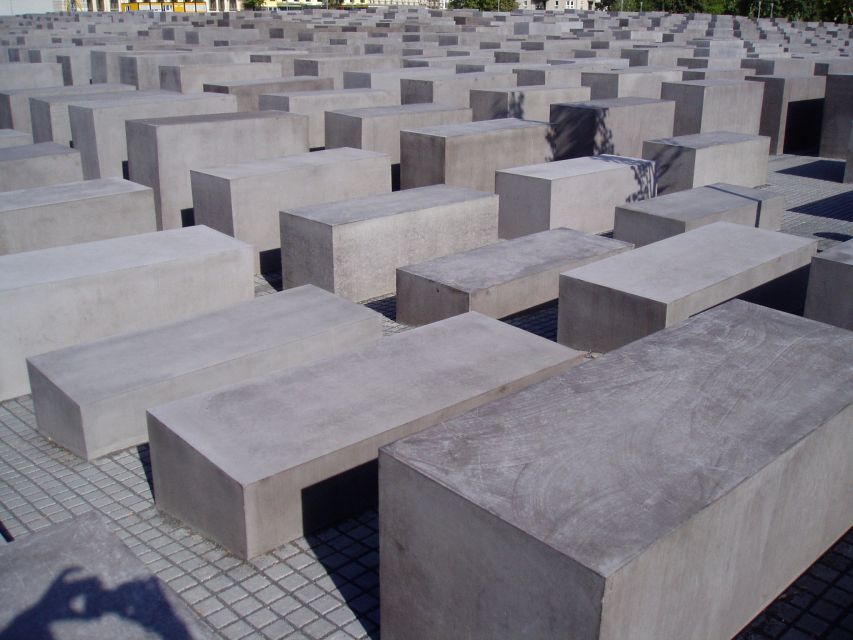
- Memorial stops that widen the story at the Sinti and Roma memorial and other 1933 persecution-related remembrance.
- The Reichstag finish with the Battle of Berlin context and how Hitler and Albert Speer’s plans fit into the endgame.
Why This Berlin Walk Starts With the Nazi Takeover and Ends at the Reichstag
This experience is interesting because it is built like a cause-and-effect story you can walk. You are not just seeing plaques. You are following how Nazi decisions turned into institutions, then into persecution, then into war, then into collapse.
The tour focuses on real locations you can still picture in your mind, even though Berlin has changed a lot since WWII. You’ll trace the march from early Nazi consolidation, through propaganda and terror, to the final stand at the Reichstag during the Battle of Berlin.
Yes, it is grim. But the best thing about this format is that it keeps you from drowning in dates. A good guide turns the timeline into something you can understand, and guides on this route are repeatedly praised for staying engaging even when the material is hard.
Other Third Reich and WW2 history walks in Berlin:
- Berlin: Third Reich and Cold War 2 Hour Walking Tour
★ 4.9 · 6,830 reviews - Berlin’s Best: 2 Hour Walking Tour Third Reich and the Cold War
★ 5.0 · 5,486 reviews - Third Reich Berlin: Hitler and WWII Walking Tour
★ 5.0 · 3,301 reviews
Getting Oriented in Central Berlin, Then the Short Metro Ride to Anhalter Bahnhof
You meet your expert guide in central Berlin, and the tour can be shared group or private depending on what you booked. Either way, the guide starts with a clear overview of how Nazi power crushed Berlin’s nearby Jewish district, so you understand the setting before you start stepping through it.
Then you take a short metro ride to Anhalter Bahnhof, a huge train station that was destroyed during WWII. This matters because train stations in Berlin are not just transit points, they were major gateways. Seeing how a place like that got smashed helps you feel how war disrupted everyday movement and life.
A practical note: you will need a public transport ticket on this tour. If you like to arrive calm and ready, grab the correct ticket type before you start, so the walking part stays smooth.
Anhalter Bahnhof: A WWII Megasite That Explains How Berlin Was Broken

Anhalter Bahnhof is one of those Berlin places that sounds distant until you connect it to what trains meant at the time. The tour uses it as a pivot point, so you go from the Nazi crackdown context into a Berlin-wide WWII reality.
What I like about this stop is that it gives you a visual scale. A station like this tells you how the city worked, and its destruction is a reminder that WWII did not stay in battlefields. It rewired the city’s entire rhythm.
If you are the type who enjoys spotting remnants in the urban fabric, you’ll get more out of this stop. A guide can also help you interpret what is still there versus what is gone, and why that difference matters.
The Former Nazi Government Core: Reading Luftwaffe, Air Ministry, and Propaganda Through What Remains
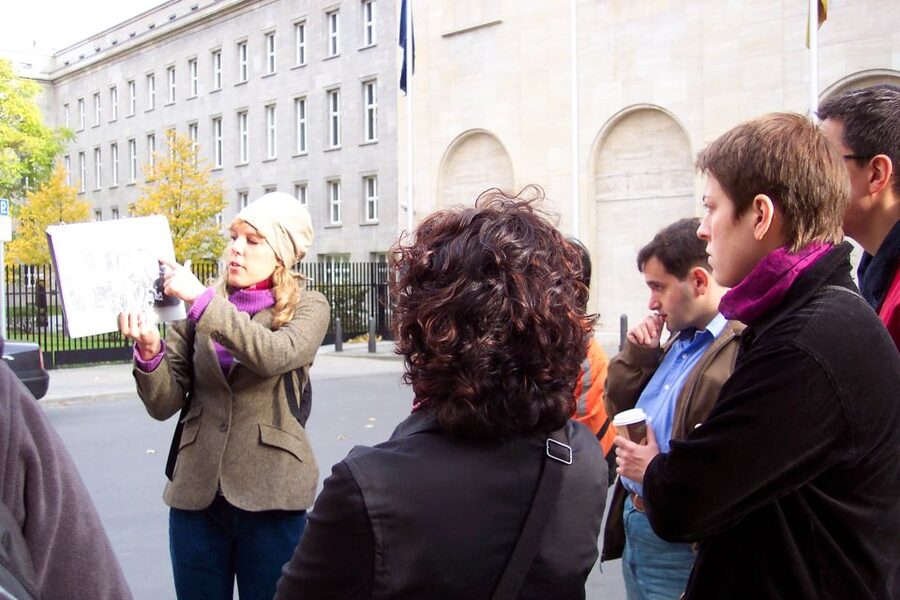
After Anhalter Bahnhof, the walk takes you through the former Nazi government district. This is where Berlin feels like a city of layers, and the tour helps you read those layers instead of just staring at buildings.
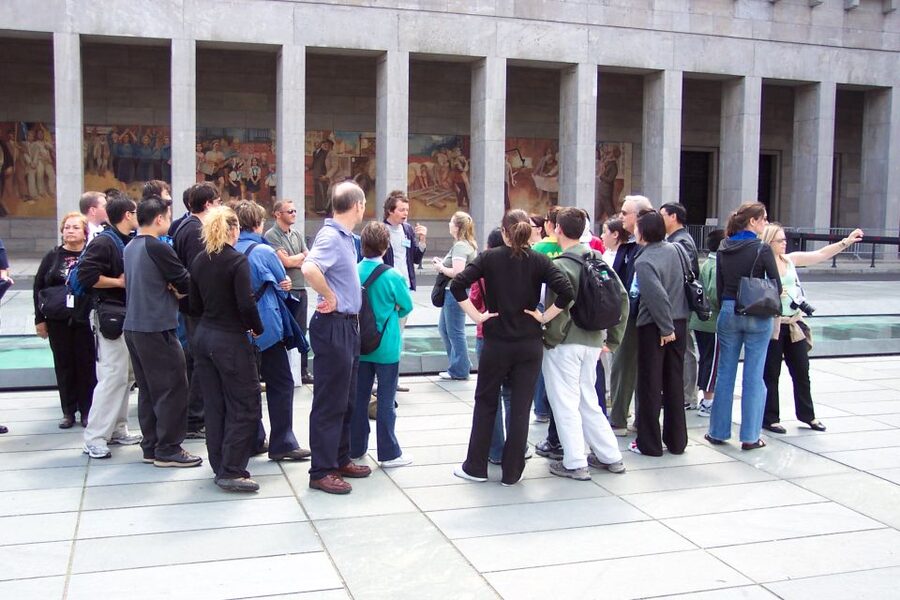
You’ll walk past key former sites, including the Nazi Air Ministry and the Propaganda Ministry. You also move toward the colossal Luftwaffe headquarters, headed by Hermann Göring, which is one of the best surviving examples of Nazi architecture. Standing near that kind of structure gives you a physical sense of how power liked to look at itself.
This is also where the guide’s style really matters. People often expect history tours to be a list. Here, the guide connects the dots: who ran what, how institutions functioned, and how Berlin’s political center helped drive persecution and war decisions.
One more useful detail: the tour emphasizes Nazi institutions tied to coercion, including the Gestapo and SS headquarters area. Even if you are not an architecture person, the function of these buildings and offices becomes legible as you go.
Still in Berlin, but a different kind of day:
- Berlin: Reichstag, Dome and Government District Guided Tour
★ 4.7 · 18,288 reviews - Berlin: 1-Hour City Tour by Boat with Guaranteed Seating
★ 4.3 · 16,993 reviews - Berlin: Boat Tour Along the River Spree
★ 4.4 · 11,252 reviews - Discover Berlin Half-Day Walking Tour
★ 5.0 · 9,624 reviews
Gestapo and SS HQ Area, Topography of Terror Break, and Why That Pauses the Story
Next comes the area associated with Gestapo and SS headquarters, now home to Topography of Terror. The tour includes a museum break, but the overall tour instructions say you do not enter buildings during the walk.
So think of this as a chance to reset. You get time in the middle of the route to regroup, check your footing, and absorb the intensity of what you just heard. If you bring snacks or water, this is a sensible moment to use it.
I also like that the guide uses this pause to keep the narrative coherent. You move from site reading into more direct explanation of atrocities that were carried out through these systems.
If you are traveling with teens or first-time Berlin visitors, this break can help. It gives the heavy material a natural pause point without letting the tour drift into vague generalities.
The Hard Part, Explained: Propaganda, the T4 Program, and the Holocaust
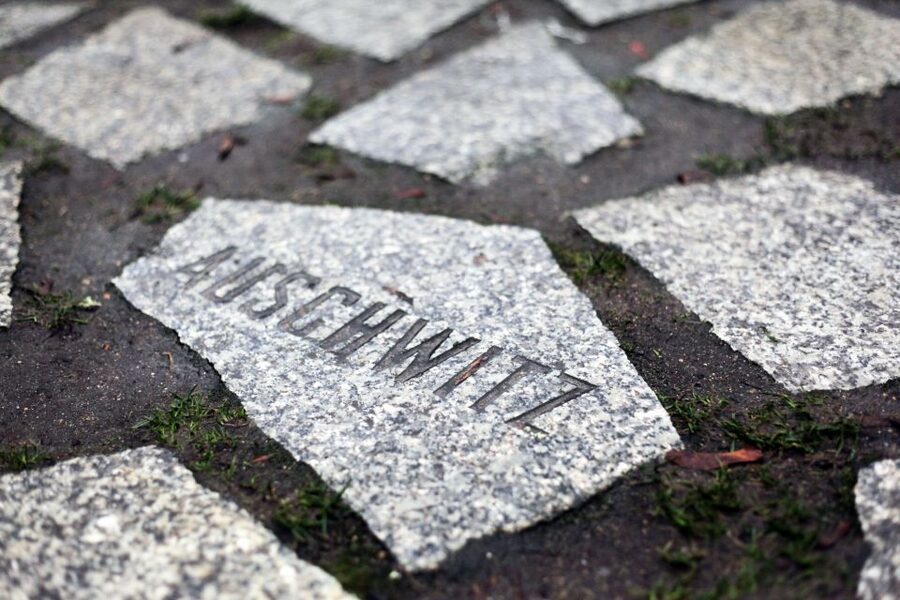
After the museum-area pause, the guide continues through some of the darkest Nazi actions. Expect the discussion of Joseph Goebbels and the use of propaganda, then the ‘T4’ euthanasia program, and then the Holocaust.
This is not handled as sensational shock. The value is that it connects mechanisms. Propaganda created consent, institutions carried out policies, and human lives were destroyed through systems designed for efficiency.
I especially appreciate tours that handle this kind of topic with clarity and pacing. If your guide is strong at storytelling, you walk away understanding how it all worked rather than just learning a sequence of atrocities. Many guides associated with this route have been praised for presentation style and for keeping groups engaged, which helps when the topic is emotionally exhausting.
If you tend to get overwhelmed by heavy historical content, pace yourself. Take the short breaks, drink water, and use the time in between stops to ask questions. A good guide will slow down for the group without losing the thread.
Strolling the Jewish Quarter Area and the Meaning of Memory in Berlin
One of the most important parts of this tour is how it treats the Jewish story as lived life, not only tragedy. The route includes a stroll through the Jewish Quarter area, with time to learn about life, persecution, and memory.
That wording matters. Berlin memorial culture can sometimes feel like it sits outside time, like it is only about remembering what happened. But the tour’s approach pushes you to connect memory to the real people who were targeted, and to why Berlin has chosen to mark these locations.
You’ll also see memorials that help you understand that remembrance is not one style. Different memorials do different jobs: they teach, they warn, they mourn, and they force a pause for reflection.
If you are trying to balance Berlin’s famous sights with something more serious and meaningful, this is the section where the value becomes very clear.
Tiergarten Memorial Stops: Sinti and Roma, and the 96 Politicians Arrested in 1933
As you move toward Berlin’s large park, the Tiergarten, the tour adds memorial stops that expand the story beyond one group or one moment.
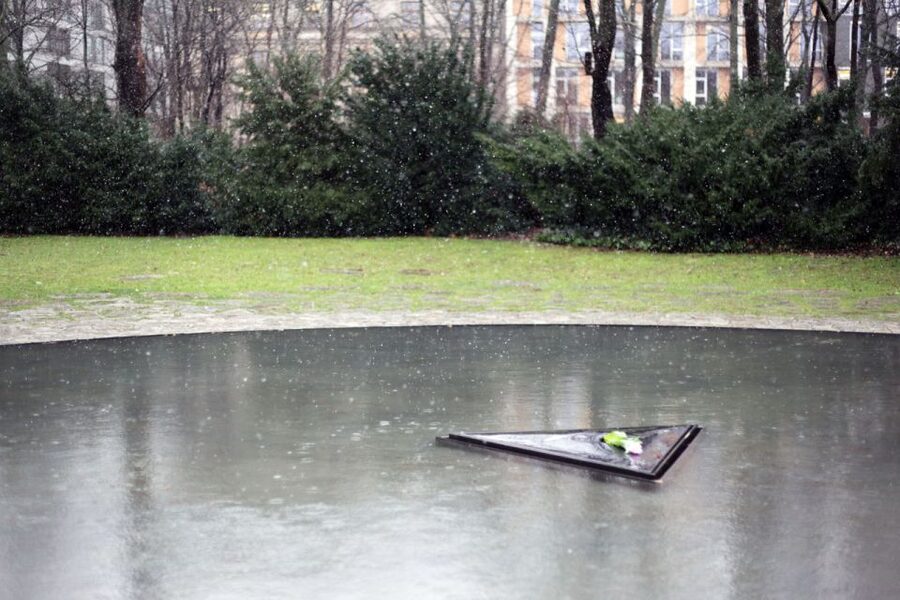
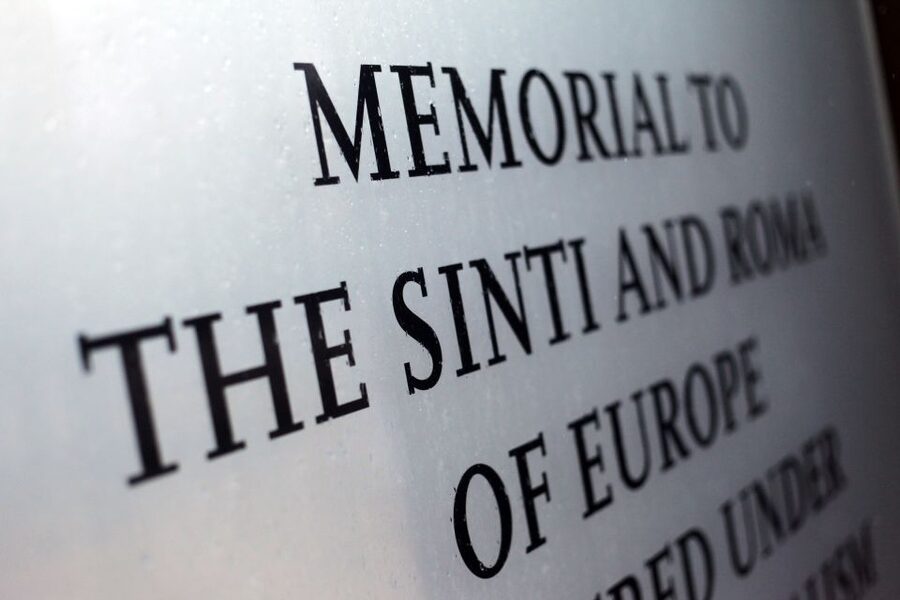
You visit the Memorial to the Sinti and Roma Victims of National Socialism. You also see a memorial for 96 politicians who were arrested by the Nazis as they seized power in 1933. That second stop is a useful reminder that the Nazi state did not only target Jewish people. It punished a wide range of people for opposing, resisting, or not fitting its ideology.
What I like about these memorial stops is that they give the tour emotional variety. You get to mourn, reflect, and learn without the entire experience becoming one long grim lecture.
If you are the type who likes to compare how different societies remember tragedy, this is a good place to slow down and read carefully. A strong guide will point out what a memorial is trying to communicate and what it is leaving out.
The Reichstag Finish: Germania Dreams, Albert Speer’s Plan, and the Battle of Berlin
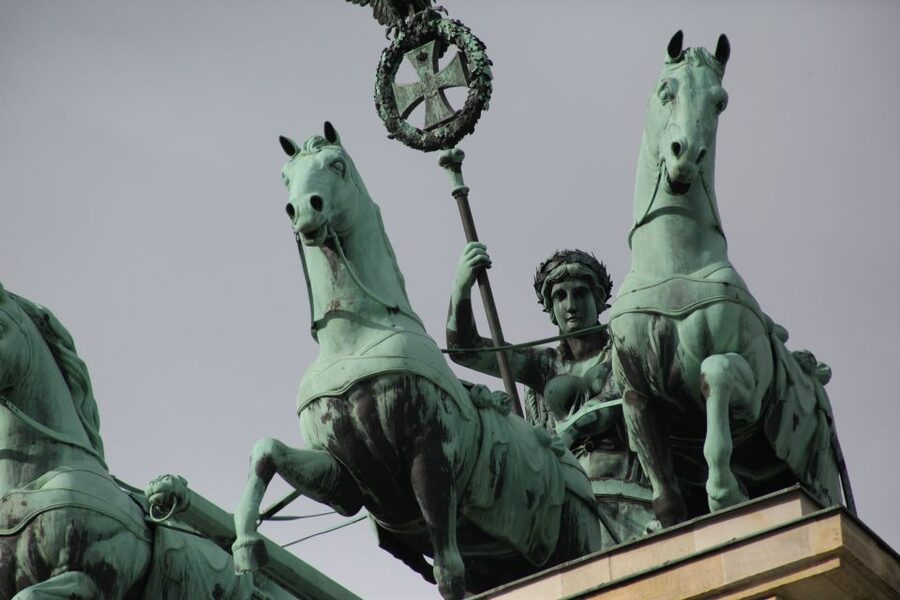
The tour finishes in front of the Reichstag, the German parliament building. From here, your guide explains Hitler and Albert Speer’s plan to redesign Berlin into ‘Germania’, capital of the empire of the world.
That part is fascinating in a disturbing way. It shows how the Nazis built fantasy architecture on top of real violence. The grandeur was not separate from the crimes. It was tied to the same mindset.
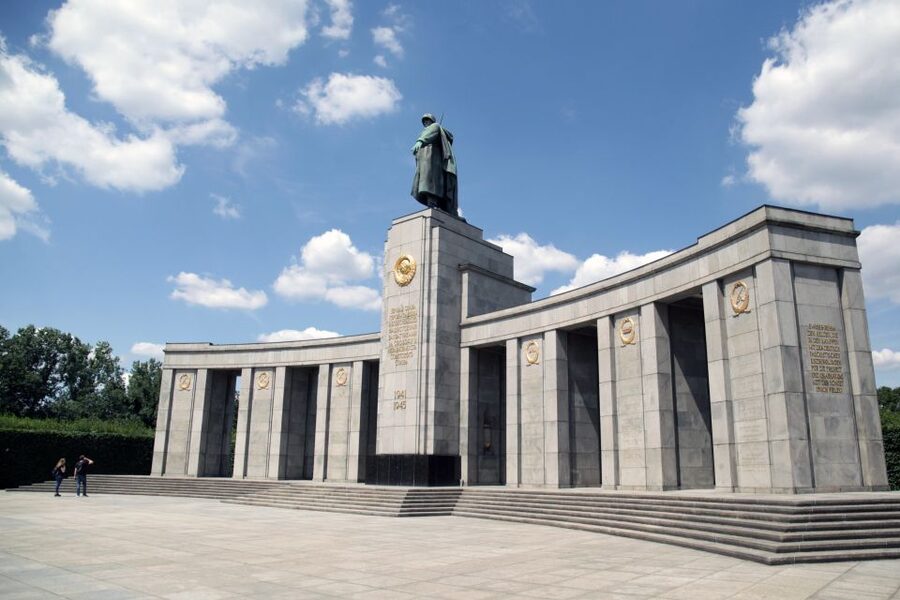
You’ll also get the Battle of Berlin details, including how Soviet soldiers assaulted the Reichstag under anti-aircraft fire. Your guide also explains what happened nearby when Hitler committed suicide not even a mile away.
This ending is effective because it snaps the story shut in a real place you can still see on your map. It also gives you a reason to care about the early route. You start with institutions and terror, and you end with the moment the regime collapsed.
Price and Value: Why $23 for a 4-Hour Guided Walk Can Be a Smart Deal
At $23 per person for a 4-hour guided experience, this tour is priced for value, especially given how much ground it covers through central Berlin.
Here is where the math works for you:
- You get an expert guide for a full 4 hours, not a rushed 60 to 90 minute overview.
- The route includes major, high-impact sites, plus a short metro ride so you are not walking in circles.
- You get skip the ticket line, which can reduce friction at the top memorial and museum area stop.
- Language options include English and German, which helps if you are traveling with someone who wants precision or prefers the guide in German.
The main trade-off is that you do not enter buildings. So you are paying for interpretation and route access, not for museum time. If you want museum interiors, budget for an additional museum visit later.
Still, for first-time Berlin history travelers, and for people returning to Berlin who want the city’s darker spine, $23 is a strong offer.
Who Should Book This Tour, and Who Might Want to Pair It
This tour is a great fit if you want a structured path through Nazi Germany and WWII without getting lost in random stops. It is also ideal if you like asking questions and want a guide who keeps the group moving with clarity.
It can also work well for families and teens if your guide is good at pacing. One reason this route gets repeat praise is that guides often bring humor and storytelling skills even when the subject matter is brutal, which helps keep attention from drifting.
On the other hand, if you know you need indoor time and building entry, you may feel limited by the no-building-entry approach. In that case, consider pairing the walk with a separate museum-focused ticket.
Should You Book Hitler’s Germany: Berlin During the Third Reich and WWII?
I think you should book this tour if your goal is context. You want to understand how Nazi power formed, how it used propaganda and terror, and how persecution shows up in Berlin’s memory today. The route makes that story feel connected instead of scattered.
Skip it only if you strongly prefer indoor exhibits, or if you know you need a lighter touch on very heavy content. Otherwise, bring water, wear comfortable shoes, and be ready to learn from real places, not just facts on a screen.
FAQ
How long is the tour?
The tour lasts 4 hours.
Where does the tour start?
The meeting point may vary depending on the option you book.
Is a public transport ticket included?
No. You need a single AB Ticket for public transport if needed.
What language is the guide?
The live tour guide is available in English and German.
Do you enter any buildings during the tour?
No. The tour instructions specify that no buildings are entered during the tour.
Is the tour available in bad weather?
Yes. The tour runs in all weather and on public holidays.
What is the cancellation and payment flexibility?
You get free cancellation up to 24 hours in advance for a full refund, and there is an option to reserve now and pay later.
Recently added around Berlin
- Berlin Private Custom Walking Tour With A Guide (Private Tour)★ 4.5 · 8 reviews
- One Up to 3 Rickshaws(6 GUESTS)-Taylor Made Rickshaw Berlin Tour★ 5.0 · 20 reviews
- Moonshine Comedy – English Stand Up Comedy by the bay★ 5.0 · 11 reviews
- Private Half-Day Berlin Sightseeing Tour with a Minivan Including Short City Walks★ 5.0 · 31 reviews
- Private taxi tour to Potsdam and Sanssouci 6-8h★ 5.0 · 30 reviews
- Private City Kickstart Tour: Berlin★ 4.5 · 71 reviews
- Private tour of Berlin★ 5.0 · 15 reviews
- Private Tutankhamun’s Tomb Live Escape Room in Berlin★ 3.5 · 11 reviews
Third Reich & WW2 History Walks, compared.

Berlin’s Best: 2 Hour Walking Tour Third Reich and the Cold War
Read our review →
Third Reich Berlin: Hitler and WWII Walking Tour
Read our review →

Berlin Third Reich Sites: Half-Day Walking Tour
Read our review →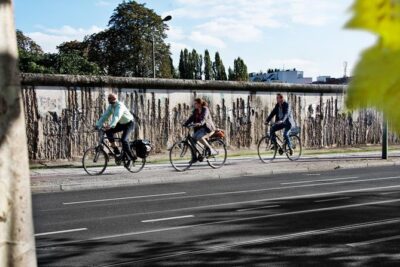
Guided Bike Tour of the Berlin Wall and Third Reich
Read our review →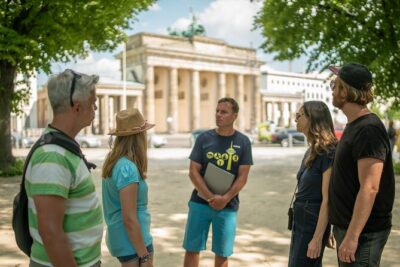
Private Walking Tour Berlin Third Reich Hitler and World War II
Read our review →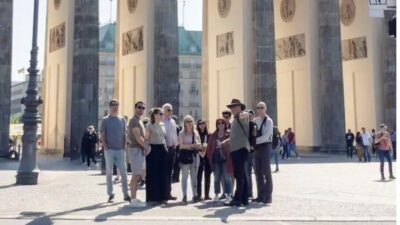
Hitler’s Berlin The Rise & Fall Guided Walking Tour
Read our review →Browse the lists this tour appears in