
Reviewed · THIRD REICH & WW2 HISTORY WALKS
Berlin: The Time of National Socialism Walking Tour
Berlin’s hard to look away from when you walk it with the right lens. This tour takes you through key Third Reich sites and shows you how World War II still sits in the cityscape today. You also get the human side, not just dates and flags.
I especially like how it starts at the Brandenburg Gate and moves in a logical line through power, propaganda, and punishment. I also love the way the guide connects big buildings to what people did, survived, or resisted, with stories that make you pay attention.
The one drawback is also simple: it is a 2-hour walk in all weather. If you hate cold pavement, bring good shoes, layers, and a plan for wind and rain.
Key things you will notice on this tour
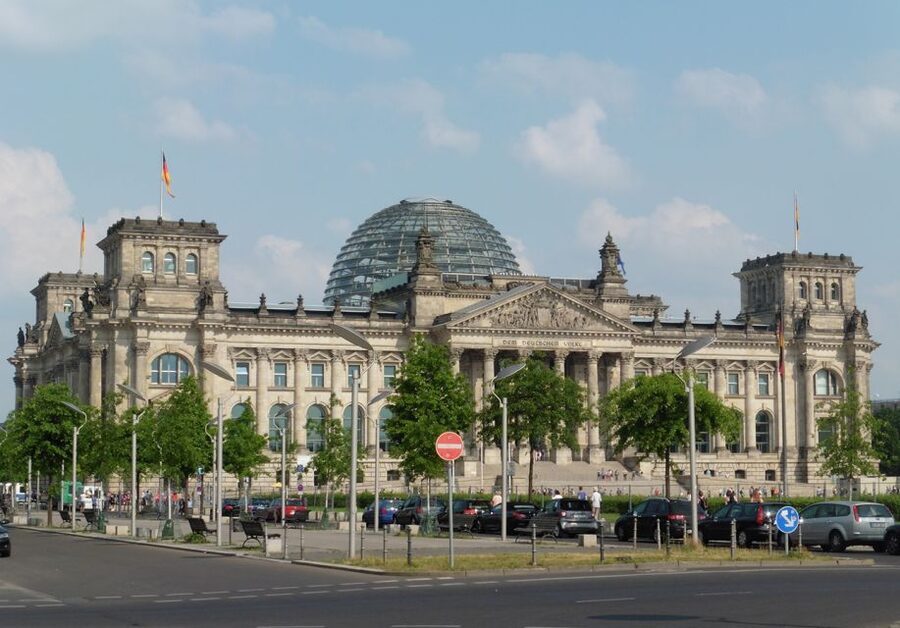
- Brandenburg Gate to Reichstag route: how public spectacle and political power were built to feel inevitable
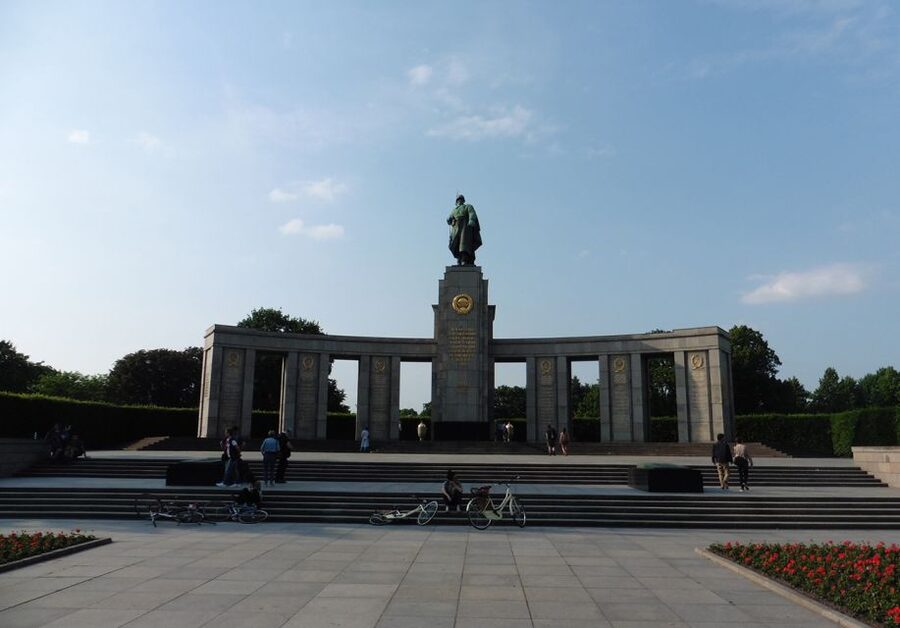
- Tiergarten Soviet War Memorial: WWII aftermath in a city park, including T-34 tanks and artillery
- Holocaust Memorial: a reflective stop that forces you to slow down, not just look
- Johann Georg Elser Memorial: proof that resistance existed, even when it failed
- Topography of Terror: a focused view of SS, secret police, and other state machinery, tied to the places they operated
- Small-group format (up to 10): more questions, more back-and-forth, especially with guides like Carlo
Why a Nazi-Era Berlin walking tour hits differently
Some city history is behind glass. This is not. When you walk Berlin’s Nazi-era geography, you are dealing with locations where ideology tried to become reality, and where violence left physical marks. The value is not just that you learn what happened. It is that you see how the city was used to stage control.
You get an organized path through major sites in central Berlin, starting at a symbol of state power and ending at a documentation center devoted to the mechanisms of terror. Along the way, you see the Holocaust Memorial, Soviet WWII relics in Tiergarten, and the places tied to Hitler’s government district plans.
Other Third Reich and WW2 history walks in Berlin:
- Berlin: Third Reich and Cold War 2 Hour Walking Tour
★ 4.9 · 6,830 reviews - Berlin’s Best: 2 Hour Walking Tour Third Reich and the Cold War
★ 5.0 · 5,486 reviews - Third Reich Berlin: Hitler and WWII Walking Tour
★ 5.0 · 3,301 reviews
The route, pace, and what 2 hours buys you
This tour is scheduled for about 2 hours, and it is designed as a walking route with multiple short stops. That matters because you are not getting stuck in one museum room for hours. Instead, you get a sequence: landmark, context, story, next landmark.
The group stays small, up to 10 participants, which helps a lot for a topic like this. You can ask questions without feeling ignored, and the guide can adjust if the group is quiet or curious. In the reviews, people specifically mention that Carlo answered questions and told stories in a way that kept attention even in miserable weather.
Now, about price: it is listed at $43 per person. For Berlin, that is a fair price for a guided, curated walk that covers several heavy sites in a short time. If you try to DIY this alone, you can still see the places, but you will likely miss the connective tissue: why the route makes sense, what to look for, and which events the guide ties to each spot.
Meeting point and getting oriented fast
You meet at the exit of S+U Bhf. Brandenburger Tor, exit B, in the direction of Pariser Platz / Straße des 17. Juni. Your guide is easy to spot, look for the Get Your Guide – You in Berlin flag.
There is a minor practical detail that helps: the tour starts at Call a Bike before moving through Pariser Platz. This kind of “city-first” meeting point is useful if you are already near the landmark transit hub. It keeps you from wasting time figuring out where to begin while the clock runs.
Pariser Platz and the Brandenburg Gate: propaganda you can still read
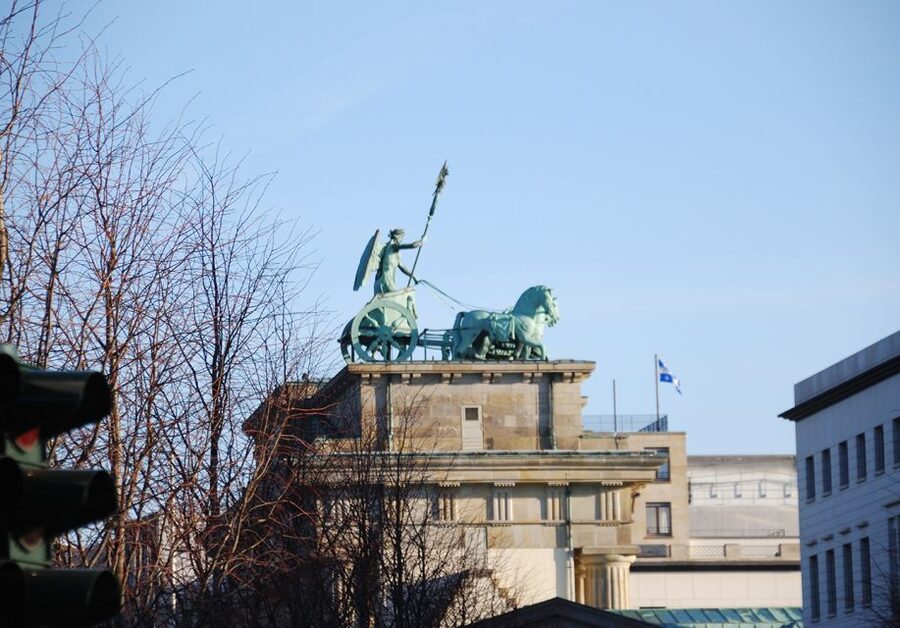
Your first major setting is Pariser Platz, then you reach the Brandenburg Gate, the tour’s starting headline location. This gate is famous for a reason, but this tour focuses on a less cuddly chapter: during the Nazi period, it was used for propaganda marches.
That focus changes how you see the architecture. You start looking for how space can be staged, how crowds can be funneled, and how public spectacle becomes politics. Even if you already know the basics, it is the kind of guided reframing that makes you notice what you walked past a hundred times in postcards.
A big plus here is that the walk sets you up for the next steps. You are not just standing at a single “must-see.” You are learning how the city’s big, visible spaces were turned into tools.
More walking tours in Berlin:
- Discover Berlin Half-Day Walking Tour
★ 5.0 · 9,624 reviews - Berlin: Discover Berlin Walking Tour
★ 4.9 · 5,998 reviews - Berlin: Hidden Backyards Guided Walking Tour
★ 4.8 · 5,360 reviews - Berlin: Alternative Berlin Walking Tour
★ 4.6 · 1,204 reviews
Reichstag: where political power became a destination
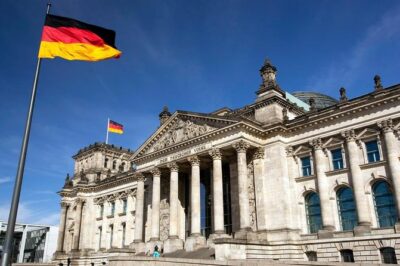
From the Brandenburg Gate you walk to the nearby Reichstag. Today it is the seat of Germany’s parliament. In 1933, it sits in the story of how the NSDAP and Adolf Hitler came to power.
This is where a good guide earns their pay. The Reichstag is a landmark that many people photograph quickly. But the tour uses it as a turning point, not a selfie stop. You get the context to understand why 1933 is such a hinge year, and what it meant for Berliners at the time.
One practical note: at this stage you might feel the tour “speed up,” because you are moving from gate to parliament building while you still want details. The best approach is to keep your attention on the guide’s explanations and accept that you will not read every plaque yourself in the same way.
Tiergarten’s Soviet War Memorial: WWII traces, not textbook lessons
Next you enter Tiergarten, Berlin’s central park, for the Soviet War Memorial. This stop is powerful because it brings the city’s WWII aftermath into an everyday setting. In the memorial area you can see Soviet T-34 tanks and artillery.
It is an important counterweight to the Nazi-era focus. It reminds you that Germany’s crimes and the war’s collapse are part of the same long chain of events, ending with a different occupying power and different losses. The location in a park also makes you feel the contrast. This is not a sealed-off history site. It is part of how Berlin lives now.
The drawback for some people is emotional heaviness in open air. You might be comfortable in museums, but less so when the topic hits you in a cold park with wind in your face. If that sounds like you, slow down mentally and let the stop do its work rather than trying to “move on” too fast.
Holocaust Memorial: you will need a slower mindset
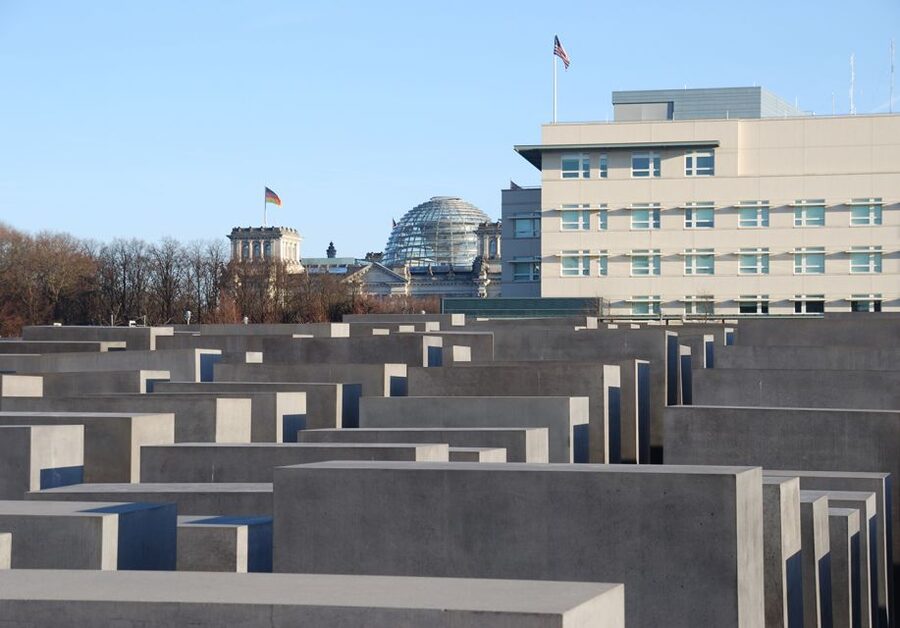
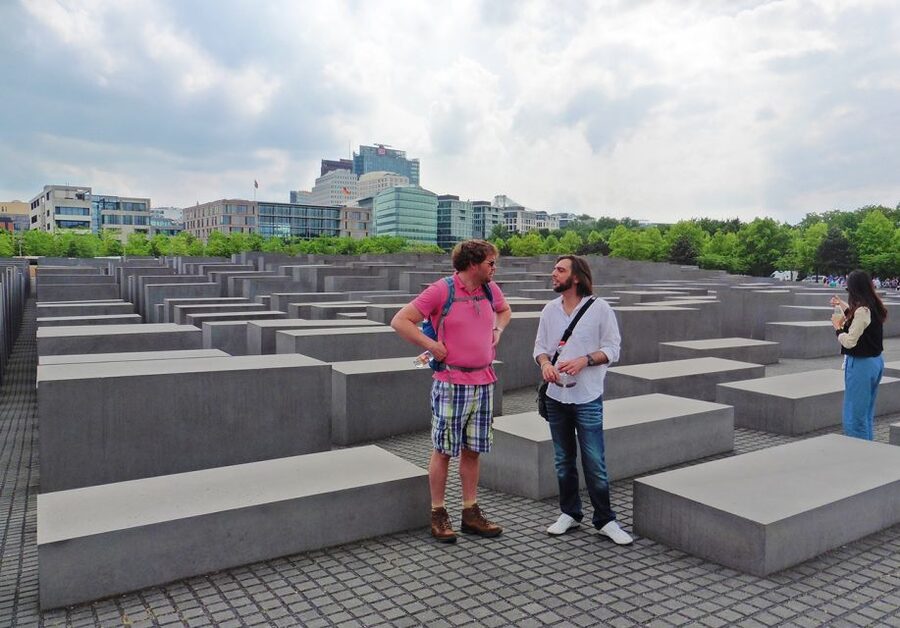
The tour then goes to the Holocaust Memorial, described here as the memorial to the murdered Jews of Europe. This is not the kind of stop where you rush, because the design asks you to experience space and scale rather than just read labels.
I like that the tour keeps this as a guided moment, not a quick photo line. A good guide helps you understand what it is trying to communicate and how to stand there without turning it into background scenery. Even on a tight schedule, you should come away feeling more settled and reflective, not just informed.
If you get overwhelmed easily, plan for a brief pause. Step to the side for a minute if needed. The tour format gives you motion, but the memorial itself deserves stillness.
Johann Georg Elser Memorial and resistance you might not expect
One of the more unique stops on this route is the Johann Georg Elser Memorial. This is where the tour’s resistance angle becomes very concrete.
Elser is not the kind of name that pops up for every first-time Berlin visit, so having him on a guided walk can be a real eye-opener. The tour also highlights the broader theme of German resistance against the dictatorship, and this stop fits that message neatly. Even if you already know about resistance movements generally, a focused memorial stop tends to make the story feel less abstract.
From a value perspective, this is the part of the tour that often leaves people thinking later. It shifts the theme from only perpetrators and institutions toward human choices, planning, risk, and consequences.
Detlev-Rohwedder-Haus: the city as a map of government plans
After Elser’s memorial, you pass by Detlev-Rohwedder-Haus. The tour frames this area within the larger Nazi-era government district story, including the bunker and the New Reich Chancellery of Adolf Hitler.
You might not recognize every building immediately, but you will learn how to read the neighborhood as a planned power center. This stop can feel more “urban” than museum-like. That is a good thing if you like understanding cities as physical documents.
If you prefer highly visual stops, this might not be the most dramatic moment. It works best when you stay curious about the guide’s explanations and connect them to what you can see in front of you.
Topography of Terror: the SS, secret police, and the machinery of control
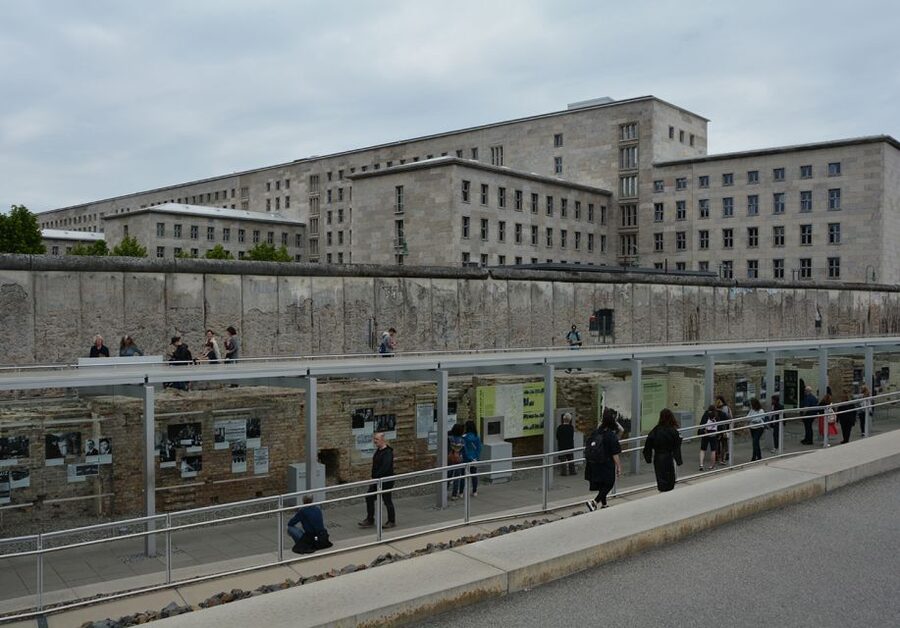
The final anchor is Topography of Terror, where the tour ends. Here you learn about where the headquarters of the SS, the Secret State Police, the Reich Security Main Office, and the Reich Aviation Ministry were located during World War II.
This is a site that can feel overwhelming if you treat it like pure facts. The tour helps by tying locations to functions: who ran what, what the bureaucracy made possible, and how terror was organized, not just “happened.” You also hear about the atmosphere of resistance and what German opposition faced.
In the reviews, people repeatedly praise how guides keep the stories lively and the information anchored to the places themselves. Carlo stands out in feedback for being enthusiastic and for taking extra time when weather got rough, which says a lot about how the tour is delivered.
What the best guides do in this kind of tour
A topic like this can become stiff fast. The best guides avoid that. They translate heavy subject matter into clear story threads and give you time for questions.
The reviews you provided highlight exactly that. People mention that Carlo was enthusiastic, explained buildings in their locations during the Nazi era, and handled cold, icy conditions by keeping the group moving safely. One reviewer also noted that the tour felt like a private experience when the group size shrank, and that questions were answered smoothly.
That matters for you because the success of this tour is not only about where you go. It is about how you are guided through what you see.
Practical tips for your 2-hour Berlin walk
Wear clothes for cold and wet. This tour happens in all weather, even on public holidays. If it is icy, treat it like an urban hike. Good grip shoes are worth more than you think.
Keep your phone power charged, but don’t rely on it. You will be walking between major memorials and government-era sites. It is better to listen first and check photos later for context.
Finally, give yourself permission to feel what you feel at the Holocaust Memorial. A guided walk can make it easier, but it should not force you to “perform calm.” Step aside if you need a minute.
Should you book this Berlin time of National Socialism walking tour?
Book it if you want a structured route through major Third Reich sites, and you like your history explained through real places. This is especially worth it for your first or second time in central Berlin, when you want to turn landmarks into understanding.
Skip it if you hate walking in cold weather, or if you are looking for a lighter, purely sightseeing-focused tour. This route has heavy content, and it stays serious throughout.
If you are on the fence about value: $43 for a 2-hour, small-group guided walk that connects Brandenburg Gate, Reichstag, Holocaust Memorial, resistance, and Topography of Terror is a solid deal. The biggest reason to book is the guide quality, with Carlo coming up repeatedly in feedback for clear, lively explanations and helpful pacing.
If you can handle a brisk two hours outdoors, you will leave with a Berlin you can read, not just photograph.
Recently added around Berlin
- Berlin Private Custom Walking Tour With A Guide (Private Tour)★ 4.5 · 8 reviews
- One Up to 3 Rickshaws(6 GUESTS)-Taylor Made Rickshaw Berlin Tour★ 5.0 · 20 reviews
- Moonshine Comedy – English Stand Up Comedy by the bay★ 5.0 · 11 reviews
- Private Half-Day Berlin Sightseeing Tour with a Minivan Including Short City Walks★ 5.0 · 31 reviews
- Private taxi tour to Potsdam and Sanssouci 6-8h★ 5.0 · 30 reviews
- Private City Kickstart Tour: Berlin★ 4.5 · 71 reviews
- Private tour of Berlin★ 5.0 · 15 reviews
- Private Tutankhamun’s Tomb Live Escape Room in Berlin★ 3.5 · 11 reviews
Third Reich & WW2 History Walks, compared.
Berlin’s Best: 2 Hour Walking Tour Third Reich and the Cold War
Read our review →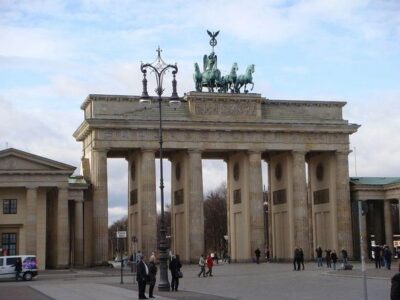
Third Reich Berlin: Hitler and WWII Walking Tour
Read our review →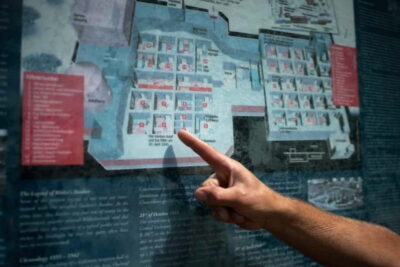
Berlin Third Reich Sites: Half-Day Walking Tour
Read our review →
Guided Bike Tour of the Berlin Wall and Third Reich
Read our review →
Hitler’s Germany: Berlin During the Third Reich & WWII
Read our review →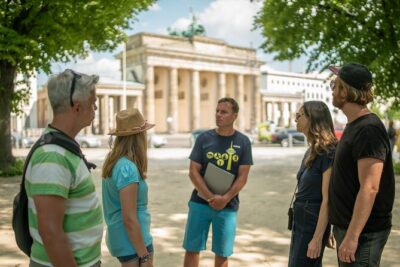
Private Walking Tour Berlin Third Reich Hitler and World War II
Read our review →Browse the lists this tour appears in