
Reviewed · THIRD REICH & WW2 HISTORY WALKS
Hitler to Stalin – WWII & Cold War Tour (Small Group)
Berlin’s history is not locked inside museums. This tour is interesting because it strings together the Nazi era and the Cold War along real streets, so you can see how power, fear, and propaganda shaped daily life, then how the city was divided and later reunited. You start at the Brandenburg Gate, then move through landmark after landmark that helped write the modern German story.
I like that this is a small group tour led by Berlin’s only World War II tour specialists, so the pace feels human and you can ask questions. I also like the practical tools included, the Then-and-Now photographs and maps, which help you picture what changed between wartime Berlin and what stands today. One thing to consider: you will be walking the whole time and the topics are heavy, so wear comfortable shoes and be ready for a sober, reflective tone.
Key things you’ll get from this Hitler to Stalin tour
- A street-level timeline from Nazi power to the Cold War division you can still see
- Brandenburg Gate to Berlin Wall coverage that shows how Berlin transformed over decades
- Major sites in one loop including the Reichstag, Gestapo HQ, Hitler’s Bunker, and Checkpoint Charlie
- Holocaust Memorial stop that grounds the Nazi story in human loss and consequences
- Then-and-Now photos and maps to track change, not just facts
A WWII-to-Cold-War walk that links power to street corners
If you’ve ever felt like Berlin’s history is scattered, this kind of tour fixes that. You are not just seeing famous landmarks. You’re learning how one era’s decisions set up the next era’s tensions, and how Berlin became the place where those tensions played out in visible ways.
What makes this tour worth your time is the way it balances two huge chapters. World War II tells you how Nazi Germany rose, ruled, and collapsed. Then the Cold War shows the aftermath, when the same city became a frontline for ideology, spying, and controlled movement. You’ll leave with a clearer mental map of cause and effect, not just a list of sites.
The tone is important here. This is not a comedy walking tour or a light history stroll. You will be confronting atrocities and political repression. That said, the format and included materials help keep you oriented, so you can process what you’re seeing instead of getting lost in grim headlines.
Other Third Reich and WW2 history walks in Berlin:
- Berlin: Third Reich and Cold War 2 Hour Walking Tour
★ 4.9 · 6,830 reviews - Berlin’s Best: 2 Hour Walking Tour Third Reich and the Cold War
★ 5.0 · 5,486 reviews - Third Reich Berlin: Hitler and WWII Walking Tour
★ 5.0 · 3,301 reviews
Starting at the Brandenburg Gate, and why the meet-up matters
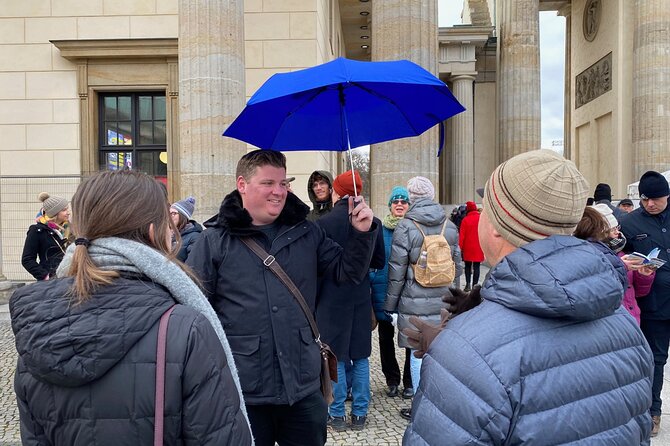
You meet at the Tourist Center at the Brandenburg Gate. Look for the blue umbrella. That small detail matters more than you’d think. Berlin is big, and the first 10 minutes set the rhythm for the whole tour.
From the start, you’re in the right mindset. The Brandenburg Gate is one of those places that can look like a postcard from a distance, but on a history walk it becomes a symbol. You’re learning to read Berlin the way locals do, through layers: war, collapse, rebuilding, division, and reunification.
Then the group moves through the core landmarks that make the Nazi-to–Cold War story understandable in real space. The tour ends back at the meeting point, which is a nice perk if you want to grab food or re-center yourself afterward without hunting for your way back.
Brandenburg Gate to the Reichstag: politics you can actually see
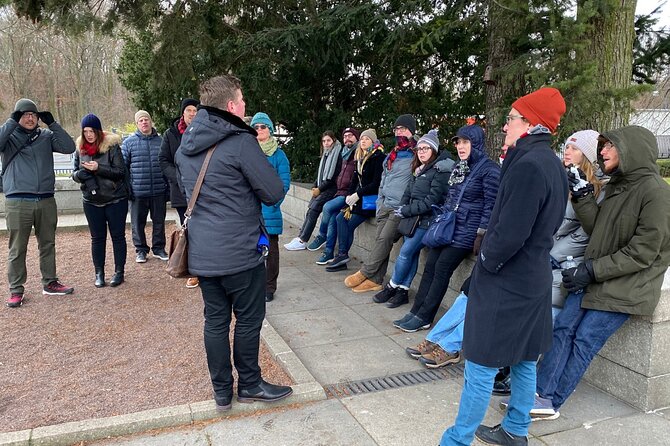
The tour’s early stops focus on political power. The Brandenburg Gate is your first “transition” stop, a way to frame how Berlin went from war-torn damage to lasting symbols tied to unity. You’ll hear how that shift connects to the bigger story of how states try to control meaning, even when everything else is breaking.
Next up is the Reichstag. This is more than a pretty building you take a photo by. On this kind of route, you should expect the Reichstag to be treated as a stage for power and the political decisions that followed. It’s the kind of stop where your understanding clicks, because you connect government, propaganda, and real-world consequences.
Practical tip: the Reichstag area can feel visually busy, with lots of modern Berlin around it. That’s exactly why the guide matters. A good explanation keeps you from treating landmarks as scenery.
Gestapo HQ and Hitler’s Bunker: the fear system behind the headlines
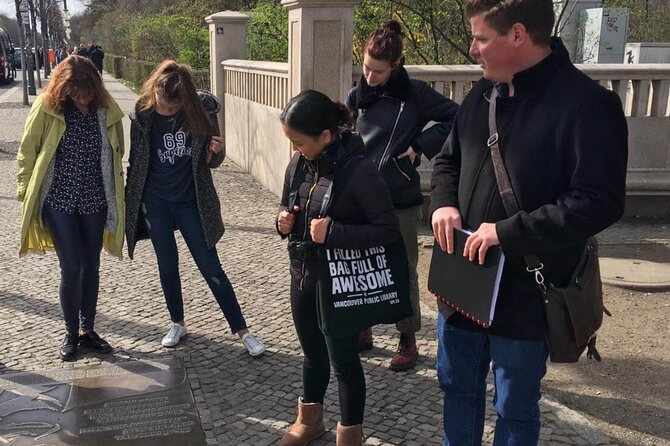
The tour includes the Gestapo HQ and Hitler’s Bunker, two stops that turn “WWII facts” into something more human and uncomfortable. These sites represent how the Nazi regime enforced control and how violence became organized, not random.
You’ll learn how Berlin functioned within the war machine. The guide is expected to connect leadership decisions to practical impacts on the city and on people who had no real control over the outcomes. This is where the emotional weight of the tour becomes real.
A possible drawback of picking a highlights-heavy route like this is that it can feel intense if you’re the type who needs time to absorb. The tour is 2.5 hours, so the focus stays on clarity and coverage, not long pauses. If you like slow museum-style processing, consider adding extra time on your own after the tour, especially near the Holocaust Memorial.
More Berlin Wall and Cold War tours in Berlin:
- Skip-the-Line: Berlin Wall Museum at Checkpoint Charlie
★ 4.1 · 2,041 reviews - Berlin: 2.5-Hour East Side Boat Cruise with Commentary
★ 4.4 · 2,016 reviews - Berlin: East Side Gallery Spree Cruise in a Solar Catamaran
★ 4.0 · 1,039 reviews - Cold War, Berlin Wall, Spies and the East Side Gallery
★ 5.0 · 1,024 reviews
The Memorial to the Holocaust: a serious pause in the middle of the route
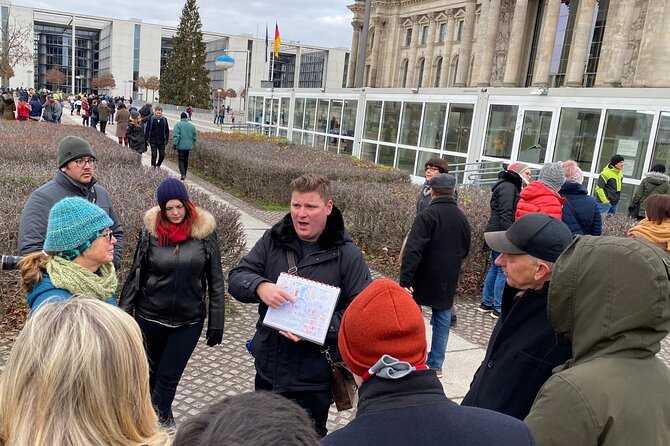
The tour includes the Memorial to the Holocaust. This is one of those stops you should treat as a checkpoint for your own attention. Instead of racing through, slow down mentally, because the topic is about loss and the lessons drawn from the Nazi era.
Even when a tour stays factual, the presence of the memorial forces you to think about what happened to real people, not just institutions. It’s not designed to be a quick photo moment. It works best when you let it land.
If you are traveling with kids or with a friend who prefers lighter content, this is the part where you’ll want to prepare the conversation. Keeping expectations realistic makes the rest of the tour easier for everyone.
Berlin Wall and Checkpoint Charlie: how the Cold War became visible
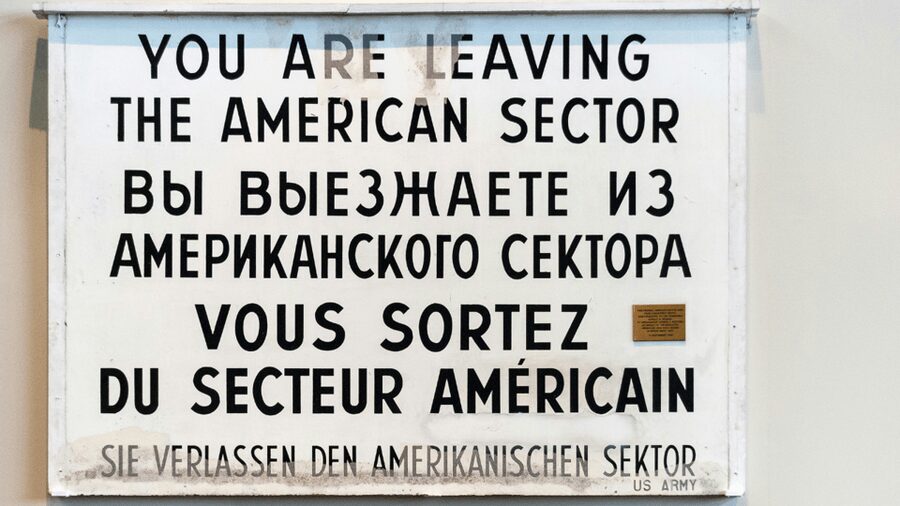
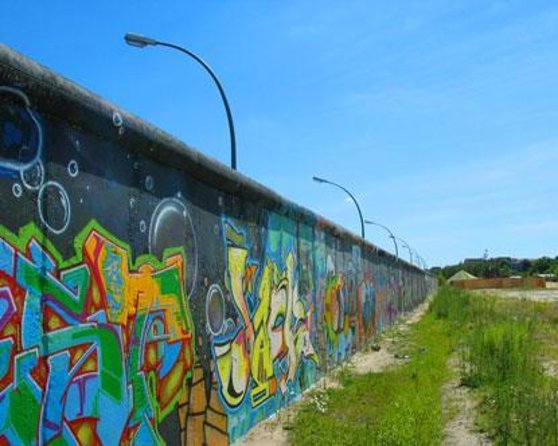
This is where Berlin history turns physical. The tour includes the Berlin Wall, described as the actual Iron Curtain you can view. You’re not just learning about an abstract political split. You’re looking at the kind of barrier that shaped movement, information, and fear in day-to-day life.
Then you move to Checkpoint Charlie. This is the best kind of history stop because it’s concrete. You can stand where the city felt divided, and you can understand why Berlin became so globally significant during the Cold War. The tour focuses on the events that led to division and the eventual unification, so the story has an arc instead of stopping at separation.
One smart takeaway: when you walk these areas with an explanation, the Cold War stops feeling like a chapter from a textbook. It becomes a human system, enforced by borders, permissions, and who could cross and who could not.
Then-and-Now photographs and maps: the shortcut to understanding change
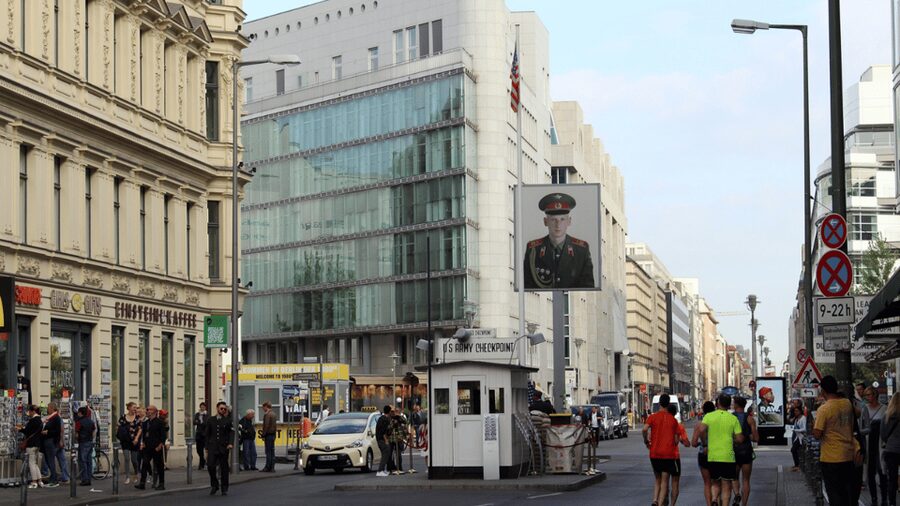
Included in the tour are Then-and-Now photographs and maps. This is a big deal for your learning, especially in a city like Berlin where buildings and streets can look familiar while the context behind them has changed completely.
Here’s how this helps you in practice:
- You see what stood before, and what stands now.
- You learn to recognize continuity, like street lines and urban structure, even when the meaning has flipped.
- You avoid the common mistake of assuming today’s Berlin is the whole story.
Maps also help you keep your bearings. Even if you’ve visited Berlin before, the WWII and Cold War geography can feel confusing. These tools give you a framework you can carry into the rest of your trip.
Guide quality in a small group, and how to get more from it
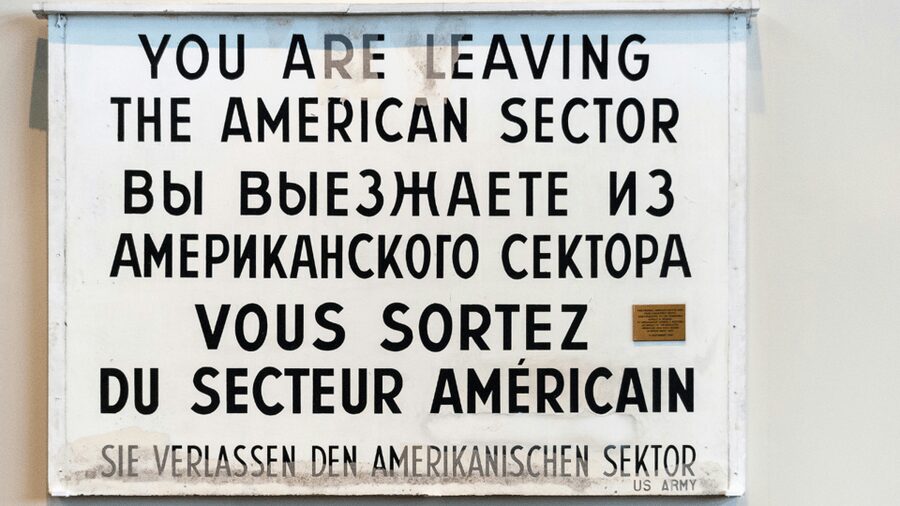
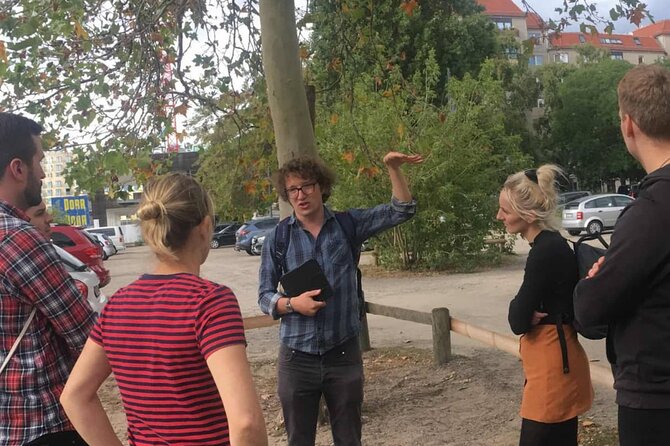
This tour runs as an exclusive small group, and the guide is live and English-speaking. That format matters because you’re covering heavy material across multiple sites. In a small group, the guide can keep the tone balanced, stick to the right level of detail, and keep everyone oriented.
One review specifically highlighted Tom as an excellent guide, with strong engagement and an approach that fit the group. Another review praised that the guide hit all the sites the group wanted to see, with solid grasp of the material. In other words, you’re not just getting a scripted walk. You’re getting a guide who knows how to explain the why, not only the what.
How to make it work for you: bring a couple of questions before you arrive. Examples you can ask include how Berlin’s division happened in practical terms, or what made the city so important to the Cold War. When you ask, you learn faster.
Timing, walking reality, and what to bring for a 2.5 hour route
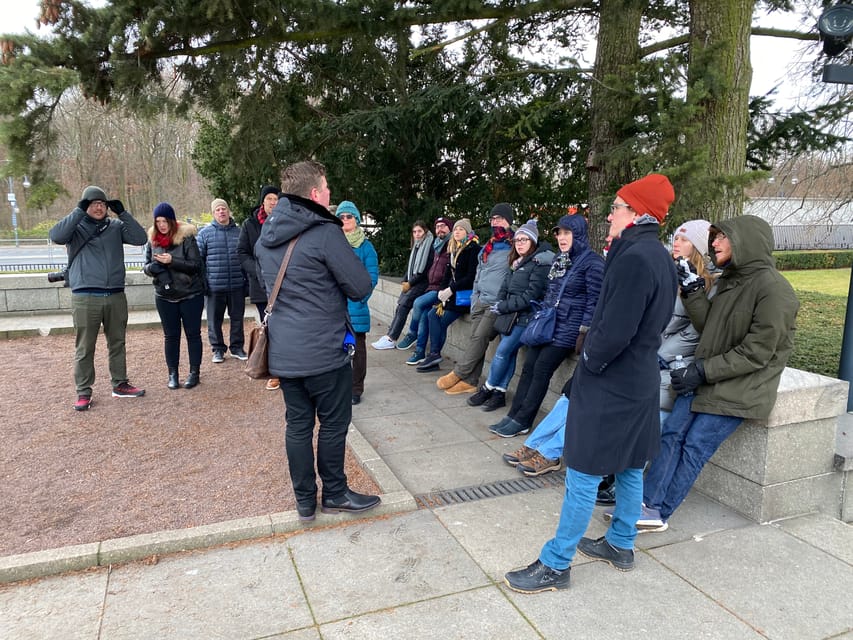
The tour lasts about 2.5 hours. That’s long enough to cover major WWII and Cold War landmarks, but short enough that you’re not spending your whole day in one theme.
You should plan for steady walking. The tour runs rain or shine, so bring an umbrella or raincoat if the forecast is shaky. Comfortable shoes are non-negotiable, since you’ll want your feet to feel good when the tour turns reflective.
What to bring is simple and practical:
- Water
- Light snacks
- Comfortable walking shoes
- Umbrella or raincoat if weather looks unstable
A small tip: if you tend to get tired during walking tours, eat something beforehand. It’s easier to stay mentally present when your energy is stable.
Price of $34: what you’re really paying for in value
At $34 per person, this tour is positioned as a short, high-impact history experience. The value comes from the combination: multiple major WWII and Cold War landmarks in one coherent route, plus an expert guide and included Then-and-Now materials.
Here’s the practical value equation:
- You get 2.5 hours with an expert guide, which is usually where standalone self-guided tours fall short.
- You hit a concentration of key sites, so you’re not wasting time transferring between scattered locations.
- You get context you can use immediately, especially for understanding why the division happened and why unification followed.
If you are in Berlin for a limited time, $34 for this kind of coverage is a reasonable trade. If you have unlimited days and you love slow, museum-style learning, you might spend more time on your own. But for many travelers, a focused small-group route like this is the fastest way to build understanding.
Who this tour suits best, and who might want a different pace
This tour is a strong fit if you want:
- a WWII and Cold War Berlin overview that makes the timeline feel connected
- a guided walk through top sites tied to Nazi power and Cold War division
- a small-group format that feels more personal than a large bus tour
You might think twice if you get overwhelmed by heavy topics quickly, or if you prefer slow stops with lots of personal time. This route is designed for coverage and clarity, not long quiet reflection at every single site.
Also, if you have mobility needs, the tour is listed as wheelchair accessible. That’s helpful, because it suggests the experience is designed to be doable beyond the standard “assume everyone can walk long distances” approach.
Should you book this Hitler to Stalin tour?
Book it if you want your Berlin history to make sense fast. You’ll leave with a strong sense of how WWII and the Cold War are linked, and you’ll see the landmarks that turn political decisions into something physical, like the Berlin Wall and Checkpoint Charlie.
Skip it or pair it with extra time if you want a lighter, more entertainment-focused tour, or if you need lots of breathing room for memorial stops. For most people, though, a small-group, guide-led 2.5 hour walk from the Brandenburg Gate through Nazi-era sites and Cold War checkpoints is a smart way to get real understanding without spending days sorting through it yourself.
FAQ
How long is the Hitler to Stalin tour?
It lasts about 2.5 hours.
Where does the tour start and end?
You meet at the Tourist Center at the Brandenburg Gate and the tour ends back at the same meeting point. Look for the blue umbrella.
What is the price?
The price is listed as $34 per person.
Is the tour guided and what language is it in?
Yes, it has a live tour guide speaking English.
Does the tour run in bad weather?
Yes, the tour takes place rain or shine.
What should I bring?
Bring comfortable shoes, water, and light snacks. If weather is unfavorable, bring an umbrella or raincoat.
Is the tour wheelchair accessible?
The tour is listed as wheelchair accessible.
Can I cancel for a refund?
Free cancellation is available up to 24 hours in advance for a full refund.
Is there a pay later option?
Yes, you can reserve now and pay later.
Recently added around Berlin
- Berlin Private Custom Walking Tour With A Guide (Private Tour)★ 4.5 · 8 reviews
- One Up to 3 Rickshaws(6 GUESTS)-Taylor Made Rickshaw Berlin Tour★ 5.0 · 20 reviews
- Moonshine Comedy – English Stand Up Comedy by the bay★ 5.0 · 11 reviews
- Private Half-Day Berlin Sightseeing Tour with a Minivan Including Short City Walks★ 5.0 · 31 reviews
- Private taxi tour to Potsdam and Sanssouci 6-8h★ 5.0 · 30 reviews
- Private City Kickstart Tour: Berlin★ 4.5 · 71 reviews
- Private tour of Berlin★ 5.0 · 15 reviews
- Private Tutankhamun’s Tomb Live Escape Room in Berlin★ 3.5 · 11 reviews
Third Reich & WW2 History Walks, compared.
Berlin’s Best: 2 Hour Walking Tour Third Reich and the Cold War
Read our review →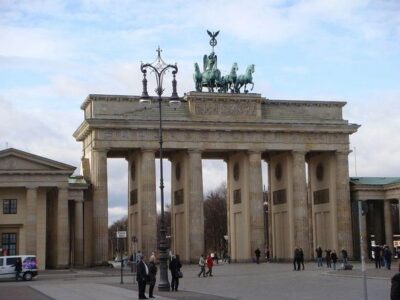
Third Reich Berlin: Hitler and WWII Walking Tour
Read our review →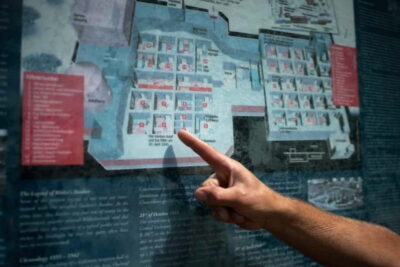

Berlin Third Reich Sites: Half-Day Walking Tour
Read our review →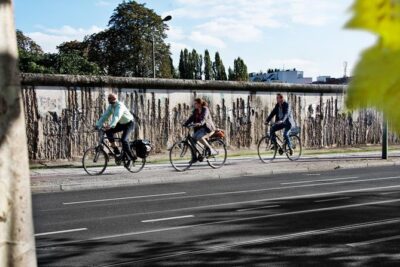
Guided Bike Tour of the Berlin Wall and Third Reich
Read our review →
Hitler’s Germany: Berlin During the Third Reich & WWII
Read our review →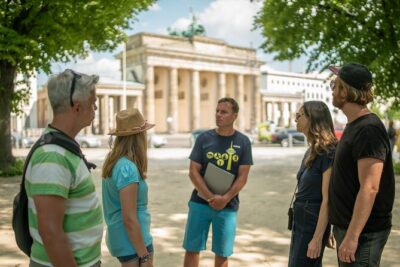
Private Walking Tour Berlin Third Reich Hitler and World War II
Read our review →Browse the lists this tour appears in