
Reviewed · JEWISH BERLIN HERITAGE TOURS
Jewish Life in Berlin – Private Walking Tour
This tour is interesting because it traces Jewish life in Berlin across centuries, then brings you straight to the realities of Nazi persecution and survival. You walk through real neighborhoods tied to that story, with key stops like Otto Weidt’s wartime workshop and the New Synagogue area. It is the kind of history you can actually see in the streets.
I really like two things about it. First, the focus on people and places, not just dates. Second, the private setup, which makes it easier to ask questions as you go, even when topics get heavy.
One possible drawback to consider: this route is very specific to Jewish life sites around Berlin, so you may not see every major Holocaust landmark you expected. The walking can also feel long in hot rain, since it runs in all weather.
Key things you will notice on this private Jewish Berlin walk
- Private guide pace: only your group, so you can slow down at the stops that grab your attention
- Otto Weidt, not just a name: you visit the Museum Blindenwerkstatt Otto Weidt and hear about protection of blind and deaf Jewish workers
- Scheunenviertel and daily life context: you connect the neighborhood layout to how the community lived before the war
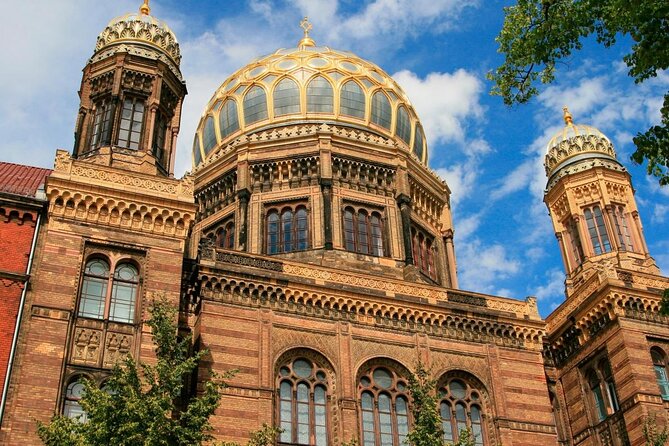
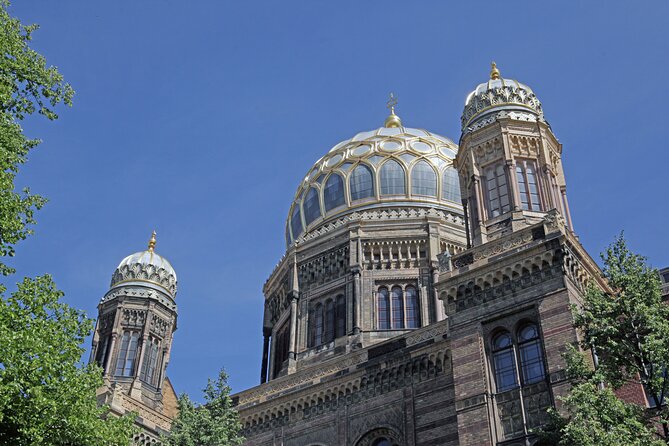
- New Synagogue, now Centrum Judaicum: you see a major architectural landmark and the museum approach to memory
- Nazi era themes included: the tour covers the demise of the Jewish population during the Holocaust, with sensitive framing
- All-weather, mostly flat walking: you will want practical gear, especially in rain or heat
Entering Jewish Berlin: why this walk feels different than a museum day
If you like history that has a pulse, this tour delivers. Berlin can feel like a city of layers, and this is one of the best ways to read those layers through the Jewish community. You start in the central area near Hackescher Markt, then move through streets tied to community life, persecution, resistance, and remembrance.
What I like most is the structure. Instead of jumping only to famous monuments, you get a guided thread that starts with the community’s early presence and then moves through the most difficult decades of the 20th century. That matters because Berlin’s Jewish story is not only tragedy, it is also culture, education, architecture, and everyday life. You are not just told what happened. You are shown where it happened.
Because it is private, your guide can also tailor the pace. In the feedback I saw, guides handled sensitive situations well, and stayed calm when questions came from a range of ages. That is a big deal on a topic that needs care.
Other Jewish heritage tours in Berlin:
- Nazi Berlin and the Jewish Community Tour
★ 4.8 · 55 reviews - Private Tour: Jewish Heritage Walking Tour of Berlin
★ 5.0 · 29 reviews - Jewish Berlin: Walking tour The Old Jewish Quarter (private 3 Hours tour)
★ 5.0 · 27 reviews
A quick value check on the price
The price is $355.25 per group, up to 15 people, for about 3 hours. That sounds steep at first glance, but it can work out well if you share the cost. If your group fills to 15, the per-person cost drops to roughly $24. Even with a smaller group, you are paying for a guide who can spend the full time with just you.
Private tours are also more practical than they look. With a guided walking route, you do not have to figure out what to prioritize across several scattered sites. You also get someone who can explain why these addresses matter, which is the difference between seeing a building and understanding it.
Meeting at Hackescher Markt and setting the tone
You meet your guide at Hackescher Markt S-Bahn station, by Starbucks. The official start point listed is Neue Promenade 3, 10178 Berlin. After a short introduction, you head out on foot.
This opening matters. Berlin can be disorienting if you have not seen the Jewish quarter areas in context. Getting your bearings early helps you connect later stops to the neighborhood story. Many visitors remember this part as the moment the guide turns the city into a map you can follow.
Tip I would not skip
Before you set off, ask your guide what they want you to look for on this route, for example building styles, street names, or specific sites tied to wartime resistance. It speeds up how fast the walk starts clicking.
More walking tours in Berlin:
- Discover Berlin Half-Day Walking Tour
★ 5.0 · 9,624 reviews - Berlin: Third Reich and Cold War 2 Hour Walking Tour
★ 4.9 · 6,830 reviews - Berlin: Discover Berlin Walking Tour
★ 4.9 · 5,998 reviews - Berlin’s Best: 2 Hour Walking Tour Third Reich and the Cold War
★ 5.0 · 5,486 reviews
Die Hackeschen Höfe and the protest memorial connection
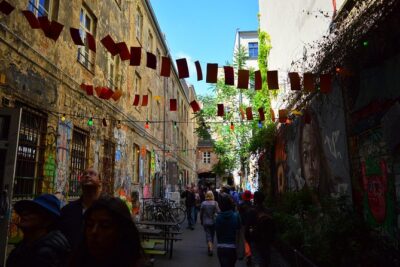
Your next stop is Die Hackeschen Höfe, where your guide explains the history of the site and the Memorial of the woman protest. This is the kind of stop that can seem small if you just rush through it, but with a guide you get the meaning behind the space.
Why this is worth your time: it shows that Jewish life in Berlin was not only about religious buildings and cemeteries. Public life, protest, and community experience also mattered, and street-level memorials can reveal that.
If you are sensitive to heavy topics, this is also a good way to ease in. You get context before the tour moves into the Holocaust era.
Museum Blindenwerkstatt Otto Weidt: resistance you can walk into
One of the most powerful stops is the Museum Blindenwerkstatt Otto Weidt. Here the guide explains Otto Weidt’s role and the resistance against the Nazis, including how he protected blind and deaf Jewish workers during the Holocaust.
This stop works because it is specific. Instead of only covering the system of persecution in general terms, you focus on individual people and an actual wartime workplace. The museum connection also helps you understand the difference between survival as an idea and survival as a set of actions.
What to watch for during the visit: listen for how the guide connects the museum site to the larger story of Nazi exploitation and deportation. When it is explained clearly, you leave thinking about courage in practical terms.
Practical note
Even if you visit a museum often, this one has a heavier tone. Dress appropriately and pace yourself. If your group includes younger travelers, a private tour is ideal because your guide can adjust explanations without losing accuracy.
Scheunenviertel: reading the old Jewish quarter through the streets
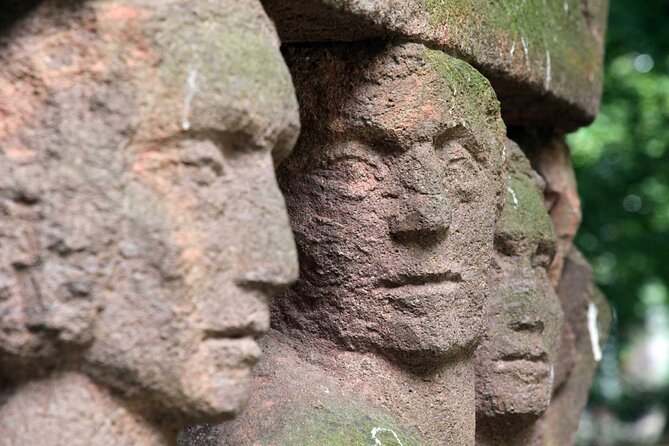
Next you move to the Scheunenviertel, where the guide explains the history of the former Jewish Quarter and the broader history of the Jewish community in old Berlin.
This stop is valuable because it turns geography into story. Neighborhoods shaped how people lived, where communities gathered, and how daily life functioned. Then, when the tour later covers the Nazi era, you can see how the same streets and structures were used against the community.
A small drawback here is also simple: if you are expecting a dramatic landmark at every turn, Scheunenviertel is more about atmosphere and connections than one big photo-op. But that is exactly why the walk is so effective.
Sophienstraße and the street-name breadcrumb trail to monarchy
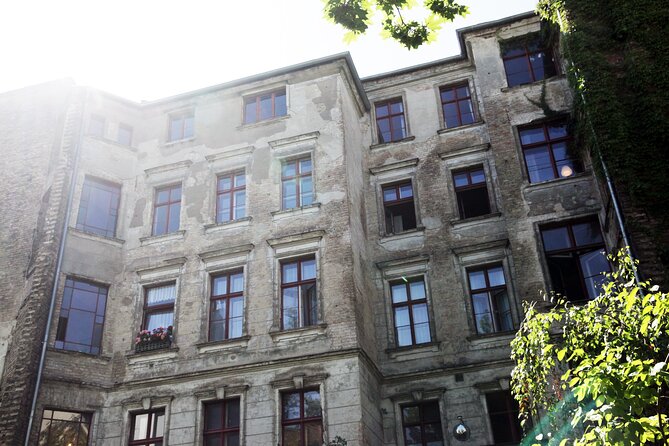
At Sophienstraße, the guide explains the history of the street, named after Queen Sophie. It sounds like a detour into general Berlin, but it is not.
Street names are how cities quietly broadcast power and identity across time. By walking these streets, you understand that Jewish life was happening in the same urban world as monarchy, religion, and shifting political eras. It keeps the story grounded in the city as it existed, not just in the Holocaust narrative.
If you like guided wandering, this is a sweet spot. It breaks up the heavier stops and gives your mind a breather without dropping the theme.
Grosse Hamburger Strasse: cemeteries, schools, and deportation context
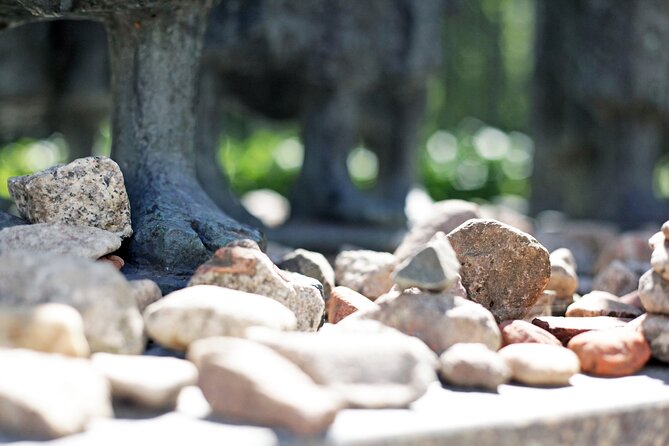
Then you go to Grosse Hamburger Strasse, where your guide explains the history of the Jewish cemetery, a Jewish school, and the deportation of Jews in the Nazi era.
This part can be emotional. Cemeteries and schools are especially intense because they point to life that should have continued. When the guide links these places to deportation, it can feel abrupt, but it is historically important.
One reason I would choose this tour over cobbling together a DIY route is the sequencing. Your guide helps you connect what you see with what happened, rather than treating each stop as a separate fact.
Sophia Church: a surprising link your guide will explain
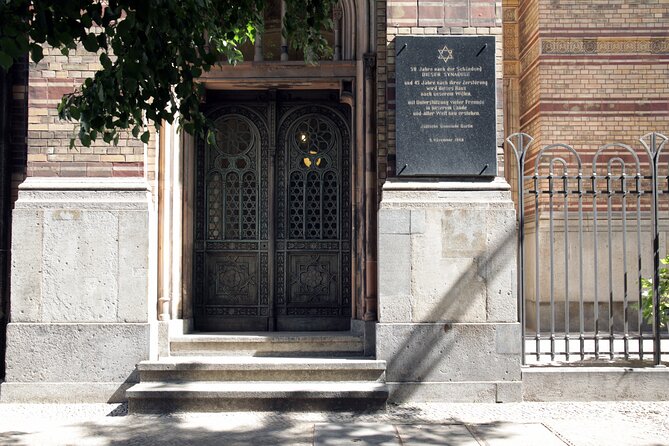
At Sophia Church, the guide explains the history of the church and its connection to Martin Luther King. That is a detail you might not guess on your own, which makes it worth having a guide do the connecting.
You should be ready for this stop to feel a bit different from the explicitly Jewish sites. In Berlin, religious and civic history can overlap in unexpected ways. The guide’s job is to keep that thread coherent.
Auguststraße: galleries and the built environment of community life
On Auguststraße, the guide discusses the history of the site known for art galleries and important buildings of the old Jewish community.
This is where the tour helps you see Berlin’s present-day vibe as part of the same long timeline. Art galleries and institutions can make the area feel modern and trendy, but your guide frames that today in relation to what stood there earlier.
For a practical traveler, this stop is also useful because it gives you ideas for what to explore after the tour. If you notice what the guide points out, you can better navigate the neighborhood on your own without getting lost in generic sightseeing.
New Synagogue Berlin and Centrum Judaicum: architecture plus memory
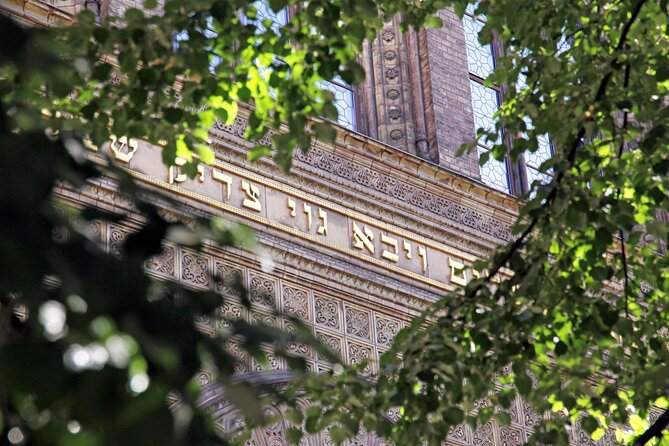
The final stop is Stiftung Neue Synagoge Berlin, Centrum Judaicum, at Oranienburger Str. 28-30, 10117 Berlin. You also get the tour’s big landmark moment here: the 19th-century New Synagogue, described as one of Berlin’s most significant Jewish landmarks and an important late-19th-century architectural monument.
The key practical point: this synagogue now connects to the Centrum Judaicum, which traces the history of the building and the life associated with it. So you are not only looking at architecture. You are also guided toward how the building functions as a memory device, explaining events like the Night of broken glass in 1938 and people who helped Jewish people.
About Holocaust memorial expectations
Some people go in expecting a specific Holocaust memorial stop. The route here focuses on Jewish life sites across the city and ends at the Centrum Judaicum area. If you want the big standalone Holocaust memorial complex too, I would plan it separately, so your day stays satisfying instead of feeling like you missed something.
How long you will truly walk, and what to bring
This tour runs about 3 hours and includes multiple short stops. Each segment is short, but the walking adds up.
From experience with similar Berlin walks, and based on what guides and groups report, this is mostly flat walking, but it can still feel long in hot weather or rain. Your ticket is mobile, and the tour operates in all weather conditions, so you need real-world gear.
Bring:
- A compact umbrella or rain jacket if the forecast looks wet
- Water, especially in summer
- Comfortable shoes you can stand and walk in for a solid chunk of time
If you want photos, you will need to accept that some stops are more about listening than lingering. Your guide will keep the pace moving so you cover the key story beats.
Who this private Jewish Life in Berlin walk is best for
This tour suits you if you want a guided route that connects Jewish history to real Berlin addresses. It is especially good for:
- Small groups who want privacy and the ability to ask questions
- Travelers who like context, not just monuments
- People who want both the Jewish heritage thread and the WWII era narrative handled with care
It is also a strong choice for first-timers to Berlin Jewish history who do not want to build a complex route themselves. A guide can keep names, places, and timelines from blurring together.
If you are traveling with mixed ages, private tours tend to work well because the guide can adjust explanations on the fly. I saw feedback praising guides for handling a sensitive situation well and for staying poised while answering questions across ages.
Should you book Jewish Life in Berlin – Private Walking Tour?
I think you should book it if you want a focused, guided walk that covers the sweep from early Jewish presence in Berlin to the shock of the Nazi era and the remembrance of key landmarks today. The combination of Otto Weidt, neighborhood context in areas like Scheunenviertel, and the ending at the New Synagogue and Centrum Judaicum gives you both emotion and understanding.
Skip it only if you want a more general, stop-every-10-minutes sightseeing tour or if your top priority is a specific Holocaust memorial site not covered by this route. If that is you, pair this with a separate memorial visit for the best of both worlds.
FAQ
Where does the tour start and end?
The meeting point is at Hackescher Markt S-Bahn station, outside Starbucks. The official start address listed is Neue Promenade 3, 10178 Berlin. The tour ends at New Synagogue Berlin – Centrum Judaicum, Oranienburger Str. 28-30, 10117 Berlin.
How long is the Jewish Life in Berlin private walking tour?
It runs for about 3 hours.
Is it a private tour and how large is the group?
Yes. It is a private tour/activity, and the price is per group up to 15 people.
How much does it cost?
The price is $355.25 per group (up to 15), for approximately 3 hours.
Do I get tickets on my phone?
Yes. The tour includes a mobile ticket.
What stops and landmarks are included?
You will see and learn about sites including Museum Blindenwerkstatt Otto Weidt, Scheunenviertel, Sophienstraße, Grosse Hamburger Strasse (including the Jewish cemetery and school context), Sophia Church, Auguststraße, and Stiftung Neue Synagoge Berlin – Centrum Judaicum.
Does the tour run in bad weather?
Yes. It operates in all weather conditions, so dress appropriately.
Is it suitable for most travelers, and are service animals allowed?
The tour notes say most travelers can participate, and service animals are allowed.
What is the cancellation policy?
You can cancel for free up to 24 hours in advance for a full refund. If you cancel less than 24 hours before the experience starts, the amount you paid is not refunded.
When is the New Synagogue/Centrum Judaicum stop open?
The listed opening hours are Monday to Sunday, 9:00 AM to 3:00 PM, for the period shown: 02/17/2022 to 09/03/2026.
Recently added around Berlin
- Berlin Private Custom Walking Tour With A Guide (Private Tour)★ 4.5 · 8 reviews
- One Up to 3 Rickshaws(6 GUESTS)-Taylor Made Rickshaw Berlin Tour★ 5.0 · 20 reviews
- Moonshine Comedy – English Stand Up Comedy by the bay★ 5.0 · 11 reviews
- Private Half-Day Berlin Sightseeing Tour with a Minivan Including Short City Walks★ 5.0 · 31 reviews
- Private taxi tour to Potsdam and Sanssouci 6-8h★ 5.0 · 30 reviews
- Private City Kickstart Tour: Berlin★ 4.5 · 71 reviews
- Private tour of Berlin★ 5.0 · 15 reviews
- Private Walking Tour: Behind the Iron Curtain and Berlin Wall★ 5.0 · 10 reviews
Jewish Berlin Heritage Tours, compared.
Private Tour: Jewish Heritage Walking Tour of Berlin
Read our review →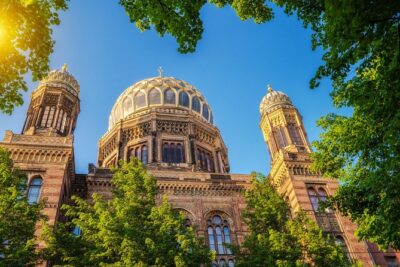
Jewish Berlin: Walking tour The Old Jewish Quarter (private 3 Hours tour)
Read our review →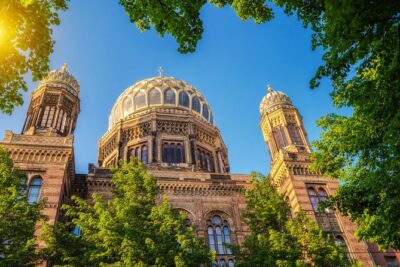
Jewish Berlin Extended (private Walking tour – 5 Hours)
Read our review →
Berlin‘s Jewish Heritage Private Tour With Jacob
Read our review →Browse the lists this tour appears in