
Reviewed · THIRD REICH & WW2 HISTORY WALKS
Private Day Tour to Germany and Poland – Traces of World War 2
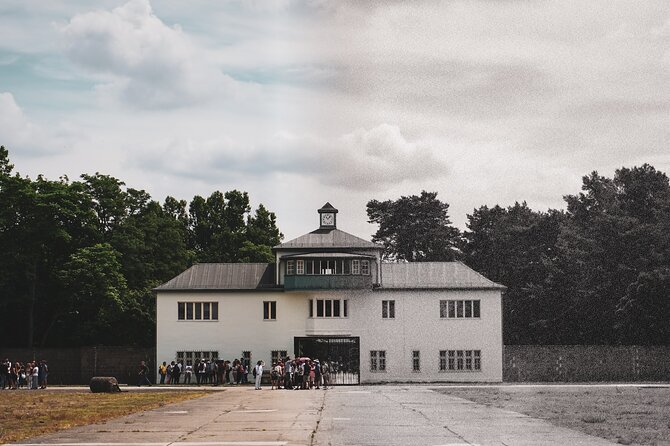
WW2 trips are common. What makes this one different is the shape of the day. You start in Berlin, then follow the story into Poland, moving from a former Nazi camp site to the lived reality of civilians during air raids and life under the Iron Curtain.
Two things I really like: you get private door-to-door transport plus a guide who keeps asking-and-answering going, and you also get structured time with audio-guides and museum stops so you can process what you’re seeing, not just rush past it. In the drive and walking parts, Maciej stayed engaging and clear, even with tough questions.
The main drawback is that this is a long day and emotionally heavy. Add in some museum closures depending on the day of the week, and you’ll want to be flexible with expectations for which specific Szczecin museum gets the spotlight.
Key highlights before you go
- Private pickup from your Berlin-area hotel and a full day of direct driving between Germany and Poland
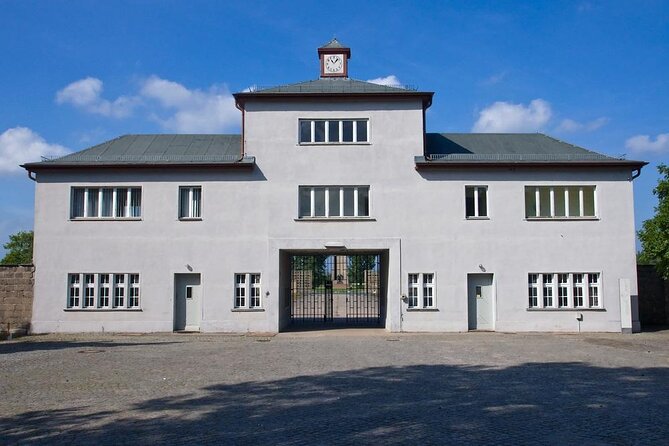
- Audio-guide coverage at Sachsenhausen Memorial and Museum in your language
- Szczecin Underground Routes focused on shelters and civilian life under air-raid and atomic threat fears
- The Dialogue Centre Upheavals for the post-war years and the road to freedom beyond the Iron Curtain
- A built-in Polish dinner in Rynek Sienny, plus snacks and drinks during the drive
- Maciej’s teaching style: engaging on the road, detail-oriented in museums, and calm pacing in Szczecin
A 12-hour WW2 day trip that links Berlin to Szczecin
If you want a WW2 trace that doesn’t end at one site, this route has the right idea. You leave Berlin in the morning and spend the day stepping through two different historical lenses: Germany’s concentration camp reality, then Poland’s wartime damage and the long shadow after 1945.
The day is built around a mix of “look and listen” and “walk and think.” That matters. Concentration camps and post-war repression are not the kind of topics you want to tackle at speed. Here, the schedule gives you time to slow down, and it does it without making the day feel empty.
You should still know what you’re signing up for. You’ll be dealing with heavy themes, and the trip is long enough that comfort choices matter. Plan on being tired by the end, even if the day flies by mentally.
Other Third Reich and WW2 history walks in Berlin:
- Berlin: Third Reich and Cold War 2 Hour Walking Tour
★ 4.9 · 6,830 reviews - Berlin’s Best: 2 Hour Walking Tour Third Reich and the Cold War
★ 5.0 · 5,486 reviews - Third Reich Berlin: Hitler and WWII Walking Tour
★ 5.0 · 3,301 reviews
Berlin pickup, the drive snack kit, and the rhythm of the day
The tour starts at 8:00 am with pickup from your hotel in the Berlin area. The first stretch is about an hour to reach the Sachsenhausen area. During that drive, you’re not left sitting in silence with dry throat and dry snacks. The tour includes free refreshments and snacks, which is a small detail that makes a big difference when your day begins early.
This also sets the tone. Maciej came across as talkative and engaging in the car, and that helps because you get historical framing before you reach the memorial. It’s easier to make sense of what you’re about to see when the story is guided in a conversational way, not just dumped on you at the first stop.
The route then keeps moving: another chunk of driving gets you to Szczecin. In practical terms, this kind of private, cross-border day works best when you’re okay with being in transit for real chunks of time. If you hate sitting in a vehicle, you may find the pacing tiring. If you want a focused day with minimal hassle, it’s a strong fit.
Sachsenhausen Memorial and Museum: audio-guided structure for hard topics
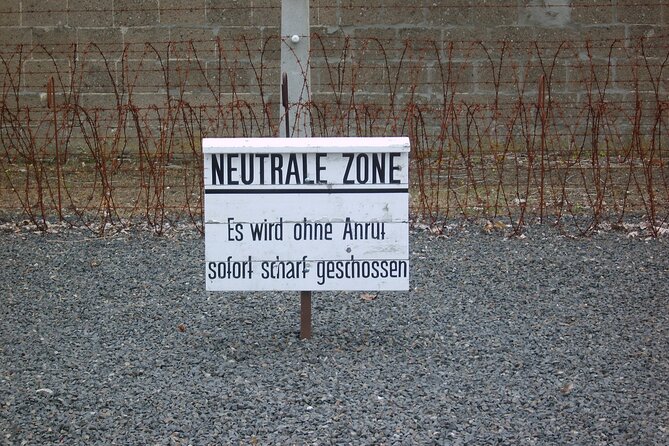
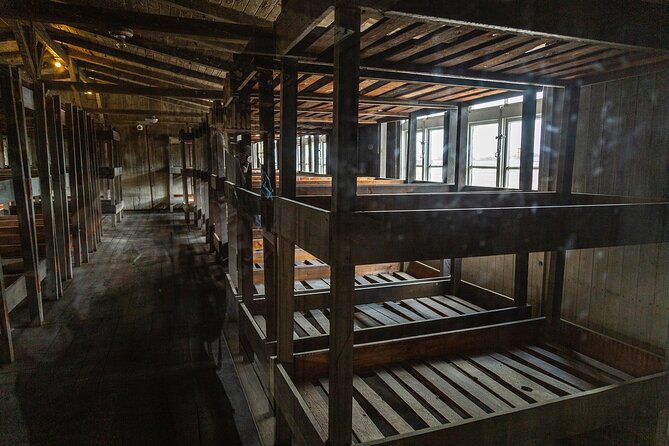
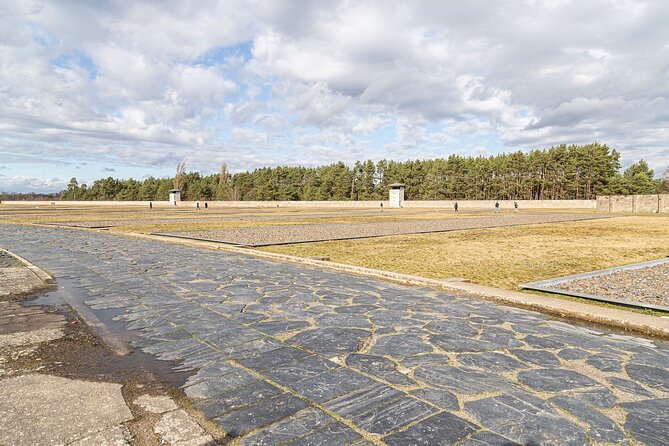
Your first major stop is Sachsenhausen Memorial and Museum, where you take an audio-guide tour in your language. The visit is designed to explain what happened there, including the “life and death of innocent people” under the Nazi concentration camp system.
I like this format for one reason: an audio-guide gives structure. You’re not trying to follow a lot of random details in your head while also doing the emotional heavy lifting. You can pause, move at your own pace, and let the message land.
At the same time, the tour doesn’t feel clinical. Maciej’s style in and around the site was described as professional and educational, with time for reflection. That’s not fluff. When you’re seeing places tied to atrocity, you need room to absorb, not just facts.
One practical consideration: concentration camp sites can take a toll. Build your mindset for a day that asks more of you emotionally than a typical sightseeing day.
Szczecin city highlights: an easy walk before the museums
After driving about two hours, you reach Szczecin, Poland. This portion is lighter in pace but still meaningful. You take a short walk through major highlights, including the National Philharmonic, Solidarity Square, Chrobry Embankment, and The Pomeranian Dukes Castle with its famous clock tower.
This city stop is valuable because it reminds you that history didn’t happen in a vacuum. You’re seeing places that belong to modern life, not just ruins or memorial grounds. It’s a good way to reset your eyes before you step back into museum rooms.
Depending on the day, you’ll also visit at least one of two major museums focused on recent Polish history. That flexibility can be helpful, because it means the tour is trying to keep the experience moving even when opening hours shift.
A small drawback to plan for: museum choices in Szczecin can vary by weekday. So if you have a must-see exhibit list, you’ll want to accept that the day’s schedule governs what you get in practice.
A few more Berlin options worth a look
- Berlin: Private Reichstag and Glass Dome Tour
★ 4.8 · 2,226 reviews - Berlin Private Complete History All Day Walking Tour
★ 5.0 · 474 reviews - Private Walking Tour Berlin Third Reich Hitler and World War II
★ 5.0 · 360 reviews - Private Berlin: Iconic Sights and Hidden Gems Walking Tour
★ 5.0 · 292 reviews
Szczecin Underground Routes: shelters, organization, and the fear of attack
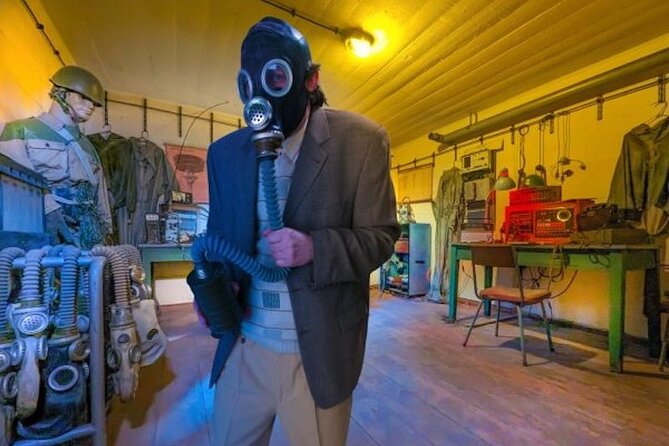
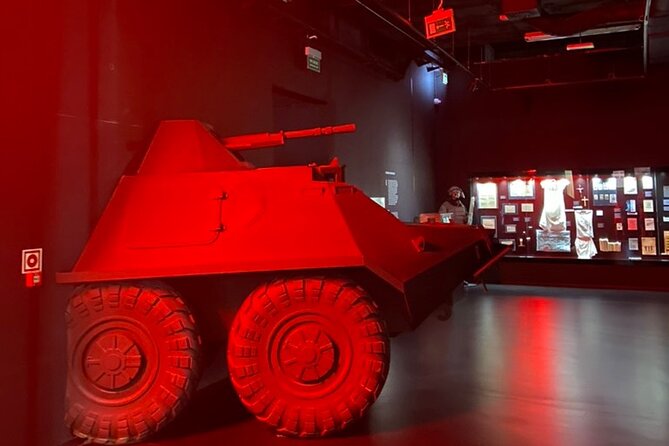
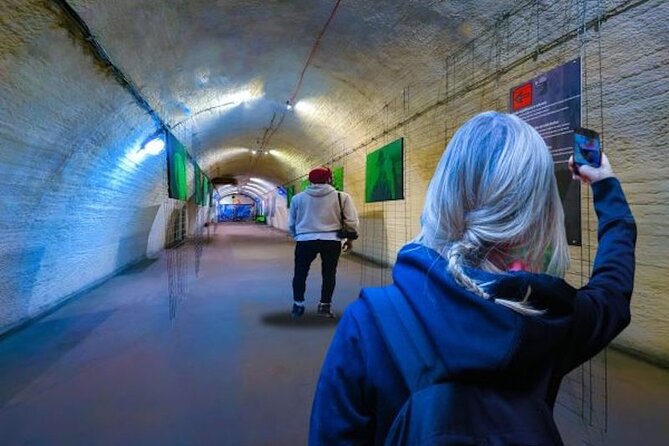
Next comes Szczecin Underground Routes, where you walk through underground tunnels and shelters. This stop focuses on how civilians’ lives were organized during air raids and even the threat of an atomic event after WWII.
This kind of stop can be surprisingly practical as a learning experience. It takes the idea of fear and turns it into physical space. You start to imagine movement, routines, and how people tried to keep life functioning even when safety was fragile.
The tour allots about an hour here, and that’s about right. It’s long enough to get oriented and understand the story, but not so long that you feel dragged through a tunnel maze with no breathing room.
Important timing note: the Underground Routes museum is closed on Tuesdays and Wednesdays. If your dates land on those days, your day will need to adjust around the closure.
The Dialogue Centre Upheavals: post-war life, the Iron Curtain, and freedom
After the underground stop, you head to the National Museum in Szczecin, The Dialogue Centre Upheavals. This is where the tour connects the post-war period to the bigger political story, including the reality behind the Iron Curtain and the Polish path toward freedom.
You’re given about an hour here. That’s a sweet spot for a modern exhibition like this one. You can focus on themes without feeling like you’re speed-reading history panels.
Another timing point: this museum is closed on Mondays. Since the tour also visits at least one other museum depending on the day, your guide will be steering you toward what is open. The key is to treat the itinerary as a plan that adapts, not a fixed script.
I also like that this stop doesn’t stop at “oppression happened.” It pushes toward “so how did people live and change things?” That makes the story feel more complete.
Dinner in Rynek Sienny: using food as a reset button
By the time you reach the dinner portion, you’ve been on the move all day. The tour builds in an a la carte dinner with traditional Polish cuisine, scheduled for Rynek Sienny area, and it’s included.
This isn’t just a bonus. A proper sit-down meal helps you switch gears from heavy history mode to human mode. Maciej also helped steer people to a local restaurant, and the food experience was described as excellent. That matters on a private tour because you’re more likely to eat where locals actually go, not where history tours funnel everyone.
After dinner, you head back toward Berlin, with departure around 6:00 pm and arrival back around 8:00 pm.
Price and value: paying for privacy, pacing, and included admissions
At $744.06 per person, this is not a budget tour. But the price starts making sense when you look at what’s wrapped into the day.
You’re paying for:
- Private transportation across a long day, including a cross-border route between Berlin and Szczecin
- Guide time that is described as attentive and question-friendly, not just seat time
- Admission coverage at major sites, including Sachsenhausen Memorial and Museum, Szczecin Underground Routes, and the Dialogue Centre Upheavals
- Meals and road comfort, including dinner plus snacks and beverages during transportation
A private tour at this length is essentially buying yourself two things: less friction and better pacing. You avoid the awkward timing problems of group buses and you get to spend more time where it counts. If you prefer your history with breathing room, and you want a human guide like Maciej who can explain and answer, this price can feel fair.
If you’re traveling on a strict budget, you might decide to do museums by yourself on public transport. But then you would give up exactly what this tour does well: a managed day with included tickets and a clear story thread from stop to stop.
Who this private WW2 traces tour is best for
This experience is a strong match if:
- You want a private day that handles the logistics for you
- You care about both Germany and Poland in the WWII and post-WWII story
- You like learning with a mix of audio-guided museum time and guided context
- You appreciate a guide who answers questions and keeps things calm, not loud
It may be less ideal if:
- You hate long days, because it’s about 12 hours
- You’re sensitive to darker, heavy content, since the concentration camp and post-war fear themes are unavoidable
Should you book this Traces of World War 2 tour?
If you want one day that takes WWII beyond a single headline site, I think you should consider booking. The combination of Sachsenhausen, Szczecin’s civilian-focused underground story, and then the post-war political reality gives you a connected narrative instead of scattered sightseeing.
The biggest reasons to book are practical. The day is organized with included admissions, a real private-transport rhythm, and built-in comfort with snacks and dinner. And the human element matters here, because Maciej’s approach was described as engaging, knowledgeable, and attentive, with professional guidance that still leaves space to reflect.
Just be honest with yourself about the length and the emotions. If you can handle that, this is the kind of tour that makes your time in Berlin feel bigger than the city alone.
FAQ
What time does the tour start, and how long is it?
The tour starts at 8:00 am and lasts about 12 hours.
Is pickup included from my hotel in Berlin?
Yes. A private driver picks you up from your accommodation in the Berlin area.
Is this a private tour?
Yes. It is a private tour/activity, and only your group participates.
What’s included in the price?
The tour includes private transportation and dinner. It also includes snacks and beverages during transportation, plus admission tickets for key stops.
Is an admission ticket included for Sachsenhausen and the Szczecin museums?
Yes. Admission is included for Memorial and Museum Sachsenhausen, Szczecin Underground Routes, and National Museum in Szczecin – The Dialogue Centre Upheavals.
What language is the tour offered in?
The tour is offered in English. The audio guide at Sachsenhausen is available in your language.
Do I need to carry printed tickets?
No. You can use a mobile ticket.
Are the Szczecin Underground Routes open every day?
No. The museum for Szczecin Underground Routes is closed on Tuesdays and Wednesdays.
Is the Dialogue Centre Upheavals open every day?
No. The National Museum in Szczecin – The Dialogue Centre Upheavals is closed on Mondays.
What is the weather and cancellation situation?
The experience requires good weather. If it’s canceled due to poor weather, you’ll be offered a different date or a full refund. You can cancel for a full refund up to 24 hours in advance of the start time.
Recently added around Berlin
- Berlin Private Custom Walking Tour With A Guide (Private Tour)★ 4.5 · 8 reviews
- One Up to 3 Rickshaws(6 GUESTS)-Taylor Made Rickshaw Berlin Tour★ 5.0 · 20 reviews
- Private taxi tour to Potsdam and Sanssouci 6-8h★ 5.0 · 30 reviews
- Moonshine Comedy – English Stand Up Comedy by the bay★ 5.0 · 11 reviews
- Private Half-Day Berlin Sightseeing Tour with a Minivan Including Short City Walks★ 5.0 · 31 reviews
- Private City Kickstart Tour: Berlin★ 4.5 · 71 reviews
- Private tour of Berlin★ 5.0 · 15 reviews
- Private Tutankhamun’s Tomb Live Escape Room in Berlin★ 3.5 · 11 reviews
Third Reich & WW2 History Walks, compared.
Berlin’s Best: 2 Hour Walking Tour Third Reich and the Cold War
Read our review →
Third Reich Berlin: Hitler and WWII Walking Tour
Read our review →
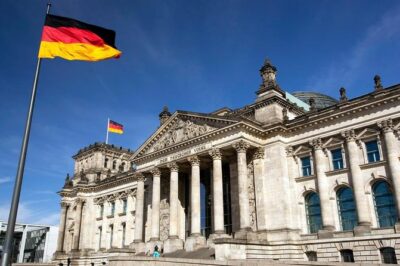
Berlin Third Reich Sites: Half-Day Walking Tour
Read our review →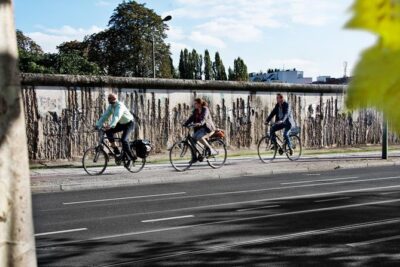
Guided Bike Tour of the Berlin Wall and Third Reich
Read our review →
Hitler’s Germany: Berlin During the Third Reich & WWII
Read our review →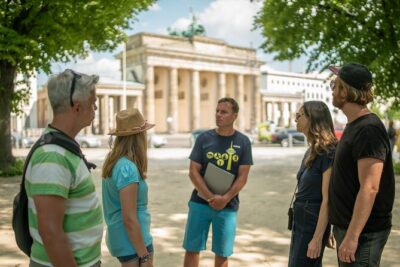
Private Walking Tour Berlin Third Reich Hitler and World War II
Read our review →Browse the lists this tour appears in