
Reviewed · QUEER BERLIN HISTORY TOURS
Queer Berlin Tour: Birthplace of LGBTQ+ Movements
This Queer Berlin tour is interesting because it treats the city like a living archive. You walk between memorials, neighborhoods, and former nightlife spots where LGBTQ+ life was celebrated, policed, and reinvented over and over.
Two things I really like are the way the tour connects major figures like Magnus Hirschfeld to specific places, and the storytelling style led by guides such as Justin and Dan. One possible drawback: it’s a walking tour, so if you have mobility concerns, you’ll want to plan ahead and contact the operator.
Key highlights to watch for
- Schöneberg as the world’s first gay ghetto, where queer nightlife and community formed in public ways
- Magnus Hirschfeld’s Institute for Sexual Science, tied to the monument for the Gay Emancipation Movement
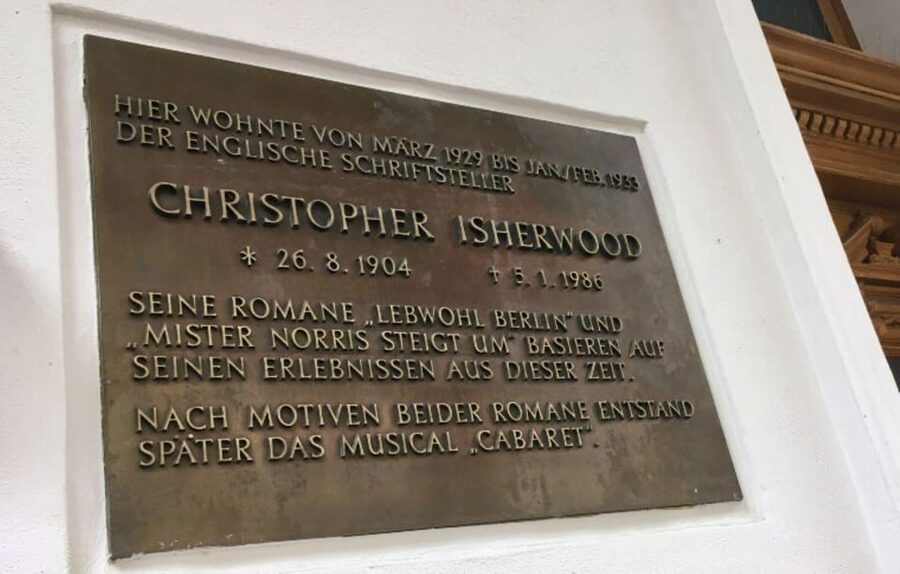
- Weimar-era cultural links to Christopher Isherwood and the ideas behind Cabaret
- El Dorado Cabaret and Ernst Röhm, a reminder that politics and persecution can sit right next to nightlife
- Chez Romy Haag and David Bowie’s Heroes, showing how 1970s queer Berlin shaped mainstream art
- Alexanderplatz in Cold War East Berlin, where the story turns toward what people endured under the Iron Curtain
Why these streets are the real story of LGBTQ+ Berlin
Berlin’s queer history is not only in books. It’s in corners, sidewalks, and buildings that still hold the shape of what happened there. This tour is built to help you read the city like a map, so you understand how movements formed, how communities gathered, and how backlash hit.
A big part of the value is that the tour doesn’t stay in one era. You move from early 20th century progress to Nazi-era violence, then forward to post-WWII reinvention, the 1970s queer scene, and the realities of Cold War East Berlin. That time-jumping approach works because each stop is tied to a concrete location, not just a general lesson.
If you care about LGBTQ+ history in Europe, I think the best benefit here is perspective. You start to see why Berlin could become a crossroads for pioneers, scientists, activists, and artists, even when the world kept changing the rules.
More queer Berlin history tours:
- Berlin: Gay Berlin Out in Schöneberg Walking Tour
★ 4.8 · 281 reviews - Berlin’s Gay, Lesbian, and Queer Scene Small-Group Walking Tour
★ 4.5 · 66 reviews - Queer Berlin Walking Tour
★ 4.7 · 64 reviews
Price and time: what 3 hours at $153 is really buying
At $153 per person for a 3-hour guided walking tour, you’re paying for three things that are hard to replicate on your own: an expert-led narrative, a tight route through meaningful sites, and context that makes each place make sense.
For value, the tour packs in multiple major stops that would take you much longer to connect independently. You’ll see memorials tied to Nazi persecution, the memorial connected to Hirschfeld and the Institute for Sexual Science, and neighborhood-era stories in Schöneberg. Then you keep moving to other key parts of Berlin, including Alexanderplatz.
Also, the tour’s format matters. The review feedback you’re likely hoping for is an engaging guide, small groups, and storytelling with images or music. The tour specifically notes private or small groups, and guides Justin and Dan are described as having in-depth queer history knowledge and lively delivery.
One practical note before you book: it’s not a sit-down museum experience. You’ll be walking, so wear comfortable shoes and plan to stay present through the full loop.
Getting oriented in Nollendorfplatz and Schöneberg’s queer geography
Most people start their Berlin story in classic central sights. This tour starts by grounding you in Schöneberg, and specifically around Nollendorfplatz. That matters because the neighborhood isn’t treated like a single “gay district.” It’s explained as a social ecosystem that shaped queer life and helped movements grow.
In Schöneberg, you’re not just told famous names. You’re also shown why bars, streets, and gathering spots mattered in a time when being queer could put you at risk. The tour emphasizes Schöneberg as the world’s first gay ghetto, and it connects that label to the way legendary lesbian bars and nightlife helped create community.
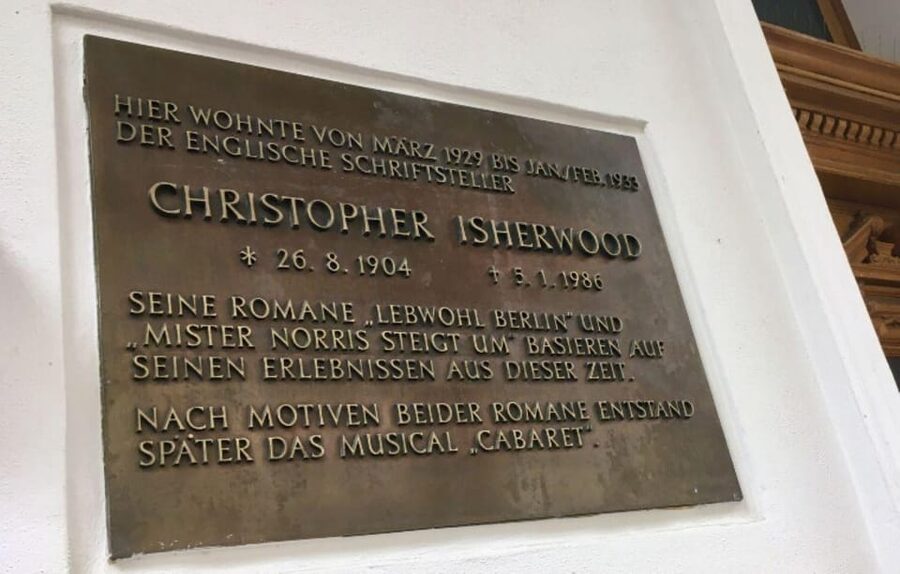
You’ll also get the cultural link to Christopher Isherwood. The tour takes you past Christopher Isherwood’s former flat, and then pulls in the Weimar-era energy that influenced the musical Cabaret. Even if you’re not a theater person, it’s a useful way to understand Berlin’s queer creativity in a period when the city felt like it was inventing itself.
The only thing to keep in mind: Schöneberg’s story is layered. Some parts will feel celebratory, and others will get heavy quickly. That contrast is part of why the tour works.
Memorials and Hirschfeld: where science, identity, and backlash collide
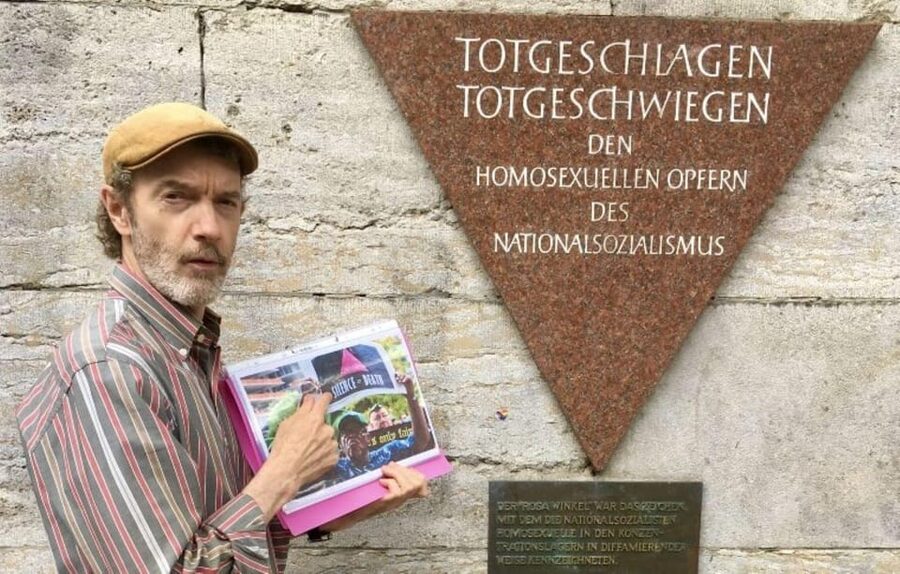
One of the most powerful sections of this walk is the set of stops tied to Nazi persecution and the work of Magnus Hirschfeld. You begin with the Memorial to the Homosexuals Persecuted Under Nazism, which sets a firm emotional and historical baseline. It’s hard to listen to anything that follows without feeling the weight of that opening.
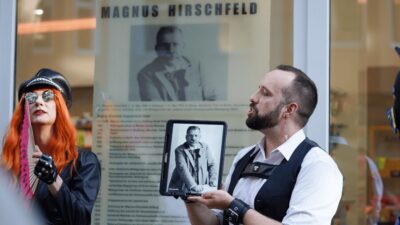
Then the tour focuses on a key location related to Hirschfeld’s life: the site of the Institute for Sexual Science founded by Hirschfeld, tied in the route to the Memorial to the First Homosexual Emancipation Movement. The tour specifically highlights that Hirschfeld coined the term transsexualism and helped pioneer a gay rights movement.
What I like here is the balance between achievement and harm. The tour explains Hirschfeld’s pro-gay work, including the 1919 film Anders als die Andern (Different from the Others), and it also shows what the Nazis did in response. The Institute was closed in 1933, and its library was burned. That detail helps you understand that censorship was not abstract. It was physical destruction.
As you walk from memorial to memorial, you start to see the theme the tour is pushing: progress creates visibility, visibility creates power struggles, and power struggles can become violence fast.
A few more Berlin options worth a look
- Street Art & Berlin Gay, Queer, Trans History + Free Gay Map
★ 4.9 · 15 reviews - Berlin: BKA Theater “Operetta for two gay tenors”
★ 4.0 · 4 reviews
Tiergarten’s Gay Emancipation monument: why a colorful landmark still carries pain
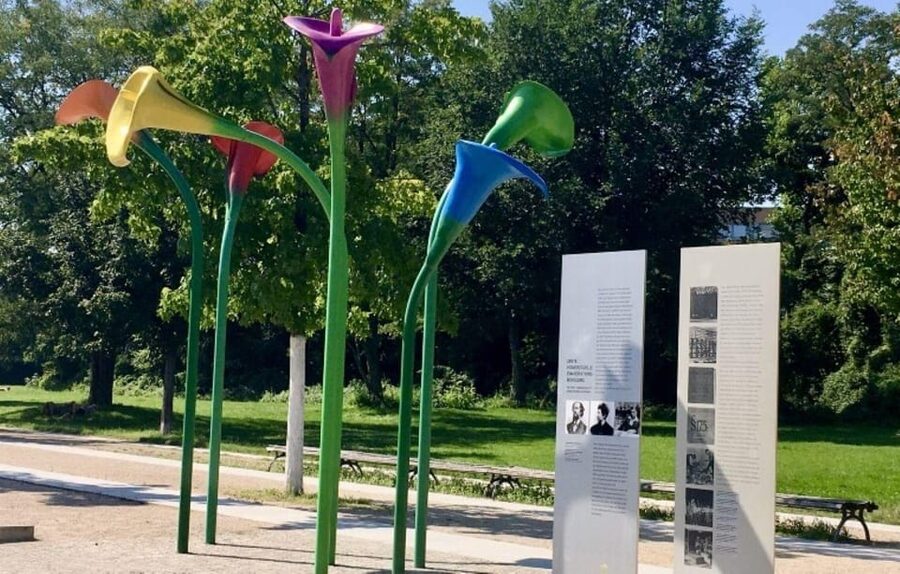
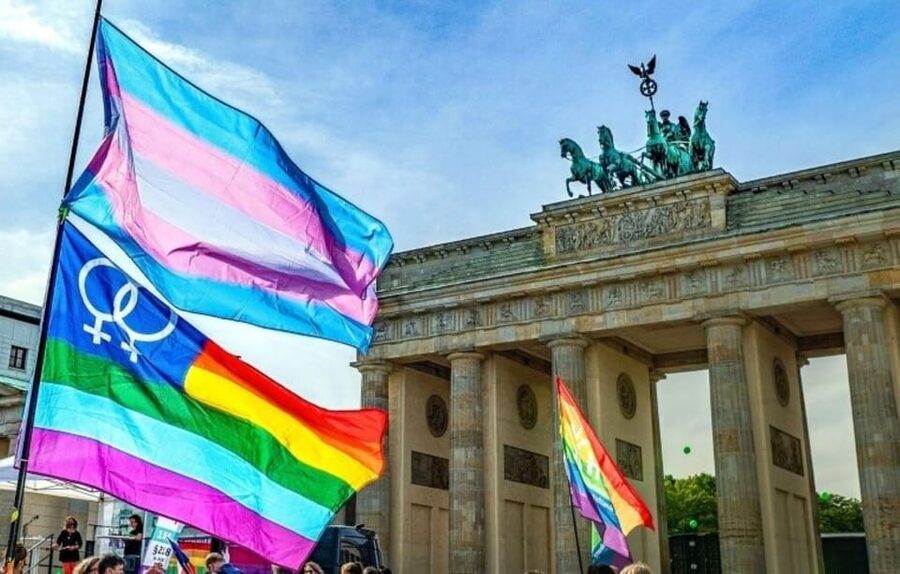
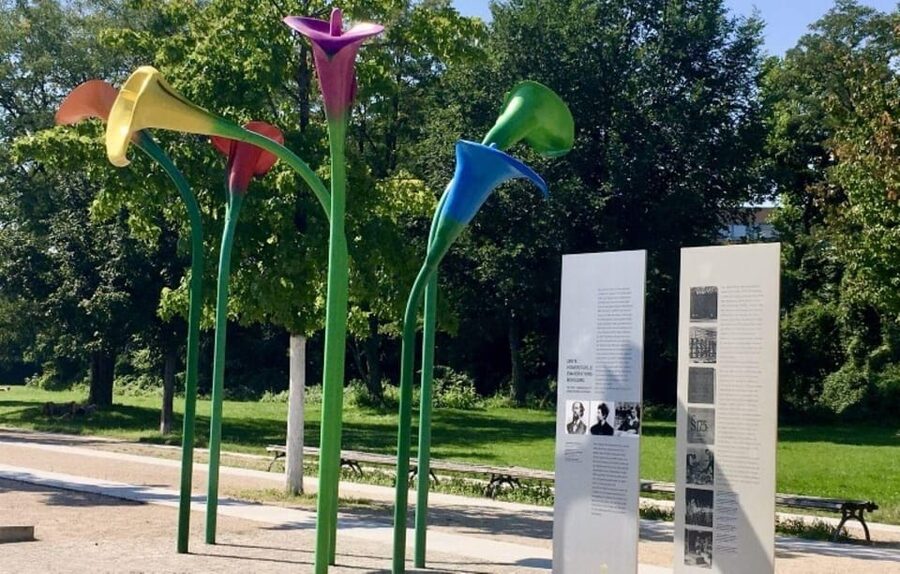
In the Tiergarten area, you’ll encounter a colorful monument to the Gay Emancipation Movement. It’s a striking visual contrast to the darker stories around it, and I think that contrast is the point. Pride and public visibility have always been part of the struggle, even when the cost has been brutal.
From this stop, the narrative returns again to Hirschfeld and to why this moment in Berlin became globally significant. The tour explains that the monument helps mark where the Institute for Sexual Science operated and why Hirschfeld’s ideas mattered.
If you’re worried that the tour will be all theory, you’ll probably be pleasantly surprised by how place-specific this feels. You’re not just hearing that activism existed. You’re seeing the city’s physical reminders of that activism.
This section also helps you understand why Berlin is often described as a birthplace of LGBTQ+ movements. It’s not just a reputation. It’s tied to institutions, public works, and individuals who put their ideas into the world.
From rent-boy dives and El Dorado Cabaret to Ernst Röhm’s danger
The tour doesn’t avoid nightlife details. In fact, it treats nightlife as a social barometer. You’ll pass nightclub spaces connected to queer Berlin’s history, including a rent-boy dive that is described as remaining gay-run to this day.
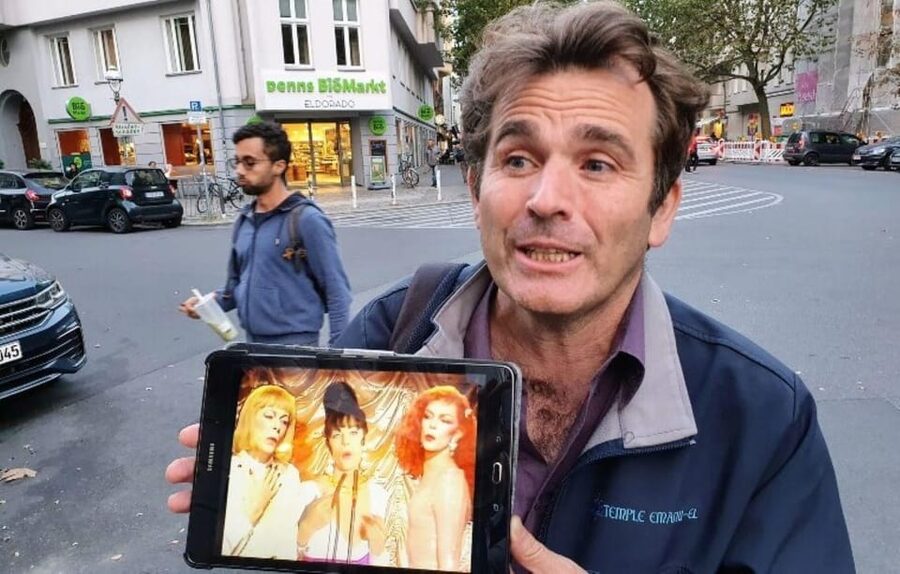
Then the walk moves toward the former El Dorado Cabaret, tied to performances by Marlene Dietrich. That stop helps explain why Berlin’s queer world often mixed art, glamour, and risk. The tour also names notable regulars connected with that era, including Ernst Röhm, described here as the openly gay head of the Sturmabteilung, the Nazi Brown Shirts.
This is one of those moments where the tour becomes a history lesson you can feel. Röhm’s story ends with execution in the “moral purge” of 1934, also known as the Night of the Long Knives. The point isn’t to reduce everything to one villain. It’s to show how quickly political power and sexual prejudice can merge, and how the same society that consumes culture can destroy people when the threat calculus changes.
One practical note: these are the kinds of stops where you may want a moment to process. The guide’s pacing matters, and the narrative is packed. If you tend to get overwhelmed, focus on one takeaway at a time, like how laws changed, or how public roles became deadly.
Unter den Linden disguises, then Alexanderplatz and life behind the Iron Curtain
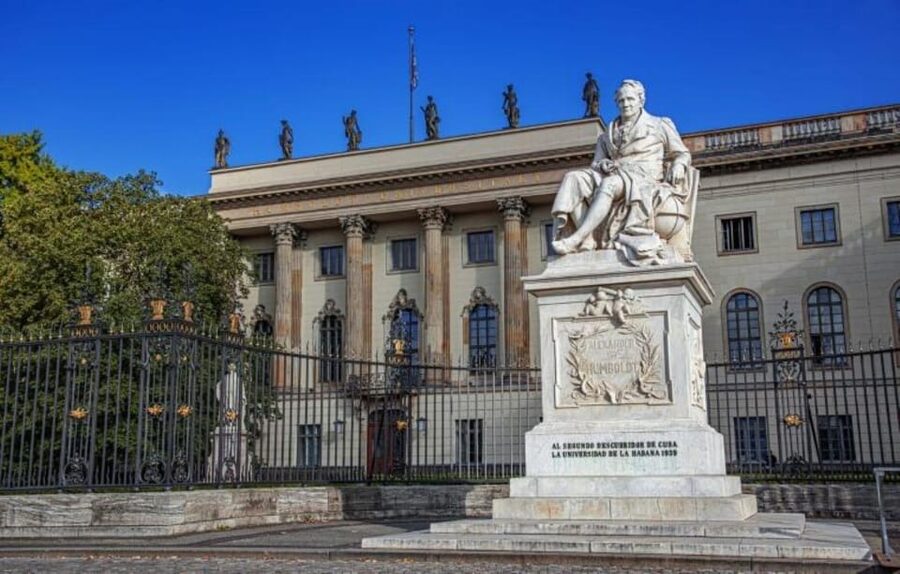
After the Schöneberg and Hirschfeld core, the tour widens out across Berlin and time. At Unter den Linden, you’ll hear about early gay Berliners such as Frederick the Great and explorer Alexander von Humboldt, along with how they disguised their sexuality.
I like this stop because it counters a common misconception. Even in eras we tend to think of as rigid, people found ways to live, strategize, and protect themselves. The tour doesn’t frame it as easy or safe. It frames it as hidden and constrained.
Then the story turns sharply toward Alexanderplatz, which is described as the heart of Cold War East Berlin. Here, the tour explains the suffering endured by gays and lesbians behind the Iron Curtain, and it connects that to the larger idea of queer Berlin being resilient but also targeted.
This part is where I’d encourage you to listen for the emotional tone shift. The earlier chapters cover institutions, nightlife, and public creativity. This section shifts to control, fear, and the long-term effects of state power.
By the time you reach the end, the tour also aims to connect past to present, so you leave with a better understanding of today’s Queer Berlin, not just what came before.
Chez Romy Haag and the David Bowie connection you can actually see
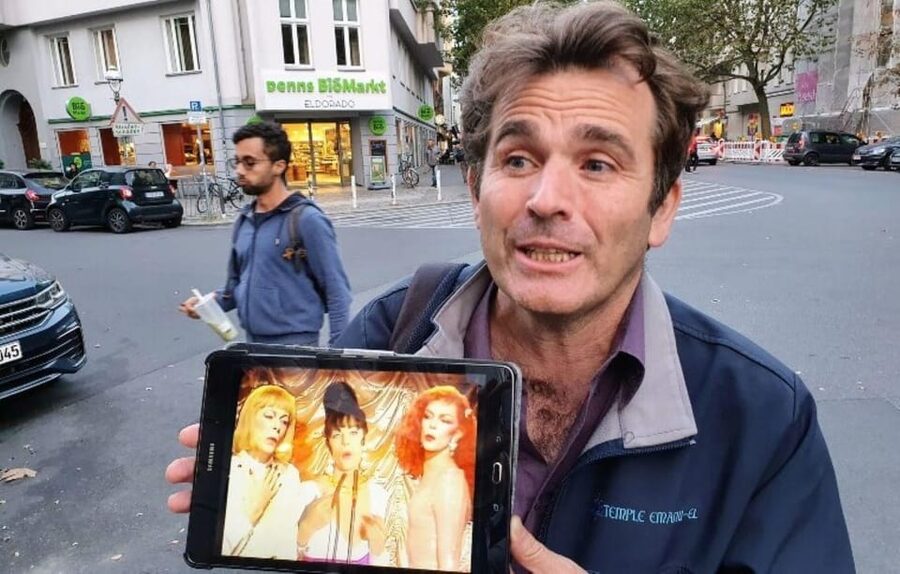
The tour includes a standout 1970s thread: Chez Romy Haag, described as an iconic nightclub of the 70s. At this point you’ll hear about Romy Haag herself, a transgendered actress, singer, and dancer, and the story of how she met David Bowie there and began an affair.
The tour also connects the relationship to Bowie’s iconic song Heroes. That’s a fun pop-culture bridge, but it’s also more than trivia. It shows that queer Berlin was not only surviving. It was producing art that crossed into mainstream culture.
If you love music history, this is the part you’ll likely tell friends about after. If you don’t care about Bowie, you can still enjoy the deeper idea: queer spaces and performers have always influenced what audiences eventually see and sing along to.
Guide style and group size: why the narration matters on this route
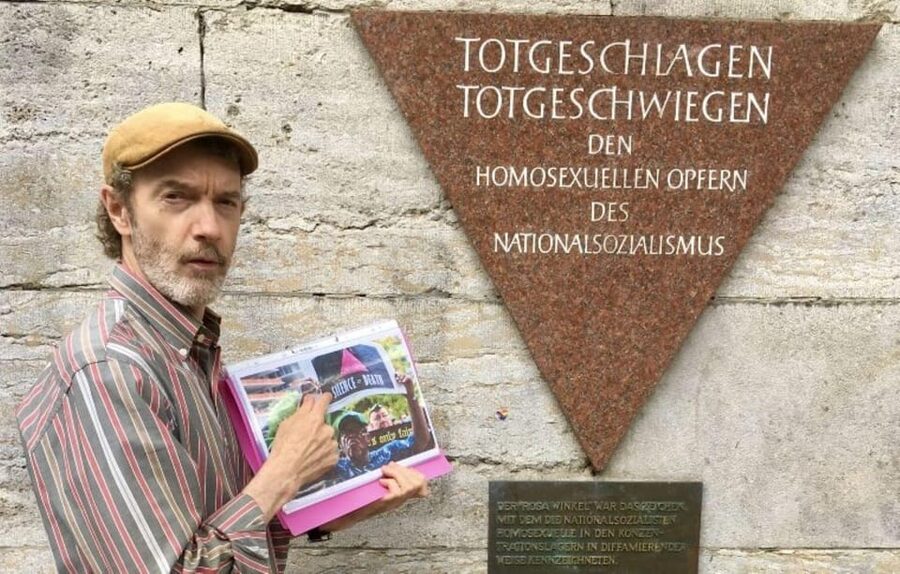
This is a walking tour where the guide is basically the engine. You’re moving through serious topics, shifting from memorials to nightlife lore to Cold War realities, and you need a guide who can keep the thread clear.
The feedback from guides Justin and Dan highlights two strengths. First, the storytelling style, including story-specific soundtrack and use of visuals or music. Second, the lived-in perspective, including a guide who came to Berlin before the wall came down and can offer direct contextual framing.
Another detail that matters is group size. Small groups make it easier to hear the guide well, ask questions, and keep the conversation human instead of crowd noise. The tour notes private or small group availability, and that’s exactly the kind of setup that makes history walks feel more like a guided conversation.
Who this tour fits best, and who should skip it
I’d say this tour is a great match if you want LGBTQ+ Berlin history that’s tied to real places and real stories, not just a list of landmarks. It’s also ideal if you enjoy a narrative approach that blends activism, science, nightlife, theater culture, and political violence into one coherent walkthrough.
You might be less happy if you prefer only upbeat stories, or if you’re uncomfortable with topics like Nazi persecution and Cold War suffering. This tour includes those realities, and it treats them seriously.
If you want a calmer day, you might consider doing Berlin’s lighter attractions on a separate schedule, because this route is emotionally dense even when the guide brings humor and liveliness.
Should you book the Queer Berlin Tour?
Yes, if you want a guided walk that connects Schöneberg, Magnus Hirschfeld, major memorial sites, and the city’s queer nightlife legacy, in one compact half-day format. The $153 price makes sense when you compare it to what you’d spend in time and effort trying to stitch these places together yourself, especially with a guide who can explain why each stop matters.
Book it if you’re excited by story-driven Berlin, where you can go from Hirschfeld’s science to the cultural ripple of Cabaret, then to a Bowie connection and finally to what life meant behind the Iron Curtain. That full arc is the tour’s strength.
Skip it if you have limited mobility and haven’t confirmed the route works for you, because it’s a walking tour. Also skip if you know you only want casual sightseeing, because this route includes heavy history on purpose.
FAQ
How long is the Queer Berlin walking tour?
It lasts 3 hours.
How much does the tour cost?
The price is listed as $153 per person.
Where does the tour start and where does it end?
The starting or pickup location depends on the selected option, and the tour ends at two drop-off locations including Berlin, Impala Coffeeshop.
Is the tour guided in English?
Yes. The tour guide speaks German and English.
Is the tour a walking route?
Yes, it is a walking tour. If you have any mobility issues or concerns, you should contact the operator.
What major sites does the tour include?
You’ll visit key sites such as the Memorial to the Homosexuals Persecuted Under Nazism, the Schöneberg area, the monument to the Gay Emancipation Movement, the Institute for Sexual Science site associated with Magnus Hirschfeld, Christopher Isherwood’s former flat, and the former El Dorado Cabaret.
Does the tour include public transit costs like the metro?
Metro fare is not included.
What size groups are available?
Private or small groups are available.
What historical figures and artists are covered?
The tour description highlights Magnus Hirschfeld, Christopher Isherwood, Marlene Dietrich, Ernst Röhm, Frederick the Great, Alexander von Humboldt, Romy Haag, and David Bowie.
FAQ
Is the tour cancelable and can I pay later?
The activity lists free cancellation up to 24 hours in advance for a full refund, and it also offers reserve now and pay later.
Recently added around Berlin
- Berlin Private Custom Walking Tour With A Guide (Private Tour)★ 4.5 · 8 reviews
- One Up to 3 Rickshaws(6 GUESTS)-Taylor Made Rickshaw Berlin Tour★ 5.0 · 20 reviews
- Moonshine Comedy – English Stand Up Comedy by the bay★ 5.0 · 11 reviews
- Private Half-Day Berlin Sightseeing Tour with a Minivan Including Short City Walks★ 5.0 · 31 reviews
- Private taxi tour to Potsdam and Sanssouci 6-8h★ 5.0 · 30 reviews
- Private City Kickstart Tour: Berlin★ 4.5 · 71 reviews
- Private tour of Berlin★ 5.0 · 15 reviews
- Private Tutankhamun’s Tomb Live Escape Room in Berlin★ 3.5 · 11 reviews
Queer Berlin History Tours, compared.
Berlin’s Gay, Lesbian, and Queer Scene Small-Group Walking Tour
Read our review →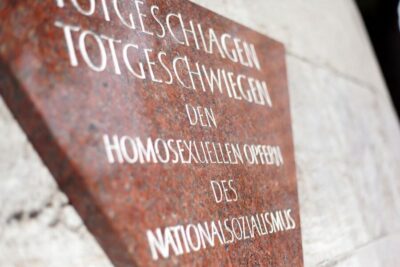
Where It All Began: Berlin’s Queer & Trans History Tour
Read our review →
Street Art & Berlin Gay, Queer, Trans History + Free Gay Map
Read our review →Browse the lists this tour appears in