

Reviewed · HISTORICAL TOURS
Berlin: Charité Hospital History Walking Tour
Charité Hospital is interesting because you’re not just looking at old walls, you’re walking through medicine as it evolved in real time, including the good, the awkward, and the ugly. I like the neo-gothic Charité campus for how it frames big names in science, and I love the Veterinary Anatomy Theatre stop for how it connects medical ideas to everyday life in 18th-century Berlin. The only real drawback to plan for is that it’s mostly outdoors, so you’ll want real cold-weather gear.
You also get a tour that tries to make the stories make sense. You’ll hear about breakthrough figures like Robert Koch and Rudolf Virchow, and you’ll also learn how Charité reflected social progress, like the appointment of Rachel Hirsch as the first woman to hold a medical professorship in Prussia. One more consideration: some hospital and university areas are restricted, so the tour focuses on what’s accessible rather than giving full walk-in access everywhere.
If you’re the type who likes history with specific characters and dates, this one will click. And if you’re more into museums and indoor pacing, you may find the walking a bit brisk. Still, for a 2-hour, guide-led walk through one of Berlin’s most important medical sites, the overall value feels strong.
Key things to know before you go
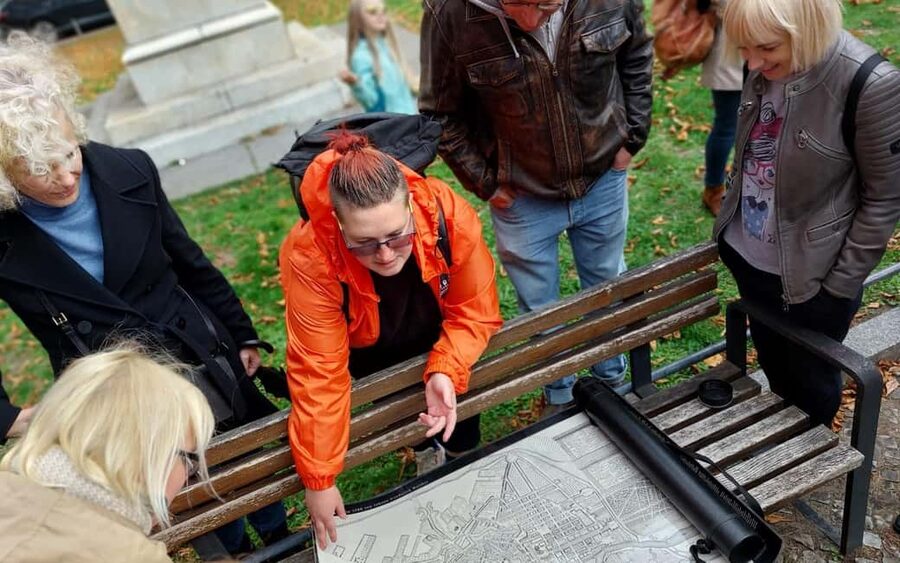
- A starting-point lesson on 1710, when Charité began as a plague house
- Veterinary Anatomy Theatre (15 minutes) in Berlin’s oldest surviving academic building
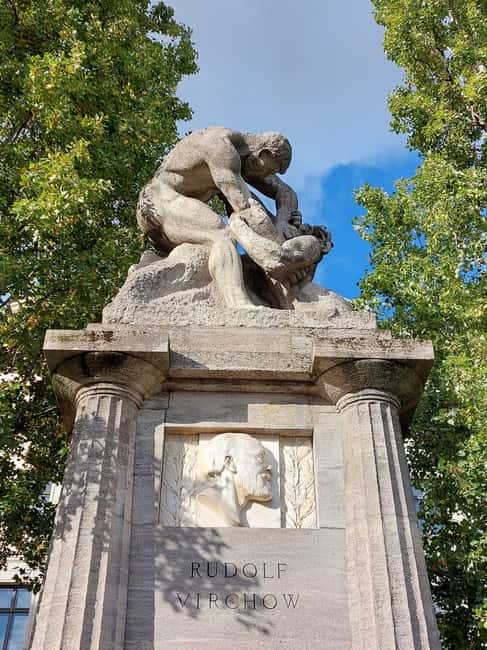
- Robert Koch and Rudolf Virchow meet neo-gothic architecture in the main campus loop
- Rachel Hirsch in 1913, a major step for women in Prussian medicine
- Nazi and East German chapters, including harsh ethics and political storytelling
- Most of the tour outdoors, so dress for the weather and bring comfy shoes
Charité From 1710 Plague House to a World-Name Campus

This tour starts with the idea that Charité is not an isolated landmark. It’s a working institution with a long memory, and it began in 1710 as a simple plague house meant to protect the city while an epidemic closed in. That opening matters because it sets expectations. Medicine here isn’t told as a tidy timeline. It’s shown as a set of changing tools, changing beliefs, and changing power.
In the earliest days, treatment often looked brutal by today’s standards, with methods like bloodletting, doses of mercury, and amputations. You don’t need to be squeamish to appreciate the lesson. The point is practical: it’s a reminder that what counts as modern is always shifting, and institutions can move slowly because human belief moves slowly.
Once the tour shifts forward, Charité becomes a stage for major medical breakthroughs and famous researchers. You’ll hear about big names like Robert Koch and Rudolf Virchow, whose work helped shape how people understood disease and the body. Walking the campus as you learn these names makes the story easier to hold onto. Instead of reading about history later, you’re placing it in space where the breakthroughs physically happened.
And just as important, the tour doesn’t only highlight science. It frames Charité as a symbol of social progress, which becomes clear when the conversation reaches Rachel Hirsch, appointed in 1913 as the first woman to hold a medical professorship in Prussia. That part is especially relevant if you’re traveling through Berlin’s 20th-century storylines anyway, because it gives you a human lens on shifting attitudes, not just policy shifts.
More history tours in Berlin:
- Berlin: Natural History Museum Entrance Ticket
★ 4.6 · 3,382 reviews - Berlin: World Heritage Cruise to Potsdam
★ 4.5 · 1,435 reviews - Berlin Historical Highlights Walking Tour
★ 4.9 · 657 reviews
Meeting at Robert-Koch-Platz and What the 2-Hour Pace Feels Like
The tour meets by the Robert Koch statue at Robert-Koch-Platz. Look for your guide holding an orange umbrella, which is a nice detail for a cold start. It’s a small thing, but it makes the meeting point painless, and you avoid that early travel stress of orbiting a plaza while the clock burns.
The duration is 2 hours, with a walking loop around the Charité campus plus time inside the one key stop, the Veterinary Anatomy Theatre. You should plan for about that full time on your feet. This is a walking tour, and it’s designed for people who can comfortably stand and walk for roughly 2 hours.
A practical tip, straight from the way the tour is built: wear comfortable shoes and bring water. Also dress warmly. Even if you’re from a place that pretends cold is a suggestion, Berlin winter and shoulder-season weather can test your optimism. Most of the tour takes place outside, and the schedule is short enough that you do not want to lose time regrouping because your hands are freezing.
It also helps to know what you’re signing up for, access-wise. Entry to certain active hospital and university areas is not included, and some zones are restricted for guided tours. The tour still covers the major story locations and the parts that are open, but if you’re expecting a roam-your-way-inside experience, you’ll be happier with the planned approach.
Veterinary Anatomy Theatre: Berlin’s Oldest Academic Building Stop
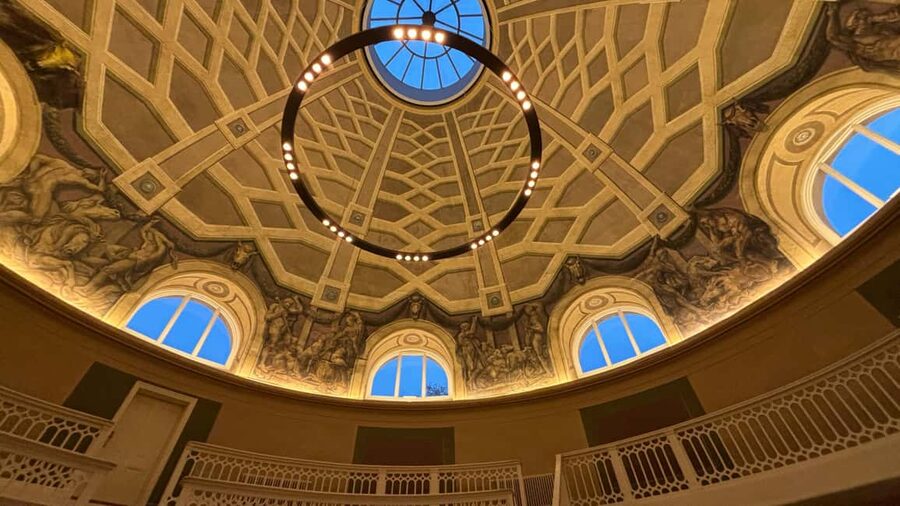
The most time-dedicated moment inside the tour is the Veterinary Anatomy Theatre, with about 15 minutes set aside for the visit. This is not just a pretty interior. The theatre connects medicine to the animals that shaped Berlin’s economy and daily life, especially livestock and cavalry horses.
The tour takes you back to the 18th century, focusing on how ailments of city livestock and horses were explored through anatomy and medical thinking. That angle is smart, because it reminds you that medicine isn’t only human hospitals. It’s farms, stables, transport, and the health of work animals. When you understand that, the evolution of medical research makes more sense.
The theatre is described as Berlin’s oldest academic building still in existence, and that matters because you’re seeing the kind of space where learning and investigation were taken seriously, long before today’s lab culture. If you like architecture that serves a purpose, you’ll appreciate how the building supports the idea of teaching and study.
One caution: the theatre can occasionally be closed due to internal events or public holidays. If your trip overlaps a holiday period, don’t panic, but do plan some flexibility in your day. The rest of the tour can still work, but this stop is a key part of the experience, so it’s worth being aware.
The Charité Campus Loop and the Neo-Gothic Architecture Lesson

After the theatre, the tour circles the historic neo-gothic Charité campus, and this is where the walking format earns its keep. You’re moving through a designed medical world, and the buildings help you understand how institutions project authority and permanence.
The tour highlights that along this campus loop, some of the biggest names in medical history made discoveries. Robert Koch and Rudolf Virchow come up again in the context of place, not just as floating biographies. You’ll also see how the campus architecture frames the story of medicine as something official, public-facing, and influential.
I like this part because it doesn’t treat architecture as decoration. It treats it like evidence. When you’re in a space built for medical power, it becomes easier to understand how research and practice were organized, who had access to professional authority, and how the institution’s prestige shaped outcomes.
Expect a few guided stops of around 15 minutes each during the campus walk. The guide is doing more than pointing. They’re connecting your feet on the path to what people believed and practiced at the time.
There’s also a modern relevance to this campus walk. Charité is still part of Berlin’s medical life, which means the story isn’t dead and behind glass. You’re seeing history and present-day reality in the same neighborhood, even if you cannot access every building interior.
More walking tours in Berlin:
- Discover Berlin Half-Day Walking Tour
★ 5.0 · 9,624 reviews - Berlin: Third Reich and Cold War 2 Hour Walking Tour
★ 4.9 · 6,830 reviews - Berlin: Discover Berlin Walking Tour
★ 4.9 · 5,998 reviews - Berlin’s Best: 2 Hour Walking Tour Third Reich and the Cold War
★ 5.0 · 5,486 reviews
Rachel Hirsch and Women’s Rights Inside a Medical Institution
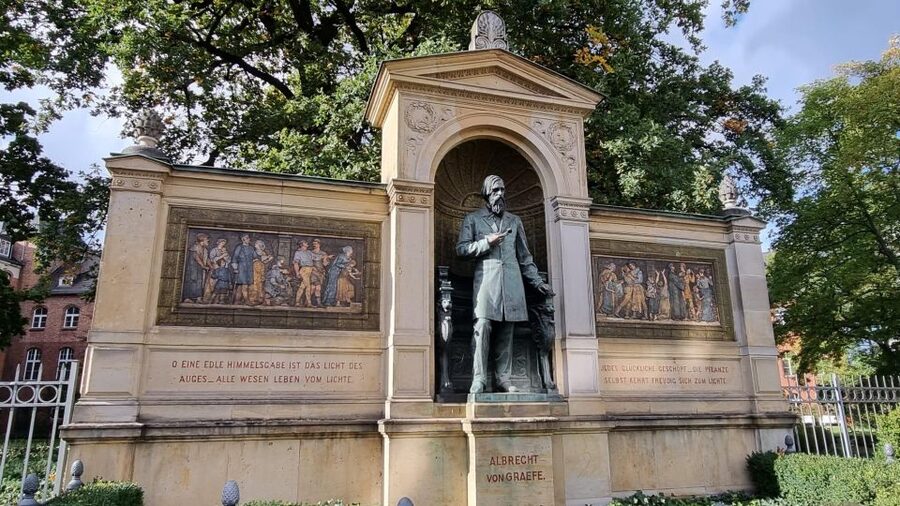
One of the strongest, most hopeful storylines in the tour is about Rachel Hirsch. In 1913, she became the first woman to hold a medical professorship in Prussia. The tour frames this as a real step forward for women in medicine, and it doesn’t pretend it was easy.
What I appreciate here is the honesty about resistance. The appointment reflected early 20th-century shifting social attitudes, but there were still barriers and pushback inside the institution. That combination, progress plus friction, feels true to how change usually happens. You get to see that medicine, like politics and culture, is never purely about science. It’s also about institutions, gatekeeping, and who gets recognized as an authority.
If you’ve been reading about Berlin’s broader gender and social history, this stop adds an important professional angle. It’s not just education or suffrage movements in general terms. It’s the specific world of medicine and academic power, where credibility often decides who gets to lead.
Nazi and Socialist Chapters: When Ethics Were Broken

This tour has an uncomfortable section, and it’s handled as part of the whole story, not as an extra detour. You learn that during the Nazi regime, medical ethics were disregarded, and cruel ideas about racial hygiene were imposed. The tour also touches on doctors who helped enforce atrocities, including organizing the extermination of psychiatric patients.
It’s heavy material. But it’s also important history tied to a real institution. Charité’s fame for breakthroughs makes it an especially sobering setting for understanding how scientific authority can be twisted when a regime demands it.
The tour then moves forward into the East German era, where Charité’s achievements were highlighted. At the same time, the story includes physical signs of division, like windows bricked up that faced the capitalist West. That image is powerful because it turns Cold War politics into something literal you can walk past in a campus context.
You may leave this section thinking about something practical: institutions don’t just do research. They inherit beliefs, policies, and responsibilities from the era around them. Charité, like any major hospital and research center, was shaped by power structures. The tour doesn’t let you treat history as neutral.
If you prefer a strictly upbeat tour, this one might feel like too much. But if you want Berlin history that connects places to real moral choices, this part is a key reason the experience ranks so highly.
Charité TV Connections and How the Real Stories Fit
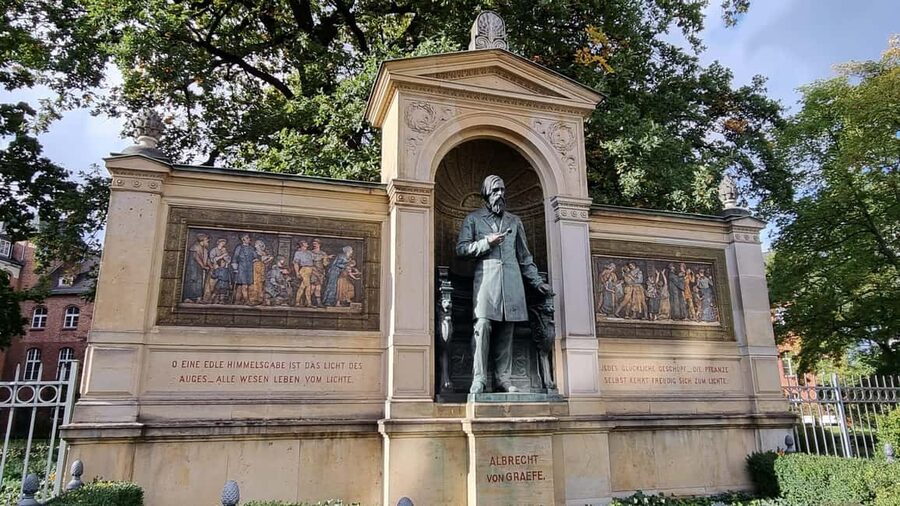
If you know the Charité TV series, this tour aims to connect the screen to the real institution. You’ll hear about real-life stories behind the show’s themes, including the way major medical figures and shifting social conditions shaped what happened in practice.
I like this approach because it helps you avoid the common trap of watching a drama and assuming it is either fully accurate or fully fictional. Instead, the tour treats the series as a doorway. It uses that doorway to point you toward actual people and actual historical context you can verify with your own eyes on site.
Even if you have not watched the show, you still benefit from this framing. The tour uses the stories to explain why Charité mattered, not just what it did. And that’s the difference between a tour that lists facts and one that makes you understand the stakes.
Price and Value: Is 28 USD Worth 2 Hours at Charité?
At $28 per person for a 2-hour guided walking tour, you’re paying for two things: interpretation and access to the right talking points. The guide is an expert local voice, and you get a free admission visit to the Veterinary Anatomy Theatre. The theatre part alone is not a generic stop. It’s a specific, high-value building tied to Berlin’s academic past.
Also, you’re getting a lot of history per hour without the usual museum fatigue. Charité is a site where walking is part of the story, so the time feels efficient. You’re not sitting through a long lecture. You’re moving, stopping, learning, and then moving again.
What can affect perceived value is access limits. Some hospital and university activities areas are not included, and certain restricted zones can’t be visited during the tour. Still, the overall experience is designed to cover the major narrative locations and to give you enough context to make sense of what you might see on your own afterward.
Who This Tour Suits Best
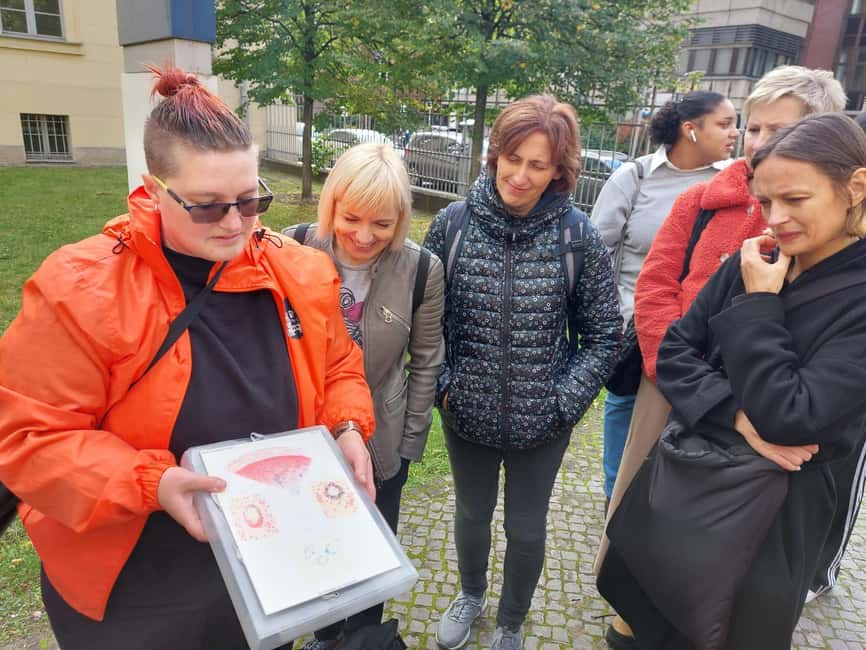
This experience is a great match if you want your Berlin history to have names, dates, and places tied to real medical developments. I think it works especially well for:
- Anyone curious about how medical thinking changed from the 1700s onward
- Readers of European history who want a place-based view of ethics and institutions
- People who like guided storytelling more than self-guided museum browsing
- Teens around 14 and up, since the content goes deep into historical themes
It’s also wheelchair accessible, which matters when you’re booking anything in an older institutional area. If you use a wheelchair or mobility aids, it’s worth checking in with your tour operator ahead of time about how the route is managed, since it is still a walking tour and parts are outdoors.
My Booking Call: Should You Go to Charité?
If you’re choosing between “another Berlin history walk” and something more specific, this one wins. The combination of the Veterinary Anatomy Theatre, the neo-gothic campus, and the way the tour covers both breakthrough science and moral failures gives you a full picture that most city tours skip. It’s also the right length for a half-day rhythm, especially since the tour ends near Central Station area so you can keep moving through the city without a big detour.
Book it if you like guided context, want to understand Charité as an institution rather than a single building, and you can dress for cold weather. Skip it if you strongly prefer indoor sights only, or if heavy Nazi-era content would be too much for your trip mood.
Overall, this is a well-timed, focused tour that makes an important Berlin site feel personal and legible in just two hours.
FAQ
How long is the Charité Hospital History Walking Tour?
The tour lasts about 2 hours. You can check availability to see starting times.
Where does the tour meet?
Meet by the Robert Koch statue at Robert-Koch-Platz. Look for your guide holding an orange umbrella.
What is included in the price?
The price includes an expert local guide and a visit to the Veterinary Anatomy Theatre with free admission.
What should I bring?
Bring comfortable shoes and water, and dress warmly since most of the tour takes place outside.
Is the tour wheelchair accessible?
Yes, the tour is listed as wheelchair accessible.
What ages is the tour recommended for?
It is recommended for ages 14 and up due to the historical depth of the content, and all minors must be accompanied by an adult.
Is entry to all Charité campus buildings included?
No. Entry to buildings where hospital or university activities take place is not included, and some areas are restricted for guided tours. The tour covers accessible areas and includes the Veterinary Anatomy Theatre visit.
Recently added around Berlin
- Berlin Private Custom Walking Tour With A Guide (Private Tour)★ 4.5 · 8 reviews
- One Up to 3 Rickshaws(6 GUESTS)-Taylor Made Rickshaw Berlin Tour★ 5.0 · 20 reviews
- Moonshine Comedy – English Stand Up Comedy by the bay★ 5.0 · 11 reviews
- Private Half-Day Berlin Sightseeing Tour with a Minivan Including Short City Walks★ 5.0 · 31 reviews
- Private taxi tour to Potsdam and Sanssouci 6-8h★ 5.0 · 30 reviews
- Private City Kickstart Tour: Berlin★ 4.5 · 71 reviews
- Private tour of Berlin★ 5.0 · 15 reviews
- Private Tutankhamun’s Tomb Live Escape Room in Berlin★ 3.5 · 11 reviews
Historical Tours, compared.



Berlin Private Complete History All Day Walking Tour
Read our review →



Small group Potsdam: A Journey Through History and Palaces
Read our review →Browse the lists this tour appears in