

Reviewed · STREET ART & ALTERNATIVE TOURS
Street Art & Berlin Gay, Queer, Trans History + Free Gay Map
If you like Berlin off the postcard route, this tour is a smart way to get there. It mixes street art and graffiti with stories tied to Berlin’s Gay, Queer, and Trans communities, plus a stop at a major contemporary art space.
Two things I really like about it: first, you get a guided, small-group walk so the places make sense as a connected story, not random sights. Second, the tour is led by Gali Jaffe, and the approach comes off personal and tailored to what your group cares about, including queer and trans perspectives.
One drawback to consider: it is not for kids under 16, so it feels like an adult-focused experience. Also, plan on doing most of it on foot with a couple short public transport hops.
Key things to know before you go
- Small group, limited to 10 participants, which helps you actually ask questions and keep the pace comfortable
- English live guide plus a personal feel, guided by Gali Jaffe
- Street art first, then you shift gears into queer landmarks and identity history
- Urban Nation Gallery stop with guided time and then free time to wander
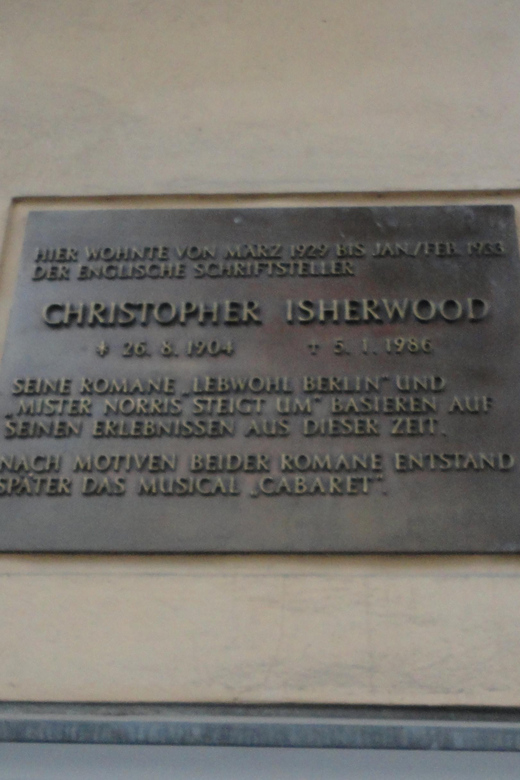
- Schöneberg and Nollendorf neighborhoods, including sites tied to Christopher Isherwood and the El-Dorado club
- Free Berlin Gay Map so you can keep exploring after the tour
Where street art meets queer and trans landmarks in Berlin
Berlin street art is famous, but what matters is the context. This tour starts by training your eyes on murals, walls, and tags, then connects that visual language to the lived experience of queer, trans, and gender-diverse people in the city.
You are not just looking at art. You are learning how certain neighborhoods became social stages, where community formed, where culture moved, and where institutions and activists shaped what was possible. That combination is the hook, and it works because the route is built around walkable areas that let you feel the scale of the city.
The guide framing also helps. A lot of Berlin tours talk about queer history in a more general way. Here, the focus stays local, including names like Magnus Hirschfeld, and the conversation anchors to the Institute for the Science of Sexuality. That is the kind of detail that turns a few monuments into a real story.
More queer Berlin history tours:
- Berlin: Gay Berlin Out in Schöneberg Walking Tour
★ 4.8 · 281 reviews - Berlin’s Gay, Lesbian, and Queer Scene Small-Group Walking Tour
★ 4.5 · 66 reviews - Queer Berlin Walking Tour
★ 4.7 · 64 reviews
The starting point at Wittenbergplatz, and how to arrive ready
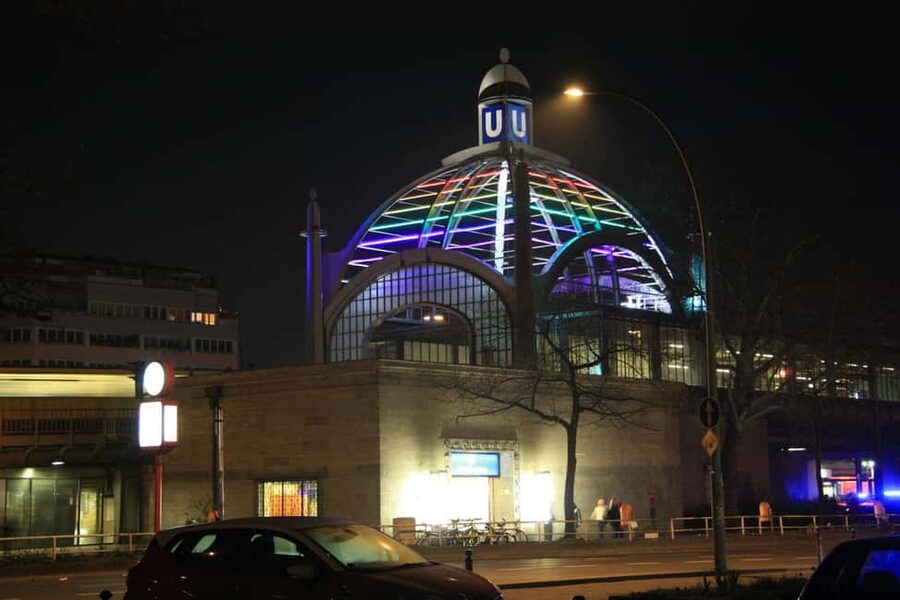
The tour begins at the entrance to the Wittenbergplatz Underground Station, in front of the KDW department store, and it ends back at the same meeting point. That matters more than you might think. Berlin can feel like a maze, so having a clear start and end point makes the plan easier.
You should also bring what the tour requests: a public transport ticket. You will use transit in short bursts, so you do not want to get stuck at the start trying to figure out where to buy or validate something.
Once you meet, expect the guide to set the tone quickly: what you will see, how long you will be walking, and how the art and history connect. With a group cap of 10 people, the pace typically stays conversational, not rushed.
Schöneberg on foot: the neighborhood walk that carries the story

After a short public transport hop of about 5 minutes, you spend around 40 minutes in Schöneberg with guided walking. This is where the tour starts doing the real work: linking street visuals to place.
Street art in Berlin often feels like it belongs to the city’s public imagination. In this part of the tour, you learn to read it like a layer of local culture, not just decoration. The guide points out what is going on visually, then connects it to the broader theme: who was here, who shaped community, and how space became meaningful.
You also get the benefit of group size. With up to ten participants, you can stop to look closely without the usual “keep moving, next group behind you” energy. It is also the easiest moment to ask questions if you want more detail on a name or theme that the guide brings up.
The church stop: why you pause for something unexpected

One part of the itinerary includes a stop to see a unique, interesting church in Berlin. Even if you are not a church person, this works because it breaks the rhythm.
Street art gets you thinking about expression on walls. Then the tour shifts to a long-standing public landmark, and it makes you pay attention to how different kinds of spaces shape community life. In Berlin, religious buildings can sit right beside modern culture, and the contrast is useful. It helps you notice how neighborhoods evolve without wiping the past clean.
If you are tempted to skip the pause, don’t. A church stop on this kind of route often functions like punctuation. It helps you reframe what you are looking at and why it matters.
More street art and alternative tours in Berlin:
- Berlin: Alternative Berlin Walking Tour
★ 4.6 · 1,204 reviews - Berlin: City Street Art Guided Walking Tour
★ 4.8 · 886 reviews - Berlin: 3-Hour Street Art Tour
★ 4.7 · 778 reviews - Berlin: Alternative Bike Tour of Kreuzberg & Friedrichshain
★ 4.7 · 548 reviews
Urban Nation Gallery: guided time plus room to wander

The tour includes a stop at the Urban Nation gallery. You get guided tour time first, and then a block of free time (about 20 minutes) for your own wandering.
This is a smart structure. The guided portion helps you understand what you are seeing. Then the free time lets you do what you came to do, slow down and look. If you love street art, you will probably use that free time to move at your own speed and pay attention to details you might otherwise miss.
Also, this stop supports the tour’s main idea. Urban Nation is part of the broader conversation about street art as cultural production, not just vandalism or background noise. That makes the earlier street art walk feel more grounded. You go from “look at walls” to “understand the role walls play in Berlin culture.”
The Nollendorf stroll: Isherwood, El-Dorado, and names that anchor the story
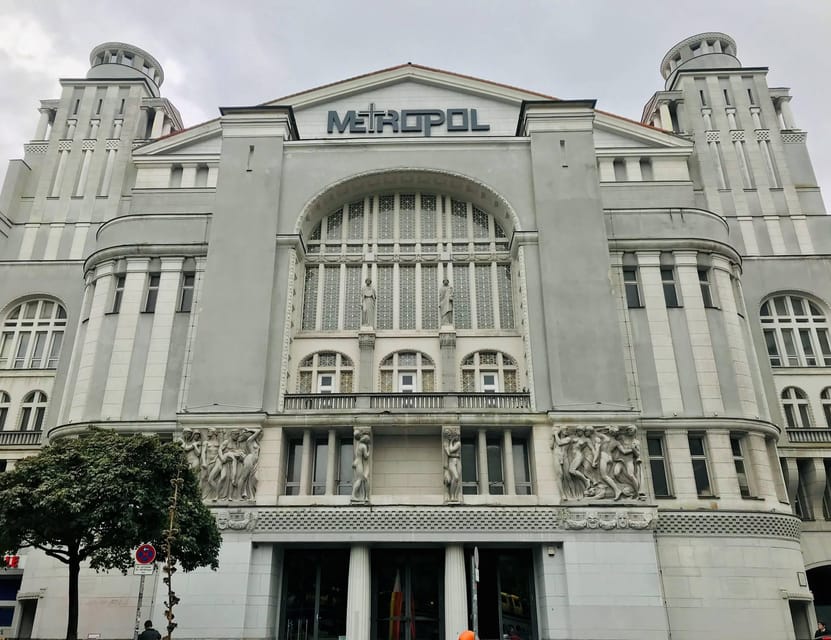
After Urban Nation, you head back into Schöneberg for about 30 minutes of sightseeing and walking. This is where the tour focuses heavily on the neighborhood around Nollendorf.
You will see the house of Christopher Isherwood, a key literary figure connected to queer Berlin in the 20th century. You will also learn about the location of the El-Dorado club, a name that carries big cultural weight in Berlin’s queer nightlife story.
On top of those, the guide brings in Magnus Hirschfeld and his world-famous work tied to the Institute for the Science of Sexuality. This is one of the tour’s best ingredients, because it gives you a framework for understanding how Berlin’s queer history was not just nightlife and visibility, but also research, activism, and institutional thinking.
Why I think this part is especially valuable: you get to place famous names into real walking distance. The story lands in your body, not just in your head. You are standing in a neighborhood, looking around, and realizing that culture happened here.
Short transit segments: keep your feet ready, not your patience
The itinerary includes two 5-minute public transport segments. They are short, but they still matter because they help connect the route without turning the day into a long march.
My advice: wear shoes you can walk in comfortably for the whole tour. The walking time is the core experience, especially around Schöneberg and the Nollendorf area. If your feet are not happy, you will spend the entire tour wishing you could sit down, and you will miss details.
Also, because the tour returns to Wittenbergplatz, your end-of-tour mood should be simple. You are not left trying to figure out how to get home. You walk a little, hop transit briefly, then come right back to the starting hub.
What’s included: small perks that add real value

For $57 per person and a 2-hour duration, you are paying for more than movement and narration. You are paying for a guided connection between art and queer and trans history, plus access to meaningful stops.
Included items that make a difference:
- Street art, graffiti, church, and art gallery experiences rolled into one plan
- Gay quarter focus, so you do not end up with a generic city walk
- A free Berlin Gay Map, which is genuinely useful if you want to keep exploring after the tour ends
That last piece is underrated. A map helps you translate what you just learned into your next decisions. You can use it to find nearby places to revisit or to plan a longer evening, instead of freezing on your phone asking where to go next.
Price and value: is $57 fair for a 2-hour small-group tour?
For Berlin, $57 lands in the practical zone for a guided experience, especially with a small group capped at 10 and a live English guide. The best value usually comes from two things: access and interpretation. This tour delivers both.
Access is handled by the structured stops: street art locations, the Urban Nation gallery, and neighborhood-specific queer landmarks. Interpretation is handled by the guide, including the way the tour weaves in trans and queer perspectives and connects individual names to real places you can see.
If you want a tour that is mostly scenic photos and zero context, you might find cheaper options. But if you want help turning Berlin into something you can understand, the value makes sense.
Who this tour fits best, and who should skip it
This tour fits best if you:
- Love street art and want a guided way to read it
- Want a queer and trans-focused Berlin route that is more specific than a generic overview
- Enjoy learning through names and places, including Christopher Isherwood and Magnus Hirschfeld
- Prefer small groups over large bus energy
It may not be the right match if you:
- Want a kids-and-family format, since it is not suitable for children under 16
- Have very limited mobility and cannot handle walking stretches, even though the tour is listed as wheelchair accessible
If you fall in the middle, ask yourself a simple question: do you like walking plus stories? If yes, you will probably enjoy this.
The guide experience: what makes this feel personal
The highlights say the tour has an expert trans woman tour guide, and that comes through in the vibe. You get warmth, friendliness, and a sense of the guide actually working with the group in front of her, not just delivering a script.
One of the strongest themes from the way the guide is described is personalization. That is what turns a tour into an experience. If your group is more art-heavy or more history-heavy, the guide can shape the emphasis so the two hours feel like they belong to you.
A small group also gives you room to connect. You can ask follow-up questions without feeling like you are slowing everyone down.
Weather and timing: bring layers, Berlin is unpredictable
The tour is only 2 hours, but Berlin weather loves plot twists. Even in winter, you might get snow or cold air, and the outdoor walking parts will feel it.
So dress like a local, layers plus a warm outer layer. And if it is raining, plan to keep your jacket handy. Street art and visibility both matter, and you will want to actually see the details.
Should you book this tour?
If you want one focused, high-value way to see a different side of Berlin, I think this is a strong booking. The blend of street art, a gallery stop at Urban Nation, and queer and trans history anchored to real neighborhoods gives you a route you can remember, not just a set of stops you checked off.
Book it if you like context and you want to feel oriented fast. You will leave with stories tied to places, plus a free Berlin Gay Map to keep going on your own.
Skip it if you want a purely relaxed sightseeing stroll with zero history, or if you need a strictly family-friendly schedule. Otherwise, this is the kind of tour that turns Berlin into something you understand.
FAQ
How long is the Street Art and Berlin Gay, Queer, Trans History tour?
It lasts about 2 hours. You can check availability to see starting times.
Where does the tour start and end?
It starts in the entrance to the Underground Station Wittenbergplatz in front of the KDW department store, and it ends back at the same meeting point.
What language is the tour guide?
The tour is offered with a live guide in English.
What should I bring?
You should bring a public transport ticket, since the itinerary includes short public transport segments.
Is this tour wheelchair accessible?
Yes, it is listed as wheelchair accessible.
Is the tour suitable for children?
No. It is not suitable for children under 16.
More History Tours in Berlin
- Berlin: Natural History Museum Entrance Ticket
★ 4.6 · 3,382 reviews - Berlin: World Heritage Cruise to Potsdam
★ 4.5 · 1,435 reviews - Berlin Historical Highlights Walking Tour
★ 4.9 · 657 reviews - Berlin Private Complete History All Day Walking Tour
★ 5.0 · 474 reviews
Recently added around Berlin
- Berlin Private Custom Walking Tour With A Guide (Private Tour)★ 4.5 · 8 reviews
- One Up to 3 Rickshaws(6 GUESTS)-Taylor Made Rickshaw Berlin Tour★ 5.0 · 20 reviews
- Private Half-Day Berlin Sightseeing Tour with a Minivan Including Short City Walks★ 5.0 · 31 reviews
- Private taxi tour to Potsdam and Sanssouci 6-8h★ 5.0 · 30 reviews
- Moonshine Comedy – English Stand Up Comedy by the bay★ 5.0 · 11 reviews
- Private City Kickstart Tour: Berlin★ 4.5 · 71 reviews
- Private tour of Berlin★ 5.0 · 15 reviews
- Private Tutankhamun’s Tomb Live Escape Room in Berlin★ 3.5 · 11 reviews
Street Art & Alternative Tours, compared.
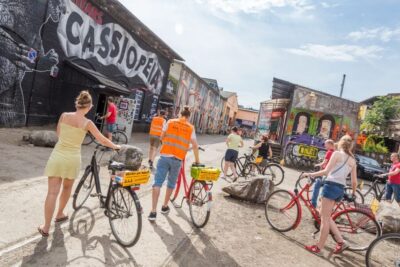
Alternative Bike Tour of Kreuzberg & Friedrichshain
Read our review →
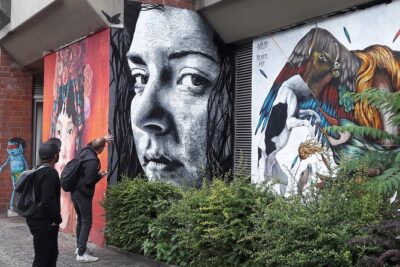

East Meets West: Berlin Food Culture & Street Art
Read our review →
Experience the Alternative Kreuzberg on a Bike Tour
Read our review →Browse the lists this tour appears in